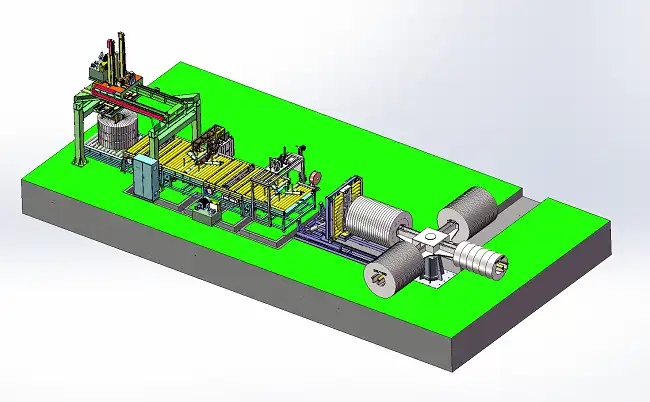
As an industry expert with hands-on experience in steel manufacturing, I'll guide you through the critical issues facing manual steel coil packaging operations and provide actionable solutions for modernization in the steel coil packaging line industry. Let's explore why traditional methods are becoming increasingly impractical in today's fast-paced manufacturing environment.
Step-by-Step Analysis of Manual Packaging Limitations
Current State Assessment
Before implementing changes, let's evaluate your existing operation:
- Production speed metrics
- Workforce utilization rates
- Quality control statistics
- Safety incident frequency
- Resource consumption patterns
Understanding these baseline metrics is crucial for measuring improvement potential.
Key Performance Indicators (KPIs) in Manual Operations
Measuring Operational Efficiency
To properly assess your current situation, track these essential KPIs:
- Packages completed per hour
- Labor hours per unit
- Material waste percentage
- Quality rejection rates
- Worker safety incidents
These measurements will help identify your most pressing bottlenecks.
Safety Protocols and Their Impact on Efficiency
Current Safety Challenges
Let me walk you through common safety issues:
- Manual handling risks
- Proper lifting techniques
- Weight limitations
- Equipment operation guidelines
- Emergency response procedures
Implementation of Safety Measures
Required safety protocols often slow down production:
- Mandatory rest periods
- Multiple-person lifting requirements
- Equipment inspection times
- Safety gear application
Quality Control Bottlenecks
Manual Inspection Limitations
From my experience, manual quality control faces several challenges:
- Visual inspection reliability
- Consistency across shifts
- Documentation accuracy
- Response time to issues
- Training requirements
Quality Documentation Process
Current manual processes require:
- Paper-based checklists
- Multiple sign-offs
- Physical storage of records
- Time-consuming retrieval
- Limited data analysis capability

Resource Utilization Issues
Material Handling Inefficiencies
Let's examine where resources are being wasted:
- Excess packaging material
- Improper cutting techniques
- Inconsistent application
- Storage damage
- Inventory management issues
Labor Resource Management
Common workforce challenges include:
Overtime costs
Scheduling complexities
Skill level variations
Training requirements
Attendance management
Implementation Strategy for Modernization
Phased Approach to Automation
Based on extensive field experience, here's a practical implementation roadmap:
Phase 1: Initial Assessment and Planning
- Conduct thorough operation analysis
- Identify critical bottlenecks
- Set measurable objectives
- Develop timeline and budget
- Establish success metrics
Phase 2: Pilot Program
- Select specific line for automation
- Train key personnel
- Monitor and adjust processes
- Document improvements
- Gather feedback
Technology Integration Guidelines
Step-by-Step Implementation Process
Let me guide you through the integration process:
- Equipment Selection
- Compatibility assessment
- Space requirements
- Power specifications
- Integration capabilities
- Future scalability options
- System Configuration
- Control parameters
- Safety protocols
- Quality standards
- Production speeds
- Material specifications
Training and Staff Development
Comprehensive Training Program
Here's an effective approach to staff development:
Technical Training
- Equipment operation
- Maintenance procedures
- Troubleshooting skills
- Safety protocols
- Quality control methods
Management Training
- Performance monitoring
- Resource allocation
- Schedule optimization
- Team leadership
- Problem-solving techniques
Cost-Benefit Analysis Framework
Investment Evaluation
Let me break down the financial considerations:
Direct Cost Savings
- Labor reduction: 60-70%
- Material savings: 15-25%
- Quality improvement: 30-40%
- Energy efficiency: 20-30%
- Maintenance reduction: 40-50%
Indirect Benefits
- Customer satisfaction increase
- Market competitiveness
- Brand reputation
- Employee satisfaction
- Future scalability
Quality Assurance Systems
Automated Quality Control
Here's how modern systems improve quality:
- Real-time Monitoring
- Tension control
- Alignment verification
- Coverage inspection
- Defect detection
- Documentation automation
- Data Analytics
- Performance trending
- Predictive maintenance
- Quality metrics
- Process optimization
- Continuous improvement
Maintenance and Support Protocols
Preventive Maintenance Schedule
Follow this maintenance framework:
Daily Checks
- Equipment inspection
- Calibration verification
- Clean-up procedures
- Safety checks
- Performance monitoring
Scheduled Maintenance
- Component replacement
- System updates
- Performance optimization
- Preventive repairs
- Documentation review
Performance Optimization Strategies
Continuous Improvement Process
Implement these optimization techniques:
- Data Collection
- Production metrics
- Quality statistics
- Resource utilization
- Energy consumption
- Maintenance records
- Analysis and Adjustment
- Process refinement
- Equipment optimization
- Resource allocation
- Schedule improvement
- Cost reduction
Future-Proofing Your Operation
Technology Roadmap
Consider these future developments:
Short-term Improvements
- Control system updates
- Sensor integration
- Data management
- Interface optimization
- Safety enhancements
Long-term Innovation
- AI integration
- Predictive analytics
- Remote operation
- Digital twin technology
- Sustainable practices
Conclusion: Taking Action
The transition from manual to automated steel coil packaging isn't just about installing new equipment – it's about transforming your entire operation. Through this guide, I've shared practical steps and strategies based on real-world experience to help you navigate this crucial modernization process.
Remember, successful implementation requires:
- Clear planning and objectives
- Phased implementation
- Comprehensive training
- Regular monitoring and adjustment
- Continuous improvement focus
Don't let outdated manual processes hold your operation back. The time to modernize is now, and the benefits – from increased efficiency and safety to improved quality and profitability – far outweigh the initial investment. Start your modernization journey today by assessing your current operations and planning your first steps toward automation.
Take action now to secure your competitive position in the market. The longer you wait, the further behind you'll fall in an increasingly automated industry. Let's work together to bring your steel coil packaging operation into the modern era.


