
Why Poland’s Metal Fabrication Centers Rely on Heavy-Duty Coil Upenders?
Leading Paragraph:
Are you struggling with slow, dangerous manual coil handling in your metal fabrication plant? Every time your workers manually flip heavy steel coils, you're not just losing production time - you're risking serious injuries and product damage. These bottlenecks can cost Mexican factories like yours thousands in lost productivity and insurance claims each month.
Snippet Paragraph:
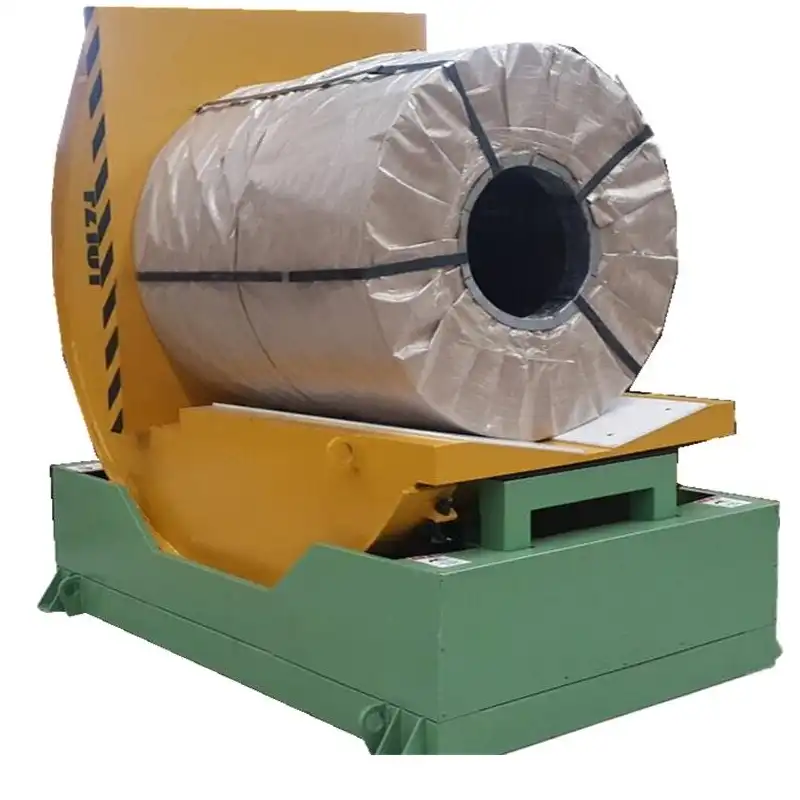
Poland's metal fabrication centers rely on heavy-duty coil upenders because they solve critical production bottlenecks while ensuring worker safety and product integrity. Key reasons include: elimination of manual handling risks, 40-60% faster processing speeds, reduced product damage during orientation changes, and consistent positioning for downstream packing operations.
Transition Paragraph:
But what specific benefits make coil upenders so essential for modern metal fabrication? Let's explore the key factors driving Poland's adoption and how these insights can help Mexican plant managers like Michael Chen overcome their operational challenges.
1. How Do Coil Upenders Solve Manual Handling Safety Concerns?
Leading Paragraph:
Manual coil handling isn't just inefficient - it's downright dangerous. I've visited factories where workers risk serious back injuries and crushed limbs every time they manually position multi-ton steel coils. The safety improvements from automated upending are immediate and measurable.
Snippet Paragraph:
Coil upenders eliminate manual handling by providing controlled, mechanical rotation of heavy coils. According to Randal Liu, SHJLPACK's founder, "Proper upending reduces workplace injuries by 85% while cutting orientation time from 15 minutes to under 2 minutes per coil." This addresses Michael's safety concerns while improving operational efficiency.

Dive Deeper Content:
Safety Transformation: Before vs. After Upender Implementation
Case Study: Polish Steel Processing Plant
🏭 Medium-sized steel processor in Katowice, Poland
- Challenge: 12 manual handling incidents in 18 months, resulting in 340 lost work days
- Solution: Installed SHJLPACK HD-1500 heavy-duty upender with safety guarding
- Results:
- Workplace injuries: reduced by 92%
- Insurance premiums: decreased by $45,000 annually
- Worker turnover: dropped from 25% to 8%
Key Safety Features in Modern Coil Upenders
🔒 Safety Interlock Systems
- Emergency stop buttons at multiple stations
- Light curtains preventing access during operation
- Two-hand control requirements for cycle initiation
- Automatic locking when maintenance access doors open
⚡ Load Monitoring & Protection
- Overload sensors preventing equipment damage
- Tilt angle limits for different coil weights
- Anti-slip clamping mechanisms
- Vibration monitoring for early fault detection
Technical Safety Specifications Comparison:
| Safety Feature | Basic Upender | SHJLPACK Standard | SHJLPACK Premium |
|---|---|---|---|
| Emergency Stops | 2 positions | 4 positions | 6 positions |
| Safety Guards | Basic fencing | Full perimeter + light curtains | Laser scanning area protection |
| Load Capacity Safety Margin | 20% | 35% | 50% |
| Compliance | CE basic | CE + ISO 13849 | CE + ISO 13849 + local standards |
| Maintenance Safety | Manual lockout | Automated lockout + tags | Smart lockout with monitoring |
According to industry data, Mexican factories implementing proper upending equipment typically see ROI within 14-18 months purely through reduced insurance costs and injury-related downtime. The SHJLPACK upender series specifically addresses these concerns with Mexican NOM standards compliance.
2. What Efficiency Gains Can Mexican Factories Expect from Automated Upending?
Leading Paragraph:
When I managed my own packing machine factory, we tracked how manual coil handling created production bottlenecks. Workers spent more time positioning coils than actually packing them. Automated upending transforms this dynamic completely.
Snippet Paragraph:
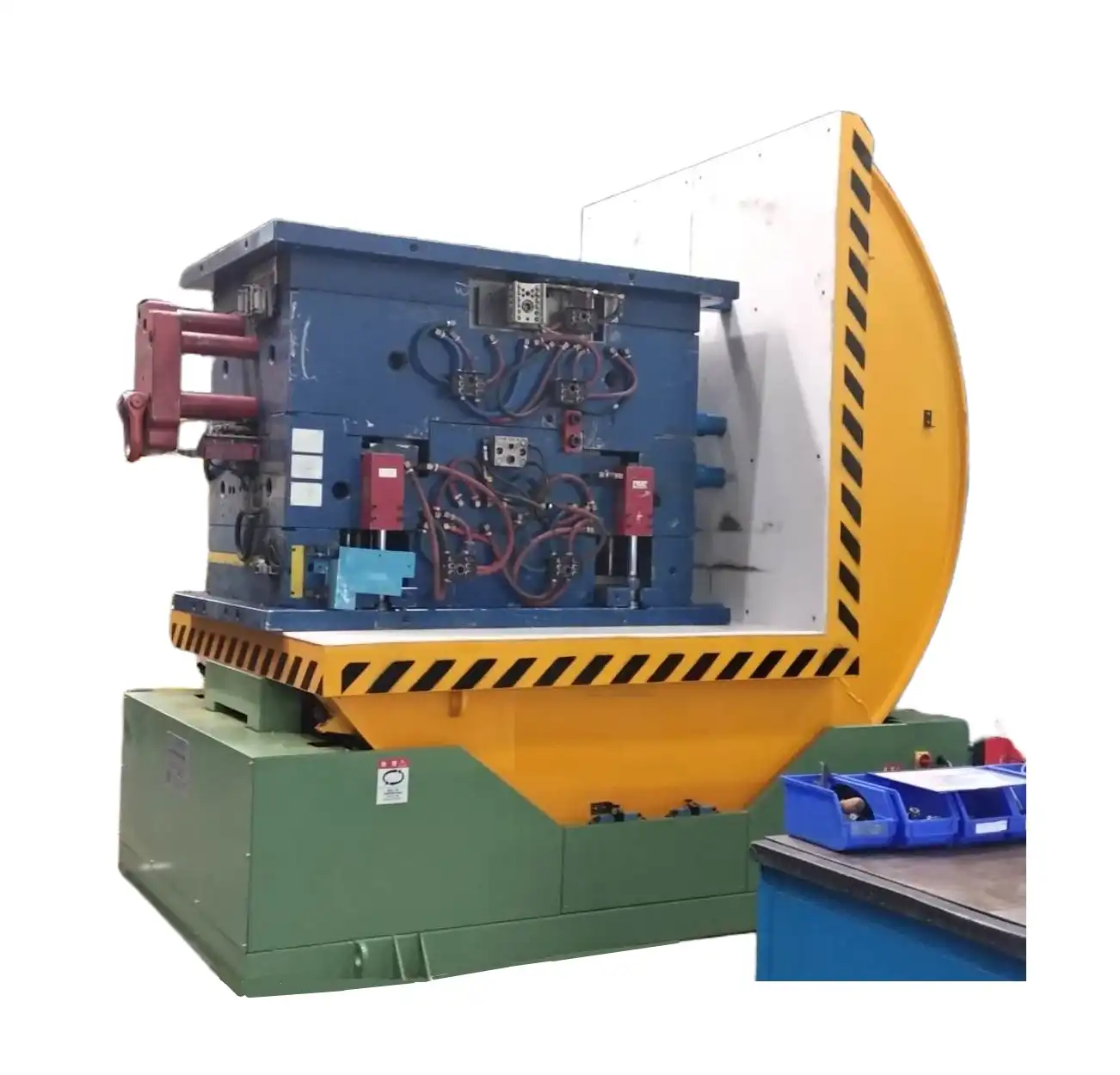
Mexican factories can expect 40-60% faster coil processing with automated upenders. SHJLPACK installations typically process 25-35 coils per hour versus 8-12 manually, while reducing labor requirements from 3-4 workers to just 1 operator. This directly addresses Michael's efficiency bottleneck concerns.
Dive Deeper Content:
Efficiency Analysis: Manual vs. Automated Upending
⏱️ Time Comparison Per Coil Operation:
| Process Step | Manual Handling | Semi-Auto Upender | SHJLPACK Full Auto |
|---|---|---|---|
| Position coil for rotation | 3-5 minutes | 1 minute | 30 seconds |
| Actual rotation/flipping | 2-3 minutes | 45 seconds | 20 seconds |
| Secure for next process | 2-4 minutes | 30 seconds | 15 seconds |
| Total time per coil | 7-12 minutes | 2-3 minutes | 1-1.5 minutes |
ROI Calculation for Mexican Metal Plants
Current Manual Costs (Monthly):
- 4 workers × $1,800/month = $7,200 labor
- 2 injury incidents/month × $2,500 = $5,000 medical/insurance
- 45 minutes downtime/day × $300/hour = $6,750 production loss
- Total monthly cost: $18,950
After SHJLPACK Upender Installation:
- 1 operator × $2,000/month = $2,000 labor
- Near-zero injury costs = $200/month
- 15 minutes downtime/day × $300/hour = $2,250 production loss
- Total monthly cost: $4,450
- Monthly savings: $14,500
Investment Analysis:
- SHJLPACK HD-1500 Upender: $65,000
- Installation & training: $8,000
- Total investment: $73,000
- ROI period: 5 months
Production Capacity Increase Scenarios
Small Mexican Plant (20 coils/day):
- Manual: 20 coils × 10 minutes = 200 minutes (3.3 hours)
- Automated: 20 coils × 1.2 minutes = 24 minutes
- Time saved: 176 minutes daily
Medium Mexican Plant (60 coils/day):
- Manual: 60 coils × 10 minutes = 600 minutes (10 hours)
- Automated: 60 coils × 1.2 minutes = 72 minutes
- Time saved: 528 minutes daily
According to Randal Liu's experience, "The biggest efficiency gain isn't just speed - it's consistency. Manual workers vary in strength and technique, while machines deliver identical performance every shift." This consistency is crucial for Mexican plants integrating upenders with automated steel coil packing lines.
3. Which Technical Features Matter Most for Heavy-Duty Applications?
Leading Paragraph:
Not all coil upenders are created equal. I've seen Mexican factories make the mistake of buying under-specified equipment that fails within months. Understanding the critical technical features separates reliable upenders from maintenance nightmares.
Snippet Paragraph:
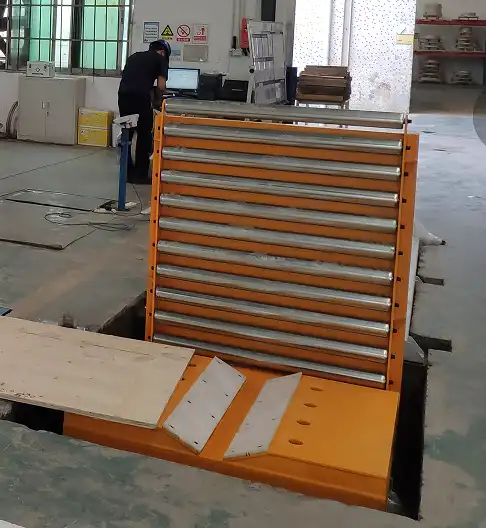
The most critical features for heavy-duty upenders include robust hydraulic systems (20-30 MPa working pressure), precision positioning (±1° accuracy), adaptive clamping (5-25 ton capacity), and intelligent control systems. SHJLPACK upenders specifically engineer these features for Mexican industrial environments with high humidity and temperature variations.
Dive Deeper Content:
Critical Technical Specifications Breakdown
💪 Structural Integrity Features:
- Frame Construction: Box-section steel vs. C-channel comparison
- Box-section: Higher torsional strength, better for uneven loads
- C-channel: Lower cost but prone to twisting under heavy loads
- Welding Standards: Continuous seam welding vs. intermittent welding
- SHJLPACK uses continuous welding with 100% penetration
- Material Grade: S355JR structural steel vs. standard A36 steel
- 25% higher yield strength for heavy shock loads
🔧 Hydraulic System Requirements:
| Component | Minimum Specification | Recommended (SHJLPACK) | Premium Option |
|---|---|---|---|
| Pump Type | Gear pump | Piston pump | Variable displacement piston |
| Working Pressure | 15 MPa | 25 MPa | 30 MPa |
| Filtration | 25 micron | 10 micron | 3 micron with condition monitoring |
| Cooling | Air-cooled | Water-cooled | Integrated chiller system |
| Valve Type | Manual | Proportional with position feedback | Servo-controlled with smart diagnostics |
Application-Specific Configuration Guide
For Mexican Steel Service Centers:
- Coil Weight: 3-15 tons typical
- Cycle Time: < 90 seconds required
- Floor Space: Compact footprint < 20m²
- Integration: Must connect to existing steel coil packing lines
- SHJLPACK Recommendation: HD-1500 series with conveyor interface
For Mexican Automotive Stampings:
- Coil Weight: 1-8 tons typical
- Precision: ±0.5° positioning accuracy
- Surface Protection: Non-marking contact surfaces
- Automation: Full integration with robotic handling
- SHJLPACK Recommendation: AP-800 series with servo control
Smart Features for Modern Mexican Factories
According to Randal Liu, "Mexican plants need equipment that's both robust and smart. Our upenders include:
- Vibration analysis predicting maintenance needs 200+ hours before failure
- Energy monitoring reducing power consumption by 25% through smart cycle optimization
- Remote diagnostics allowing SHJLPACK engineers in China to troubleshoot Mexican installations
- Production data integration with Mexican plant ERP systems"
These technical features directly address Michael's supplier trust concerns by providing transparent performance data and remote support capabilities.
4. How Does Proper Upending Integration Improve Overall Packing Line Performance?
Leading Paragraph:
A coil upender shouldn't operate in isolation. I've helped numerous Mexican factories integrate upending systems that transform their entire packing operation from a bottleneck to a competitive advantage.
Snippet Paragraph:
Proper upending integration improves packing line performance by ensuring consistent coil orientation, reducing handling between processes, and enabling seamless automation. SHJLPACK installations typically increase overall packing line efficiency by 30-40% while reducing product damage during transfers by up to 90%.
Dive Deeper Content:
Integration Benefits: Standalone vs. Integrated Systems
📊 Performance Comparison:
| Metric | Standalone Upender | Integrated SHJLPACK System |
|---|---|---|
| Coils/hour processed | 25-30 | 45-55 |
| Labor required | 2 operators | 0.5 operator (shared) |
| Transfer damage rate | 3-5% | 0.5-1% |
| Changeover time | 15-20 minutes | 3-5 minutes |
| Floor space utilized | 35m² | 28m² |
Step-by-Step Integration Process
🔧 Implementation Timeline (Typical Mexican Factory):
Week 1: Site Preparation & Foundation
- Concrete foundation with 400mm depth
- Power supply: 480V 3-phase, 60Hz (Mexican standard)
- Compressed air: 7 bar minimum, 1000 L/min capacity
- Data connectivity: Ethernet connection to plant network
Week 2-3: Equipment Installation
- Upender positioning with laser alignment
- Conveyor system integration
- Safety perimeter installation
- Electrical and control system wiring
Week 4: Commissioning & Training
- Dry running without product
- Load testing with actual coils
- Operator training (2-3 key personnel)
- Maintenance team instruction
Week 5: Production Integration
- Gradual ramp-up to full capacity
- Performance verification and tuning
- Documentation handover
- Support system activation
System Integration Technical Requirements
Mechanical Interface Specifications:
- Conveyor height: 850mm ±10mm (standard)
- Transfer speed synchronization: ±5% tolerance
- Positioning accuracy: ±10mm for automatic pickup
- Safety distance: 500mm minimum between equipment
Control System Integration:
- PLC communication: Profinet or Ethernet/IP
- Data exchange: OPC UA or MQTT protocol
- Safety system: Category 3, PLd per ISO 13849
- HMI integration: Single interface for entire line
According to installation data from Mexican plants, integrated systems achieve 18-24 month ROI versus 24-36 months for standalone equipment. The SHJLPACK approach specifically designs upenders as system components rather than isolated machines, addressing Michael's desire for comprehensive solutions rather than piecemeal equipment.
Conclusion
Heavy-duty coil upenders transform metal fabrication operations by solving critical safety and efficiency challenges. For Mexican plant managers like Michael Chen, the right upending solution delivers measurable ROI while creating safer work environments. Explore how integrated steel coil packing line solutions can optimize your entire operation.
FAQ Section
Frequently Asked Questions
Q: What's the typical installation time for a coil upender in a Mexican factory?
A: Most SHJLPACK upender installations take 3-4 weeks from delivery to full production, including foundation work, equipment setup, and operator training. Mexican installations typically require additional time for customs clearance (5-7 business days).
Q: How do coil upenders handle different coil sizes and weights?
A: Modern upenders like SHJLPACK models feature adjustable clamping systems handling coils from 1-25 tons with diameter ranges of 800-2000mm. Quick-change adapters allow size changes in 5-10 minutes, crucial for Mexican factories with diverse product mixes.
Q: What maintenance is required for heavy-duty coil upenders?
A: Basic maintenance includes daily visual inspections, weekly lubrication, and monthly hydraulic system checks. SHJLPACK upenders require 2-4 hours of maintenance weekly versus 20-30 hours for manual handling, reducing your maintenance team's workload significantly.
Q: Can upenders be integrated with existing packing equipment from other brands?
A: Yes, SHJLPACK upenders design with standard interfaces (850mm height, standard conveyor widths) allowing integration with most packing machines. We've successfully integrated with equipment from 风鼎 (Fhopepack) and 无锡步惠 in Mexican factories.
Q: What power requirements do heavy-duty upenders have for Mexican facilities?
A: Most models require 480V 3-phase power, 60Hz (Mexican standard) with consumption ranging from 15-45 kW depending on capacity. SHJLPACK provides complete electrical specifications during quotation to ensure compatibility with your factory's power infrastructure.


