
Why Modern Coil Service Centers Can’t Operate Without a Coil Upender?
Leading Paragraph:
Are you struggling with production bottlenecks caused by manual coil handling in your Mexican steel plant? As a plant manager, you know that every minute of downtime costs money, and manual flipping of heavy steel coils creates serious safety risks for your team. The traditional methods that worked years ago simply can't keep up with today's production demands and safety standards.
Snippet Paragraph:
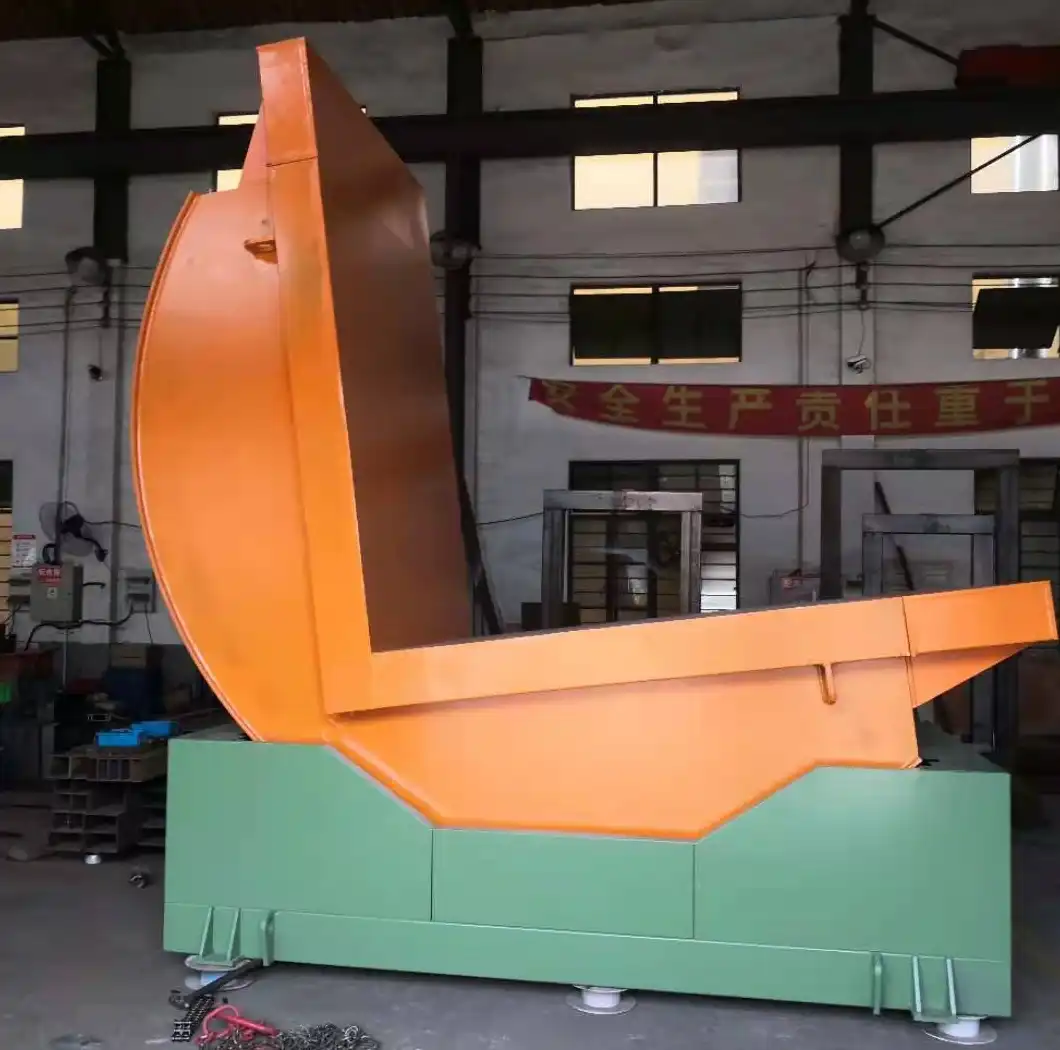
Modern coil service centers require coil upenders because manual handling creates dangerous bottlenecks that hurt productivity and safety. Automated upending systems provide three critical benefits: eliminating manual labor injuries, increasing throughput by 40-60%, and preventing costly product damage during orientation changes. These machines have become essential equipment for any competitive metal processing facility aiming for efficient, safe operations.
Transition Paragraph:
If you're considering whether a coil upender is right for your operation, you're probably asking some key questions about how these machines work, what benefits they deliver, and which type fits your specific needs. Let's explore the critical aspects that make coil upenders indispensable in today's competitive manufacturing environment.
1. What Exactly Does a Coil Upender Do in Metal Processing?
Leading Paragraph:
Imagine your workers struggling to flip a 5-ton steel coil manually - it's not just inefficient, it's downright dangerous. A coil upender solves this fundamental challenge by mechanically rotating coils from horizontal to vertical positions (or vice versa) safely and efficiently. This simple-sounding task, when automated, transforms your entire production flow.
Snippet Paragraph:
A coil upender mechanically rotates steel coils between horizontal and vertical orientations, replacing dangerous manual handling with precise, automated positioning. According to Randal Liu, SHJLPACK's founder, "Upenders eliminate the most labor-intensive and hazardous step in coil processing, allowing seamless integration between production stages while reducing manpower requirements by 70-80%."

Dive Deeper Content:
The Core Functions of Coil Upending Equipment
Coil upenders perform several critical functions that go beyond simple rotation. Understanding these capabilities helps you appreciate why they've become essential in modern metal service centers.
Primary Operations:
- Position Transformation - Convert coils from transport position (usually horizontal) to processing position (usually vertical)
- Orientation Precision - Ensure exact positioning for downstream equipment like uncoilers and processing lines
- Load Transfer - Safely move coils between different handling systems without manual intervention
- Space Optimization - Enable efficient floor space utilization through proper coil orientation
Technical Capabilities by Machine Type
Different coil upender designs offer varying capabilities to match specific production requirements:
| Feature | C-Hook Upender | Drum-Type Upender | Vertical-Horizontal Upender |
|---|---|---|---|
| Max Capacity | 3-8 tons | 5-20 tons | 10-30 tons |
| Rotation Angle | 90° | 180° | 90° or 180° |
| Cycle Time | 45-60 seconds | 60-90 seconds | 90-120 seconds |
| Floor Space | Compact | Moderate | Larger footprint |
| Best For | Medium-duty applications | Heavy coils | High-volume processing |
Integration with Production Lines
A well-designed coil upender doesn't operate in isolation - it becomes the crucial link between different stages of your steel coil packing line. The machine receives horizontally transported coils from overhead cranes or forklifts, precisely rotates them to the required orientation, and positions them for the next processing step, whether that's unwinding, inspection, or packaging.
Case Example:
🏭 Mexican Steel Processor in Monterrey
- Challenge: Manual coil flipping caused 3-4 hour daily bottlenecks and multiple near-miss safety incidents
- Solution: Installed SHJLPACK C-hook upender with automatic positioning
- Results:
- Throughput: increased by 45%
- Labor: reduced from 4 to 1 operator
- Safety: eliminated manual handling injuries completely
The transformation occurs through synchronized operation with conveyors, lifting equipment, and downstream machinery. Advanced upenders feature programmable logic controllers (PLC) that communicate with your entire production system, creating a seamless material flow that maximizes equipment utilization and minimizes handling time.
2. How Can Coil Upenders Improve Workplace Safety in Mexican Factories?
Leading Paragraph:
Every time your workers manually handle multi-ton steel coils, you're risking serious injuries and costly workers' compensation claims. Mexican manufacturing facilities face particular pressure to maintain safe working conditions while meeting production targets. Coil upenders address this challenge directly by removing workers from the most dangerous aspects of material handling.
Snippet Paragraph:
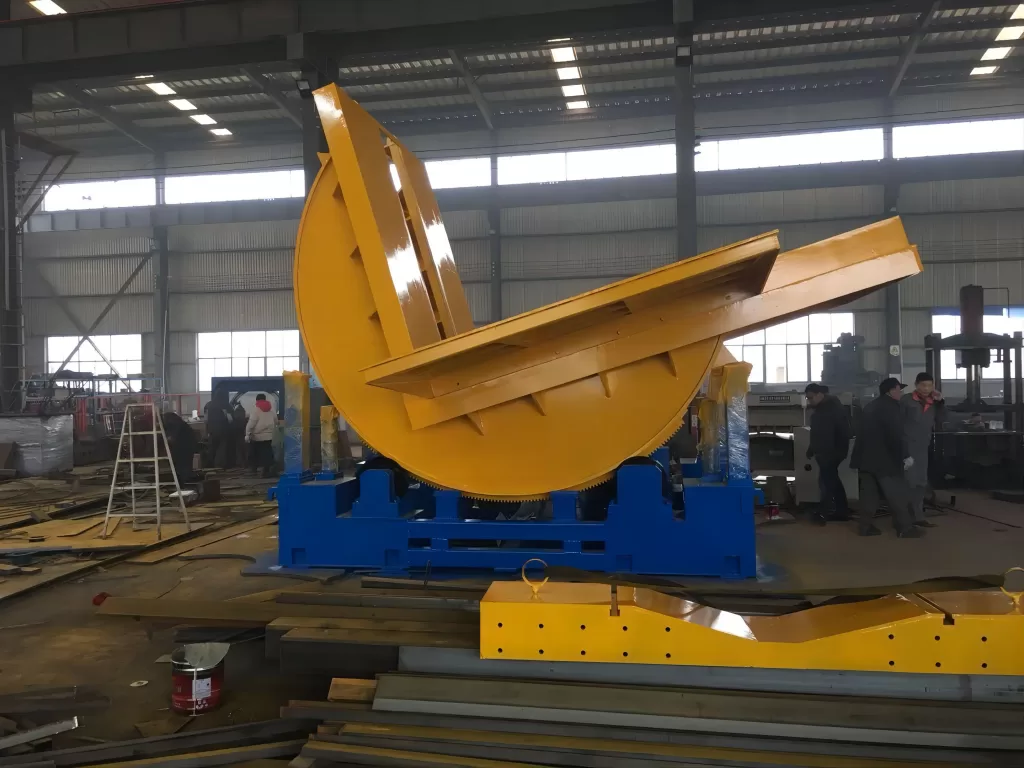
Coil upenders dramatically improve workplace safety by eliminating manual coil handling, reducing injury risks by over 85% according to industry data. These machines provide three key safety benefits: removing workers from heavy load zones, preventing musculoskeletal injuries from awkward positioning, and eliminating crushing hazards during orientation changes.
Dive Deeper Content:
Addressing Specific Safety Hazards
Manual coil handling presents multiple serious risks that automated upending systems effectively eliminate:
🚫 Manual Handling Risks → ✅ Upender Solutions
Crushing Hazards
- Manual Risk: Workers' hands and feet near falling coils
- Upender Solution: Fully enclosed operation with safety guards
- Impact: Complete elimination of crushing incidents
Musculoskeletal Injuries
- Manual Risk: Back injuries from awkward lifting positions
- Upender Solution: No manual lifting required
- Impact: 90% reduction in strain-related injuries
Struck-by Accidents
- Manual Risk: Coils shifting during manual rotation
- Upender Solution: Positive mechanical locking
- Impact: Elimination of impact accidents
Repetitive Stress
- Manual Risk: Chronic injuries from repeated heavy handling
- Upender Solution: Automated cycle operation
- Impact: Complete elimination of repetitive tasks
Safety Features in Modern Upenders
Today's coil upenders incorporate multiple safety systems that protect both operators and equipment:
Essential Safety Components:
- Emergency Stop Systems - Multiple accessible e-stop buttons around the equipment
- Safety Interlocks - Prevent operation when guards are open or personnel are in danger zones
- Load Monitoring - Sensors detect overload conditions and prevent operation
- Anti-sway Technology - Prevents load swinging during rotation
- Fail-safe Brakes - Hold position even during power loss
- Warning Systems - Visual and audible alerts before movement
Compliance with Mexican Safety Standards
For factories in Mexico, coil upenders help maintain compliance with local NOM (Norma Oficial Mexicana) standards and international safety requirements. According to Randal Liu, "Mexican plant managers often tell me that implementing automated upenders was their single most effective step toward achieving STPS (Secretaría del Trabajo y Previsión Social) compliance while actually improving production rates."
The business case extends beyond avoiding costs - safer operations reduce insurance premiums, decrease employee turnover, and create a more stable, experienced workforce. One automotive steel supplier in Puebla reported 35% lower insurance costs within 18 months of installing automated upending equipment.
3. What ROI Can Mexican Plants Expect from Coil Upender Investment?
Leading Paragraph:
As an operations director, you need to justify every capital investment with clear financial returns. The good news is that coil upenders typically deliver impressive ROI through multiple channels - labor reduction, damage prevention, and productivity gains. Let's break down the numbers that matter for your bottom line.
Snippet Paragraph:
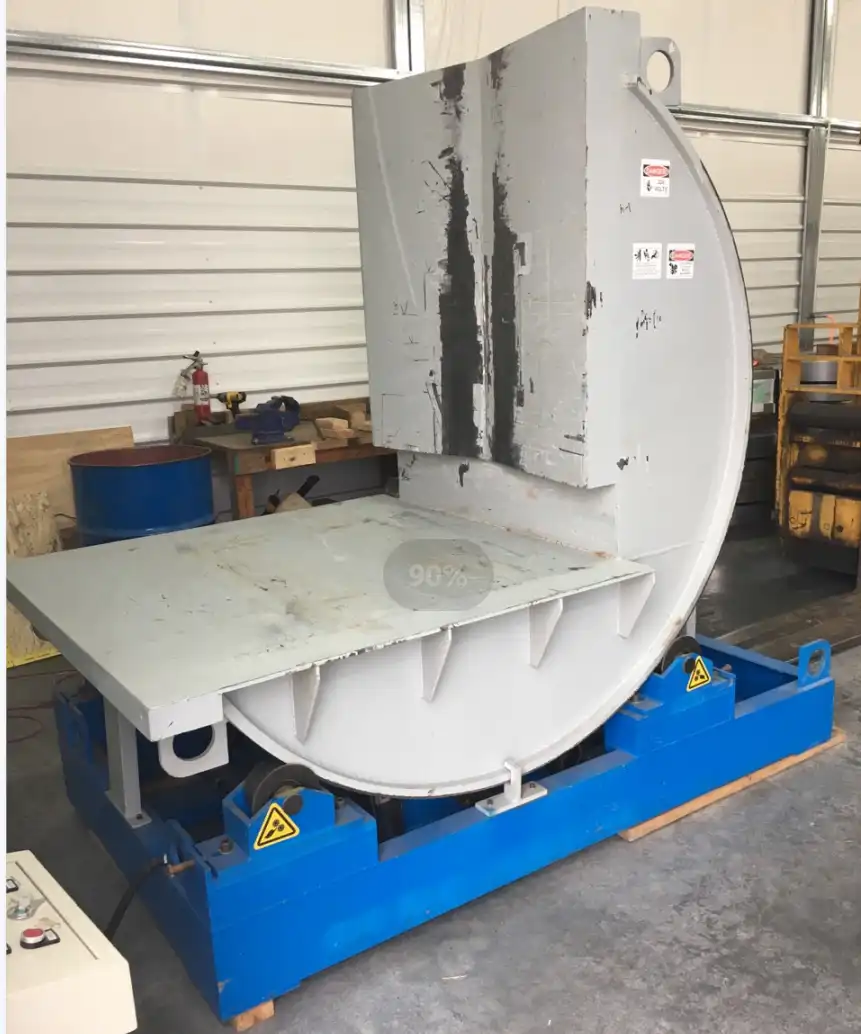
Mexican manufacturing plants typically achieve coil upender ROI within 12-24 months through labor savings, damage reduction, and productivity gains. A medium-sized facility processing 50 coils daily can save approximately $85,000 annually in direct costs, plus additional benefits from reduced downtime and improved product quality.
Dive Deeper Content:
Detailed Cost-Benefit Analysis
Understanding the complete financial picture requires looking beyond the equipment purchase price to the total cost of ownership and operational savings:
Current Manual Handling Costs (Monthly)
- Labor: 4 workers × $1,800/month = $7,200
- Downtime: 3 hours/day × $400/hour × 22 days = $26,400
- Damage: 2% rejection rate × $5,000/coil × 50 coils = $5,000
- Insurance: Higher premiums for manual handling = $3,500
- Total Monthly Cost: $42,100
Automated Upender Operation (Monthly)
- Labor: 1 operator × $2,000/month = $2,000
- Downtime: 0.5 hours/day × $400/hour × 22 days = $4,400
- Damage: 0.5% rejection rate × $5,000/coil × 50 coils = $1,250
- Insurance: Reduced premiums = $2,300
- Maintenance: $800/month
- Total Monthly Cost: $10,750
Monthly Savings: $31,350 | Annual Savings: $376,200
ROI Calculation for Different Scenarios
The specific return on investment varies based on your operation's scale and current efficiency levels:
| Plant Size | Coils/Day | Investment | Annual Savings | ROI Period |
|---|---|---|---|---|
| Small (20-30) | 25 | $45,000 | $125,000 | 4-5 months |
| Medium (30-60) | 50 | $75,000 | $376,000 | 2-3 months |
| Large (60+) | 100 | $120,000 | $850,000 | 1-2 months |
Beyond Direct Cost Savings
The financial benefits extend beyond easily quantifiable labor and damage reductions:
Productivity Multipliers:
- Faster Changeovers - Reduced time between processing different coil sizes
- Increased Line Speed - Consistent feeding enables higher throughput
- Extended Operation - Ability to run additional shifts with same crew
- Quality Improvements - Reduced handling damage improves customer satisfaction and premium pricing
Strategic Advantages:
- Competitive Bidding - Faster turnaround wins more business
- Capacity Expansion - Handle increased volume without proportional labor increases
- Business Continuity - Reduced dependency on specialized manual labor
- Technology Foundation - Platform for further automation investments
According to Randal Liu's experience with Mexican metal processors, "The plants that achieve the fastest ROI are those that integrate upenders as part of a complete material handling strategy, not as isolated equipment. Proper integration can accelerate payback periods by 30-40% compared to standalone implementation."
4. Which Type of Coil Upender Fits Your Specific Production Needs?
Leading Paragraph:
Choosing the wrong type of upender can leave you with equipment that doesn't match your workflow or capacity requirements. With several design options available, understanding the differences helps you select the machine that delivers maximum value for your specific operation.
Snippet Paragraph:
Selecting the right coil upender depends on your coil weights, production volume, and available space. The three main types - C-hook, drum-type, and combination upenders - serve different applications ranging from light-duty processing to heavy industrial operations with capacities from 3 to 30+ tons.
Dive Deeper Content:
Comprehensive Upender Selection Guide
Matching the right upender technology to your operation requires evaluating multiple factors beyond basic capacity:
Key Selection Criteria:
1. Capacity Requirements
- Light Duty: 3-8 tons (C-hook upenders)
- Medium Duty: 8-15 tons (Drum-type upenders)
- Heavy Duty: 15-30+ tons (Combination upenders)
2. Production Volume
- Low Volume: < 20 coils/day (Manual or semi-automatic)
- Medium Volume: 20-60 coils/day (Automatic with basic features)
- High Volume: 60+ coils/day (Fully automatic with advanced controls)
3. Space Constraints
- Tight Spaces: C-hook designs (compact footprint)
- Moderate Space: Drum-type (balanced size/capacity)
- Ample Space: Combination units (larger but more versatile)
4. Integration Needs
- Basic: Standalone operation
- Intermediate: Conveyor interface capability
- Advanced: Full PLC integration with production line
Recommended Brands Hierarchy for Mexican Market
Based on two decades of experience serving Latin American manufacturers, here's my recommended approach to equipment selection:
🏆 Primary Recommendation: SHJLPACK Upenders
- Why: Specifically engineered for Latin American operating conditions
- Best For: Operations needing reliable performance with local technical support
- Key Advantage: Direct engineering support from Randal Liu's team understanding local challenges
🥈 Secondary Option: 风鼎 (Fhopepack)
- Why: Good balance of features and affordability
- Best For: Budget-conscious operations with standard requirements
- Consideration: Longer lead times for technical support in Mexico
🥉 Tertiary Option: 无锡步惠
- Why: Cost-effective for basic applications
- Best For: Simple operations with minimal automation needs
- Consideration: Limited advanced features and customization
Technical Specification Comparison
Here's how the different upender types compare across critical technical parameters:
| Specification | SHJLPACK C-Hook | SHJLPACK Drum-Type | SHJLPACK Combination |
|---|---|---|---|
| Capacity Range | 3-10 tons | 8-20 tons | 15-30 tons |
| Power Consumption | 7.5 kW | 15 kW | 22 kW |
| Cycle Time | 45-60 seconds | 60-90 seconds | 90-120 seconds |
| Footprint | 3.5m × 2.5m | 4.5m × 3.5m | 5.5m × 4.5m |
| Automation Level | Semi-auto | Fully auto | Smart auto with AI |
| Mexican Installations | 45+ | 28+ | 12+ |
Implementation Considerations for Mexican Facilities
When planning your upender installation in Mexico, several local factors deserve special attention:
Infrastructure Factors:
- Power Stability - Voltage fluctuation protection systems
- Climate Conditions - Corrosion protection for coastal areas
- Space Utilization - Adapting to existing facility layouts
- Local Expertise - Availability of maintenance technicians
Operational Factors:
- Training Requirements - Bilingual documentation and training materials
- Spare Parts - Local inventory availability for critical components
- Service Response - Technical support response times within Mexico
- Regulatory Compliance - Meeting all Mexican NOM standards
According to my experience working with plant managers across Mexico, "The most successful upender implementations involve thorough pre-planning that considers not just the equipment specifications, but how it will integrate with your specific workflow, workforce, and facility constraints."
Conclusion
Coil upenders have transformed from luxury equipment to essential infrastructure for competitive metal processing operations. The combination of safety improvements, efficiency gains, and cost reductions makes them indispensable in modern manufacturing environments, particularly for Mexican plants aiming to compete in global markets. For operations looking to implement a complete automated solution, consider integrating upenders with a comprehensive steel coil packing line for maximum productivity benefits.
Frequently Asked Questions
Q: How long does it take to install a coil upender in an existing production line?
A: Most coil upender installations require 2-4 weeks, including foundation work, electrical connections, and integration with existing material handling equipment. SHJLPACK projects typically complete within 3 weeks with proper pre-planning.
Q: What maintenance do coil upenders require to maintain reliability?
A: Basic maintenance includes daily visual inspections, weekly lubrication of moving parts, and monthly inspection of hydraulic systems and safety devices. Expect 2-4 hours of maintenance weekly plus quarterly comprehensive inspections by qualified technicians.
Q: Can coil upenders handle different sizes and weights of coils automatically?
A: Modern upenders with programmable controls can automatically adjust for different coil diameters (800-2000mm) and weights (3-30 tons). Advanced models include automatic dimension sensing and adjustment capabilities for mixed production environments.
Q: What safety certifications should I look for in coil upenders for Mexican factories?
A: Prioritize CE certification for basic safety standards, plus verification of compliance with Mexican NOM-001-STPS for workplace safety and NOM-003-STPS for electrical safety. SHJLPACK equipment includes all required certifications for Mexican industrial operations.
Q: How do coil upenders integrate with existing overhead cranes and material handling systems?
A: Upenders integrate through programmable logic controller (PLC) communication interfaces that coordinate with crane controls, conveyor systems, and processing equipment. Proper integration ensures seamless material flow between different handling stages without manual intervention.


