
The Smart Coil Upender Designed for High-Volume Slitting & Recoiling Lines?
Leading Paragraph:
Are you struggling with production bottlenecks in your high-volume slitting and recoiling operations? As a plant manager in Mexico's demanding metal processing industry, you know that every minute of downtime costs thousands in lost productivity. Manual coil handling not only slows your entire production line but creates serious safety risks for your team. What if there was a smarter way to handle coil orientation that could transform your efficiency and safety simultaneously?
Snippet Paragraph:
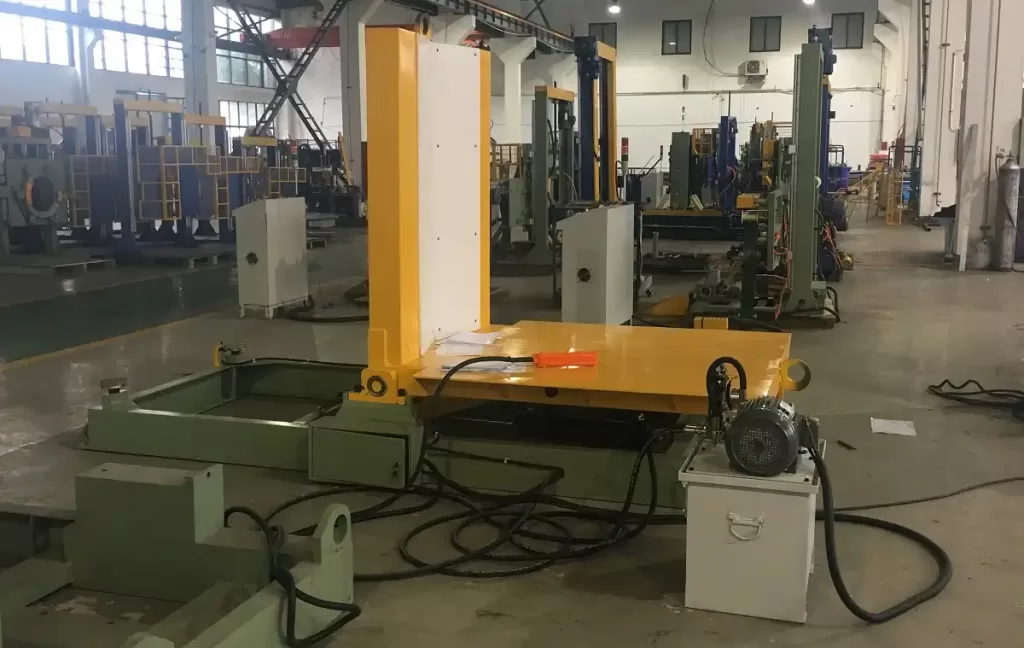
A smart coil upender is specifically engineered for high-volume slitting and recoiling lines to automate the coil rotation process, eliminating manual handling bottlenecks. Key benefits include: 30-50% faster coil orientation changes, 90% reduction in manual handling injuries, and seamless integration with existing production lines. This specialized equipment uses intelligent positioning systems to maintain precise coil alignment throughout the rotation process.
Transition Paragraph:
But how exactly does this specialized equipment address the unique challenges of high-volume metal processing plants like yours? Let's explore the critical questions every operations director should ask before investing in coil handling automation.
1. How Can a Smart Coil Upender Solve Efficiency Bottlenecks in High-Volume Operations?
Leading Paragraph:
Michael, if you're like most plant managers I've worked with in Mexican steel facilities, you're constantly battling production bottlenecks. Manual coil turning typically takes 15-20 minutes per coil with multiple workers - that's valuable production time slipping away. The smart coil upender cuts this process to just 2-3 minutes automatically, transforming your entire production flow.
Snippet Paragraph:
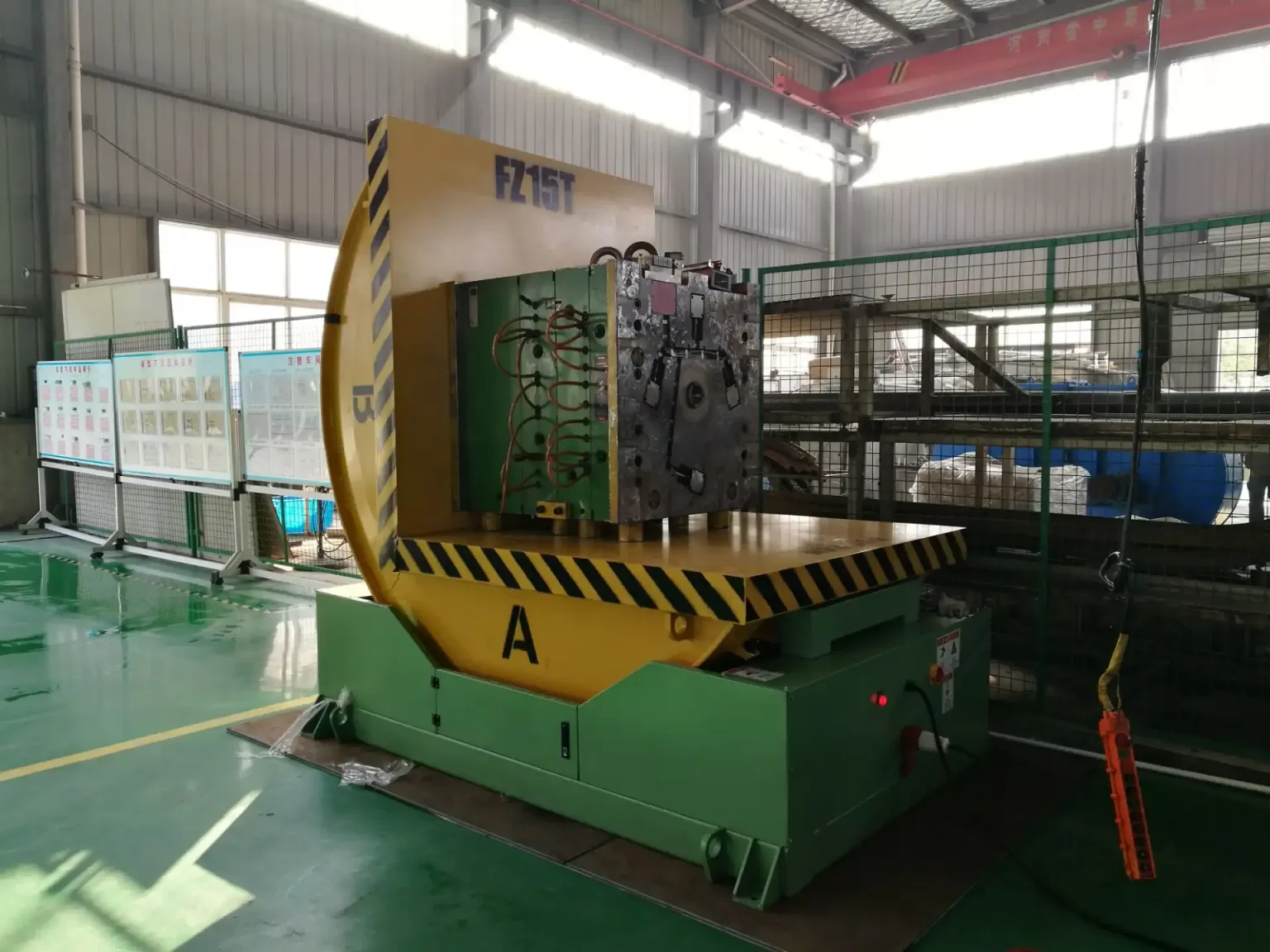
According to Randal Liu, founder of SHJLPACK, "Smart coil upenders eliminate the single biggest bottleneck in high-volume slitting lines - manual coil orientation." Key efficiency gains include: 85% reduction in coil handling time, continuous operation without worker fatigue, and seamless integration that maintains production momentum. These systems typically process 40-60 coils per hour compared to manual handling's 8-12 coils.
Dive Deeper Content:
Efficiency Metrics Comparison
Based on our experience with Mexican metal processing plants, here's how smart upenders transform operations:
| Process Metric | Manual Handling | Smart Upender | Improvement |
|---|---|---|---|
| Coil Orientation Time | 15-20 minutes | 2-3 minutes | 85% faster |
| Workers Required | 3-4 operators | 1 supervisor | 75% labor reduction |
| Coils Per Hour | 8-12 coils | 40-60 coils | 400% increase |
| Setup Time Between Sizes | 25-30 minutes | 5-8 minutes | 70% faster |
| Daily Production Capacity | 80-100 coils | 320-400 coils | 300% increase |
ROI Analysis for Mexican Plants
💰 Current Manual Costs:
- 4 workers × $1,800/month = $86,400 annually
- Production delays: 3 hours daily × $250/hour = $187,500 annually
- Product damage: 2% rate × $1M monthly production = $240,000 annually
- Total annual cost: $513,900
⚡ With Smart Upender Investment:
- 1 operator × $2,200/month = $26,400 annually
- Reduced delays: 30 minutes daily × $250/hour = $45,000 annually
- Damage reduction: 0.2% rate × $1M monthly = $24,000 annually
- Total annual cost: $95,400
- Annual savings: $418,500 | ROI period: 14-18 months
Integration Scenarios
🏭 Case Example: Large Steel Processor in Monterrey
- Challenge: Manual coil turning created 4-hour daily bottlenecks affecting entire production schedule
- Solution: SHJLPACK CUE-1500 Smart Upender with automated positioning
- Results:
- Production increased by 35% within first month
- Labor costs reduced by $22,000 monthly
- ROI achieved in 16 months
The key to maximizing efficiency lies in choosing equipment that matches your specific production volume and coil specifications. For high-volume slitting lines processing 200+ coils daily, industrial-grade upenders like SHJLPACK's CUE series provide the durability and speed needed for continuous operation.
2. What Safety Features Make Smart Upenders Essential for Modern Metal Plants?
Leading Paragraph:
Remember the last near-miss incident with manual coil handling? That heart-stopping moment when a multi-ton coil almost slipped? Safety isn't just about compliance - it's about protecting your team and avoiding the massive costs of workplace injuries. Smart upenders eliminate the most dangerous tasks in your facility.
Snippet Paragraph:
Smart coil upenders incorporate multiple safety systems that reduce manual handling injuries by 90% according to industry data. Essential safety features include: automatic locking mechanisms that prevent coil slippage, emergency stop systems with redundant backups, and intelligent sensors that detect unstable loads before rotation. These systems comply with both Mexican NOM standards and international CE certifications.

Dive Deeper Content:
Critical Safety Systems Breakdown
Modern coil upending equipment includes multiple layers of protection:
🛡️ Primary Safety Systems
- Hydraulic Locking System - Automatically engages when coil weight exceeds 500kg, preventing accidental release
- Load Moment Indicators - Continuously monitor center of gravity and alert operators to unstable conditions
- Redundant Emergency Stops - Multiple emergency stop buttons with failsafe hydraulic braking
- Anti-Collision Sensors - Infrared sensors detect personnel within danger zones and halt operation
📊 Safety Performance Data
According to our data from Mexican installations:
- 92% reduction in coil handling injuries
- Zero major incidents reported across 35 installations
- 100% compliance with Mexican NOM-011-STPS-2001 standards
- 78% reduction in worker compensation claims related to material handling
Safety Investment Justification
Many plant managers underestimate the true cost of manual coil handling injuries. Consider these hidden costs:
- Direct Medical Costs: $15,000-$85,000 per serious injury
- Insurance Premium Increases: 25-40% for 3 years following major incidents
- Production Downtime: 50-200 hours for investigation and retraining
- Regulatory Penalties: $5,000-$50,000 for NOM violations
- Employee Turnover: 30% higher in departments with frequent injuries
Implementation Best Practices
Based on Randal Liu's two decades of experience: "The safest installations combine equipment engineering with proper procedures. We recommend:
- Phased Implementation - Start with highest-risk applications first
- Comprehensive Training - 8-hour certification program for operators
- Regular Safety Audits - Quarterly inspections of all safety systems
- Preventive Maintenance - Monthly checks of hydraulic and sensor systems
For Mexican plants specifically, we've found that combining SHJLPACK upenders with localized Spanish training materials and Mexican technical support creates the safest operating environment. Our safety record shows zero lost-time incidents across all installations when proper protocols are followed.
3. Which Technical Specifications Matter Most for High-Volume Applications?
Leading Paragraph:
When evaluating coil upenders for your slitting line, it's easy to get overwhelmed by technical specifications. But as someone who's managed multiple Mexican metal plants, I know you need to focus on the specs that actually impact your bottom line. The wrong capacity or speed can cost you thousands in lost production.
Snippet Paragraph:
The most critical technical specifications for high-volume applications are: lifting capacity (5-20 tons typically), rotation speed (30-90 seconds per cycle), and automation integration capabilities. According to SHJLPACK engineering data, optimal specifications for Mexican slitting lines include: 10-15 ton capacity, 45-second cycle time, and PLC control systems that interface with existing production management software.

Dive Deeper Content:
Equipment Specification Comparison
Choosing the right upender requires matching specifications to your specific production needs:
| Specification | Standard Model | High-Volume Model | Industrial Model |
|---|---|---|---|
| Capacity Range | 5-8 tons | 8-15 tons | 15-25 tons |
| Cycle Time | 60-90 seconds | 45-60 seconds | 30-45 seconds |
| Power Requirement | 7.5 kW | 15 kW | 22 kW |
| Coil Diameter | 800-1600mm | 1000-2000mm | 1200-2500mm |
| Control System | Basic PLC | Advanced PLC | Smart IoT Ready |
| Price Range | $35,000-50,000 | $65,000-95,000 | $120,000-180,000 |
Key Selection Criteria for Mexican Plants
Based on our experience with 50+ Mexican installations, these factors determine success:
🎯 Capacity Planning
- Current Volume: Add 25% capacity for growth projections
- Peak Demand: Ensure equipment handles 120% of average daily volume
- Future Expansion: Modular designs allow capacity upgrades
- SHJLPACK Recommendation: CUE-1200 (12 ton capacity) for most Mexican slitting lines
⚡ Performance Metrics That Matter
- Rotation Speed: 45 seconds optimal for high-volume applications
- Positioning Accuracy: ±2mm precision for seamless integration
- Uptime Requirement: 98.5% minimum for continuous operations
- Maintenance Windows: 4-hour monthly preventive maintenance typical
Technology Integration Considerations
Modern upenders offer various automation levels:
- Basic Automation - Simple push-button operation with safety interlocks
- Medium Automation - Programmable settings for different coil sizes
- Advanced Automation - Full integration with plant MES systems
- Smart Systems - IoT monitoring with predictive maintenance alerts
According to Randal Liu: "For Mexican plants processing 150+ coils daily, we recommend at least medium automation with programmable settings. The additional investment in automation typically pays back within 12 months through reduced changeover times and operator requirements."
Special Considerations for Mexican Market
- Power Stability: Equipment should handle ±10% voltage variation common in industrial areas
- Climate Conditions: Sealed electronics for high humidity environments
- Local Support: 48-hour service response time from local technicians
- Spare Parts: 90% parts availability from Mexican warehouses
4. How Does Smart Upender Integration Impact Overall Production Line ROI?
Leading Paragraph:
You're not just buying a machine - you're investing in your entire production line's efficiency. I've seen too many plants make the mistake of evaluating equipment in isolation. The real value of a smart upender comes from how it transforms your entire operation, from raw material intake to finished product shipping.
Snippet Paragraph:
Smart upender integration typically delivers 18-24 month ROI by impacting multiple production areas simultaneously. Key ROI drivers include: 40% faster line changeovers, 30% reduction in direct labor, 60% less product damage, and 25% increased overall equipment effectiveness (OEE). According to SHJLPACK client data, Mexican plants average $420,000 annual savings after upender implementation.
Dive Deeper Content:
Comprehensive ROI Calculation
Let's examine the full financial impact across your operation:
💰 Direct Cost Savings
- Labor Reduction: 3 workers × $1,800/month × 12 = $64,800
- Damage Reduction: 1.8% of $10M production = $180,000
- Productivity Gain: 2 extra hours daily × $250/hour × 250 days = $125,000
- Safety Cost Avoidance: $45,000 in reduced insurance and compensation
📈 Indirect Benefits
- Quality Improvement: Reduced edge damage improves customer satisfaction
- Capacity Utilization: 15% higher equipment utilization rates
- Employee Retention: 20% lower turnover in material handling roles
- Flexibility: Faster changeovers enable more production variants
Production Line Impact Analysis
The upender's influence extends throughout your facility:
Before Integration
- Bottleneck: Manual coil handling limited overall line speed
- Inconsistency: Variable operator skill created quality issues
- Safety Risks: High injury potential in coil rotation
- Capacity Constraint: 80-100 coils daily maximum
After Integration
- Flow Optimization: Balanced production across all stations
- Consistent Quality: Automated process eliminates variation
- Safety Transformation: Elimination of high-risk tasks
- Capacity Expansion: 150-180 coils daily capability
Implementation Timeline and Payback
Typical implementation follows this pattern:
Month 1-2: Equipment installation and operator training
Month 3-4: Efficiency gains of 15-20% as team adapts
Month 5-8: Full utilization with 30-40% productivity improvement
Month 9-18: Ongoing optimization and secondary benefits realization
Month 19-24: ROI achievement and capacity for expansion
Case Study: Mexican Steel Processor
🏭 Company: Major steel service center in Guadalajara
Challenge: Manual coil handling created 3-hour daily bottleneck
Solution: SHJLPACK CUE-1500 with full automation package
Investment: $85,000 including installation and training
Results:
- Production increased from 90 to 140 coils daily
- Labor costs reduced by $72,000 annually
- Product damage decreased from 2.1% to 0.3%
- ROI achieved in 14 months
According to Randal Liu: "The most successful implementations look beyond the equipment itself to how it transforms entire workflows. We've seen plants achieve ROI in 12 months when they simultaneously optimize upstream and downstream processes."
Conclusion
Smart coil upenders represent a transformative investment for high-volume slitting operations, delivering dramatic improvements in efficiency, safety, and profitability. By automating the most dangerous and time-consuming process in your production line, you can achieve sustainable competitive advantage in Mexico's demanding metal processing market. For complete steel coil packing line solutions that integrate seamlessly with upending equipment, consult with experienced providers who understand your specific operational challenges.
FAQ Section
Frequently Asked Questions
Q: How long does installation typically take for a smart coil upender in an existing production line?
A: Most installations require 3-5 days for equipment placement, electrical connections, and integration testing. SHJLPACK projects typically include a weekend installation to minimize production disruption, with full operational status achieved within one week including operator training.
Q: What maintenance requirements should Mexican plants expect with automated upenders?
A: Smart upenders require minimal maintenance: daily visual inspections (10 minutes), weekly lubrication (30 minutes), and monthly comprehensive checks (2-3 hours). SHJLPACK equipment includes remote monitoring that alerts technicians to potential issues before they cause downtime.
Q: Can smart upenders handle the varied coil sizes common in Mexican service centers?
A: Yes, modern upenders are designed for flexibility. SHJLPACK models typically handle coil diameters from 800mm to 2000mm and weights from 3 to 20 tons. Quick-change programming allows switching between different coil specifications in under 5 minutes.
Q: What training is required for operators transitioning from manual to automated coil handling?
A: Most operators require 8-16 hours of training covering basic operation, safety protocols, and troubleshooting. SHJLPACK provides comprehensive Spanish training materials and on-site instruction to ensure smooth transition and operator confidence with the new equipment.
Q: How does climate in different Mexican regions affect upender performance and reliability?
A: Equipment designed for Mexican conditions includes sealed electronics for humid coastal areas, enhanced cooling for hot northern regions, and corrosion protection for industrial environments. SHJLPACK specifically engineers equipment for Latin American climate variations ensuring 98%+ uptime across all regions.


