
The Role of Hydraulic Upenders in Automating Your Coil Handling System
Leading paragraph:
Picture this: Your production line is running smoothly until it reaches the final packaging stage. Workers struggle with heavy coils, moving them manually from horizontal to vertical positions. This creates dangerous bottlenecks that slow down your entire operation. Every minute of delay costs you money and increases safety risks for your employees.
Hydraulic upenders are specialized machines that automatically rotate heavy coils from horizontal to vertical positions (or vice versa), eliminating manual handling and creating a seamless, automated workflow in metal processing facilities. These robust machines use hydraulic power to safely lift and rotate heavy loads, integrating perfectly with conveyor systems and other packaging equipment. For factory managers dealing with steel coils and wire rods, hydraulic upenders represent the missing link in achieving full automation from production to shipping.

Transition paragraph:
Now that you understand the basic function of hydraulic upenders, let's explore the specific benefits they bring to metal processing operations. We'll examine how these machines address common challenges in coil handling and why they've become essential equipment in modern manufacturing facilities.
1. How Can Hydraulic Upenders Solve Your Most Critical Coil Handling Problems?
Leading paragraph:
If you're managing a metal processing facility, you likely face daily challenges with coil handling. Manual methods create bottlenecks that affect your entire production timeline. Workers risk injury while struggling with heavy coils, and product damage during handling eats into your profits.
Hydraulic upenders solve critical coil handling problems by automating the rotation process, reducing manual labor by up to 80%, minimizing product damage through controlled movement, and significantly lowering workplace injury risks. These machines provide precise, repeatable coil positioning that manual methods cannot match, ensuring consistent orientation for downstream processes like packaging, storage, and transportation. The automation eliminates human error and variability in handling heavy industrial coils.
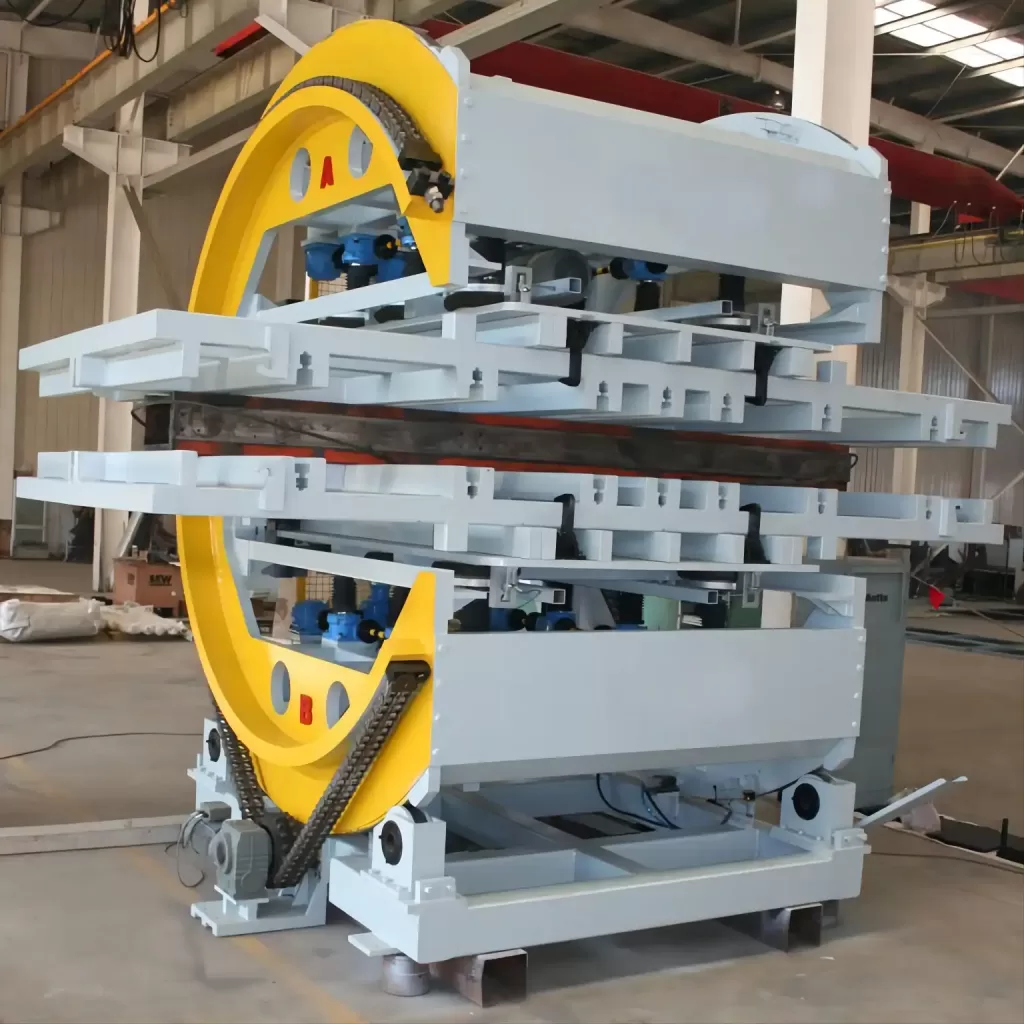
🎯 Specific Problems Solved by Hydraulic Upenders
| Problem | Manual Handling | With Hydraulic Upender |
|---|---|---|
| Labor Requirements | 3-4 workers per shift | 1 operator monitoring |
| Positioning Time | 15-20 minutes per coil | 2-3 minutes per coil |
| Product Damage | High risk of edge damage | Minimal to no damage |
| Safety Incidents | Frequent near-misses | Virtually eliminated |
| Consistency | Variable results | Perfect repetition |
🔧 Technical Advantages in Problem-Solving
- Precision Control: Hydraulic systems provide smooth acceleration and deceleration during rotation, preventing sudden movements that can damage coil edges
- Weight Distribution: Properly designed upenders distribute weight evenly across the coil surface, avoiding pressure points that cause deformation
- Adaptive Positioning: Advanced models can stop at multiple angles, not just horizontal and vertical, for specialized processing requirements
- Integration Capability: Modern upenders connect with existing conveyor systems and packaging equipment, creating a continuous flow
💰 Economic Impact Analysis
The financial benefits extend beyond labor savings. Reduced product damage means fewer customer returns and higher quality ratings. Lower insurance premiums follow improved safety records. Most facilities recover their upender investment within 12-18 months through these combined savings. The equipment pays for itself while making your operation safer and more efficient. (automated coil handling solutions, industrial upender benefits)
2. What Key Features Should You Look for in a Quality Hydraulic Upender?
Leading paragraph:
Not all hydraulic upenders perform equally in demanding industrial environments. Some models struggle with heavy daily use, while others become maintenance nightmares. Choosing the wrong equipment can create more problems than it solves.
The most important features in a quality hydraulic upender include robust construction with high-grade steel, precision hydraulic controls with safety interlocks, customizable rotation capabilities, easy integration with existing systems, and reliable after-sales support from experienced manufacturers. These elements ensure the machine will withstand years of heavy use while maintaining performance and safety standards. Proper feature selection matches your specific coil sizes, weights, and production requirements.
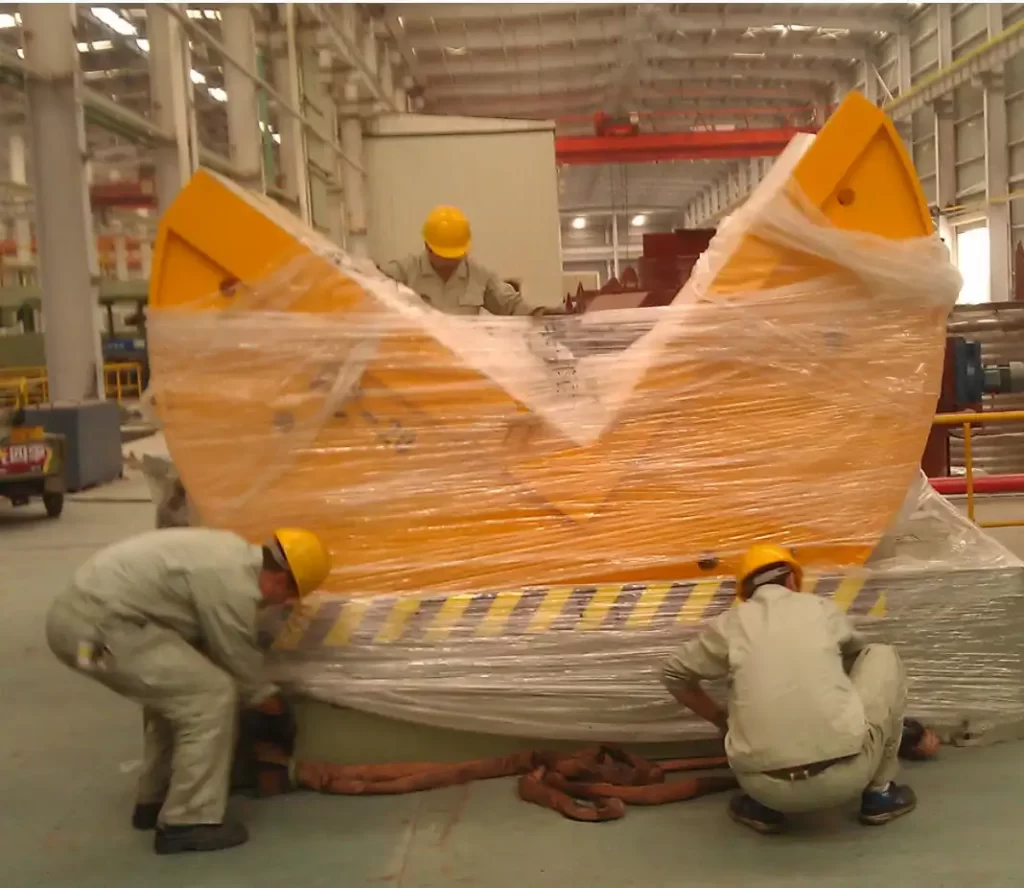
⚙️ Essential Technical Specifications
- Load Capacity: Must exceed your heaviest coils by at least 15% safety margin
- Rotation Speed: Adjustable from 2-8 RPM for different materials
- Power System: Energy-efficient hydraulic pumps with overload protection
- Control Interface: User-friendly with emergency stop buttons at multiple locations
- Safety Features: Mechanical locks, pressure sensors, and anti-slip surfaces
🏭 Manufacturer Comparison
| Feature | Fengding (Recommended) | Wuxi Buhui | Standard Import |
|---|---|---|---|
| Frame Construction | Reinforced steel plate | Standard steel | Variable quality |
| Hydraulic Components | German/Japanese brands | Chinese premium | Mixed sources |
| Warranty Period | 2 years comprehensive | 1 year limited | 6-12 months |
| Technical Support | 24/7 phone and online | Business hours only | Limited availability |
| Customization | Full custom engineering | Limited options | Standard sizes only |
🔍 Selection Checklist
✅ Verify structural integrity - Look for welded frames rather than bolted assemblies
✅ Test control systems - Ensure smooth operation without jerky movements
✅ Review safety certifications - CE, ISO standards for your region
✅ Evaluate service network - Local technical support availability
✅ Check compatibility - Measurements for your facility layout
✅ Request references - Talk to existing customers in similar industries
Fengding upenders typically include advanced features like programmable logic controllers and remote monitoring at no extra cost, while other manufacturers charge premium prices for these capabilities. The initial investment in quality equipment prevents costly downtime and extends the machine's productive lifespan. (hydraulic upender specifications, industrial upender features)
3. How Do You Successfully Integrate Hydraulic Upenders into Existing Production Lines?
Leading paragraph:
Adding new equipment to an established production line can be disruptive if not planned carefully. Workers may resist changes to familiar routines, and technical compatibility issues can create unexpected delays. Poor integration can undermine even the best equipment's potential benefits.
Successful integration of hydraulic upenders requires thorough planning of physical space requirements, electrical and power connections, workflow redesign, operator training programs, and phased implementation to minimize production disruption. The process begins weeks before equipment arrival with detailed layout planning and continues through post-installation optimization. Proper integration transforms the upender from a standalone machine into a seamless component of your material handling system.

📋 Integration Phase Timeline
graph LR
A[Pre-Installation<br/>Planning] --> B[Site Preparation<br/>& Foundation]
B --> C[Equipment Installation<br/>& Connection]
C --> D[System Testing<br/>& Adjustment]
D --> E[Operator Training<br/>& Procedure Updates]
E --> F[Full Operation<br/>& Monitoring]
🚧 Physical Integration Considerations
- Space Allocation: Allow clearance for maintenance access and safety zones
- Foundation Requirements: Concrete specifications for vibration absorption
- Material Flow Path: Position to minimize conveyor additions or modifications
- Utility Connections: Power, hydraulic fluid reservoirs, and control wiring
- Safety Perimeter: Physical barriers or marked floor areas around operation zone
👥 Human Factor Integration
Training programs should address both technical operation and safety procedures. Include:
- Hands-on operation practice with various coil sizes
- Troubleshooting common issues without external assistance
- Emergency response drills for potential failure scenarios
- Preventive maintenance routines to ensure long-term reliability
- Performance monitoring to track integration success metrics
📊 Performance Measurement
Establish baseline metrics before installation and track improvements:
- Throughput time from production completion to ready for shipment
- Labor hours dedicated to coil handling and positioning
- Product damage incidents during handling processes
- Safety incident reports related to material handling
- Energy consumption compared to previous methods
The most successful integrations involve operators in the planning process, addressing their concerns and incorporating their practical knowledge of daily challenges. This collaborative approach ensures smoother adoption and better utilization of the new equipment's capabilities. (production line integration, automated material handling systems)
4. What Return on Investment Can You Realistically Expect from Hydraulic Upenders?
Leading paragraph:
Justifying capital equipment investments requires clear financial analysis. Management teams need concrete numbers showing how the expenditure will improve profitability. Vague promises of "increased efficiency" won't secure budget approval for new hydraulic upenders.
Most metal processing facilities achieve 12-18 month ROI on hydraulic upenders through direct labor reduction (60-70% savings), product damage reduction (3-5% of product value), decreased insurance costs (15-25% premium reduction), and higher throughput capacity (20-30% increase). Additional benefits like improved customer satisfaction, reduced worker compensation claims, and lower recruitment costs for manual laborers further enhance the financial returns beyond the initial payback period.

💵 Direct Cost Savings Breakdown
| Cost Category | Before Upender | After Upender | Annual Savings |
|---|---|---|---|
| Labor Costs | $120,000 (3 workers) | $40,000 (1 operator) | $80,000 |
| Product Damage | $45,000 (3% of value) | $15,000 (1% of value) | $30,000 |
| Insurance Premiums | $60,000 | $48,000 (20% reduction) | $12,000 |
| Worker Compensation | $25,000 (estimated) | $5,000 (actual) | $20,000 |
| Total Direct Savings | $142,000 |
📈 Intangible Benefits Valuation
- Quality Improvement: Consistent handling reduces variation in final product quality
- Capacity Utilization: Faster processing enables higher production volumes without expansion
- Employee Satisfaction: Reduced physical strain decreases turnover and training costs
- Customer Perception: Professional packaging and reliable delivery strengthen relationships
- Competitive Advantage: Faster order fulfillment wins business from slower competitors
🧮 ROI Calculation Example
For a typical Fengding hydraulic upender priced at $85,000:
First Year Financial Impact:
- Direct savings: $142,000
- Equipment cost: $85,000
- Installation and training: $15,000
- Net first-year benefit: $42,000
Payback Period:
- Total investment: $100,000
- Annual savings: $142,000
- Payback: 8.5 months
Five-Year Projection:
- Total savings: $710,000
- Total investment: $100,000
- Net benefit: $610,000
These calculations demonstrate why hydraulic upenders represent one of the highest-return investments available to metal processors today. The combination of direct cost reduction and strategic operational improvements creates compelling business case for automation. (ROI calculation industrial equipment, automation investment payback)
Conclusion
Hydraulic upenders transform coil handling from a bottleneck into a competitive advantage, delivering safety improvements and strong financial returns. For complete automation solutions, explore our integrated steel coil packing line systems.


