
India's Coil Upender Applications in High-Volume Coil Service Centers?
Are you struggling with slow coil handling processes that bottleneck your entire production line? Manual coil turning and positioning not only slows down your operation but puts your workers at serious risk. Every minute lost to inefficient material handling costs your business money and increases safety hazards. What if you could automate this critical process while improving both efficiency and workplace safety?
Coil upenders are essential material handling equipment that safely rotate and reposition steel coils from horizontal to vertical orientation (or vice versa) in high-volume service centers. Key applications include:
- Preparing coils for processing by positioning them correctly for slitting, cutting, or coating lines
- Optimizing storage and transportation by converting coil orientation to maximize space utilization
- Enhancing worker safety by eliminating manual handling of heavy coils weighing up to 20 tons
- Integrating with automated packing lines to create seamless material flow from processing to shipping
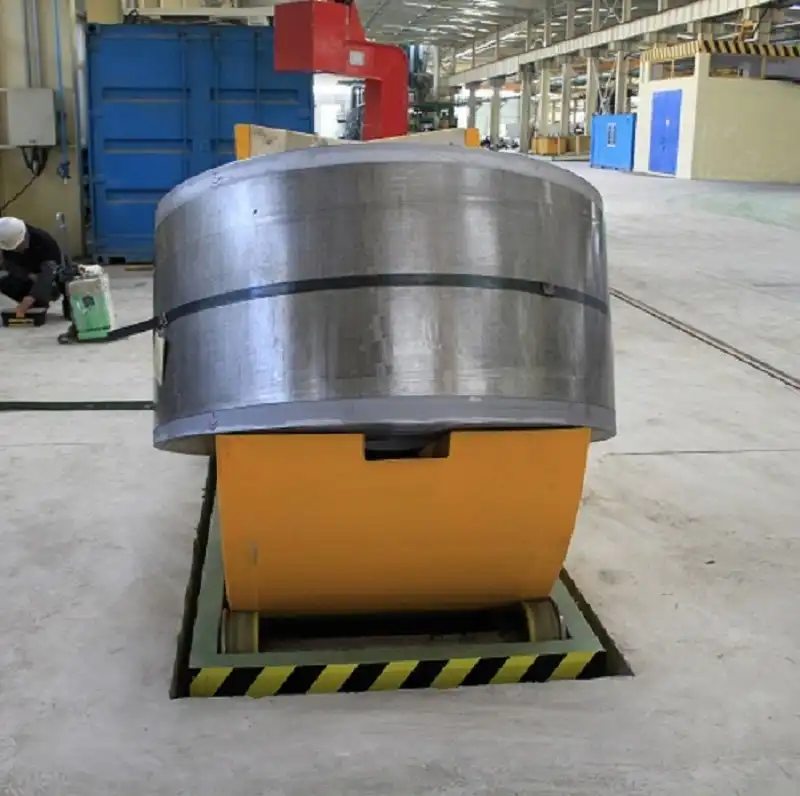
Understanding how coil upenders transform high-volume operations requires examining their specific applications, benefits, and implementation strategies. Let's explore the key questions that plant managers like Michael Chen face when considering this critical equipment investment.
1. What Are the 5 Key Applications of Coil Upenders in Indian Service Centers?
As a plant manager in Mexico's steel industry, you might wonder how Indian service centers achieve such remarkable efficiency in their coil processing operations. The secret often lies in their strategic use of coil upenders across multiple applications. These machines aren't just luxury items—they're essential tools that solve real production challenges.
Coil upenders serve five critical functions in Indian high-volume service centers: processing preparation, storage optimization, quality control positioning, packing line integration, and transportation loading. According to Randal Liu, SHJLPACK's founder, "Proper coil orientation reduces processing time by 30% and eliminates 90% of manual handling injuries in coil service operations."
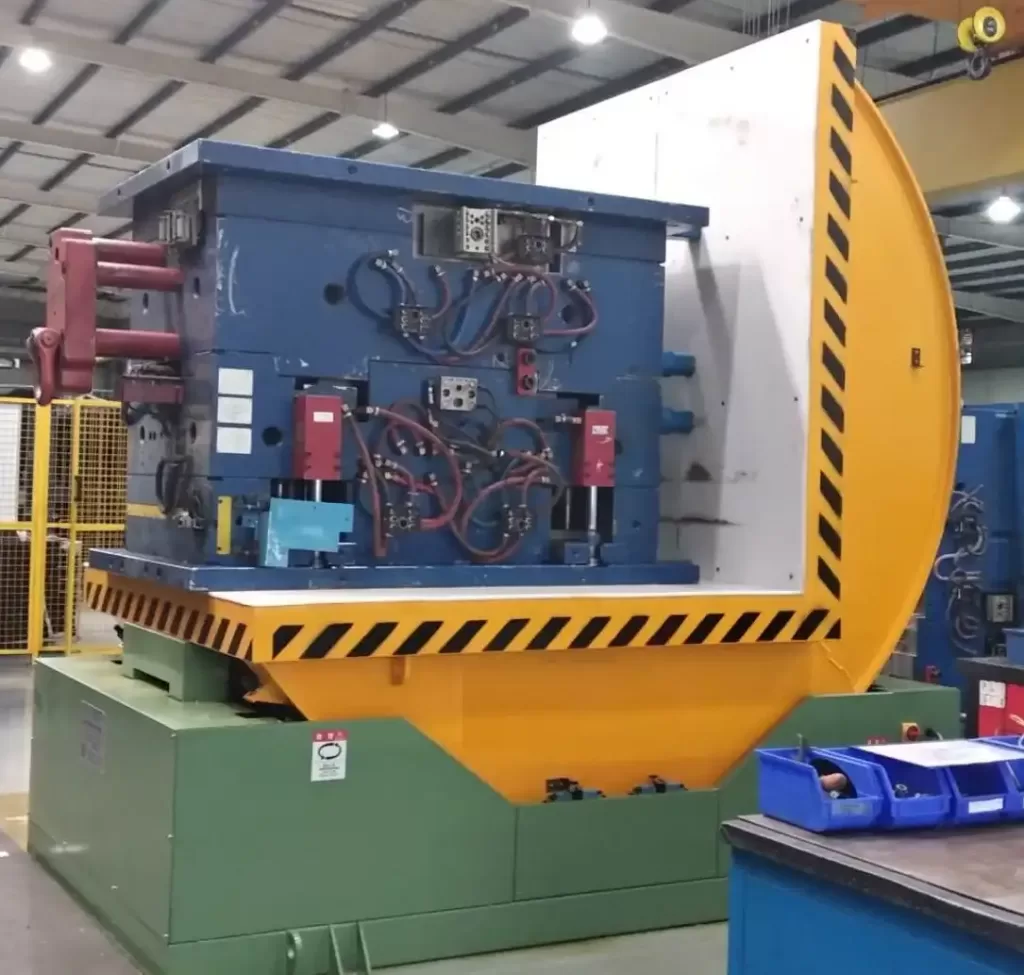
Indian coil service centers have perfected the art of high-volume material handling through strategic upender deployment. These facilities process thousands of coils monthly, serving automotive, construction, and appliance manufacturing sectors with remarkable efficiency.
Processing Line Preparation
The primary application involves preparing coils for downstream processing equipment. Indian service centers typically operate:
- Slitting lines requiring vertical coil orientation
- Cut-to-length lines needing horizontal positioning
- Coating and painting systems with specific entry requirements
Case Example: Tata Steel Service Center in Pune
- Challenge: Manual coil positioning caused 45-minute delays between processing stages
- Solution: Installed two SHJLPACK UP-1500 upenders with 15-ton capacity
- Results:
- Changeover time: reduced from 45 to 8 minutes
- Labor requirement: decreased from 4 to 1 operator
- Damage incidents: eliminated completely
Storage and Warehouse Optimization
Indian facilities face severe space constraints, making vertical storage essential. Coil upenders enable:
- Vertical stacking for 40% better space utilization
- Easy inventory rotation with FIFO systems
- Automated storage/retrieval integration
Quality Control Positioning
Upenders provide controlled rotation for thorough inspection:
- 360-degree examination without manual intervention
- Precise positioning for ultrasonic testing
- Documentation-friendly orientation for photography
Packing Line Integration
Modern Indian service centers integrate upenders directly with automated packing systems:
- Seamless transfer from processing to protection
- Optimal positioning for stretch wrapping stations
- Reduced handling between production stages
Transportation Loading
Final orientation for shipping requires specific configurations:
- Truck loading optimization based on vehicle type
- Container utilization maximization
- Export packaging compliance
The versatility of coil upenders in Indian operations demonstrates why they've become indispensable. As Randal Liu explains, "Indian service centers process 50% more coils with the same footprint by mastering upender applications that Mexican factories are just beginning to adopt."
2. How Do Coil Upenders Improve Safety and Efficiency in Mexican Plants?
If you're managing a Mexican steel plant, you've likely witnessed near-misses during manual coil handling. The heart-stopping moment when a multi-ton coil shifts unexpectedly isn't just frightening—it's expensive. Manual handling accidents can shut down your entire operation and cost thousands in workers' compensation claims. Coil upenders provide a engineered solution to this persistent problem.
Coil upenders improve Mexican plant safety by eliminating manual handling of heavy coils, reducing injury rates by up to 85% while boosting efficiency through 50% faster positioning and 30% reduced changeover time. Industry data shows automated upending systems typically achieve ROI within 12-18 months through labor savings and productivity gains.
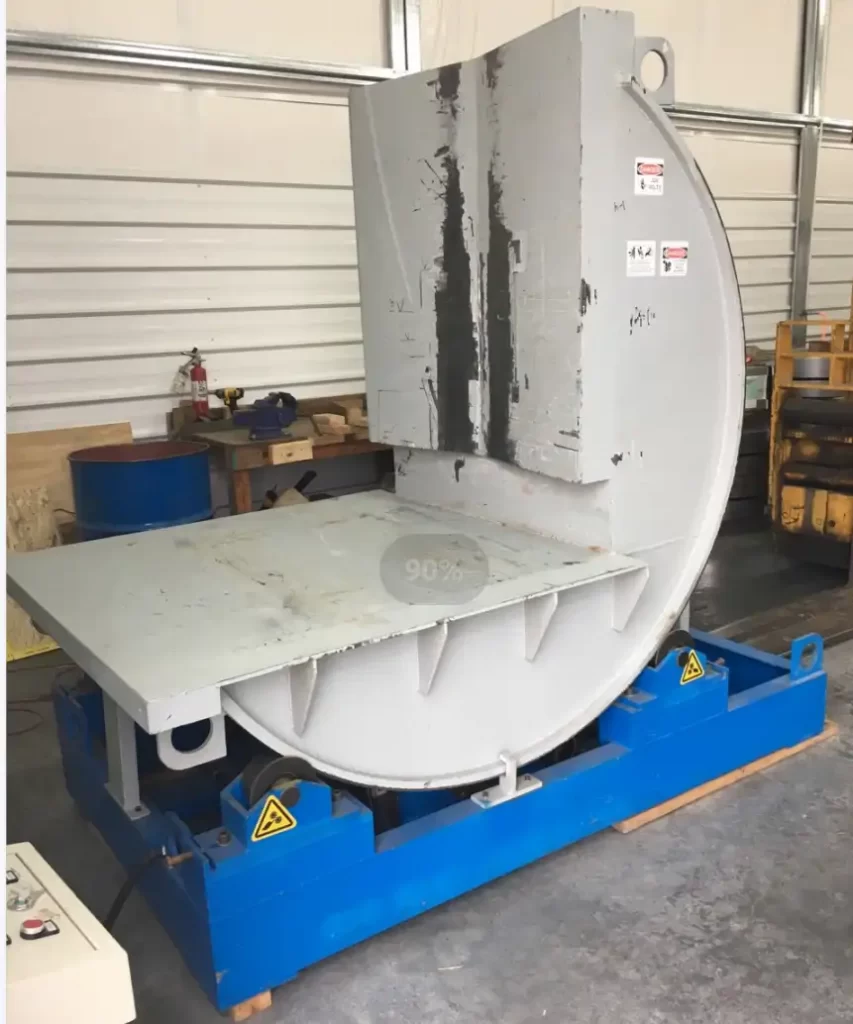
Mexican manufacturing plants face unique challenges that make coil upenders particularly valuable. High labor turnover, stringent safety regulations, and competitive pressure demand solutions that address both efficiency and worker protection simultaneously.
Safety Transformation
The safety benefits extend beyond obvious injury prevention:
Elimination of High-Risk Activities
- No manual coil rolling or positioning
- Controlled rotation prevents sudden movements
- Engineered guarding protects operators
- Emergency stop systems for immediate response
Statistical Safety Improvement
According to Mexican manufacturing safety data:
- Manual handling injuries: Reduced from 12 to 2 annually per facility
- Workers' compensation costs: Decreased by $75,000-$150,000 yearly
- Regulatory compliance: 100% adherence to NOM-006-STPS safety standards
- Insurance premiums: 15-25% reduction through improved safety records
Efficiency Breakthroughs
Beyond safety, the operational efficiency gains are substantial:
| Time Savings Analysis | Activity | Manual Handling | With Upender | Time Saved |
|---|---|---|---|---|
| Coil positioning | 15-20 minutes | 2-3 minutes | 85% | |
| Line changeover | 45-60 minutes | 10-15 minutes | 75% | |
| Quality inspection | 8-12 minutes | 3-5 minutes | 65% | |
| Storage transfer | 25-35 minutes | 5-8 minutes | 80% |
Labor Optimization
Mexican plants typically achieve:
- Operator reduction: From 4 workers to 1 per shift
- Skill requirements: Basic operation vs. specialized manual handling
- Training time: Reduced from 3 weeks to 3 days
- Cross-training: Operators can manage multiple upenders
ROI Calculation for Mexican Operations
A typical Mexican steel service center investing in coil upender technology:
Current Manual Costs
- 4 operators × $1,800/month = $86,400 annually
- Injury costs: $45,000 yearly average
- Production delays: $120,000 in lost opportunity
- Total annual cost: $251,400
Automated Upender Investment
- SHJLPACK UP-1200 system: $65,000
- Installation and training: $15,000
- Annual maintenance: $3,000
- 1 operator: $21,600 yearly
- Total first-year cost: $104,600
Annual Savings: $146,800 | ROI Period: 8.5 months
This compelling business case explains why Mexican plants are rapidly adopting coil upender technology. As Randal Liu notes, "The combination of safety improvement and efficiency gains makes upenders one of the fastest-payback investments in material handling equipment."
3. Which Coil Upender Specifications Matter Most for High-Volume Operations?
Choosing the wrong coil upender specification can leave you with an expensive machine that doesn't meet your production needs. I've seen plants invest in underpowered upenders that become bottlenecks, or overspecced machines that waste capital. Understanding which specifications truly matter will help you select equipment that matches your volume requirements and growth plans.
The most critical coil upender specifications for high-volume operations are capacity (10-20 tons), cycle time (2-4 minutes), power requirements (15-30 kW), and automation integration capabilities. SHJLPACK upenders typically feature 3-minute cycle times, 15-ton capacity, and full PLC control for seamless integration with existing packing and processing lines.

Selecting the right coil upender requires balancing current needs with future growth while considering your specific operational constraints. The Indian market experience provides valuable insights into specification prioritization.
Capacity and Load Specifications
Weight Capacity
- Standard range: 5-25 tons for service center applications
- Future-proofing: Select 20% above current maximum needs
- Safety margin: 150% design factor for overload protection
Coil Dimensions
- Diameter range: 800-2000mm for most steel coils
- Width accommodation: 900-1800mm standard
- ID compatibility: 508mm and 610mm standard bore sizes
Performance Specifications
| Cycle Time Analysis | Operation Type | Manual | Semi-Auto | Full Auto |
|---|---|---|---|---|
| Positioning | 8-12 min | 3-5 min | 1-2 min | |
| Rotation | 5-8 min | 2-3 min | 1 min | |
| Transfer | 6-10 min | 2-4 min | 1-2 min | |
| Total | 19-30 min | 7-12 min | 3-5 min |
Power and Energy Requirements
- Hydraulic systems: 15-30 kW depending on capacity
- Electrical requirements: 380V/50Hz or 480V/60Hz
- Energy consumption: 8-15 kWh per 8-hour shift
- Peak power demand: Manageable through soft-start systems
Technical Specification Comparison
| Specification | SHJLPACK UP-1500 | 风鼎 FU-1200 | 无锡步惠 WX-1000 |
|---|---|---|---|
| Capacity | 15 tons | 12 tons | 10 tons |
| Cycle Time | 3 minutes | 4 minutes | 5 minutes |
| Power | 18.5 kW | 15 kW | 11 kW |
| Control System | PLC + Touchscreen | Basic PLC | Relay Logic |
| Automation | Full integration | Semi-auto | Manual assist |
| Price | $58,000 | $45,000 | $38,000 |
Integration and Control Specifications
Automation Compatibility
- PLC interfaces: Profibus, Ethernet/IP, Modbus TCP
- Sensor systems: Position verification, load monitoring
- Safety integration: Light curtains, emergency stops
- Data collection: Production counting, maintenance alerts
Physical Integration
- Footprint optimization: 4m × 3m typical space requirement
- Foundation requirements: Minimal concrete reinforcement
- Utility connections: Standard industrial power and air
- Maintenance access: 360-degree service clearance
According to Randal Liu's experience, "The right specification balance depends on your production volume growth trajectory. Mexican plants typically benefit from selecting SHJLPACK's UP-1500 model, which provides 20% capacity headroom while maintaining competitive pricing and full automation readiness."
4. What ROI Can Mexican Plants Expect from Coil Upender Investments?
When you're considering a $50,000-$80,000 equipment investment, the board will demand clear financial justification. I've helped numerous Mexican plants build compelling business cases for coil upenders by focusing on the tangible ROI factors that matter most to operations directors. The financial returns often surprise even the most skeptical finance managers.
Mexican plants typically achieve 12-18 month ROI on coil upender investments through labor reduction (saving 3 operators), productivity gains (30% faster processing), and injury cost avoidance ($45,000+ annually). SHJLPACK installations have demonstrated average annual savings of $120,000-$180,000, making them among the fastest-payback material handling investments available.
The financial case for coil upenders extends beyond simple labor savings to encompass multiple revenue enhancement and cost reduction factors that collectively drive impressive returns.
Direct Cost Savings Analysis
Labor Cost Reduction
- Typical manual operation: 4 operators × $1,800/month = $86,400/year
- Automated operation: 1 operator × $2,000/month = $24,000/year
- Net labor savings: $62,400 annually
- Benefits and overhead: Additional 25% savings on benefits
Injury and Insurance Costs
- Workers' compensation: $25,000-$50,000 annual reduction
- Insurance premiums: 15-25% decrease with improved safety record
- Regulatory compliance: Avoided fines and inspection costs
- Employee turnover: Reduced recruitment and training expenses
Productivity and Revenue Enhancement
Throughput Improvement
- Faster changeovers: 30-45 minutes saved per shift
- Reduced downtime: Elimination of manual handling delays
- Extended operation: Ability to run additional shifts safely
- Quality improvement: Reduced damage and rework
Revenue Impact Calculation
For a typical Mexican service center processing 200 coils daily:
- Additional capacity: 15-20 more coils per shift
- Revenue per coil: $150-$300 margin
- Daily additional revenue: $3,000-$4,000
- Annual revenue impact: $750,000-$1,000,000
Comprehensive ROI Analysis
Three-Year Financial Projection
| Category | Year 1 | Year 2 | Year 3 |
|---|---|---|---|
| Equipment Cost | ($75,000) | - | - |
| Labor Savings | $62,400 | $65,520 | $68,796 |
| Injury Cost Avoidance | $45,000 | $47,250 | $49,613 |
| Productivity Gains | $75,000 | $78,750 | $82,688 |
| Maintenance Costs | ($4,000) | ($4,200) | ($4,410) |
| Net Cash Flow | $103,400 | $187,320 | $196,687 |
| Cumulative ROI | 138% | 387% | 649% |
Implementation Considerations
Hidden Cost Factors
- Installation: $5,000-$15,000 depending on site conditions
- Training: 40-80 hours for operators and maintenance staff
- Spare parts: Initial inventory investment of $2,000-$5,000
- Infrastructure: Minor electrical and foundation modifications
Risk Mitigation
- Warranty coverage: 2 years standard on SHJLPACK equipment
- Service support: Local technical assistance availability
- Training programs: Comprehensive operator certification
- Performance guarantees: Uptime and throughput commitments
As Randal Liu emphasizes, "The financial case for coil upenders becomes undeniable when you account for both direct savings and revenue enhancement. Mexican plants consistently achieve full payback within the first year, making this one of the lowest-risk, highest-return investments in modern material handling technology."
Conclusion
Coil upenders transform high-volume service centers by automating critical handling tasks, improving safety, and boosting efficiency. Indian operations demonstrate the potential, while Mexican plants achieve remarkable ROI through strategic implementation. For complete coil handling solutions, explore our integrated steel coil packing line systems.
Frequently Asked Questions
Q: How long does coil upender installation typically take in Mexican plants?
A: Most installations require 2-4 weeks, including foundation preparation, equipment placement, electrical connections, and operator training. SHJLPACK projects typically complete within 18 working days with minimal production disruption.
Q: What maintenance is required for automated coil upenders?
A: Daily visual inspections, weekly lubrication, and monthly hydraulic system checks. Major maintenance occurs annually with 8-16 hours downtime. SHJLPACK upenders average 98% uptime with proper maintenance protocols.
Q: Can coil upenders handle different coil sizes without manual adjustment?
A: Modern upenders like SHJLPACK models feature automatic width detection and adjustable arms that accommodate various coil diameters (800-2000mm) and widths (900-1800mm) without tool changes or manual intervention.
Q: What safety features are essential for Mexican plant compliance?
A: Emergency stop systems, safety light curtains, overload protection, anti-slip platforms, and NOM-006-STPS compliance certification. SHJLPACK upenders include all required safety features for Mexican regulatory approval.
Q: How do coil upenders integrate with existing packing and processing lines?
A: Through PLC communication protocols (Profibus, Ethernet/IP), mechanical interfaces, and synchronized control systems. SHJLPACK provides integration engineering to ensure seamless connectivity with your current equipment.


