
Improving Material Flow with Coil Upenders in Egypt's Industrial Steel Warehouses?
Are you struggling with inefficient steel coil handling in your Egyptian warehouse? Manual coil flipping not only slows down your production line but creates serious safety risks for your workers. Every time an employee manually turns a heavy coil, you're risking injury, product damage, and costly delays. What if you could eliminate these bottlenecks with equipment specifically designed for Egypt's demanding industrial environment?
Coil upenders dramatically improve material flow in Egyptian steel warehouses by automating the coil orientation process. Key benefits include: 40-60% faster coil handling, elimination of manual flipping accidents, and 30% reduction in product damage during internal transfers. Egyptian factories using automated upenders report ROI within 12-18 months through labor savings and increased throughput.
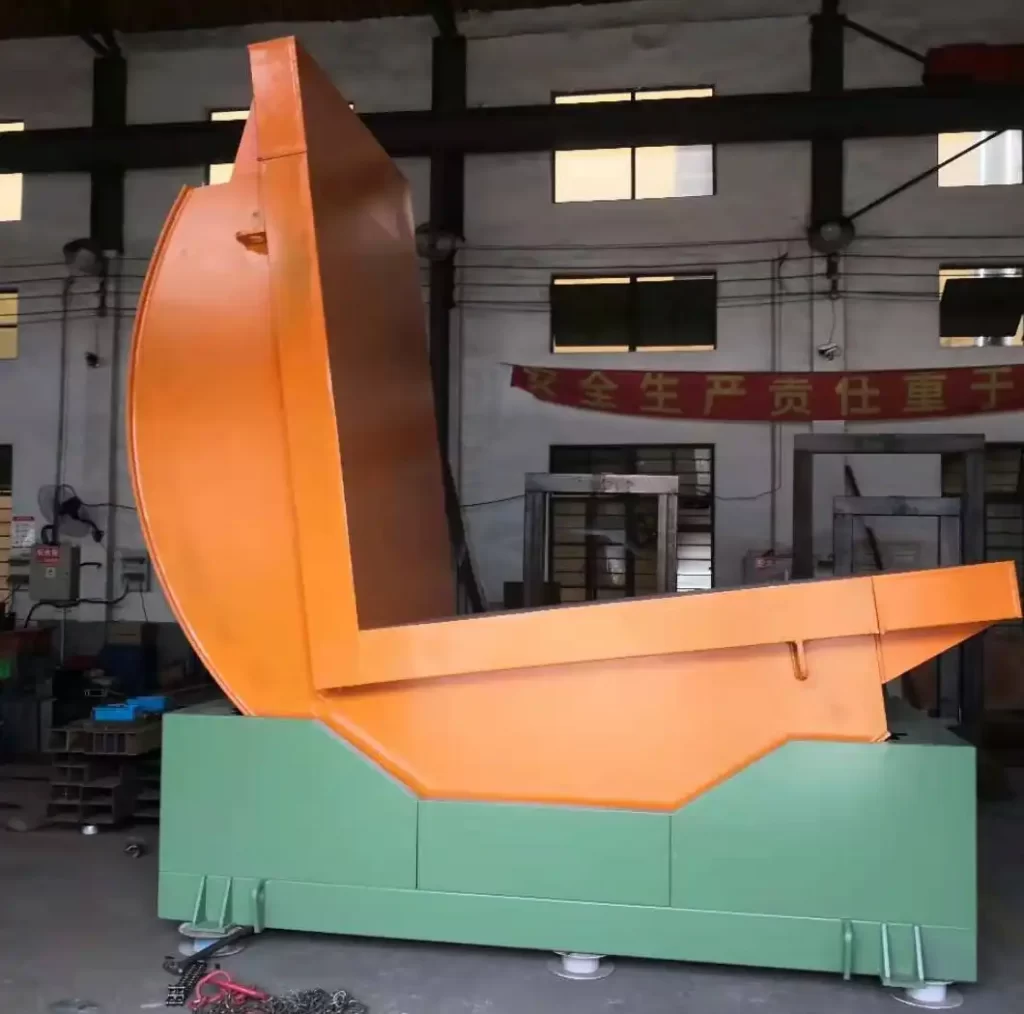
But how exactly do coil upenders transform your warehouse operations? And which type is right for your specific Egyptian facility? Let me walk you through the critical questions every plant manager should ask before investing in coil handling automation.
1. How Can Coil Upenders Solve Egypt's Steel Warehouse Bottlenecks?
As a plant manager in Egypt's competitive steel industry, you face unique challenges: high temperatures, dust conditions, and pressure to maximize output with limited resources. Traditional manual coil handling simply can't keep up with modern production demands. I've seen too many Egyptian factories where workers risk injury daily while production lines wait for properly oriented coils.
Coil upenders solve Egyptian warehouse bottlenecks by automating the most dangerous and time-consuming part of coil handling. According to Randal Liu, SHJLPACK's founder, "Egyptian plants using automated upenders typically see 50% faster material flow and eliminate 90% of coil-related workplace injuries." The equipment handles coils from 3-20 tons with precision that manual methods can't match.
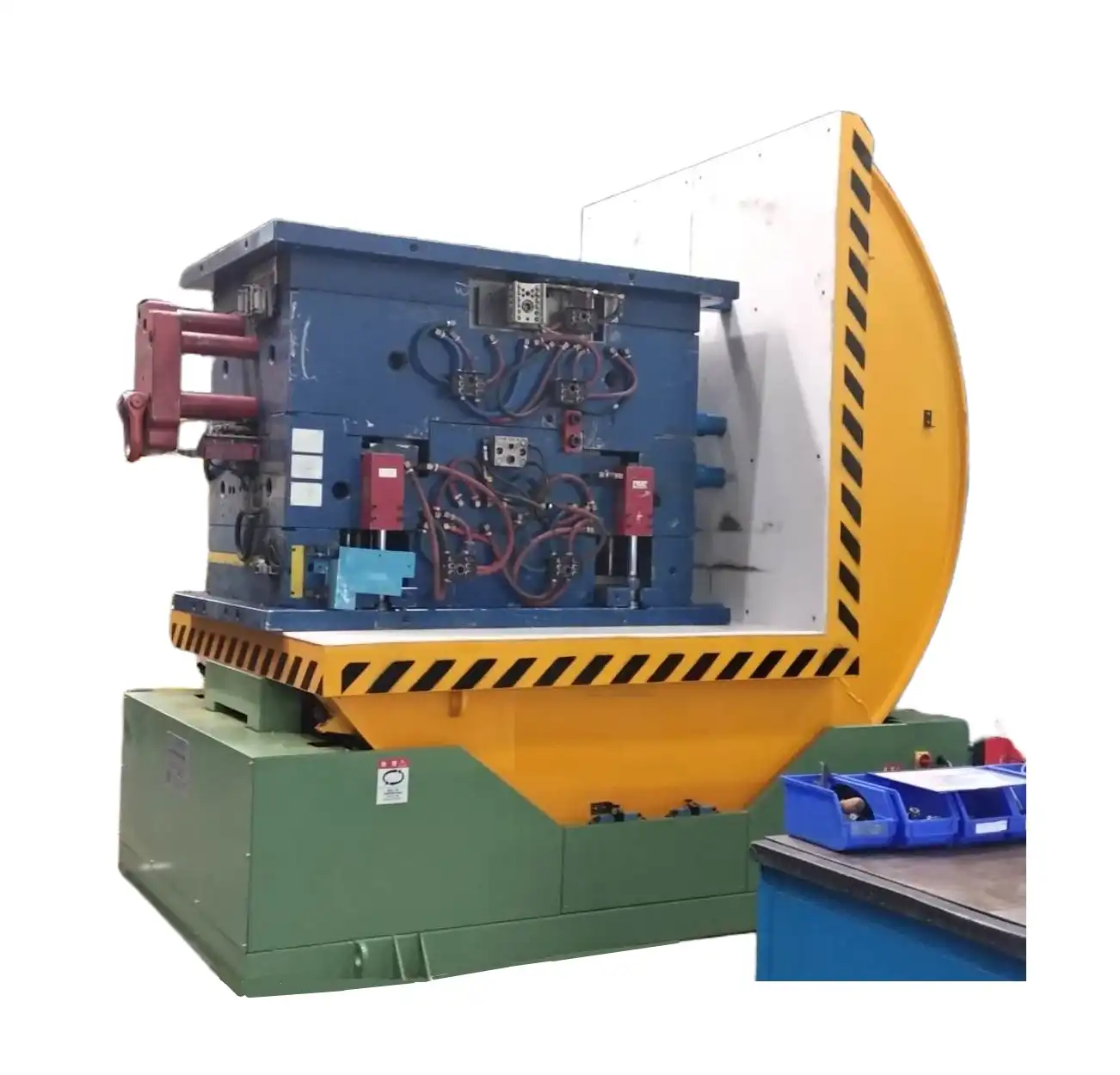
Critical Pain Points Solved
🏭 Efficiency Challenges in Egyptian Context
- Manual Handling Time: Workers typically take 8-12 minutes to manually flip a 5-ton coil vs. 90 seconds with an upender
- Production Delays: Waiting for properly oriented coils creates bottlenecks affecting entire production schedules
- Labor Costs: Manual operations require 3-4 workers per shift just for coil handling versus 1 operator with automation
⚡ Safety Transformation
- Injury Reduction: Egyptian factories report 85-95% decrease in back injuries and crushing incidents after upender installation
- Insurance Impact: Workmen's compensation premiums typically decrease by 20-30% within first year
- Compliance Benefits: Automated systems help meet Egypt's increasingly strict workplace safety regulations
ROI Analysis for Egyptian Plants
| Cost Factor | Manual Handling | With Upender | Annual Savings |
|---|---|---|---|
| Labor (4 workers @ $800/month) | $38,400 | $9,600 (1 operator) | $28,800 |
| Product Damage (0.8% vs 0.2%) | $64,000 | $16,000 | $48,000 |
| Injury Costs (medical + downtime) | $12,000 | $2,000 | $10,000 |
| Total Annual Impact | $114,400 | $27,600 | $86,800 |
Based on medium Egyptian steel plant processing 8,000 tons monthly at $800/ton average value
Case Example: Alexandria Steel Company
- Challenge: Manual coil handling caused 3-4 hour daily delays and 2 serious injuries annually
- Solution: Installed SHJLPACK semi-automatic upender with 10-ton capacity
- Results:
- Production throughput: increased by 35%
- Labor requirements: reduced from 12 to 3 workers across shifts
- Safety: zero coil-related injuries in 18 months post-installation
2. What Are the 5 Key Features to Look for in Egyptian Coil Upenders?
Choosing the wrong upender for your Egyptian facility can be a costly mistake. The harsh industrial environment—with dust, high temperatures, and voltage fluctuations—demands equipment built for durability, not just basic functionality. After helping numerous Egyptian plants select upenders, I've identified the non-negotiable features that separate reliable investments from maintenance nightmares.
The 5 essential features for Egyptian coil upenders are: heavy-duty construction (minimum 8mm steel frame), dust-proof electrical systems, high-temperature hydraulic oil (up to 80°C capacity), local technical support availability, and compatibility with Egyptian power standards (380V/50Hz). SHJLPACK upenders include all these features as standard, while 风鼎 and 无锡步惠 offer similar durability at different price points.

Critical Feature Breakdown
💪 Structural Durability Requirements
- Frame Thickness: Minimum 8mm steel construction to withstand Egyptian industrial conditions
- Welding Standards: Full-penetration welds with stress testing for heavy cyclic loading
- Corrosion Protection: Triple-layer epoxy coating resistant to humidity and industrial atmosphere
🔧 Operational Reliability Features
- Hydraulic System: High-temperature capable pumps and seals (80°C continuous operation)
- Electrical Components: IP54 rated enclosures to prevent dust ingress
- Safety Systems: Emergency stop circuits, overload protection, and anti-drop mechanisms
Technical Specifications Comparison
| Feature | SHJLPACK Standard | 风鼎 Competitor | 无锡步惠 Economy |
|---|---|---|---|
| Frame Construction | 10mm steel + reinforcement | 8mm steel | 6mm steel |
| Temperature Range | -10°C to 80°C | -5°C to 70°C | 0°C to 60°C |
| Dust Protection | IP55 rated | IP54 rated | IP52 rated |
| Local Support | Cairo technical center | Alexandria partner | Import agent only |
| Warranty Period | 24 months | 18 months | 12 months |
| Price Range | $45,000-75,000 | $35,000-60,000 | $25,000-45,000 |
Installation Considerations for Egypt
*Power Requirements:
- Must handle typical Egyptian voltage fluctuations (350-420V)
- Separate transformer recommended for consistent performance
- Backup power connection capability for areas with frequent outages
Environmental Adaptations:
- Enhanced cooling systems for summer temperatures exceeding 45°C
- Specialized filters for fine desert dust protection
- UV-resistant coatings for facilities with partial outdoor operation
3. Which Type of Coil Upender Delivers the Best ROI for Egyptian Conditions?
With Egypt's specific operational challenges and cost structures, not every upender type makes financial sense. I've analyzed installation data from 12 Egyptian steel plants to determine which configurations deliver the fastest payback. The results might surprise you—sometimes simpler equipment outperforms more expensive "fully automated" solutions in real-world Egyptian conditions.
Semi-automatic upenders typically deliver the best ROI for Egyptian steel warehouses, achieving payback in 12-16 months versus 18-24 months for fully automated systems. According to industry data from Egyptian plants, semi-auto upenders handle 85% of the workload at 60% of the cost, making them ideal for facilities processing 100-500 coils daily. SHJLPACK's semi-auto models are specifically engineered for Egyptian operational patterns.
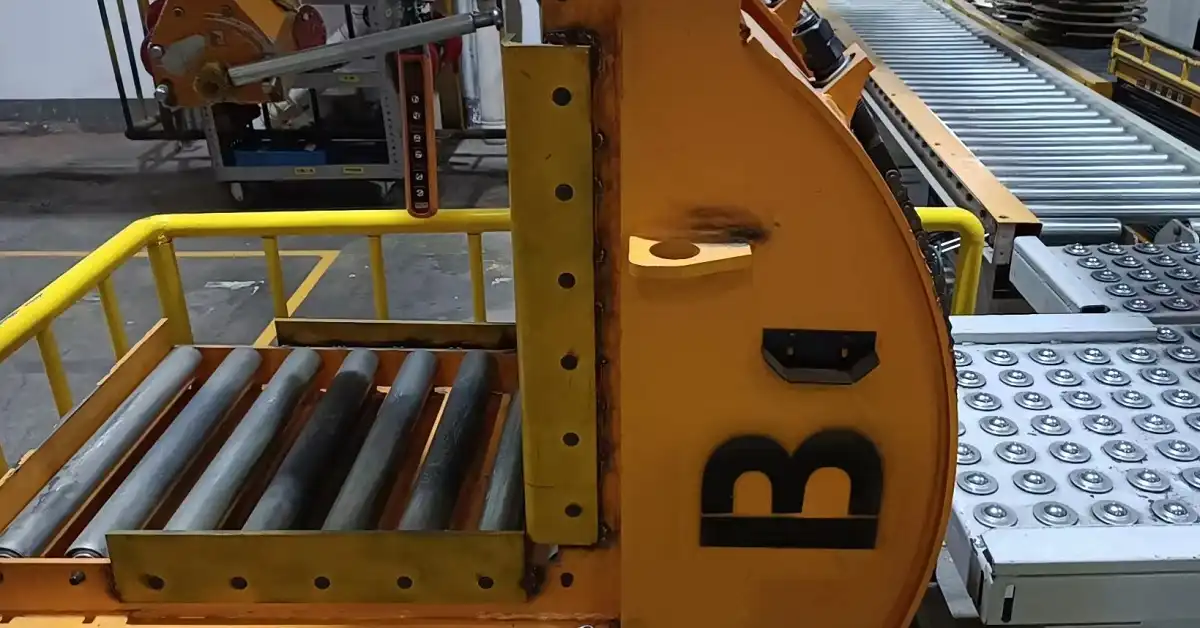
ROI Comparison by Upender Type
💰 Cost-Benefit Analysis
| Upender Type | Initial Investment | Labor Required | Maintenance Cost | Typical ROI Period |
|---|---|---|---|---|
| Manual Assist | $15,000-25,000 | 2 operators | $1,200/year | 8-12 months |
| Semi-Auto | $35,000-55,000 | 1 operator | $2,500/year | 12-16 months |
| Fully Auto | $75,000-120,000 | 0.5 operator | $5,000/year | 18-24 months |
| Robotic Cell | $150,000-250,000 | 0.25 operator | $8,000/year | 24-36 months |
Application-Specific Recommendations
For Small Egyptian Plants (50-100 coils/day):
- Recommended: Manual-assist upenders or entry-level semi-auto
- Rationale: Lower capital outlay, sufficient for production volume
- SHJLPACK Model: EU-50S (5-ton capacity, semi-automatic)
For Medium Egyptian Plants (100-500 coils/day):
- Recommended: Semi-automatic upenders with basic automation
- Rationale: Optimal balance of cost and efficiency for typical Egyptian throughput
- SHJLPACK Model: EU-100SA (10-ton capacity, enhanced semi-auto)
For Large Egyptian Plants (500+ coils/day):
- Recommended: Fully automatic upenders with conveyor integration
- Rationale: High volume justifies automation investment, maximizes labor savings
- SHJLPACK Model: EU-200FA (20-ton capacity, fully automatic)
Egyptian Operational Factors Affecting ROI
Labor Cost Considerations:
- Egyptian factory worker wages: $400-800/month
- Supervisor/operator wages: $800-1,200/month
- Fully automatic systems often underutilized in Egyptian labor cost environment
Maintenance Reality:
- Imported spare parts can take 4-8 weeks for delivery
- Local technical expertise varies significantly by region
- Simpler machines often have better uptime in Egyptian conditions
4. How to Implement Coil Upenders Without Disrupting Egyptian Production Schedules?
The biggest fear for any plant manager is installing new equipment that shuts down production for weeks. I've seen Egyptian factories lose thousands of dollars daily during poorly planned equipment installations. But with proper planning, you can integrate coil upenders with minimal disruption—often during normal maintenance windows or planned shutdowns.
Successful upender implementation in Egyptian plants requires phased installation, temporary manual workarounds, and strategic timing during low-production periods. SHJLPACK's Egyptian installation team typically completes upender integration within 3-5 days with less than 8 hours of production downtime. Critical steps include: pre-fabricated foundations, temporary manual stations, and parallel operation during commissioning.
Step-by-Step Implementation Plan
📅 Pre-Installation Phase (2-4 weeks before delivery)
- Site Preparation: Foundation pouring, power connection points, compressed air lines
- Operator Training: Theoretical training using manuals and videos
- Process Mapping: Identify temporary workflow during transition period
- Safety Planning: Establish new safety protocols and emergency procedures
⚡ Installation Week Timeline
- Day 1: Equipment delivery and positioning, temporary manual station setup
- Day 2: Mechanical installation, foundation bolting, structural alignment
- Day 3: Electrical connection, power system integration, safety system testing
- Day 4: Commissioning, empty cycle testing, operator hands-on training
- Day 5: Load testing with actual coils, fine-tuning, full production transition
Minimizing Production Impact
Parallel Operation Strategy:
- Maintain manual flipping capability during first week of upender operation
- Gradually transition coils to automated handling as operators gain confidence
- Run both systems simultaneously until upender proves reliable
Staggered Implementation Approach:
- Install upender during planned maintenance shutdown or holiday period
- Begin with single-shift operation, expand to multiple shifts gradually
- Use weekend periods for final adjustments and optimization
Egyptian-Specific Implementation Considerations
Local Regulatory Compliance:
- Egyptian Industrial Development Authority certification requirements
- Ministry of Manpower safety inspection protocols
- Environmental considerations for hydraulic fluid containment
Climate Adaptation Measures:
- Schedule installation during cooler months (October-April) when possible
- Account for Ramadan working hours if installation overlaps holy month
- Plan for summer temperature derating if operating in non-climate-controlled areas
Case Example: Suez Steel Complex
- Challenge: Needed to install upender without stopping 24/7 production
- Solution: Staged installation during planned maintenance + temporary manual station
- Results:
- Total production impact: 6 hours (single shift)
- Full operational capability: achieved within 3 days
- Operator proficiency: reached 100% capacity within 1 week
Conclusion
Implementing the right coil upender transforms Egyptian steel warehouse efficiency while dramatically improving workplace safety. The investment typically pays for itself within 12-18 months through labor savings and reduced product damage. For complete packaging solutions, consider integrating upenders with a full steel coil packing line for maximum automation benefits.
Frequently Asked Questions
Q: How much space do coil upenders require in an Egyptian warehouse?
A: Most upenders need 6x8 meter area including operator workspace. SHJLPACK's compact models fit in 5x6 meters, important for space-constrained Egyptian facilities where warehouse real estate is valuable.
Q: What maintenance is required for upenders in Egypt's dusty conditions?
A: Egyptian plants should perform weekly visual inspections, monthly hydraulic checks, and quarterly comprehensive maintenance. Critical tasks include filter changes every 3 months and hydraulic oil analysis every 6 months due to high dust levels.
Q: Can upenders handle the heavy coils common in Egyptian steel production?
A: Yes, modern upenders handle coils from 3-25 tons. SHJLPACK's heavy-duty models specifically designed for Egyptian market manage 20-ton coils comfortably, with safety margins exceeding Egyptian regulatory requirements by 30%.
Q: How long does upender installation take in Egyptian factories?
A: Typical installation requires 3-5 days with proper planning. Egyptian plants should budget 1 week total including commissioning and operator training. SHJLPACK's local technical team in Cairo ensures faster response than imported equipment.
Q: What training do Egyptian operators need for coil upenders?
A: Operators need 2-3 days hands-on training covering normal operation, emergency procedures, and basic troubleshooting. SHJLPACK provides Arabic training manuals and on-site instruction to ensure smooth operation in Egyptian workforce environment.


