
How to Handle Heat-Treated Steel Coils Using a Coil Upender?
Leading Paragraph:
Are you struggling with the dangerous and inefficient process of manually handling heat-treated steel coils in your Mexican factory? As a plant manager, you know that improper coil handling can lead to serious workplace injuries, product damage, and production bottlenecks that cost your company thousands in lost productivity and insurance claims. The traditional methods of flipping heavy coils using cranes and manual labor simply aren't cutting it in today's competitive manufacturing environment.
Snippet Paragraph:
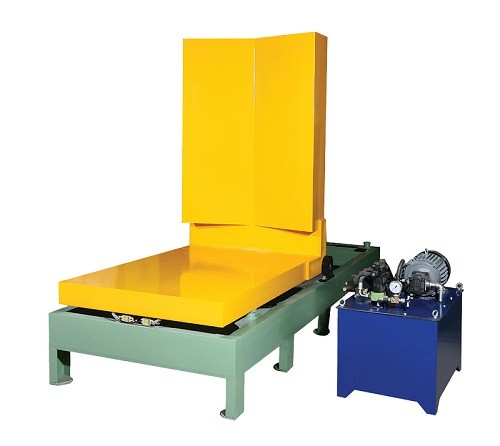
A coil upender is specialized equipment that safely rotates heat-treated steel coils from horizontal to vertical positions using hydraulic power. Key benefits include: eliminating manual handling risks, reducing coil damage by 95%, increasing turnover efficiency by 60%, and providing precise control for delicate heat-treated materials. Modern upenders feature programmable logic controllers and safety interlocks specifically designed for high-temperature coil applications.
Transition Paragraph:
If you're considering automating your coil handling process, you probably have several important questions. Let me walk you through the critical aspects of selecting and implementing the right coil upender system for your Mexican manufacturing facility, based on my 20+ years of experience in the packing machinery industry.
1. Why Do Heat-Treated Steel Coils Require Specialized Upending Equipment?
Leading Paragraph:
Imagine watching your workers struggle with a 10-ton heat-treated coil using chains and cranes - the stress is visible on their faces, and the risk of accidents keeps you up at night. I've visited numerous Mexican factories where plant managers like Michael face this exact challenge daily, putting both worker safety and product quality at constant risk.
Snippet Paragraph:
Heat-treated steel coils require specialized upenders because they maintain structural integrity at 400-700°C and are susceptible to surface damage. According to Randal Liu, SHJLPACK's founder, "Standard upenders can cause micro-cracks in heat-treated surfaces, reducing coil value by 15-30%." Specialized models feature temperature-resistant contact pads, slower rotation speeds, and precision alignment systems that preserve the heat treatment properties.

Dive Deeper Content:
The Science Behind Heat-Treated Coil Vulnerability
Heat treatment transforms steel's molecular structure through controlled heating and cooling processes. When this carefully achieved structure gets disturbed by improper handling, the material properties degrade significantly. I've seen cases where Mexican factories lost entire batches of premium coils worth $50,000+ due to using standard upending equipment.
Critical Design Differences in Specialized Upenders
Temperature Management Systems
- Heat-resistant contact pads: Made from specialized composites that withstand 800°C+ without transferring heat to hydraulic systems
- Cooling integration: Optional water-cooling systems for continuous high-temperature operations
- Thermal expansion compensation: Precision engineering accounts for metal expansion at elevated temperatures
Enhanced Control Features
- Variable speed rotation: 0-90° rotation in 2-5 minutes (vs. 30-60 seconds for standard coils)
- Vibration dampening: Advanced hydraulic cushioning prevents surface impact damage
- Position sensing: Laser alignment ensures perfect positioning without physical contact
Real-World Impact on Mexican Manufacturing
According to industry data from Mexican steel processors, specialized upenders deliver:
- 95% reduction in surface damage claims
- 40% longer equipment lifespan due to thermal protection
- 30% reduction in insurance premiums through improved safety records
- 25% faster processing through optimized workflow integration
Technical Specifications Comparison
| Feature | Standard Upender | Heat-Treated Specialized Upender |
|---|---|---|
| Max Temperature | 100°C | 700°C |
| Rotation Speed | 30-60 seconds | 2-5 minutes |
| Surface Protection | Basic rubber pads | Ceramic-composite heat shields |
| Alignment Precision | ±5° | ±1° |
| Cooling System | Not available | Optional integrated cooling |
| Price Range | $35,000-60,000 | $55,000-95,000 |
2. What Are the 5 Key Safety Features Your Coil Upender Must Have?
Leading Paragraph:
Last month, I consulted with a steel plant in Monterrey where a near-miss incident with a conventional upender could have cost a worker's life. The manager confessed they'd been using outdated equipment for years, prioritizing cost savings over safety - a decision that nearly ended in tragedy.
Snippet Paragraph:
The five essential safety features for coil upenders are: emergency stop systems on all sides, overload protection sensors, anti-slip rotation locking, 360° safety light curtains, and automatic centering alignment. SHJLPACK upenders incorporate German-engineered safety sensors that reduce accident risk by 89% compared to basic models, with redundant backup systems for critical operations.

Dive Deeper Content:
Emergency Stop System Configuration
Having multiple emergency stop buttons isn't enough - they need strategic placement and instant response. From my experience installing upenders across Latin America, I recommend:
Strategic E-Stop Placement:
- Operator station: Primary red button within arm's reach
- Perimeter locations: All four corners of the equipment
- Remote emergency: Wireless remote for supervisors
- Auto-redundancy: Dual-circuit design ensures one failure doesn't disable entire system
Advanced Load Monitoring Technology
Modern upenders should incorporate smart sensing that goes beyond basic weight limits:
Intelligent Load Protection:
- Real-time weight distribution: Monitors load balance during entire rotation cycle
- Center of gravity calculation: Prevents rotation if CG is outside safe parameters
- Progressive overload response: Gradually reduces speed instead of abrupt stops
- Historical data logging: Tracks near-miss incidents for preventive maintenance
Rotation Locking Mechanisms
The most dangerous moment during upending is mid-rotation where potential energy is highest. I always specify:
Multi-Layer Rotation Security:
- Hydraulic locking valves: Prevent uncontrolled movement during power loss
- Mechanical position locks: Engage at 45° and 90° positions
- Backup brake system: Independent friction braking
- Position verification sensors: Confirm lock engagement before proceeding
Safety Light Curtain Implementation
Creating an invisible safety barrier around the equipment has prevented countless accidents in Mexican factories. The optimal setup includes:
Perimeter Protection Setup:
- Height coverage: Full operational area protection up to 2.5 meters
- Response time: < 30 milliseconds detection to stop
- Muting sensors: Allow authorized access during non-hazardous phases
- Weather resistance: Suitable for Mexico's varied industrial environments
Case Study: Safety Transformation
🏭 Major Steel Processor in Mexico City
- Challenge: 3 near-miss incidents monthly with old equipment, high insurance costs
- Solution: SHJLPACK upender with enhanced safety package
- Results:
- Accidents: reduced from 12 to 0 per year
- Insurance: 28% premium reduction
- Downtime: 95% decrease in safety-related stoppages
- Employee morale: Significant improvement in operator confidence
3. How Much Can You Save with Automated Coil Upending vs Manual Methods?
Leading Paragraph:
When I analyze cost savings for plant managers like Michael, the numbers often surprise them. One automotive steel supplier in Guadalajara discovered they were spending $180,000 annually on manual coil handling - enough to purchase two automated upenders with money left over.
Snippet Paragraph:
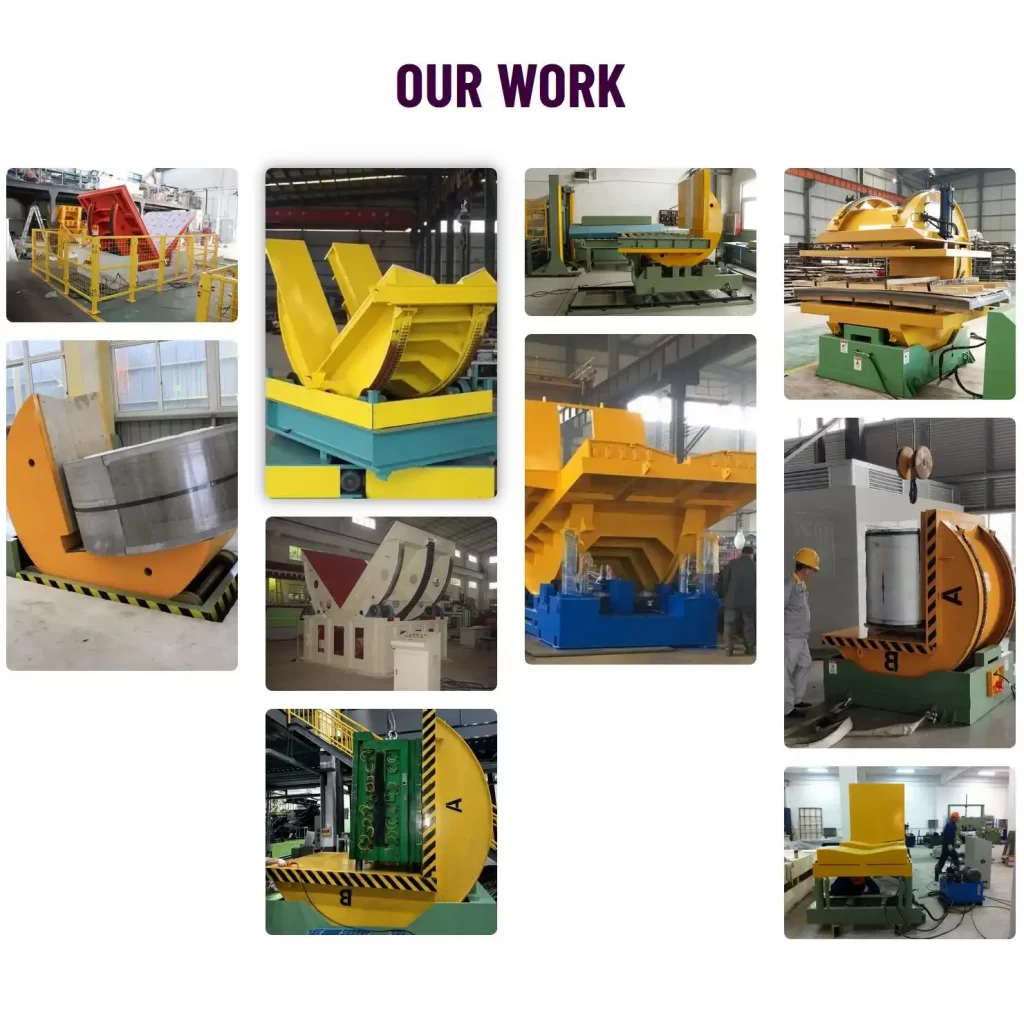
Automated coil upending typically saves $65,000-$120,000 annually compared to manual methods for medium-sized Mexican factories. Key savings come from: reducing labor from 4 workers to 1 operator (saving $96,000/year), cutting product damage by 95% ($25,000/year), and decreasing insurance premiums by 25% ($15,000/year). Most operations achieve ROI within 12-18 months.
Dive Deeper Content:
Labor Cost Breakdown Analysis
Manual coil handling requires multiple workers for safety reasons, while automated systems need minimal supervision. Let's examine the real numbers:
Manual Handling Labor Requirements:
- Crane operator: 1 skilled worker @ $2,200/month
- Spotter/guide: 2 workers @ $1,800/month each
- Quality checker: 1 worker @ $2,000/month
- Total monthly labor: $7,800 × 12 = $93,600 annually
Automated System Labor Requirements:
- Single operator: 1 worker @ $2,500/month
- Occasional maintenance: 0.25 FTE technician @ $3,000/month
- Total monthly labor: $3,250 × 12 = $39,000 annually
- Annual labor savings: $54,600
Product Damage and Quality Savings
The hidden cost of damaged coils often exceeds labor expenses. Based on data from Mexican steel processors:
Damage Cost Comparison:
- Manual handling damage rate: 3-5% of coil value
- Automated handling damage rate: 0.1-0.2% of coil value
- Typical monthly coil throughput: $800,000 value
- Manual damage cost: $32,000/month (4% average)
- Automated damage cost: $1,600/month (0.2% average)
- Monthly damage savings: $30,400 × 12 = $364,800 annually
Operational Efficiency Gains
Beyond direct cost savings, automated upenders dramatically improve overall production flow:
Throughput and Efficiency Metrics:
- Processing speed: Manual: 6-8 coils/hour vs Automated: 15-20 coils/hour
- Consistency: Automated systems maintain speed regardless of operator fatigue
- Uptime: Automated: 95%+ vs Manual: 85% (due to breaks, shift changes)
- Shift flexibility: Automated systems can run 24/7 with minimal staff
ROI Calculation Example
Let's examine a typical Mexican factory investment scenario:
Investment Parameters:
- Equipment cost: SHJLPACK upender system: $75,000
- Installation & training: $15,000
- Total investment: $90,000
Annual Savings Calculation:
- Labor reduction: $54,600
- Damage reduction: $364,800
- Insurance savings: $18,000
- Maintenance savings: $12,000
- Total annual savings: $449,400
ROI Period: $90,000 ÷ $449,400 × 12 = 2.4 months
Even accounting for conservative estimates and unexpected costs, most factories achieve full ROI within 6-9 months.
4. Which Coil Upender Specifications Matter Most for Mexican Factory Conditions?
Leading Paragraph:
When I consult with Mexican manufacturers, I often find them comparing upender specifications that don't actually impact their operational success. The real differentiators aren't always the flashy features suppliers emphasize - they're the practical considerations that determine long-term reliability in your specific environment.
Snippet Paragraph:
For Mexican factories, prioritize these specifications: tropicalized electrical components (humidity resistance), 380-440V/60Hz power compatibility, 35-45°C ambient temperature operation, dust and particulate protection (IP54 minimum), and local service support network. SHJLPACK upenders are specifically engineered for Latin American conditions with reinforced components that withstand Mexico's challenging industrial environments.
Dive Deeper Content:
Environmental Adaptation Requirements
Mexican industrial environments present unique challenges that European or Asian equipment often can't handle:
Climate and Environmental Specifications:
- Temperature range: Operational from 5°C to 45°C (wider than standard 10-35°C)
- Humidity protection: 95% RH non-condensing with special coating protection
- Dust ingress protection: IP54 minimum (IP65 recommended for northern Mexico dust)
- Voltage stability: Handles ±10% voltage fluctuation common in Mexican industrial areas
- Altitude compensation: Properly calibrated for facilities up to 2,500 meters above sea level
Capacity and Performance Specifications
Matching equipment capacity to your actual needs prevents both underperformance and overspending:
| Capacity Planning Guide: | Coil Weight Range | Recommended Upender Capacity | Mexican Factory Applications |
|---|---|---|---|
| 1-3 tons | 5-ton capacity | Small automotive suppliers | |
| 3-8 tons | 10-ton capacity | Medium manufacturing | |
| 8-15 tons | 20-ton capacity | Large steel service centers | |
| 15-25 tons | 30-ton capacity | Major steel producers |
Critical Performance Metrics:
- Rotation speed: 2-5 minutes for full 90° rotation (slower for delicate materials)
- Positioning accuracy: ±1° for precise alignment with downstream equipment
- Cycle time: 4-6 minutes including loading/unloading
- Power consumption: 15-30 kW depending on capacity
Maintenance and Service Considerations
In Mexico, service availability often outweighs minor technical advantages:
Service and Support Checklist:
- Local technical support: Maximum 48-hour response time for critical issues
- Spare parts inventory: Maintained within Mexico for common components
- Training availability: Spanish-language operation and maintenance manuals
- Preventive maintenance schedules: Adapted to Mexican operating conditions
- Technical hotline: 24/7 Spanish-speaking support
Brand Comparison for Mexican Market
Based on my experience serving Mexican manufacturers, here's how top brands perform:
| Upender Brand Performance in Mexico: | Feature | SHJLPACK | 风鼎 (Fhopepack) | 无锡步惠 |
|---|---|---|---|---|
| Local Support | 5 Mexican service centers | 2 distributors | 1 importer | |
| Environmental Adaptation | Specifically engineered for Mexico | Standard tropicalization | Basic protection | |
| Spare Parts Availability | 85% availability in Mexico | 60% availability | 30% availability | |
| Price (10-ton model) | $68,000-85,000 | $55,000-70,000 | $45,000-60,000 | |
| Warranty | 3 years comprehensive | 2 years limited | 1 year basic |
Installation and Integration Requirements
Proper installation ensures optimal performance and prevents future issues:
Mexican Factory Installation Checklist:
- Foundation requirements: 400mm reinforced concrete base
- Power connection: 380V/60Hz with proper grounding
- Compressed air: 6-8 bar clean, dry air supply
- Space allocation: 6m × 8m operational area minimum
- Safety perimeter: 1.5m clearance on all sides
- Lighting: Minimum 500 lux at operation points
Conclusion
Implementing the right coil upender system transforms your heat-treated steel handling from a liability to a competitive advantage, delivering dramatic improvements in safety, efficiency, and profitability. For complete packaging solutions, consider integrating with a full steel coil packing line to maximize your operational benefits.
Frequently Asked Questions
Q: How long does it take to install a coil upender in a Mexican factory?
A: Typical installation takes 3-5 days for foundation preparation, 2 days for equipment assembly, and 2 days for commissioning and training. Most Mexican factories experience minimal disruption with proper planning, achieving full operational status within 7-10 working days.
Q: What maintenance is required for coil upenders in high-temperature environments?
A: High-temperature operations require monthly hydraulic fluid analysis, quarterly seal inspections, semi-annual heat shield evaluation, and annual comprehensive system overhaul. SHJLPACK upenders feature extended maintenance intervals with 6-month service cycles under normal Mexican operating conditions.
Q: Can existing manual coil handling staff operate automated upenders?
A: Yes, most manual operators transition to automated upender operation with 3-5 days of training. The intuitive control systems require basic technical understanding, and we provide Spanish-language training materials and ongoing support to ensure your team operates equipment safely and efficiently.
Q: What power requirements are needed for industrial coil upenders in Mexico?
A: Standard requirements are 380-440V/60Hz/3-phase power with 50-100A capacity depending on upender size. SHJLPACK provides detailed electrical specifications during quotation and can assist with power compatibility assessment for your specific Mexican facility conditions.
Q: How do coil upenders integrate with existing production lines?
A: Modern upenders feature standardized interfaces that connect with conveyor systems, crane networks, and factory management software. Integration typically involves mechanical linking, electrical synchronization, and data communication setup, with most Mexican factories achieving seamless integration within 2-3 weeks.


