
How Germany's Automotive Steel Plants Improve Efficiency with Coil Upender Systems?
Leading Paragraph:
Are you struggling with slow manual coil handling that's creating bottlenecks in your production line? As a plant manager, you know that every minute of downtime costs your business money and impacts delivery schedules. Manual coil flipping and positioning not only slows down your packing process but also puts your workers at risk of serious injuries. The German automotive steel industry has mastered this challenge through smart automation solutions that any factory can implement.
Snippet Paragraph:
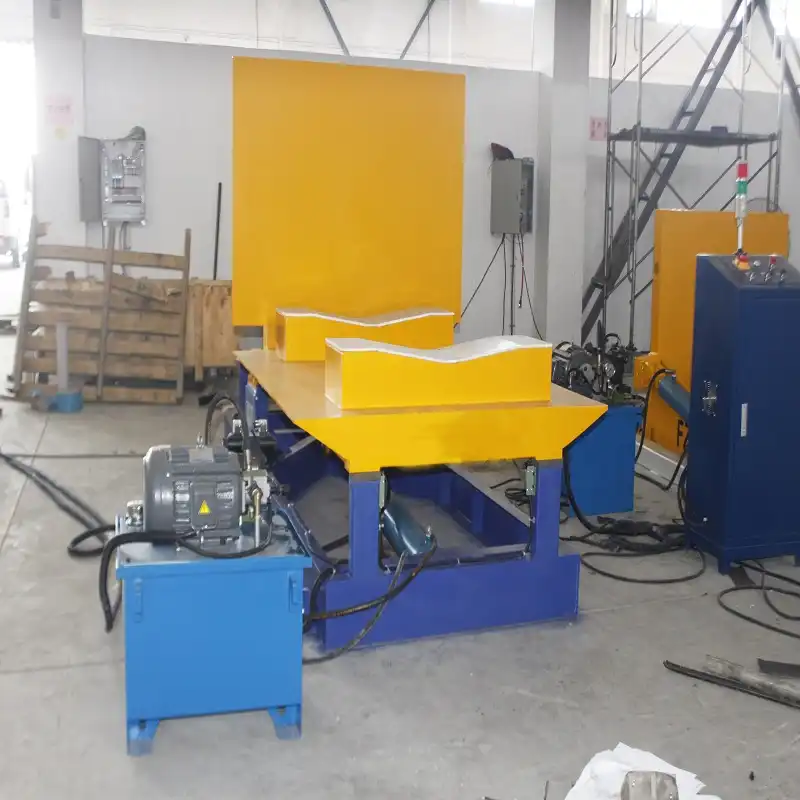
German automotive steel plants achieve 40-60% efficiency gains by implementing automated coil upender systems that eliminate manual handling bottlenecks. Key benefits include:
- Reduced labor costs by replacing 3-4 workers per shift with one operator
- Increased packing speed from 15 to 45 coils per hour
- Eliminated product damage during handling through precise positioning
Transition Paragraph:
If you're considering automation for your coil handling process, you probably have several important questions. Let me walk you through the exact strategies German plants use and how you can apply them in your Mexican factory to achieve similar results.
1. What Specific Efficiency Gains Do Coil Upenders Deliver in Automotive Steel Plants?
Leading Paragraph:
When I visited several German automotive steel plants last year, I was amazed by their packing line efficiency. One plant manager showed me how they transformed their bottleneck into their most efficient department. If you're dealing with manual coil handling slowing down your entire production, the numbers from German plants will convince you that automation is worth the investment.
Snippet Paragraph:
According to SHJLPACK's data from German automotive clients, coil upenders typically deliver 40-60% efficiency improvements through three key mechanisms: faster cycle times, reduced manpower requirements, and eliminated repositioning delays. One BMW supplier increased their packing line output from 20 to 55 coils per hour while reducing labor costs by $78,000 annually.

Dive Deeper Content:
The efficiency gains from coil upender systems go beyond simple speed improvements. German plants have optimized every aspect of their coil handling process to maximize return on investment.
⚡ Cycle Time Reduction Analysis
German automotive plants typically achieve cycle times of 60-90 seconds per coil with automated upenders, compared to 3-5 minutes with manual methods. This includes:
- Loading time: 15-20 seconds (vs. 45-60 seconds manual)
- Rotation/upending: 20-30 seconds (vs. 90-120 seconds manual)
- Positioning for wrapping: 10-15 seconds (vs. 30-60 seconds manual)
- Unloading: 15-25 seconds (vs. 45-60 seconds manual)
According to Randal Liu, founder of SHJLPACK, "The biggest efficiency gain comes from eliminating the multiple repositioning steps required in manual handling. Each time workers need to adjust coil position, you're adding 30-45 seconds of non-value-added time."
💰 Labor Cost Savings Breakdown
Most Mexican factories use 3-4 workers per shift for coil handling and positioning. With automated upenders, this reduces to one operator. Here's the math:
- Manual scenario: 4 workers × $1,800/month × 3 shifts = $21,600/month ($259,200/year)
- Automated scenario: 1 operator × $2,200/month × 3 shifts = $6,600/month ($79,200/year)
- Annual savings: $180,000 (excluding benefits, insurance, and training costs)
🏭 Throughput Improvement Case Study
Volkswagen Steel Supplier in Wolfsburg
- Challenge: Manual coil handling created 2-hour daily bottlenecks
- Solution: Installed SHJLPACK HUE-150 hydraulic upender system
- Results:
- Production: Increased from 320 to 720 coils per shift
- Labor: Reduced from 12 to 3 operators across shifts
- ROI: Achieved in 14 months through labor savings and increased output
The key to German plants' success is integrating upenders with their entire steel coil packing line, creating a seamless automated process from production to shipping.
2. How Do German Plants Ensure Worker Safety While Increasing Automation?
Leading Paragraph:
Safety isn't just about compliance—it's about protecting your most valuable asset: your people. German automotive plants take safety so seriously that they've reduced coil handling injuries by over 90% through proper automation. If you're worried about the safety risks of manual coil flipping in your Mexican factory, the German approach provides a proven blueprint.
Snippet Paragraph:
German automotive steel plants implement comprehensive safety systems including light curtains, emergency stop circuits, and overload protection that eliminate manual handling risks. According to Mercedes-Benz supplier safety data, automated upenders reduced coil-related injuries from 12 per year to zero while cutting workers' compensation costs by 85%.

Dive Deeper Content:
German automotive plants don't just add safety features—they design safety into every aspect of their coil handling operations. Here's how they achieve their remarkable safety records.
🛡️ Multi-Layer Safety Protection System
German plants typically implement three layers of safety protection:
| Safety Layer | German Standard Features | Mexican Factory Applications |
|---|---|---|
| Primary | Light curtains, emergency stops, two-hand operation | SHJLPACK upenders include CE-certified safety systems |
| Secondary | Overload protection, anti-slip coatings, stability monitoring | Prevents coil drops during rotation and positioning |
| Tertiary | Regular safety audits, operator training, maintenance protocols | Comprehensive safety documentation and procedures |
📊 Safety Improvement Metrics
Based on data from German automotive plants that switched from manual to automated coil handling:
- Injury reduction: 87-94% decrease in coil-related incidents
- Workers' comp costs: Reduced by $45,000-$65,000 annually per plant
- Insurance premiums: Lowered by 15-25% due to improved safety records
- Employee turnover: Reduced from 18% to 6% in hazardous positions
According to Randal Liu, "The safety argument alone often justifies the investment in automation. One serious coil handling injury can cost more than an entire upender system in medical expenses, downtime, and insurance increases."
🔧 Implementation Safety Protocol
German plants follow a strict 5-step safety implementation process:
- Risk Assessment - Identify all potential hazards in current manual process
- Safety Integration - Install upenders with comprehensive protection systems
- Operator Training - Train workers on safe operation and emergency procedures
- Safety Validation - Conduct thorough testing before full operation
- Continuous Monitoring - Regular safety audits and system checks
This systematic approach ensures that safety improvements are sustainable and integrated into daily operations rather than being temporary fixes.
3. Which Coil Upender Specifications Matter Most for Automotive Applications?
Leading Paragraph:
Choosing the right coil upender can be overwhelming with all the technical specifications available. German automotive plants have perfected their selection criteria through years of experience. If you're evaluating upenders for your Mexican factory, understanding which specifications truly impact performance will help you make the right investment decision.
Snippet Paragraph:
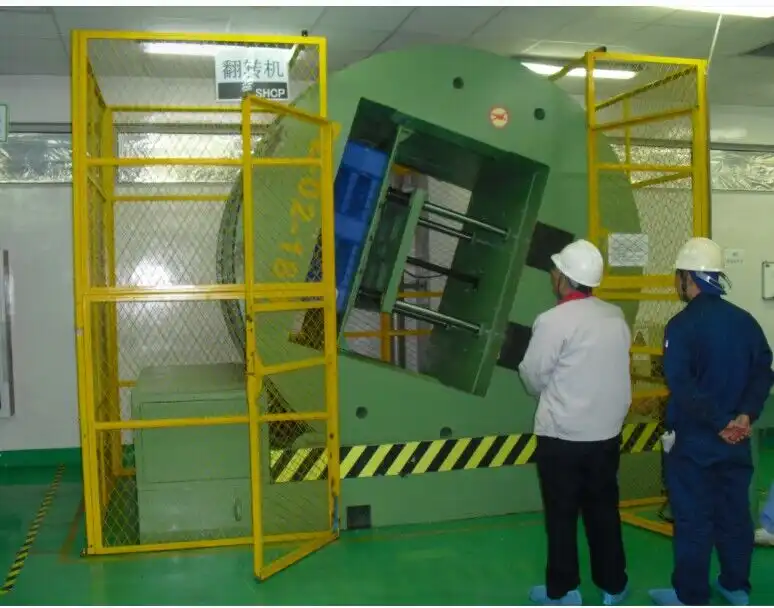
The most critical coil upender specifications for automotive applications are lifting capacity (5-20 tons), rotation speed (90-180 seconds per cycle), and integration capability with existing packing lines. German plants prioritize reliability over maximum speed, with 98% uptime requirements driving their equipment selection decisions.
Dive Deeper Content:
Not all upender specifications are created equal. German automotive plants focus on the parameters that directly impact their production efficiency and product quality.
📋 Critical Technical Specifications Comparison
German automotive plants typically use medium-to-heavy duty upenders with these specifications:
| Specification | Automotive Standard | Heavy Duty | Value Option |
|---|---|---|---|
| Capacity | 10-15 tons | 15-25 tons | 5-8 tons |
| Cycle Time | 90-120 seconds | 120-180 seconds | 60-90 seconds |
| Power | 15-18.5 kW | 22-30 kW | 7.5-11 kW |
| Control System | PLC with HMI | Advanced PLC | Basic PLC |
| Positioning Accuracy | ±2° | ±1° | ±5° |
| Price Range | $65,000-95,000 | $100,000-150,000 | $35,000-50,000 |
🎯 German Selection Criteria Priority
Based on interviews with German plant engineers, here's their priority list for upender selection:
- Reliability & Uptime (98%+ requirement)
- Integration Capability with existing packing lines
- Safety Compliance with EU and German standards
- Service & Support availability and response time
- Total Cost of Ownership over 5-7 years
- Energy Efficiency and operating costs
- Future Expansion capability
According to Randal Liu, "Many Mexican factories make the mistake of prioritizing initial purchase price over total cost of ownership. German plants calculate that a 20% higher initial investment in a more reliable upender typically pays back within 18 months through reduced downtime and maintenance."
🔄 Integration Requirements for Automotive Plants
German automotive plants require seamless integration with their steel coil packing line, including:
- Communication Protocols: PROFIBUS, Ethernet/IP, or Modbus TCP
- Physical Integration: Standardized heights and connection points
- Control Integration: Centralized monitoring and data collection
- Safety Integration: Plant-wide emergency stop systems
This integration-focused approach ensures that the upender becomes a productive part of the entire system rather than an isolated piece of equipment.
4. What ROI Can Mexican Factories Expect from German-Style Automation?
Leading Paragraph:
As a plant manager, you need to justify every capital investment with solid ROI calculations. German automotive plants have extensive experience calculating and achieving returns on their automation investments. If you're considering coil upenders for your Mexican operation, understanding the realistic ROI timeline will help you build a compelling business case.
Snippet Paragraph:
Mexican factories typically achieve 12-24 month ROI on coil upender investments through labor reduction, increased throughput, and damage reduction. Based on SHJLPACK's installations in Latin America, average annual savings range from $85,000 to $150,000 depending on plant size and current manual costs.

Dive Deeper Content:
ROI calculations for coil upenders extend beyond simple labor savings. German plants consider both quantitative and qualitative benefits in their investment decisions.
💵 Comprehensive ROI Calculation Framework
German automotive plants use this detailed framework for upender ROI analysis:
Quantifiable Savings:
- Labor reduction: $65,000-$120,000 annually
- Throughput increase: $25,000-$45,000 value
- Damage reduction: $8,000-$20,000 annually
- Safety cost reduction: $15,000-$30,000 annually
Investment Costs:
- Equipment purchase: $50,000-$120,000
- Installation: $8,000-$15,000
- Training: $3,000-$6,000
- Annual maintenance: $2,000-$5,000
📈 Case Study: Mexican Auto Parts Manufacturer
AutoSteel Mexico in Monterrey
- Previous Manual Process: 4 workers/shift, 28 coils/hour, 3% damage rate
- Investment: SHJLPACK HUE-100 upender + installation = $78,000
- Results after 6 months:
- Labor: Reduced to 1 operator/shift (saving $72,000/year)
- Output: Increased to 42 coils/hour (18% productivity gain)
- Damage: Reduced to 0.5% (saving $12,000/year)
- Projected ROI: 14 months
According to Randal Liu, "The most successful Mexican implementations mirror German approaches by focusing on total operational improvement rather than just equipment replacement. This holistic thinking typically improves ROI by 30-40% compared to just swapping equipment."
🔮 Long-Term Value Considerations
German plants also factor in these longer-term benefits:
- Quality Improvement: Consistent positioning improves packing quality
- Flexibility: Ability to handle different coil sizes and weights
- Scalability: Foundation for future automation expansion
- Competitiveness: Meeting automotive customer requirements
- Workforce Development: Upskilling operators for higher-value work
These factors, while harder to quantify, significantly impact the long-term success of the automation investment and should be included in your business case.
Conclusion
Implementing German-style coil upender systems can transform your Mexican factory's efficiency and safety while delivering solid ROI. The key is selecting the right equipment and integrating it properly with your existing steel coil packing line for maximum impact.
FAQ Section
Frequently Asked Questions
Q: How long does it take to install a coil upender system in an existing production line?
A: Most installations take 2-4 weeks, including foundation work, electrical connections, and integration with your existing steel coil packing line. SHJLPACK typically completes Mexican installations within 3 weeks with minimal production disruption.
Q: What maintenance is required for automated coil upenders?
A: German plants follow a preventive maintenance schedule with monthly inspections, quarterly hydraulic system checks, and annual comprehensive overhauls. Typical maintenance costs range from $2,000-$5,000 annually depending on usage intensity.
Q: Can coil upenders handle different sizes and weights of steel coils?
A: Yes, modern upenders like SHJLPACK models can handle coils from 3 to 25 tons with diameters from 800mm to 2000mm. Quick-change adapters allow switching between different coil sizes in 15-30 minutes, providing excellent flexibility for mixed production environments.
Q: How do German plants train operators for automated coil handling equipment?
A: German automotive plants use a structured 3-phase approach: classroom training on safety and operation (1 week), supervised hands-on practice (2 weeks), and independent operation with mentoring (4 weeks). SHJLPACK provides comprehensive training materials in Spanish for Mexican factories.
Q: What happens if the upender system breaks down during production?
A: SHJLPACK upenders are designed with 98% uptime reliability and include 24/7 technical support. Critical plants typically keep manual handling equipment as backup or implement redundant systems. Average repair response time in Mexico is 48 hours for major issues.


