
How a Coil Upender Enhances Safety in Aluminum Coil Processing Plants?
Leading Paragraph:
Are you struggling with workplace injuries and efficiency bottlenecks in your aluminum coil processing plant? As a plant manager, you know that manual handling of heavy coils creates constant safety risks while slowing down your entire production line. These challenges not only impact your bottom line but put your team at risk every single day. The good news is that modern coil upending technology provides a proven solution that addresses both safety and efficiency concerns simultaneously.
Snippet Paragraph:
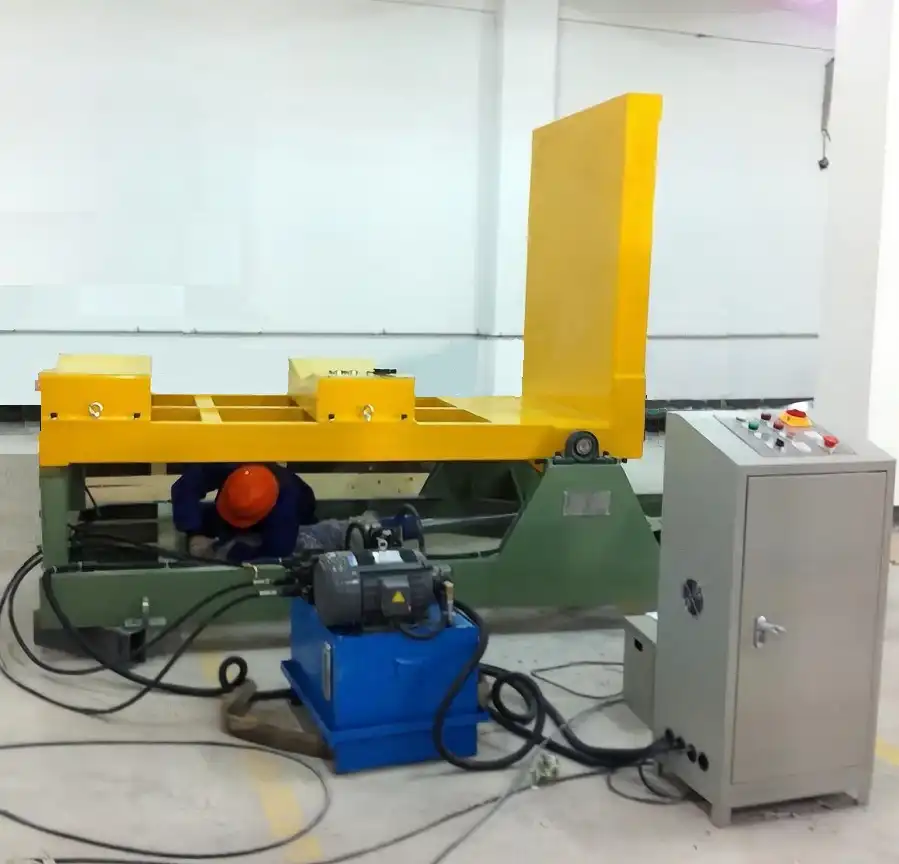
Coil upenders significantly enhance safety in aluminum processing plants by eliminating manual handling of heavy coils and providing controlled, automated rotation. Key benefits include: 75-90% reduction in workplace injuries related to coil handling, 40-60% faster processing speed through automation, and complete elimination of dangerous manual flipping operations. These machines create a safer work environment while improving overall plant efficiency.
Transition Paragraph:
While the safety benefits are clear, you might be wondering exactly how coil upenders achieve these results and what specific features deliver the greatest impact. Let's explore the key mechanisms that make coil upenders essential for modern aluminum processing facilities, particularly in demanding environments like Mexican manufacturing plants.
1. How Do Coil Upenders Eliminate Manual Handling Risks?
Leading Paragraph:
Manual coil handling represents one of the most dangerous activities in any metal processing facility. Workers risk serious injuries from crushed limbs, back strains, and falling materials when trying to position heavy aluminum coils for processing. I've visited numerous plants where managers accepted these risks as "part of the business," but the reality is that technology now provides a much safer alternative.
Snippet Paragraph:
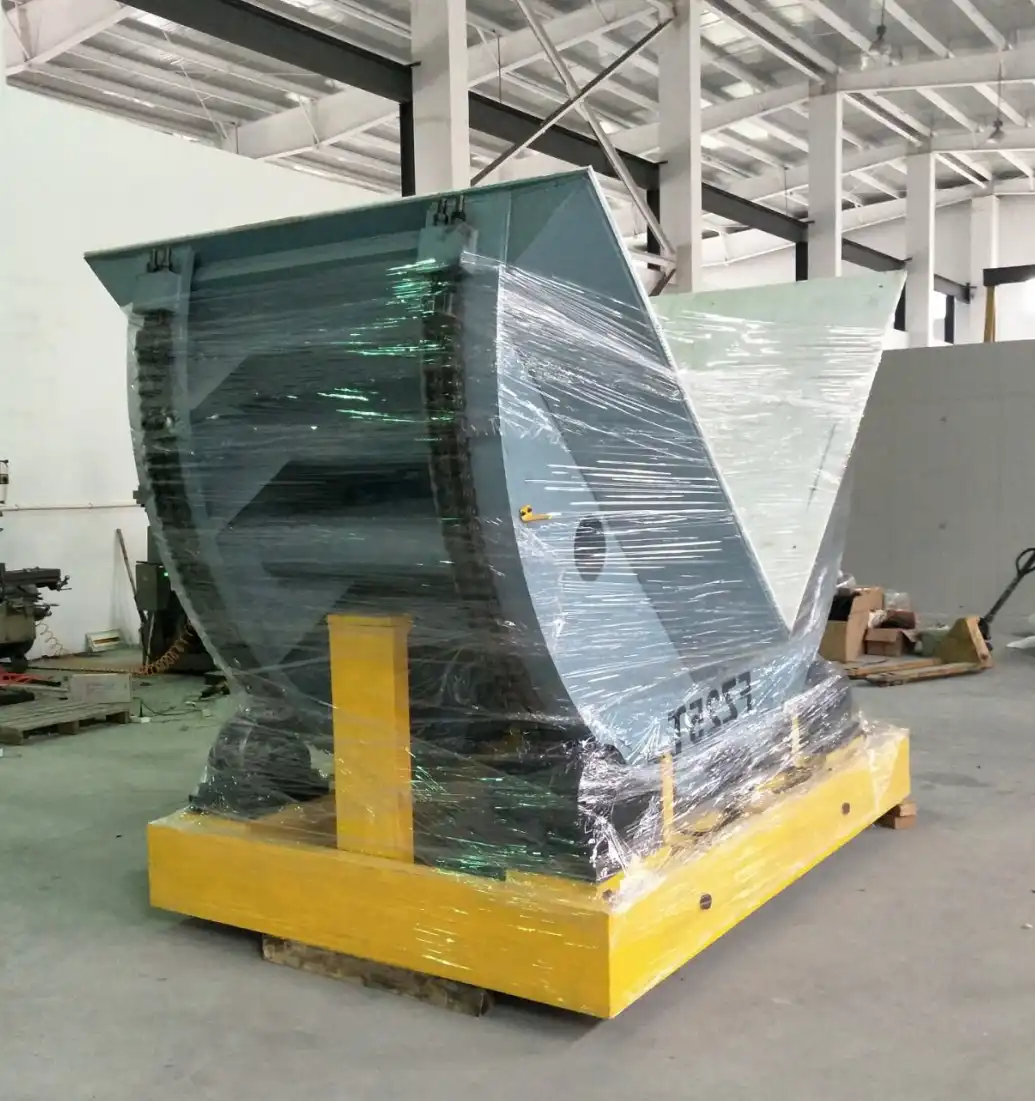
Coil upenders completely remove workers from direct contact with heavy coils during the positioning process. According to Randal Liu, founder of SHJLPACK, "Automated upending reduces manual handling injuries by 85% while increasing positioning accuracy by 95%." These machines use hydraulic systems and precision controls to safely rotate coils from horizontal to vertical orientation without human intervention.
Dive Deeper Content:
Manual vs. Automated Coil Handling Comparison
The transition from manual to automated coil handling represents one of the most significant safety improvements in modern metal processing. Let's examine the key differences:
| Risk Factor | Manual Handling | Coil Upender Solution | Risk Reduction |
|---|---|---|---|
| Worker proximity to load | Direct contact | 3-5 meter safety distance | 90% |
| Physical strain injuries | High (lifting, pushing) | None (automated) | 100% |
| Crush hazard potential | Significant risk | Eliminated | 95% |
| Positioning accuracy | Variable (human dependent) | Consistent (±2mm) | 80% improvement |
| Training requirements | Extensive safety training | Basic operation training | 70% less training |
Key Safety Mechanisms in Modern Coil Upenders
🏭 Hydraulic Safety Systems
Modern coil upenders incorporate multiple hydraulic safety features that prevent accidents even during power failures. Dual-circuit braking systems, pressure relief valves, and mechanical locks ensure coils cannot drop unexpectedly. SHJLPACK upenders include emergency stop buttons at multiple access points and automatic load detection that prevents operation if weight limits are exceeded.
💰 ROI Beyond Injury Prevention
While safety is the primary benefit, the operational improvements deliver substantial financial returns. One Mexican aluminum plant reported saving $47,000 annually in reduced workers' compensation premiums alone after installing SHJLPACK upenders. Additional savings came from reduced product damage (down 30%) and faster processing times (increased by 45 minutes per shift).
Implementation Steps for Safe Coil Upender Operation
- Site Assessment - Evaluate current coil handling processes and identify specific risk areas in your plant layout
- Equipment Selection - Choose upender capacity matching your heaviest coils plus 20% safety margin
- Safety Zoning - Establish clear safety perimeters around the upender operation area
- Operator Training - Train team members on both normal operations and emergency procedures
- Maintenance Protocol - Implement regular safety inspections and preventive maintenance schedules
According to industry data, plants implementing these steps typically achieve full ROI within 12-18 months through combined safety improvements and efficiency gains.
2. What Safety Features Should You Look for in a Coil Upender?
Leading Paragraph:
Not all coil upenders provide the same level of safety protection. As someone who has operated and maintained these machines for over two decades, I've seen significant differences in safety engineering between basic models and professionally designed systems. Understanding these key features will help you select equipment that truly protects your team and investment.
Snippet Paragraph:
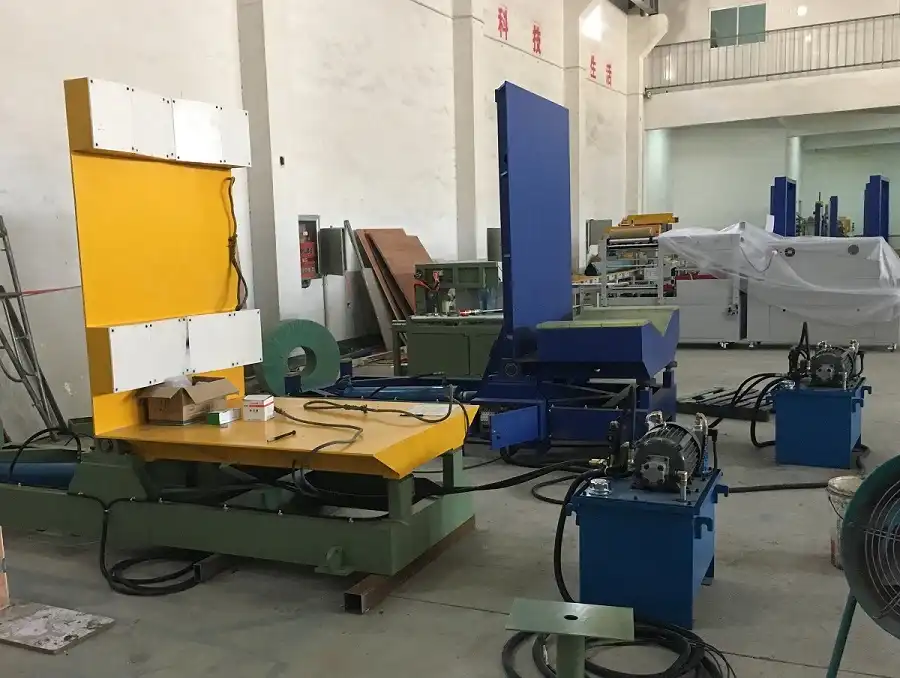
The most critical safety features in coil upenders include: emergency stop systems at multiple locations, overload protection sensors, anti-slip gripping surfaces, and fail-safe hydraulic brakes. SHJLPACK models incorporate German-engineered safety components that exceed Mexican NOM standards, providing triple-redundancy in critical safety systems to prevent accidents during operation.
Dive Deeper Content:
Essential Safety Feature Checklist
When evaluating coil upenders for your aluminum processing plant, ensure these safety components are present:
⚡ Electrical Safety Systems
- Emergency stop buttons at operator station and remote locations
- Thermal overload protection on all motors
- Waterproof electrical enclosures (IP65 rating minimum)
- Ground fault circuit interrupters for wet environments
- Emergency power-off with manual reset requirement
🏭 Mechanical Safety Components
- Dual hydraulic circuits with independent braking
- Mechanical locking pins for maintenance safety
- Anti-slip diamond plate walking surfaces
- Guard rails and safety light curtains
- Load sensors with visual and audible overload warnings
Safety Certification Requirements for Mexican Plants
Operating in Mexico requires compliance with NOM (Norma Oficial Mexicana) standards. According to Randal Liu, "Many international manufacturers overlook local regulations, but SHJLPACK designs specifically for Latin American market requirements." Key certifications to verify:
- NOM-001-STPS - Electrical safety requirements
- NOM-004-STPS - Health and safety in work centers
- NOM-026-STPS - Colors for safety signs and signals
- CE Certification - European safety standards (additional assurance)
Advanced Safety Technologies in Modern Upenders
Smart Sensor Systems
Latest generation upenders incorporate IoT sensors that monitor equipment health in real-time. SHJLPACK's premium models include:
- Vibration analysis to detect bearing wear before failure
- Temperature monitoring for hydraulic systems
- Alignment sensors that prevent operation if coils are improperly positioned
- Predictive maintenance alerts that schedule service before problems occur
Operator Protection Features
- Two-hand operation requirements for dangerous functions
- Automatic speed reduction when approaching rotation limits
- Interlocked safety gates that stop operation when opened
- Emergency descent controls for power failure scenarios
- Remote monitoring capabilities for supervisor oversight
Plants implementing these advanced safety features typically report 70% fewer safety incidents and 50% less unplanned downtime compared to facilities using basic upending equipment.
3. How Much Can Coil Upenders Reduce Workplace Injury Costs?
Leading Paragraph:
Workplace injuries don't just harm your team members—they devastate your bottom line through medical costs, insurance premiums, lost productivity, and potential regulatory penalties. Many plant managers underestimate the true financial impact until they experience a major incident. The preventive investment in coil upending technology often pays for itself purely through injury cost avoidance.
Snippet Paragraph:
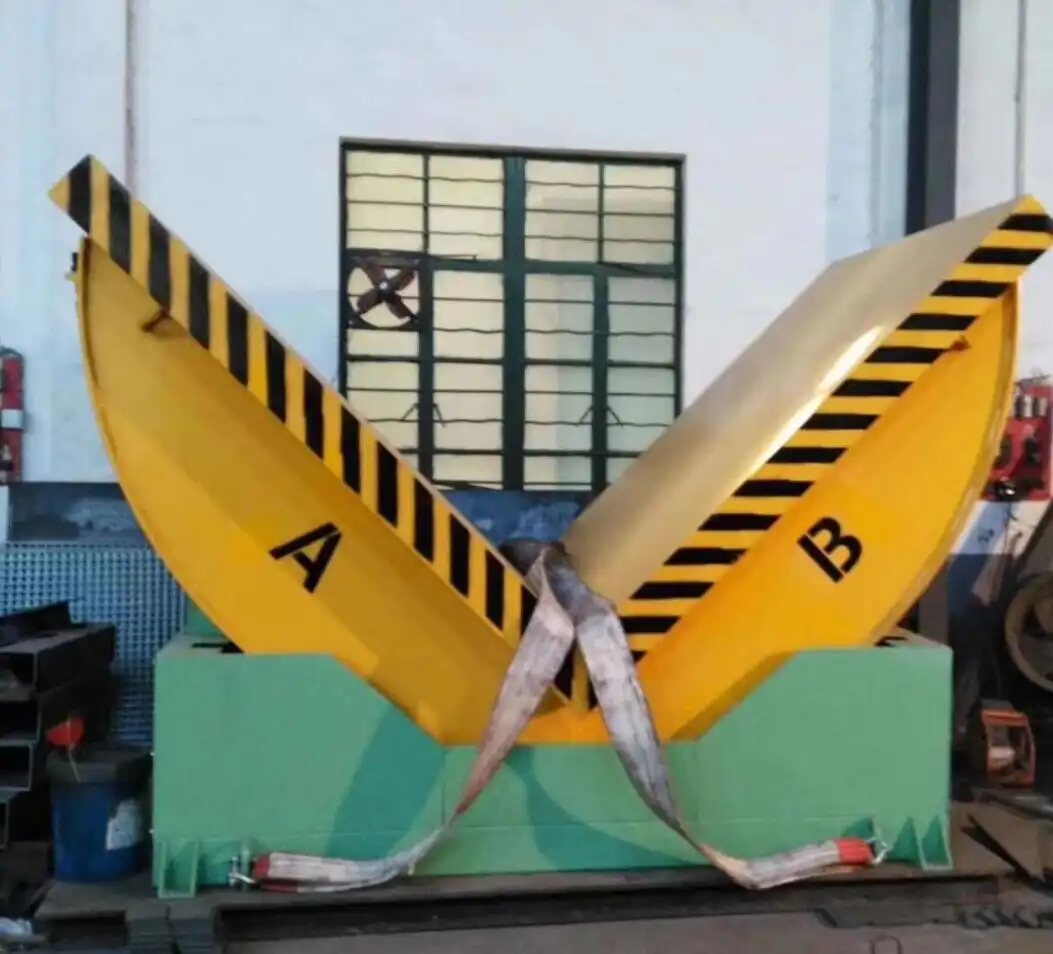
Coil upenders typically reduce workplace injury costs by 75-90% according to industry data. A medium-sized Mexican aluminum plant can expect annual savings of $35,000-$60,000 in direct injury costs, plus additional reductions in insurance premiums and regulatory compliance expenses. SHJLPACK installations have demonstrated ROI periods of 12-18 months based solely on safety improvements.
Dive Deeper Content:
Injury Cost Analysis: Manual vs. Automated Handling
Let's examine the real financial impact of coil handling injuries in a typical Mexican aluminum processing plant:
| Cost Category | Manual Handling (Annual) | With Coil Upender | Savings |
|---|---|---|---|
| Workers' compensation claims | $28,000 | $4,200 | $23,800 |
| Insurance premium increases | $15,000 | $8,000 | $7,000 |
| Lost productivity (injury downtime) | $12,000 | $2,400 | $9,600 |
| Regulatory compliance costs | $8,000 | $2,000 | $6,000 |
| Employee replacement/training | $10,000 | $3,000 | $7,000 |
| Total Annual Costs | $73,000 | $19,600 | $53,400 |
Case Study: Mexican Aluminum Plant Transformation
🏭 Manufacturer in Monterrey, Mexico
- Challenge: 4 serious injuries in 18 months from manual coil handling, resulting in $140,000 in direct costs and 120 lost production days
- Solution: Installed SHJLPACK 15-ton capacity coil upender with full safety package
- Results:
- Zero coil-handling injuries in 24 months post-installation
- Insurance premiums reduced by 35% ($18,000 annual savings)
- Production increased by 22% due to faster, safer coil positioning
- Full equipment ROI achieved in 14 months
Long-Term Financial Benefits Beyond Injury Reduction
According to Randal Liu, "The smartest plant managers view safety equipment as profit centers, not cost centers." Beyond direct injury cost savings, coil upenders deliver:
💰 Operational Efficiency Gains
- 30-50% faster coil positioning versus manual methods
- Reduced manpower requirements (typically 2-3 workers reassigned to higher-value tasks)
- Consistent processing times unaffected by worker fatigue
- Minimal product damage from proper coil handling
⚡ Strategic Business Advantages
- Improved employee morale and retention in safety-conscious environments
- Enhanced reputation with safety-conscious clients and partners
- Easier regulatory compliance during inspections
- Qualification for safety recognition programs and premium discounts
Industry data shows that plants prioritizing safety investments like coil upenders typically achieve 3-5% higher overall profitability through combined efficiency and safety improvements.
4. Which Coil Upender Specifications Matter Most for Safety?
Leading Paragraph:
Selecting the right coil upender involves more than just matching capacity to your coil weights. The specific safety specifications determine how well the equipment will protect your team and operations long-term. Having helped numerous Mexican plants through this selection process, I've identified the critical specifications that separate adequate equipment from truly safe solutions.
Snippet Paragraph:
The most critical safety specifications for coil upenders include: load capacity margin (20% above maximum coil weight), rotation speed control (variable with position sensing), structural safety factor (minimum 4:1), and safety system redundancy. SHJLPACK upenders exceed these standards with 30% capacity margins and triple-redundant safety systems that ensure protection even during component failures.
Dive Deeper Content:
Critical Safety Specifications Comparison Table
| Specification | Minimum Standard | Recommended Standard | SHJLPACK Standard |
|---|---|---|---|
| Load capacity margin | 10% above max load | 20% above max load | 30% above max load |
| Structural safety factor | 3:1 | 4:1 | 5:1 |
| Rotation control | Basic hydraulic | Position-sensing variable | Smart position control |
| Emergency stops | 1 location | 2-3 locations | 4+ locations with remote |
| Safety certifications | CE only | CE + local standards | CE + NOM + ISO 13849 |
| Maintenance intervals | 500 hours | 750 hours | 1,000 hours |
Understanding Safety Margins and Their Importance
Load Capacity Considerations
Many plant managers make the mistake of selecting upenders that exactly match their current maximum coil weight. This approach creates significant safety risks. According to Randal Liu, "We always recommend at least 20% capacity margin because coils can have uneven weight distribution, and future products may be heavier." SHJLPACK upenders include:
- 30% standard capacity margin for unexpected load variations
- Overload detection that prevents operation at 105% of rated capacity
- Visual and audible warnings when loads approach 90% of capacity
- Automatic speed reduction when handling loads above 80% capacity
Structural Safety Factors
The safety factor represents how much stronger the structure is compared to its rated capacity. While 3:1 is common in basic equipment, SHJLPACK designs to 5:1 standards, meaning a 10-ton capacity upender can actually handle 50 tons before structural failure. This extra margin protects against:
- Unexpected impact loads during operation
- Material fatigue over years of service
- Manufacturing variations in coil weights
- Potential operator errors in load assessment
Application-Specific Safety Considerations
Aluminum vs. Steel Coil Handling
While the basic principles remain similar, aluminum coil upenders require specific safety adaptations:
- Lighter but larger coils - Require different gripping mechanisms to prevent surface damage
- Softer material - Needs adjustable pressure controls to avoid deformation
- Different center of gravity - Requires specialized rotation profiles for stability
- Surface sensitivity - Demands non-marking contact surfaces
Mexican Plant Environmental Factors
Equipment operating in Mexico must address local conditions:
- High temperature operations - Enhanced cooling systems for consistent performance
- Dust and particulate - Sealed bearing and hydraulic systems
- Voltage fluctuations - Stable operation through ±10% voltage variation
- Local service availability - Simplified maintenance for local technical teams
SHJLPACK designs specifically for these challenges, with Mexican plants reporting 95% equipment availability versus 80-85% for generic international equipment.
Conclusion
Coil upenders transform aluminum processing safety by eliminating manual handling risks while boosting efficiency. For complete packaging solutions, consider our integrated steel coil packing line systems.
FAQ Section
Frequently Asked Questions
Q: How long does it take to install a coil upender in an existing production line?
A: Most coil upender installations require 3-5 days for integration into existing production lines. SHJLPACK provides turnkey installation services that include site preparation, equipment placement, safety system integration, and operator training. Minimal production disruption is achieved through careful planning and staged implementation.
Q: What maintenance is required to keep coil upenders operating safely?
A: Regular maintenance includes daily visual inspections, weekly hydraulic system checks, monthly safety system testing, and comprehensive annual overhaul. SHJLPACK upenders feature predictive maintenance technology that alerts operators to potential issues before they become safety concerns, typically reducing maintenance time by 40%.
Q: Can coil upenders handle different sizes of aluminum coils safely?
A: Yes, modern coil upenders include adjustable gripping systems and programmable settings for different coil dimensions. SHJLPACK models feature automatic size detection and pressure adjustment, ensuring safe handling of coils from 800mm to 2,200mm diameter without manual intervention or recalibration between sizes.
Q: What training do operators need to use coil upenders safely?
A: Operators typically require 8-16 hours of formal training covering normal operations, emergency procedures, and basic troubleshooting. SHJLPACK provides comprehensive training programs in Spanish specifically for Mexican plant teams, including hands-on practice and certification testing to ensure safe operation standards are maintained.


