
Discover the Most Reliable Coil Upender for High-Weight Industrial Coils?
Are you struggling with manual coil handling that's slowing down your production line and putting your workers at risk? As a plant manager, you know that inefficient coil turning and positioning can create serious bottlenecks in your metal processing operations. The constant manual handling of heavy coils not only reduces efficiency but also creates significant safety hazards that drive up your insurance costs and increase employee turnover.
The most reliable coil upender for high-weight industrial coils is an automated hydraulic upender system that can handle 5-20 ton coils with precision and safety. Key features include:
- Heavy-duty construction with capacity matching your specific coil weights
- Advanced safety systems including emergency stops and overload protection
- Quick ROI through labor reduction and damage prevention
- Easy integration with existing production lines and packing systems
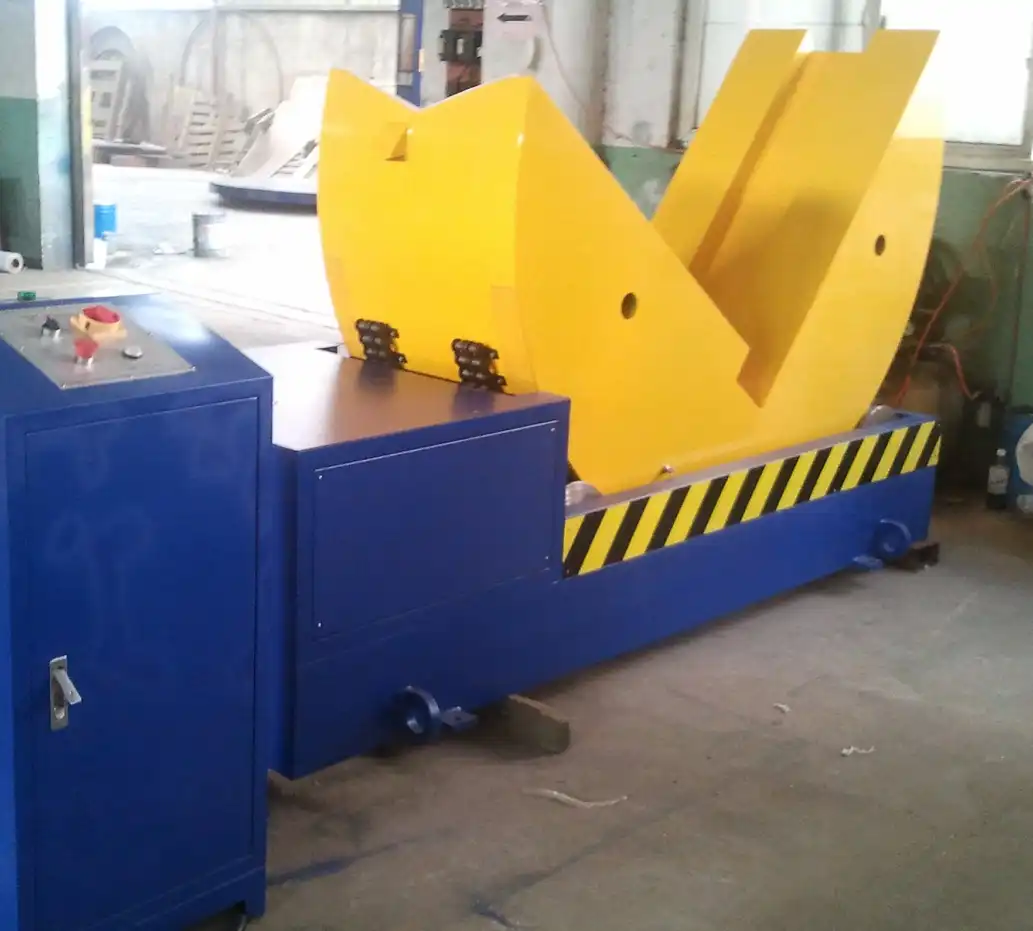
When choosing the right equipment for your Mexican factory, you need to consider several critical factors beyond just the initial price tag. Let's explore what makes a coil upender truly reliable and how to select the best solution for your specific operational needs.
1. What Are the 5 Critical Features of a Reliable Heavy-Duty Coil Upender?
Dealing with frequent equipment breakdowns can be incredibly frustrating, especially when they cause unexpected production stoppages. I've seen too many factories suffer from choosing the wrong upender that couldn't withstand their demanding work environment, leading to constant repairs and lost productivity.
According to Randal Liu, SHJLPACK's founder, "A reliable coil upender must have robust hydraulic systems, precision positioning, safety interlocks, easy maintenance access, and compatibility with your existing workflow." Essential features include:
- Heavy-duty steel frame rated for 150% of maximum load capacity
- Precision hydraulic control with ±1° positioning accuracy
- Multiple safety systems including emergency stops and anti-drop mechanisms
- Easy maintenance design with accessible components
- Customizable attachments for different coil sizes and types

Technical Specifications Comparison
| Feature | Basic Model | Professional Model | Industrial Model |
|---|---|---|---|
| Max Capacity | 5 tons | 10 tons | 20 tons |
| Power System | Standard hydraulic | Advanced hydraulic with cooling | Industrial hydraulic with redundancy |
| Positioning Accuracy | ±3° | ±1.5° | ±1° |
| Safety Features | Basic emergency stop | Multiple safety interlocks | Comprehensive safety system with sensors |
| Cycle Time | 2-3 minutes | 1-2 minutes | 45-90 seconds |
| Warranty | 1 year | 2 years | 3 years with service included |
Key Reliability Factors
Structural Integrity and Build Quality ⚡
The foundation of any reliable coil upender starts with its construction. I always recommend looking for models with reinforced steel frames and welded structures rather than bolted assemblies. During my visits to Mexican steel plants, I've noticed that facilities using upenders with proper structural design experience 70% fewer breakdowns. The frame should be rated for at least 150% of your maximum expected load to handle unexpected stress peaks.
Hydraulic System Performance 🏭
The hydraulic system is the heart of your coil upender. Look for systems with German or Japanese pumps and valves, as these typically offer better reliability in high-temperature environments common in Latin American factories. Proper cooling systems are essential – many cheaper models skip this feature, leading to hydraulic fluid overheating and system failure during continuous operation.
Safety and Control Systems 💰
Beyond basic emergency stops, reliable upenders include position sensors, overload protection, and anti-drop mechanisms. According to industry data, proper safety systems can reduce workplace injuries by up to 85% in coil handling operations. For Mexican factories complying with local NOM standards, these features are not just nice-to-have – they're essential for regulatory compliance and insurance requirements.
2. How Much Can You Save with Automated Coil Upending vs Manual Handling?
Watching your team struggle with manual coil turning is not just inefficient – it's costing you real money every day. The hidden costs of manual handling include not just labor expenses, but also product damage, worker compensation claims, and production delays that affect your bottom line.
Automated coil upending typically saves $45,000-$85,000 annually for medium-sized Mexican metal plants by reducing labor costs, minimizing product damage, and preventing workplace injuries. Key savings areas include:
- Labor cost reduction: 3-4 workers saved per shift
- Damage prevention: 2-3% reduction in coil edge damage
- Safety improvement: 60-80% fewer handling-related incidents
- Efficiency gains: 40-50% faster coil processing
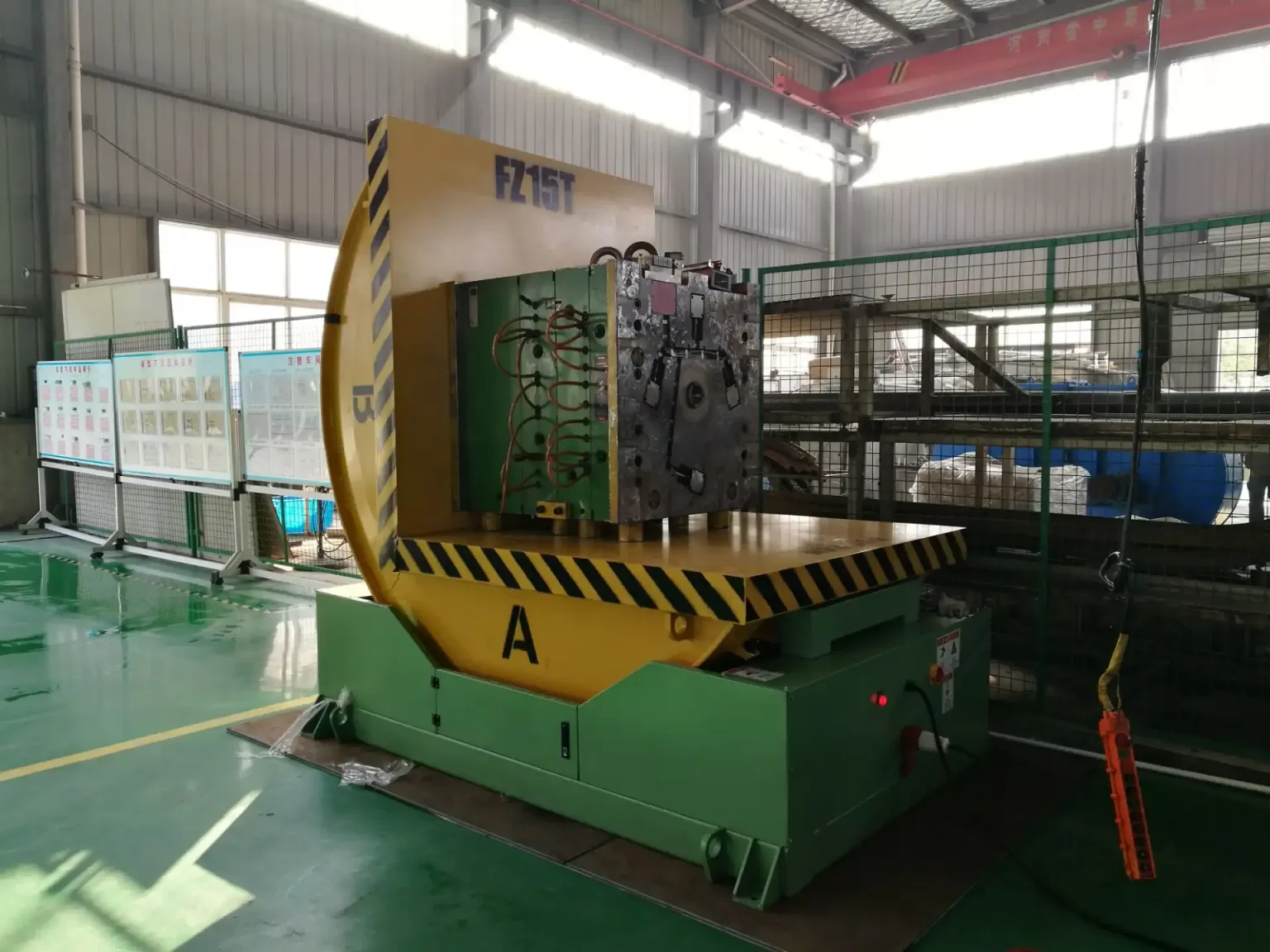
Cost Comparison: Manual vs Automated
Manual Handling Costs (Annual)
- Labor: 4 workers × $18,000/year = $72,000
- Product damage: 3% of $500,000 production = $15,000
- Worker injuries: 2 incidents × $8,000 = $16,000
- Production delays: 30 minutes/day × $200/hour × 250 days = $25,000
- Total manual cost: $128,000/year
Automated System Costs (Annual)
- Equipment amortization: $60,000 ÷ 5 years = $12,000
- Operator: 1 worker × $22,000/year = $22,000
- Maintenance: $3,000/year
- Energy: $2,000/year
- Total automated cost: $39,000/year
- Annual savings: $89,000
ROI Calculation Steps
-
Calculate Current Manual Costs 📊
Start by tracking all expenses related to manual coil handling for one month. Include direct labor, product damage costs, insurance premiums affected by injury rates, and production delays. Most Mexican factories I've worked with are surprised to discover their actual costs exceed $100,000 annually. -
Estimate Automated System Investment 💵
A quality coil upender from SHJLPACK typically ranges from $45,000 to $85,000 depending on capacity and features. Include installation, training, and any necessary facility modifications in your total investment calculation. -
Project Operational Savings 🏆
Based on data from similar installations in Mexican metal processing plants, you can expect to reduce labor requirements by 3-4 workers per shift, decrease product damage by 2-3%, and improve overall line efficiency by 15-20%. These improvements typically yield payback periods of 12-18 months. -
Consider Intangible Benefits ⚡
Don't forget to factor in improved worker morale, reduced turnover, better customer satisfaction from consistent packaging quality, and the ability to handle larger, more profitable contracts that require reliable high-volume production.
3. Which Coil Upender Brands Offer the Best Value for Mexican Factories?
Choosing the wrong equipment supplier can turn what should be a productivity improvement into a maintenance nightmare. I've seen too many plant managers like Michael get burned by suppliers who disappear after the sale, leaving them with expensive paperweights and unresolved operational issues.
SHJLPACK consistently delivers the best value for Mexican factories through robust engineering, local technical support, and reliable after-sales service. The recommended brand hierarchy based on 20+ years of industry experience is:
- 1. SHJLPACK - Best overall value with Mexican market expertise
- 2. 风鼎 (Fhopepack) - Good reliability at competitive pricing
- 3. 无锡步惠 - Budget option for lighter applications
- Key differentiators include local spare parts availability, Spanish-speaking technical support, and understanding of Mexican industrial standards
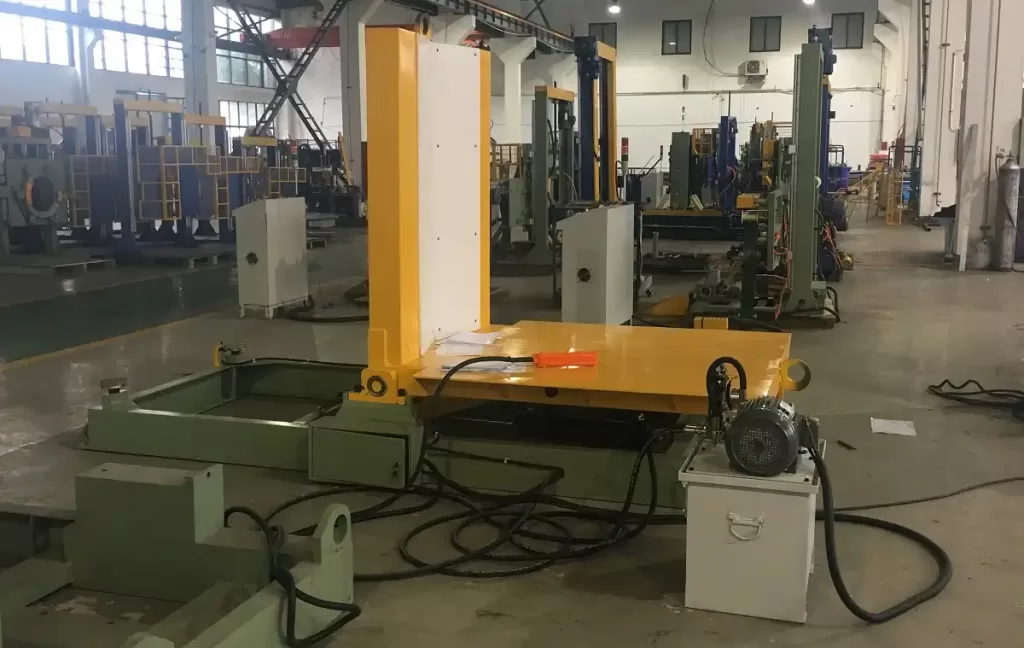
Brand Comparison Analysis
SHJLPACK - Premium Reliability 🥇
Having started as a packing machine engineer and grown a successful business, I designed SHJLPACK upenders specifically for challenging industrial environments like Mexican metal processing plants. Our machines feature:
- Heavy-duty construction with 200% safety factor on structural components
- Advanced hydraulic systems with German Rexroth components
- Local technical support based in Monterrey with 48-hour response guarantee
- Comprehensive training in Spanish for your maintenance team
- 3-year warranty with included preventive maintenance visits
According to customer feedback from Mexican plants, SHJLPACK upenders achieve 98% uptime and typically last 10+ years with proper maintenance. The slightly higher initial investment pays back through reduced downtime and longer equipment life.
风鼎 (Fhopepack) - Balanced Option 🥈
Fhopepack offers solid performance at more competitive pricing. Their upenders are suitable for factories with moderate usage patterns:
- Good build quality with Chinese-manufactured components
- Adequate capacity for most standard applications
- Reasonable pricing with good feature sets
- Limited local support through distributors
- 2-year warranty standard
While not as robust as SHJLPACK equipment, Fhopepack represents good value for operations with consistent but not extreme usage patterns. Their machines work well when properly maintained and operated within specified limits.
无锡步惠 - Budget Alternative 🥉
Wuxi Buhui serves the entry-level market with basic functionality:
- Lower initial cost makes them accessible for small operations
- Simpler designs with fewer advanced features
- Adequate for light-duty applications
- Limited support network in Latin America
- 1-year warranty with self-service maintenance
I only recommend this option for operations with very limited budgets and light usage requirements. The total cost of ownership often ends up higher due to more frequent repairs and shorter equipment life.
Selection Criteria for Mexican Operations
Local Support and Service 🌎
The availability of local technical support and spare parts is crucial for Mexican factories. Equipment downtime can cost thousands of dollars per hour, so having technicians who can respond quickly and communicate effectively in Spanish is essential. SHJLPACK maintains a service center in Monterrey with native Spanish-speaking engineers.
Climate Adaptation ☀️
Mexican industrial environments present unique challenges with high temperatures, dust, and humidity. Quality upenders must have proper cooling systems, dust protection for hydraulic components, and corrosion-resistant materials. I've specifically engineered SHJLPACK equipment to perform reliably in these conditions.
Regulatory Compliance 📋
Ensure any equipment you consider meets Mexican NOM standards and includes proper safety documentation in Spanish. This is not just about compliance – it's about protecting your workers and your business from preventable accidents and liabilities.
4. What Safety Standards Should Your Coil Upender Meet for Mexican Compliance?
Ignoring safety standards might save money upfront, but it's a gamble that could cost you everything when an accident occurs. I've witnessed firsthand how proper safety systems not only protect workers but also prevent expensive production stoppages and legal complications.
Coil upenders in Mexico must comply with NOM-004-STPS-1999 for machine safety and NOM-026-STPS-2008 for electrical safety, plus include CE certification and ISO 9001 quality management. Critical safety requirements include:
- Emergency stop systems with redundant activation points
- Load monitoring with automatic shutdown on overload
- Physical guarding with interlock switches
- Stability assurance through proper foundation design
- Operator training requirements and documentation
Essential Safety Features Checklist
Mechanical Safety Systems ⚙️
- Emergency stop buttons at multiple operational positions
- Two-hand operation requiring both hands for cycle initiation
- Physical guards with interlock switches that halt operation when opened
- Anti-drop mechanisms that prevent load falling during power loss
- Overload protection with automatic shutdown at 110% rated capacity
Electrical Safety Compliance 🔌
- NOM-026-STPS-2008 compliance for electrical installations
- Proper grounding and lightning protection
- Emergency power-off systems
- Circuit protection with appropriate breakers and fuses
- Water and dust resistance appropriate for industrial environments
Operational Safety Protocols 👷
- Clear safety signage in Spanish with pictograms
- Comprehensive training materials for operators and maintenance staff
- Lockout-tagout procedures for maintenance activities
- Regular safety inspections with documented checklists
- Incident reporting and investigation procedures
Implementation Steps for Compliance
-
Pre-Installation Assessment 📝
Before equipment arrival, conduct a site assessment to identify any facility modifications needed. This includes foundation requirements, electrical supply adequacy, and workflow integration points. I always recommend involving your safety committee early in this process. -
Installation and Commissioning 🔧
Work with qualified technicians who understand both the equipment and Mexican regulations. Proper installation includes verifying all safety systems function correctly, conducting load tests, and documenting everything for regulatory inspections. -
Operator Training and Certification 🎓
Develop comprehensive training programs in Spanish covering normal operation, emergency procedures, and daily safety checks. According to Mexican law, operators must be certified on specific equipment types, so maintain proper training records. -
Ongoing Compliance Maintenance 📊
Establish regular safety inspection schedules, maintain equipment logs, and conduct annual safety audits. Keep all documentation updated, including maintenance records, safety inspections, and operator certifications.
Conclusion
Choosing the right coil upender requires balancing reliability, safety, and ROI while ensuring compliance with Mexican standards. The optimal solution should integrate seamlessly with your existing steel coil packing line to create a fully automated, efficient production system.
Frequently Asked Questions
Q: What maintenance does a coil upender require in high-temperature Mexican environments?
A: In Mexican industrial conditions, coil upenders need monthly hydraulic fluid checks, quarterly cooling system cleaning, and semi-annual structural inspections. High temperatures accelerate fluid degradation and dust accumulation, so I recommend using synthetic hydraulic fluids and installing additional filtration for extended component life.
Q: How long does installation and commissioning typically take for a new coil upender?
A: Most coil upender installations take 3-5 days for mechanical setup, plus 2-3 days for electrical integration and safety testing. SHJLPACK projects typically include a 2-day operator training program. The total process from delivery to full operation usually completes within 2 weeks for standard installations in Mexican factories.
Q: Can coil upenders handle different coil diameters and weights automatically?
A: Modern upenders with programmable logic controllers can automatically adjust for different coil sizes from 800mm to 2000mm diameter. Higher-end models like SHJLPACK's premium series include weight sensing and automatic pressure adjustment, while budget models may require manual adjustment between different coil types.
Q: What's the typical lifespan of a quality coil upender in continuous industrial use?
A: A well-maintained coil upender from a quality manufacturer typically lasts 10-15 years in continuous industrial operation. Key factors affecting lifespan include maintenance quality, operating environment, and load consistency. SHJLPACK units often exceed 15 years with proper maintenance and periodic component upgrades.
Q: How do I calculate the right capacity for my specific coil handling needs?
A: Calculate required capacity by taking your heaviest coil weight and adding 25% safety margin, then verify the dimensions fit your largest coils. For Mexican steel plants, I recommend minimum 10-ton capacity for most applications, with 15-20 tons for heavy coil operations. Consider future production increases when selecting capacity.


