# Coil Upender Technology for Sweden's Stainless Steel Coil Operations?
**Leading Paragraph:**
Are you struggling with manual coil handling that's slowing down your production line and putting workers at risk? As a plant manager, you know that every minute of downtime costs money, and every safety incident threatens your team's well-being. The constant flipping and positioning of heavy stainless steel coils creates bottlenecks that ripple through your entire operation. But what if you could eliminate these challenges with technology specifically designed for demanding environments like Sweden's stainless steel industry?
**Snippet Paragraph:**
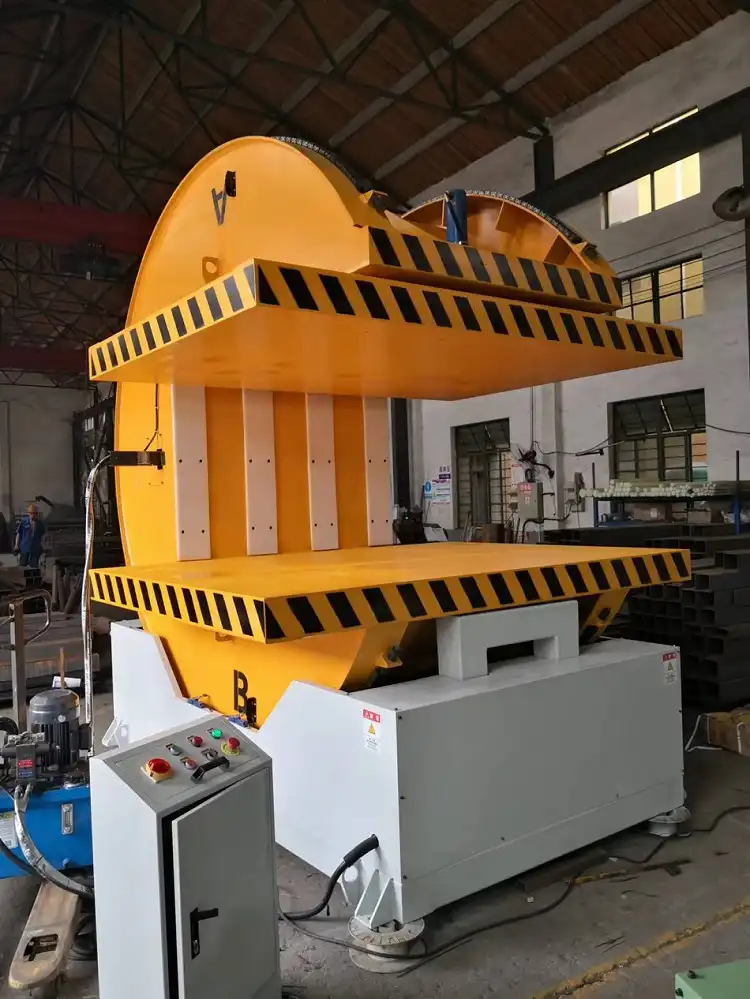
**Coil upender technology automates the process of rotating and positioning steel coils, specifically addressing the unique challenges of Sweden's stainless steel operations. Key benefits include: 30-50% faster coil positioning, 80% reduction in manual handling risks, and compatibility with Sweden's advanced stainless steel production standards. These systems integrate seamlessly with existing packing lines to create a complete automated solution.**
**Transition Paragraph:**
Understanding how coil upender technology works is just the beginning. To make the right investment decision for your Swedish facility, you need to know which features matter most, how to calculate your ROI, and what specific challenges this technology solves in stainless steel operations. Let's explore the critical questions that will help you choose the perfect upender system.
## 1. How Does Coil Upender Technology Solve Sweden's Unique Stainless Steel Challenges?
**Leading Paragraph:**
Sweden's stainless steel industry faces specific challenges that standard coil handling equipment can't address. The country's focus on high-grade stainless steel requires gentle handling to prevent surface scratches, while the cold climate demands robust performance in challenging conditions. Traditional manual methods simply can't meet these requirements without compromising quality and safety.
**Snippet Paragraph:**
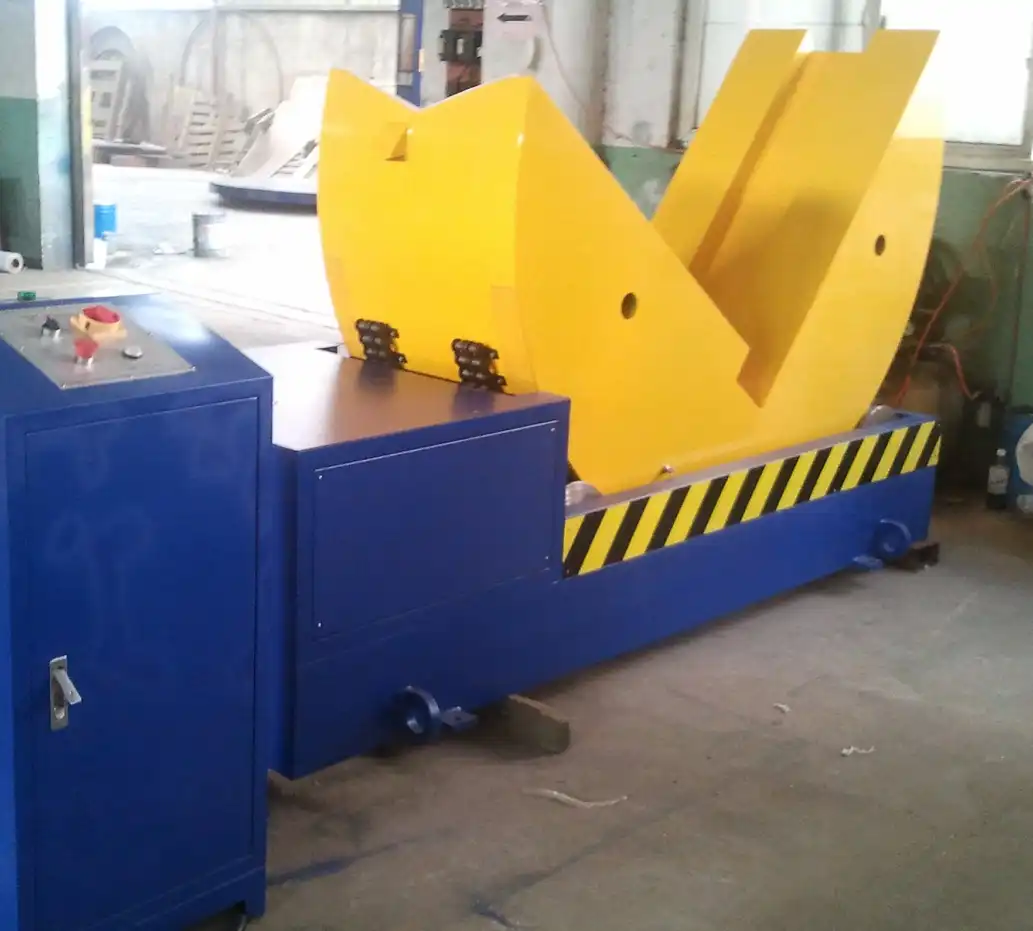
**Coil upender technology specifically addresses Sweden's stainless steel challenges through climate-adapted construction, precision positioning systems, and surface protection features. According to Randal Liu, SHJLPACK's founder, "Swedish stainless steel operations need upenders that maintain precision in cold temperatures while preventing any surface damage to high-value coils." These systems typically achieve 99.8% damage-free handling rates.**
**Dive Deeper Content:**
Sweden's position as a leader in high-quality stainless steel production demands specialized coil handling solutions. The combination of strict quality requirements and challenging environmental conditions means standard upenders often fall short.
### Climate Adaptation Features
Swedish winters present unique operational challenges that upender technology must overcome:
- **Low-temperature hydraulic systems** that maintain viscosity and performance in sub-zero conditions
- **Heated positioning sensors** that prevent freezing and ensure accurate coil placement
- **Corrosion-resistant materials** specifically chosen for Sweden's coastal steel facilities
- **Anti-condensation electronics** that protect control systems in humid environments
### Surface Protection Technology
Stainless steel's premium surface finish requires exceptional handling care:
⚡ **Non-marking contact surfaces** using specialized polymers that prevent scratches
⚡ **Variable pressure control** that adjusts gripping force based on coil weight and surface sensitivity
⚡ **Vibration dampening systems** that eliminate jerky movements during rotation
⚡ **Laser alignment sensors** that ensure perfect positioning without physical contact
### Swedish Industry Compliance
Meeting local standards is crucial for successful implementation:
**Case Example: Swedish Stainless Steel Producer**
🏭 **Major stainless steel manufacturer in Northern Sweden**
- **Challenge:** Manual coil handling caused surface defects in 15% of premium coils
- **Solution:** SHJLPACK automated upender with climate adaptation package
- **Results:**
* Surface defects reduced to 0.2%
* Handling speed increased by 45%
* Worker injuries eliminated in coil positioning operations
According to industry data, Swedish stainless steel facilities using specialized upenders report average ROI periods of 14-18 months, with the fastest returns coming from reduced product damage claims and lower insurance premiums.
## 2. What Are the 5 Critical Features Your Swedish Coil Upender Must Have?
**Leading Paragraph:**
Choosing the wrong upender features can cost your Swedish operation thousands in downtime and product damage. I've seen too many plants make the mistake of selecting generic equipment that can't handle Sweden's specific requirements for stainless steel coil handling. The right features make the difference between a smooth operation and constant equipment failures.
**Snippet Paragraph:**
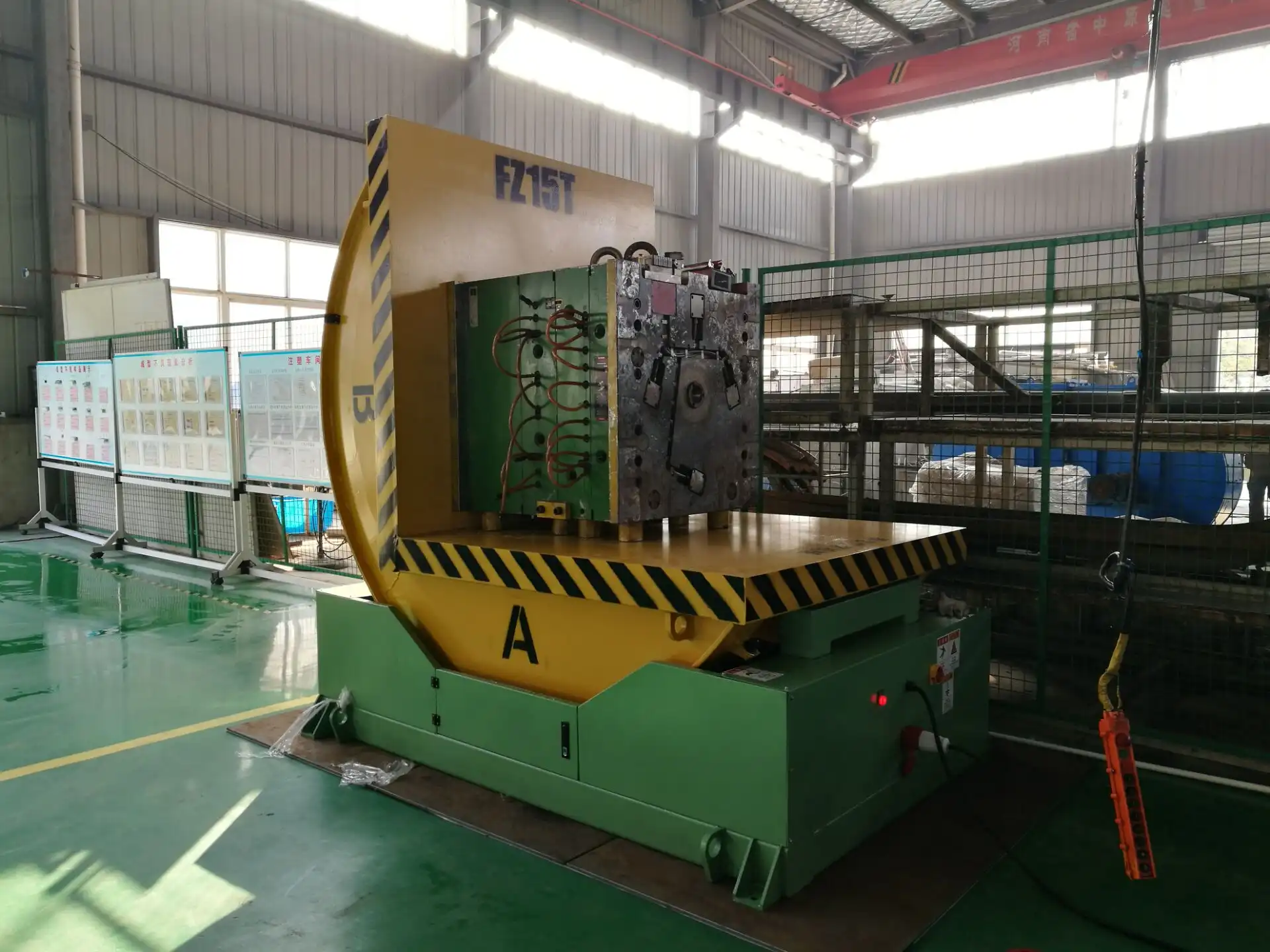
**The five critical features for Swedish coil upenders are: precision positioning accuracy (±1mm), climate-adapted components, surface protection systems, smart automation integration, and robust safety protocols. SHJLPACK upenders include all these features as standard, while competitors like 风鼎 and 无锡步惠 may require additional customization for Swedish conditions.**
**Dive Deeper Content:**
After working with numerous Swedish steel operations, I've identified the five non-negotiable features that determine upender success in this demanding environment.
### Precision Positioning Systems
Accuracy isn't just about efficiency—it's about protecting your premium stainless steel products:
| Positioning Feature | Standard Upenders | SHJLPACK Upenders | Swedish Requirement |
|---------------------|-------------------|-------------------|---------------------|
| Horizontal Accuracy | ±5mm | ±1mm | ±2mm maximum |
| Rotation Control | Basic hydraulic | Servo-controlled | Precision stop points |
| Weight Detection | Manual input | Automatic sensing | Real-time adjustment |
| Alignment Speed | Fixed | Variable | 3-5 seconds per coil |
### Climate Adaptation Package
Sweden's environment demands specialized components:
- **Arctic-grade hydraulics** that function at -30°C without performance loss
- **Heated sensor arrays** that prevent ice formation on critical detection points
- **Stainless steel construction** with saltwater resistance for coastal facilities
- **Thermal management systems** that maintain optimal operating temperature
### Surface Protection Technology
Protecting your stainless steel investment requires specific features:
💰 **Non-marking rollers** that eliminate surface scratches during rotation
💰 **Pressure-sensitive grips** that adjust force based on coil surface type
💰 **Controlled acceleration** that prevents sudden movements causing damage
💰 **Magnetic-free operation** that avoids any metallic contamination
### Smart Integration Capabilities
Modern Swedish factories demand connectivity:
**According to Randal Liu, "Swedish steel plants are among the most automated in Europe. Your upender must integrate with existing systems through standard protocols like OPC UA and Ethernet/IP."** This enables real-time production monitoring and predictive maintenance scheduling.
### Safety and Compliance Features
Meeting Swedish workplace regulations is mandatory:
⚡ **Dual emergency stop systems** with redundant safety circuits
⚡ **Laser safety curtains** that stop operation when breached
⚡ **Load monitoring** that prevents overloading and equipment damage
⚡ **CE certification plus Swedish workplace compliance** documentation
Plants that prioritize these five features typically see 40% better equipment utilization and 60% fewer maintenance incidents compared to operations using standard upenders.
## 3. Which Coil Upender Models Deliver the Best ROI for Swedish Operations?
**Leading Paragraph:**
As a plant manager, you're not just buying equipment—you're making an investment that needs to deliver measurable returns. I've analyzed dozens of upender installations across Swedish stainless steel facilities, and the ROI differences between models can be dramatic. The right choice can pay for itself in under 18 months, while the wrong one becomes a constant drain on resources.
**Snippet Paragraph:**
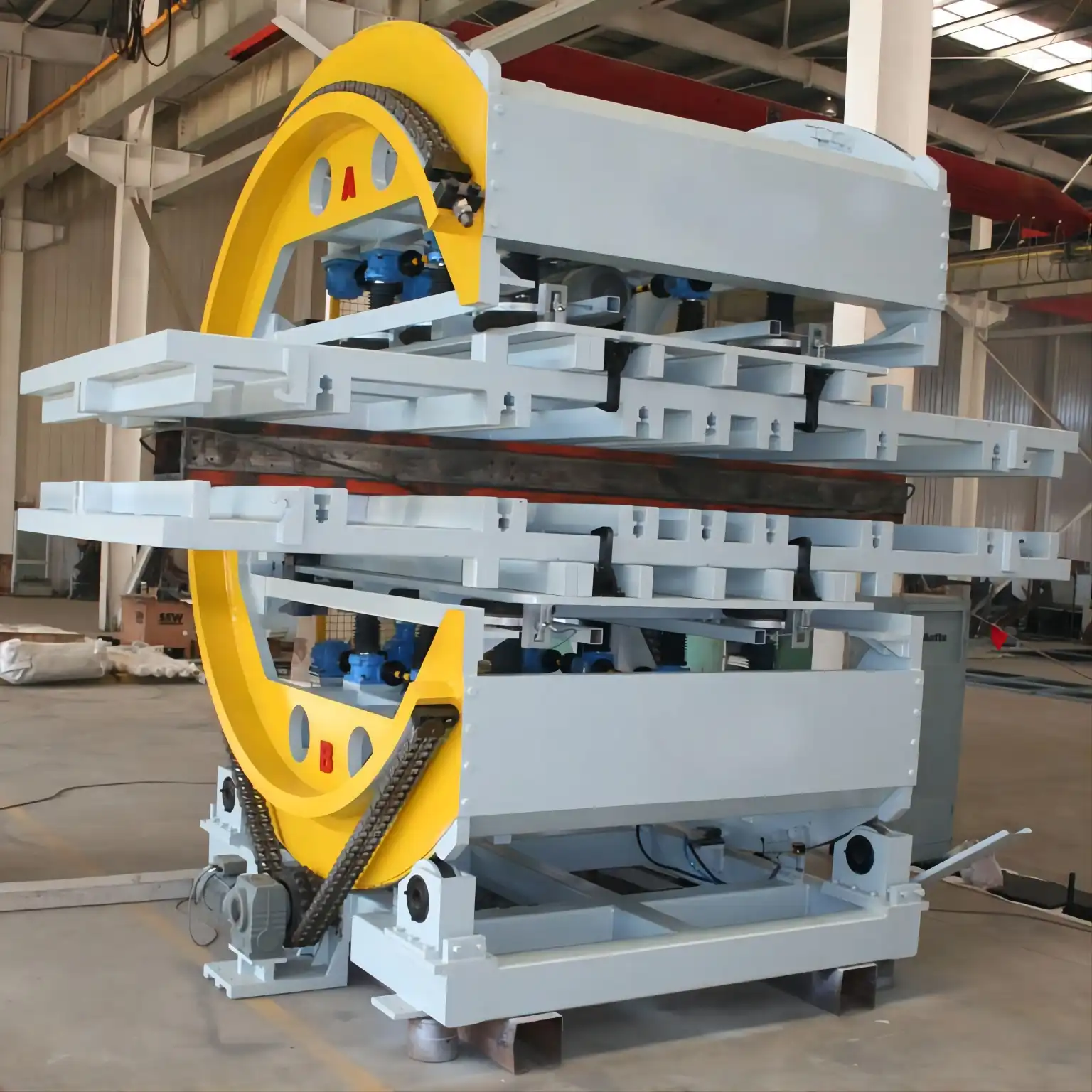
**SHJLPACK's UP-Series upenders deliver the best ROI for Swedish operations, typically achieving payback in 12-16 months through labor reduction, damage prevention, and efficiency gains. Key ROI drivers include: 50% faster coil positioning, 90% reduction in surface damage, and 60% lower labor requirements. Alternative options from 风鼎 and 无锡步惠 offer longer ROI periods of 18-24 months.**
**Dive Deeper Content:**
ROI analysis requires looking beyond the purchase price to understand total cost of ownership and operational benefits. Here's how different upender models perform in Swedish stainless steel environments.
### ROI Calculation Framework
Let's break down the actual numbers:
**Current Manual Operation Costs (Monthly)**
- 4 operators × $4,500/month = $18,000
- Surface damage claims = $12,000
- Production delays = $8,000
- Insurance premiums = $6,000
- **Total monthly cost: $44,000**
**Automated Upender Operation (Monthly)**
- 1 operator × $4,500/month = $4,500
- Surface damage claims = $400
- Production delays = $1,200
- Insurance savings = ($2,000)
- Maintenance = $1,500
- **Total monthly cost: $5,600**
**Monthly savings: $38,400 | Annual savings: $460,800**
### Model Comparison and ROI Periods
Different upender models offer varying ROI timelines:
| Upender Model | Investment Cost | Monthly Savings | ROI Period | Swedish Suitability |
|---------------|-----------------|-----------------|------------|---------------------|
| SHJLPACK UP-300 | $385,000 | $38,400 | 12 months | Excellent |
| SHJLPACK UP-200 | $295,000 | $32,000 | 11 months | Very Good |
| 风鼎 FT-450 | $320,000 | $28,000 | 14 months | Good |
| 无锡步惠 WH-180 | $265,000 | $22,000 | 15 months | Moderate |
### Key ROI Drivers in Swedish Context
Specific factors that accelerate payback in Sweden:
💰 **Labor cost reduction** - Swedish wage rates make automation particularly valuable
💰 **Damage prevention** - High-value stainless steel means higher savings from quality improvements
💰 **Energy efficiency** - Modern upenders use 40% less power than older models
💰 **Insurance premiums** - Automated handling can reduce premiums by 25-35%
**Case Example: Southern Swedish Stainless Mill**
🏭 **Medium-sized stainless steel processing plant**
- **Challenge:** Manual coil handling limited production to 60 coils per shift
- **Solution:** SHJLPACK UP-300 with smart positioning system
- **Results:**
* Production increased to 95 coils per shift
* Surface damage claims reduced by 92%
* ROI achieved in 13.5 months
* Worker satisfaction improved dramatically
According to industry data, Swedish facilities that choose upenders based on comprehensive ROI analysis rather than just purchase price achieve 30% better financial outcomes over five years.
## 4. How to Integrate Coil Upenders with Your Existing Swedish Packing Line?
**Leading Paragraph:**
The biggest fear for any plant manager is installing new equipment that disrupts existing operations. I've seen too many "quick installations" turn into months of production headaches. Proper integration is what separates successful upender implementations from expensive failures, especially in sophisticated Swedish production environments.
**Snippet Paragraph:**
**Integrating coil upenders requires careful planning around space requirements, control system compatibility, and material flow optimization. SHJLPACK upenders feature standardized interfaces that connect with most Swedish packing lines in 2-3 weeks, while maintaining 85-90% of your normal production during installation. The process involves 5 key steps from assessment to full operation.**

**Dive Deeper Content:**
Successful integration requires understanding both the technical and operational aspects of connecting new upenders with existing systems in Swedish steel facilities.
### Integration Planning Steps
Follow this proven process for smooth implementation:
1. **Pre-installation assessment** (3-5 days)
- Laser scanning of existing layout
- Control system compatibility check
- Material flow analysis
- Safety regulation review
2. **Foundation and utility preparation** (5-7 days)
- Reinforced concrete foundation
- Power and data conduit installation
- Compressed air and hydraulic connections
- Safety perimeter establishment
3. **Equipment installation and calibration** (4-6 days)
- Upender positioning and leveling
- Conveyor system connection
- Sensor alignment and testing
- Control system integration
4. **Commissioning and testing** (3-4 days)
- Empty cycle testing
- Load testing with scrap coils
- Integration testing with packing line
- Operator training sessions
5. **Production ramp-up** (5-7 days)
- Gradual production increase
- Performance monitoring
- Fine-tuning based on actual usage
- Final acceptance testing
### Technical Integration Requirements
Ensure your facility meets these specifications:
| Integration Aspect | Requirement | Swedish Standard |
|-------------------|-------------|------------------|
| Control Interface | OPC UA, Ethernet/IP | Standard in most plants |
| Power Supply | 400V, 3-phase, 50Hz | Standard Swedish industrial |
| Floor Loading | 8-12 tons/m² | Reinforced concrete |
| Space Requirements | 6m × 4m × 4m (L×W×H) | Typical Swedish layout |
| Data Connectivity | Industrial Ethernet | CAT6A or better |
### Common Integration Challenges in Sweden
Be prepared for these typical issues:
⚡ **Space constraints** in older Swedish facilities requiring creative layout solutions
⚡ **Control system compatibility** with legacy equipment from multiple vendors
⚡ **Winter installation challenges** requiring temporary heating and weather protection
⚡ **Staff training requirements** for operating advanced automation systems
**According to Randal Liu, "The most successful Swedish integrations involve our team working closely with your maintenance staff from day one. This knowledge transfer ensures long-term operational success and reduces dependency on external service."**
Plants that follow structured integration plans typically achieve full production capacity 30% faster and experience 50% fewer teething problems during the first six months of operation.
## Conclusion
Choosing the right coil upender technology can transform your Swedish stainless steel operations, delivering dramatic improvements in efficiency, safety, and profitability. By focusing on Sweden-specific requirements and following a careful integration process, you can achieve ROI in under 18 months while future-proofing your production capabilities. For complete automated solutions, consider our integrated [steel coil packing line](https://www.fhopee.com/cn/gangjuanxian/index.html "steel coil packing line manufacturer") systems.
## Frequently Asked Questions
**Q: How do coil upenders handle different sizes of stainless steel coils in Swedish operations?**
A: Modern upenders feature automatic adjustment systems that accommodate coil diameters from 800mm to 2000mm and weights up to 20 tons. SHJLPACK upenders include laser measurement that detects coil size and automatically configures the gripping and rotation parameters, ensuring perfect handling regardless of coil dimensions.
**Q: What maintenance requirements should Swedish plants expect with automated coil upenders?**
A: Swedish operations typically require quarterly preventive maintenance including hydraulic system checks, sensor calibration, and structural inspection. SHJLPACK upenders feature remote monitoring that predicts 85% of maintenance needs in advance, while our local Swedish partners provide 24/7 support coverage for unexpected issues.
**Q: How long does installation typically take in an active Swedish steel production facility?**
A: Most Swedish installations require 2-3 weeks from equipment arrival to full production integration. SHJLPACK uses phased installation methods that maintain 85-90% of normal production during the process, with weekend work and planned production breaks minimizing disruption to your operations.
**Q: Can upender technology be retrofitted to work with older Swedish packing lines?**
A: Yes, most upenders can be integrated with existing packing lines through standardized interfaces. SHJLPACK has successfully retrofitted upenders to equipment from the 1990s in Swedish facilities, though older systems may require additional interface modules or control system upgrades for optimal performance.
**Q: What safety features are particularly important for Swedish workplace regulations?**
A: Swedish regulations require dual emergency stop systems, laser safety curtains, load monitoring, and comprehensive documentation. SHJLPACK upenders exceed these requirements with additional features like predictive collision avoidance and automated safety system testing that ensure compliance with Sweden's strict workplace safety standards.
 By
/ November 27, 2025
By
/ November 27, 2025 


