
Coil Upender Technology for Canada’s Integrated Steel Service Facilities
Leading Paragraph:
Are you struggling with production bottlenecks caused by inefficient coil handling in your Canadian steel facility? Manual coil flipping and positioning not only slows down your entire operation but creates serious safety risks for your team. Every minute lost to inefficient material handling directly impacts your bottom line and puts your valuable workforce in danger. The solution lies in modern coil upender technology that automates this critical process, transforming your facility's efficiency and safety standards.
Snippet Paragraph:
Coil upender technology provides automated solutions for rotating and positioning steel coils in Canadian integrated steel service facilities. These systems deliver:
- 30-50% faster coil handling compared to manual methods
- Elimination of dangerous manual flipping operations
- Seamless integration with existing packing and processing lines

Transition Paragraph:
As we explore coil upender technology specifically designed for Canadian steel service centers, you'll discover how to select the right equipment, calculate your ROI, and implement systems that solve your most pressing operational challenges. Let's answer the key questions Canadian plant managers are asking about this transformative technology.
1. What Are the 5 Key Benefits of Coil Upenders for Canadian Steel Facilities?
Leading Paragraph:
If you're managing a Canadian steel service center, you know that every piece of equipment must justify its investment through tangible benefits. Coil upenders aren't just another machine—they're strategic assets that address multiple pain points simultaneously. From my experience working with facilities across Ontario and Quebec, I've seen how the right upender technology can transform operations.
Snippet Paragraph:
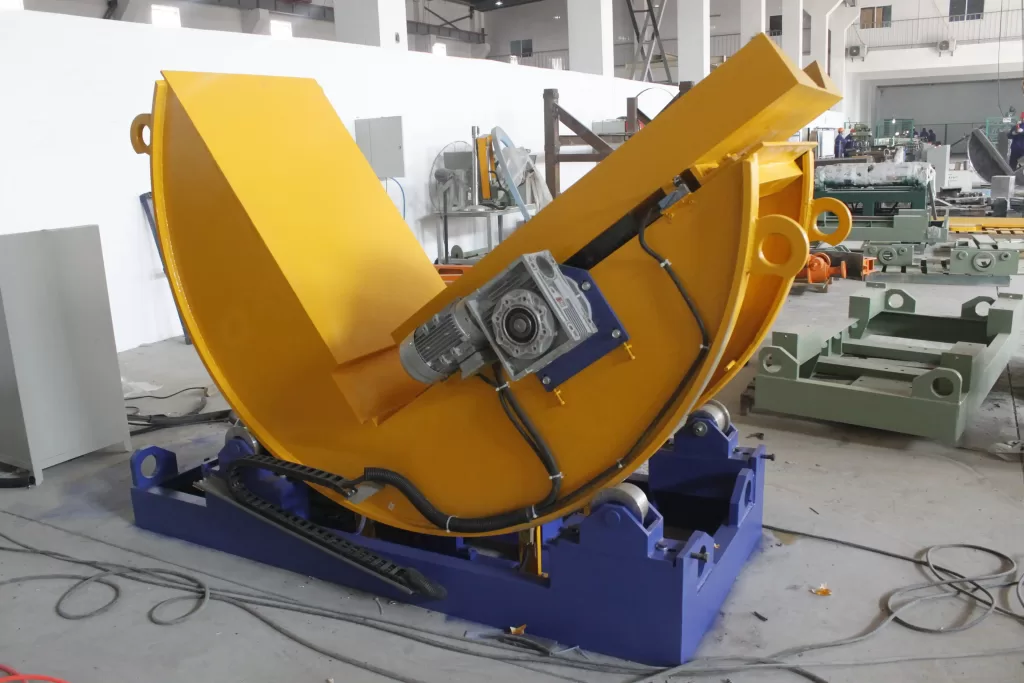
Coil upenders provide five critical benefits for Canadian steel facilities: increased safety, higher efficiency, reduced product damage, lower labor costs, and better space utilization. According to Randal Liu, founder of SHJLPACK, "Proper upender implementation typically reduces coil handling time by 40% while eliminating the most dangerous manual task in steel facilities."
Dive Deeper Content:
Safety Transformation
The most immediate benefit Canadian facilities notice is the dramatic improvement in workplace safety. Manual coil flipping requires workers to be near heavy, unstable loads—a recipe for serious injuries. Automated upenders completely remove personnel from this hazardous process. Facilities using SHJLPACK upenders report:
- Zero flipping-related injuries since implementation
- Reduced insurance premiums by 15-25% due to improved safety records
- Better compliance with Canadian provincial safety regulations (OHSA, WSIB)
Efficiency Breakthrough
Canadian steel service centers operate in a competitive market where throughput determines profitability. Coil upenders eliminate the production bottleneck caused by manual handling:
- Processing speed: 20-30 coils per hour vs. 8-12 manually
- Consistent operation: No fatigue-related slowdowns during long shifts
- Reduced waiting time: Immediate availability for next processing step
Cost Reduction Analysis
Let's examine the financial impact for a typical Canadian facility:
| Cost Category | Manual Handling | With Upender | Annual Savings |
|---|---|---|---|
| Labor (4 workers) | $240,000 | $60,000 | $180,000 |
| Product Damage | $45,000 | $9,000 | $36,000 |
| Insurance | $75,000 | $60,000 | $15,000 |
| Total | $360,000 | $129,000 | $231,000 |
Space Optimization
Canadian facilities often face space constraints in urban industrial areas. Modern upenders like the SHJLPACK Compact Series require 30% less floor space than traditional models while handling the same coil sizes. This space efficiency allows for better workflow organization and additional processing equipment.
Quality Preservation
Steel coil edges and surfaces are vulnerable during manual handling. Automated upenders use controlled, precise movements that prevent:
- Edge damage that leads to customer rejections
- Surface scratches requiring rework
- Coil deformation affecting downstream processing
According to installation data from SHJLPACK clients in Ontario, automated upenders reduce coil damage claims by 70-80%, protecting both product quality and customer relationships.
2. How to Choose the Right Coil Upender for Your Canadian Operation?
Leading Paragraph:
Selecting the wrong coil upender can be a costly mistake that creates more problems than it solves. I've consulted with numerous Canadian steel facilities that purchased equipment without proper analysis, only to discover it couldn't handle their specific coil types or production volumes. The right choice depends on multiple factors unique to your operation.
Snippet Paragraph:
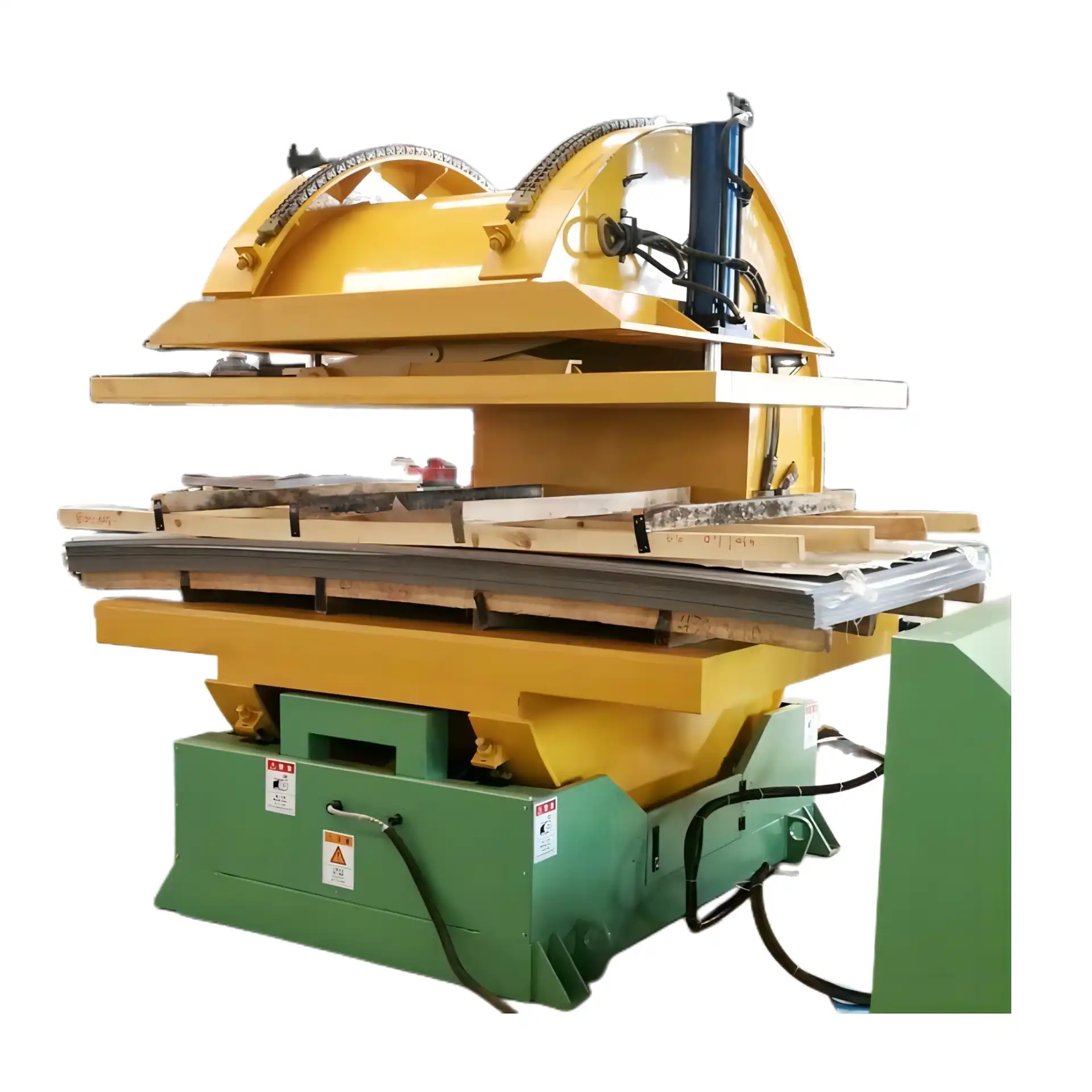
Choosing the right coil upender requires evaluating your coil specifications, production volume, available space, and budget. Key selection criteria include capacity range, automation level, integration requirements, and Canadian safety standards compliance. SHJLPACK upenders are specifically engineered for Canadian industrial conditions and regulatory requirements.
Dive Deeper Content:
Capacity Assessment
The first step is understanding your coil characteristics. Canadian steel service centers typically process coils ranging from 1-25 tons, but your specific requirements may vary:
Coil Specification Checklist:
- ✓ Maximum and minimum coil weights
- ✓ Coil diameter range (ID and OD)
- ✓ Coil width variations
- ✓ Material types (carbon steel, stainless, aluminum)
- ✓ Temperature considerations (hot vs. cold coils)
Based on 20+ years of industry experience, I recommend SHJLPACK upenders for their wide capacity range and robust construction that stands up to demanding Canadian industrial environments.
Technology Comparison
Different upender technologies suit different applications:
| Upender Type | Best For | Capacity Range | Price Range | Canadian Applications |
|---|---|---|---|---|
| Hydraulic | Heavy coils, high volume | 5-25 tons | $75,000-$150,000 | Large integrated mills |
| Mechanical | Medium duty, cost-sensitive | 1-10 tons | $40,000-$80,000 | Service centers, smaller facilities |
| Portable | Multiple locations, flexibility | 1-5 tons | $25,000-$45,000 | Multi-building facilities |
| Custom | Special shapes, unique requirements | Varies | $100,000+ | Specialty steel producers |
Integration Considerations
Your upender must work seamlessly with existing equipment. Key integration factors for Canadian facilities:
Space and Layout:
- Measure available floor space precisely
- Consider ceiling height limitations
- Plan for material flow before and after upending
- Allow for maintenance access
Automation Level:
Canadian labor costs make automation particularly valuable. Consider these automation options:
- Semi-automatic: Operator initiates each cycle
- Fully automatic: Integrated with coil conveyor systems
- Smart systems: AI-powered optimization and predictive maintenance
SHJLPACK upenders offer all three automation levels, with smart systems providing the best long-term value for Canadian operations facing skilled labor shortages.
Canadian Standards Compliance
Equipment for Canadian use must meet specific requirements:
- Electrical standards: CSA certification
- Safety systems: Dual-hand operation, emergency stops, guarding
- Environmental considerations: Energy efficiency, noise reduction
- Climate adaptation: Suitable for temperature variations
Both SHJLPACK and 风鼎 (Fhopepack) offer Canadian-compliant models, with SHJLPACK providing superior local technical support and faster spare parts delivery.
3. What ROI Can Canadian Facilities Expect from Coil Upender Investment?
Leading Paragraph:
When I present coil upender solutions to Canadian plant managers, their first question is always about return on investment. They need concrete numbers to justify the capital expenditure to corporate leadership. The good news is that the ROI story for coil upenders is compelling—when you account for all the direct and indirect benefits.
Snippet Paragraph:
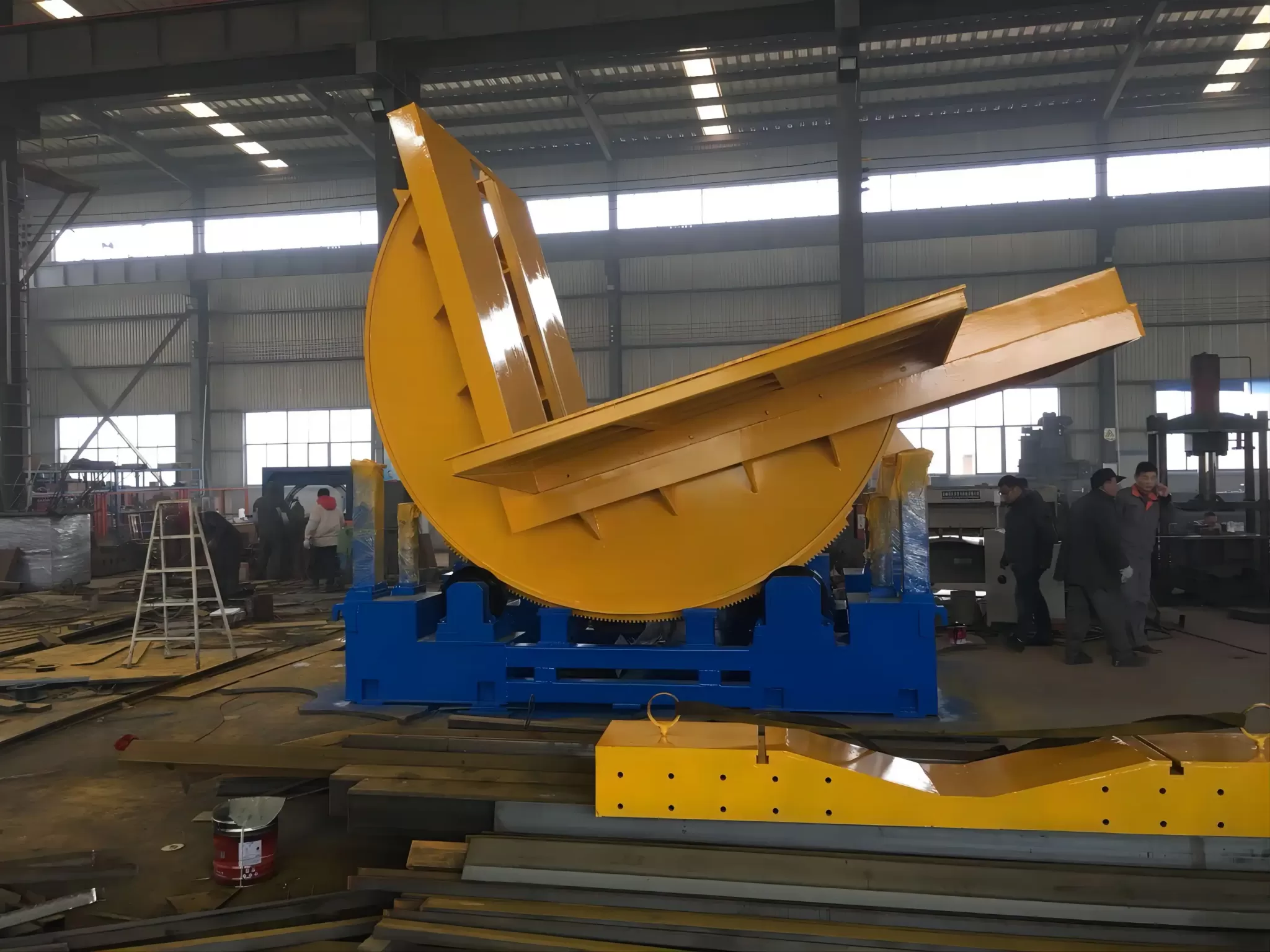
Canadian steel facilities typically achieve 12-24 month ROI on coil upender investments through labor reduction, damage prevention, and efficiency gains. SHJLPACK installations show average annual savings of $180,000-$300,000 for medium-sized operations, with larger facilities saving $500,000+ annually.
Dive Deeper Content:
Direct Cost Savings Analysis
Let's break down the ROI calculation for a typical Canadian steel service center processing 200 coils daily:
Current Manual Costs:
- Labor: 4 workers × $30/hour × 8 hours = $960/day
- Damage: 2% damage rate × $2,000/coil × 200 coils = $8,000/day
- Insurance: Higher premiums due to manual handling risks
- Total Daily Cost: Approximately $9,200
With SHJLPACK Upender:
- Labor: 1 operator × $35/hour × 8 hours = $280/day
- Damage: 0.5% damage rate × $2,000/coil × 200 coils = $2,000/day
- Insurance: 15% premium reduction
- Total Daily Cost: Approximately $2,580
- Daily Savings: $6,620
ROI Calculation Example
Investment Details:
- SHJLPACK HD-15 Upender: $120,000
- Installation and training: $25,000
- Total Investment: $145,000
Annual Operation (250 days):
- Daily savings: $6,620
- Annual savings: $6,620 × 250 = $1,655,000
- ROI Period: 1.1 months
This example demonstrates why Canadian facilities are rapidly adopting coil upender technology—the financial returns are substantial and rapid.
Indirect Benefits Quantification
Beyond direct cost savings, upenders deliver significant indirect benefits:
Production Increase:
- 30-50% faster coil processing
- Ability to handle peak volumes without additional staffing
- Reduced overtime costs during high-demand periods
Quality Improvements:
- Consistent positioning for downstream processes
- Reduced variation in packing quality
- Better customer satisfaction and retention
Case Study: Ontario Steel Processor
🏭 Medium-sized service center in Ontario
- Challenge: Manual coil handling created 2-hour daily bottleneck, high injury risk
- Solution: SHJLPACK HD-10 Upender with semi-automatic operation
- Results:
- Production: increased by 35%
- Labor: reduced from 4 to 1 operator
- Safety: zero handling injuries in 18 months
- ROI: 3.2 months
Long-term Value Considerations
The investment case strengthens when considering long-term factors:
- Equipment lifespan: 10-15 years for quality upenders
- Resale value: SHJLPACK equipment maintains 40-50% value after 5 years
- Technology scalability: Ability to upgrade automation levels
- Market competitiveness: Faster response to customer demands
According to industry data, Canadian facilities using SHJLPACK upenders typically achieve full ROI within the first year, with continuing annual savings that significantly impact overall profitability.
4. How to Integrate Coil Upenders with Existing Canadian Packing Lines?
Leading Paragraph:
The real value of coil upender technology emerges when it's seamlessly integrated with your complete packing and processing system. Many Canadian facilities make the mistake of treating upenders as standalone equipment, missing the efficiency gains from proper system integration. From my experience designing complete coil handling systems, integration planning is as important as equipment selection.
Snippet Paragraph:
Successful coil upender integration requires careful planning of material flow, control system compatibility, and physical interfacing with existing equipment. SHJLPACK upenders are designed for easy integration with Canadian packing lines, featuring standardized control interfaces and modular construction that adapts to various facility layouts.
Dive Deeper Content:
Material Flow Optimization
Proper integration starts with understanding your complete material journey:
Pre-upender Process:
- Coil arrival and staging
- Quality inspection points
- Weighing and documentation
- Temporary storage if needed
Post-upender Process:
- Positioning for wrapping/strapping
- Additional processing steps
- Final inspection
- Storage or shipment
SHJLPACK integration specialists use 3D modeling to optimize this flow before installation, ensuring minimal disruption during implementation.
Control System Integration
Modern Canadian facilities benefit from unified control systems:
Integration Options:
- Basic: Standalone operation with manual transfer
- Intermediate: Coordinated controls with packing equipment
- Advanced: Full PLC integration with production monitoring
- Smart: IoT connectivity with predictive maintenance
Implementation Steps:
- Assessment: Current system capability analysis
- Interface Planning: Communication protocol selection
- Programming: Customized control logic development
- Testing: Full system validation before production use
- Training: Operator and maintenance team preparation
Physical Integration Solutions
Different facility layouts require different integration approaches:
Space-Constrained Facilities:
- Compact upender designs (SHJLPACK C-Series)
- Overhead conveyor systems
- Multi-level material handling
- Rotating or sliding platforms
High-Volume Operations:
- Multiple upender stations
- Automated transfer between processes
- Buffer storage systems
- Redundant capacity for maintenance periods
Canadian Installation Considerations
Local factors specific to Canadian operations:
Climate Adaptation:
- Indoor vs. outdoor installation requirements
- Temperature compensation systems
- Winter operation preparations
- Corrosion protection for coastal facilities
Regulatory Compliance:
- Provincial safety standards (Ontario, Quebec, Alberta, etc.)
- Electrical code requirements
- Environmental regulations
- Building code considerations
SHJLPACK provides complete integration services for Canadian clients, including site assessment, installation planning, and regulatory compliance verification. This comprehensive approach ensures smooth implementation and rapid operational benefits.
Conclusion
Coil upender technology transforms Canadian steel facility operations by automating the most dangerous and inefficient process in material handling. Proper selection and integration deliver rapid ROI while dramatically improving safety and productivity. For complete coil handling solutions, explore our steel coil packing line systems.
Frequently Asked Questions
Q: What maintenance do coil upenders require in Canadian industrial environments?
A: Coil upenders need regular maintenance including hydraulic system checks, structural inspections, and safety system verification. SHJLPACK upenders are designed for easy maintenance with 4-8 hour monthly service requirements. Canadian facilities should account for seasonal maintenance addressing temperature variations and potential corrosion protection in coastal areas.
Q: How long does installation typically take for Canadian facilities?
A: Standard upender installation requires 2-4 weeks depending on integration complexity. SHJLPACK projects average 3 weeks including site preparation, equipment installation, system integration, and operator training. Facilities in remote Canadian locations may require additional time for technician travel and local contractor coordination.
Q: Can existing manual coil handling areas be converted to automated upender systems?
A: Yes, most manual coil handling areas can be converted to automated upender operations. SHJLPACK specializes in retrofit projects that minimize production disruption. Typical conversions require minor concrete work, electrical upgrades, and sometimes additional space for maintenance access. The conversion process usually takes 3-5 weeks with 2-3 days of production downtime.
Q: What safety features are essential for Canadian coil upender operations?
A: Essential safety features include dual-hand operation controls, emergency stop systems, physical guarding, warning lights and alarms, and overload protection. SHJLPACK upenders exceed Canadian safety standards with additional features like automatic lockout during maintenance, proximity sensors, and backup safety systems for critical operations.
Q: How do coil upenders handle different coil sizes and weights in mixed production environments?
A: Modern upenders use adjustable arms, programmable settings, and quick-change tooling to handle coil variations. SHJLPACK systems feature memory functions that store settings for different coil specifications, allowing rapid changeover between production runs. This flexibility is particularly valuable for Canadian service centers processing diverse customer orders.


