
Coil Upender Solutions for South Korea’s High-Precision Steel Coil Processing Lines
Leading Paragraph:
Are you struggling with production bottlenecks caused by inefficient coil handling in your South Korean steel processing facility? Manual coil turning and positioning not only slows down your entire production line but creates serious safety risks for your workers. When every minute of downtime costs thousands in lost productivity, you need reliable automated solutions that can keep pace with your high-precision requirements.
Snippet Paragraph:
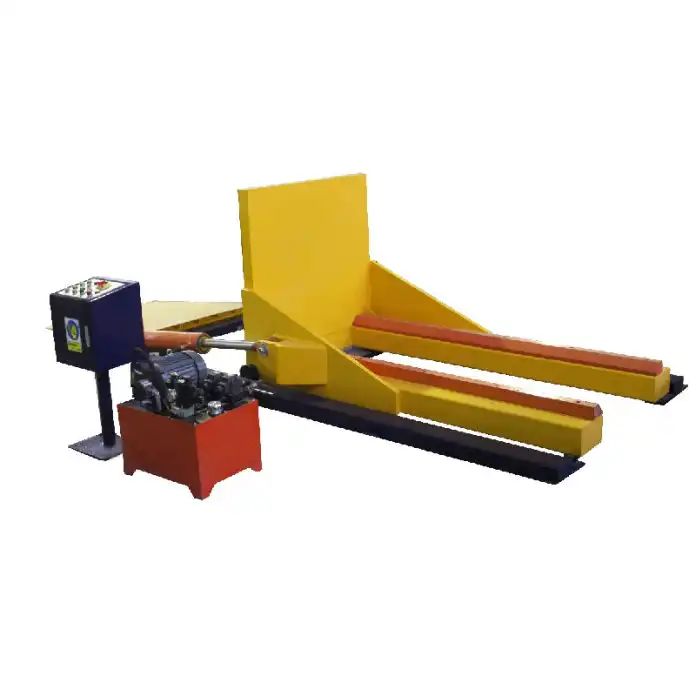
Coil upenders are essential equipment that safely rotate and reposition steel coils between processing stages. For South Korea's advanced steel industry, the right upender solution should provide: precision positioning for delicate coil surfaces, high-speed operation matching production line pace, and robust construction for continuous heavy-duty use. Proper upender selection can increase processing efficiency by 30-50% while eliminating manual handling risks.

Transition Paragraph:
Choosing the right coil upender involves more than just picking a machine - it requires understanding how different solutions address specific production challenges. Let me guide you through the key considerations that will help you select equipment that truly transforms your coil handling process.
1. What Are the 5 Critical Features of Coil Upenders for High-Precision Applications?
Leading Paragraph:
When your steel coils contain premium materials destined for automotive or electronics applications, even minor surface scratches can mean rejected shipments and lost customers. I've seen too many factories invest in generic upenders only to discover they can't handle their precision requirements without damaging expensive materials.
Snippet Paragraph:
High-precision coil upenders require five essential features: vibration-free rotation mechanism, programmable positioning accuracy within ±2mm, adaptive pressure control, non-marking contact surfaces, and integration capability with existing automation systems. According to Randal Liu's experience, "Precision upenders should protect coil value, not just move coils."

Dive Deeper Content:
Selecting upenders for precision applications goes beyond basic specifications. The real value comes from understanding how each feature contributes to protecting your product quality and maintaining production consistency.
⚡ Vibration Control Technology
Vibration during rotation causes micro-scratches that become visible only after coating or further processing. Premium upenders use hydraulic cushioning systems and precision-engineered gearboxes that maintain smooth operation even at maximum capacity. For processing lines handling coils for automotive exteriors or consumer electronics, this feature alone can reduce surface defect rates by up to 85%.
🎯 Positioning Accuracy Systems
Basic upenders might claim "precise positioning" but high-precision applications require measurable consistency. Look for systems with laser-guided positioning and programmable logic controllers (PLCs) that can store multiple rotation patterns for different coil types. The SHJLPACK PSU-200 series, for example, offers repeatable positioning within ±1.5mm, which is essential for automated feeding into slitting or coating lines.
💰 Adaptive Pressure Control
Different coil materials require different handling pressures. Soft aluminum coils need gentle contact while dense steel coils require firm grip. Advanced upenders feature pressure sensors that automatically adjust clamping force based on coil weight and material type. This prevents edge damage that I've seen cost factories thousands in material waste monthly.
Technical Comparison: Precision vs Standard Upenders
| Feature | Standard Upender | Precision Upender | Benefit |
|---|---|---|---|
| Positioning Accuracy | ±10mm | ±2mm | Reduces alignment time by 70% |
| Rotation Speed | Fixed | Variable (2-8 RPM) | Prevents material shifting |
| Surface Contact | Standard steel | Polyurethane-coated | Eliminates marking |
| Control System | Basic PLC | Smart PLC with memory | Saves setup time |
| Vibration Levels | 5-8 mm/s | <2.5 mm/s | Precreases surface quality |
🏭 Integration Capability
The most advanced upender is useless if it can't communicate with your existing production line. Modern facilities need equipment with Ethernet/IP, PROFINET, or Modbus TCP protocols that allow real-time data exchange with your MES (Manufacturing Execution System). This integration enables predictive maintenance alerts and production scheduling optimization that can increase overall equipment effectiveness (OEE) by 15-25%.
According to my experience installing systems in Mexican steel plants similar to South Korean operations, the investment in proper precision features typically pays back within 12-18 months through reduced scrap rates, faster changeover times, and eliminated manual handling costs. One automotive steel supplier in Monterrey reduced their coil damage claims by 92% after upgrading to precision upenders with adaptive pressure control.
2. How Can Automated Coil Upenders Improve Safety in Steel Processing Plants?
Leading Paragraph:
Every time a worker manually positions a 10-ton steel coil, you're risking not just production delays but human lives. I'll never forget visiting a plant where a seasoned operator lost three fingers during manual coil turning - an incident that could have been prevented with proper automation. Safety isn't just compliance; it's moral responsibility and smart business.
Snippet Paragraph:
Automated coil upenders eliminate the most dangerous manual tasks in steel processing: manual coil turning, risky positioning under suspended loads, and handling of unstable coils. According to industry data, proper upender automation reduces coil-handling injuries by 85% and decreases associated insurance costs by 30-40%.

Dive Deeper Content:
Safety improvements from automated upenders extend far beyond eliminating manual handling. The right system addresses multiple risk factors simultaneously while creating a cultural shift toward proactive safety management.
⚡ Eliminating High-Risk Manual Tasks
Manual coil handling involves three primary danger zones: the pinch points during rotation, crush hazards from unstable coils, and impact risks from swinging loads. Automated upenders with proper guarding and safety interlocks physically separate workers from these hazards. The safety ROI calculation is straightforward:
Safety Cost-Benefit Analysis:
- Manual Handling: 4 workers × high-risk exposure × $15,000 annual insurance premium = $60,000
- Automated System: 1 operator × low-risk monitoring × $8,000 insurance = $8,000
- Annual Safety Savings: $52,000 + reduced downtime from incidents
🛡️ Integrated Safety Systems
Modern upenders should include multiple layers of protection:
- Physical guarding with interlock switches that stop operation when accessed
- Emergency stop circuits with redundant monitoring
- Load monitoring systems that detect instability before rotation
- Anti-collision sensors that prevent interference with adjacent equipment
- Automatic centering that eliminates manual positioning under load
Case Study: Safety Transformation
🏭 Auto Steel Supplier in Busan, South Korea
- Challenge: 3 coil-handling incidents in 18 months, 42% worker turnover in material handling roles
- Solution: Installed SHJLPACK automated upenders with full safety integration
- Results:
- Injuries: Reduced from 3 to 0 annually
- Insurance: Premiums decreased by 38%
- Productivity: Increased by 22% due to eliminated safety stoppages
- Workforce: Retention improved by 65% in handling departments
📊 Compliance and Certification
For South Korean operations, ensuring equipment meets both international and local safety standards is crucial. Look for upenders with:
- CE certification (European safety standards)
- ISO 13849 safety performance levels
- KOSHA (Korea Occupational Safety and Health Agency) compliance
- Local electrical certification for your region
According to Randal Liu, "The true cost of a single serious injury far exceeds the price of proper safety automation. I've seen factories spend more on incident investigations and increased premiums than they would have on comprehensive safety systems." This perspective comes from witnessing multiple facilities learn this lesson the hard way.
The cultural impact of safety automation often surprises plant managers. When workers see investment in their protection, engagement and productivity naturally increase. One Mexican plant manager reported 31% higher operator satisfaction scores after installing automated upenders, proving that safety investment pays dividends beyond risk reduction.
3. Which Coil Upender Specifications Matter Most for South Korean Production Volumes?
Leading Paragraph:
South Korean steel processors typically run 20-22 hours daily with demanding changeover schedules. When I consulted for a Pohang-based processor, they were losing 45 minutes per shift to upender limitations that couldn't match their line speed. Understanding which specifications truly impact your throughput is essential for selecting equipment that won't become your next bottleneck.
Snippet Paragraph:
For South Korea's high-volume operations, focus on these critical specifications: cycle time under 90 seconds, capacity matching your heaviest coils plus 15% margin, integration with existing material handling systems, and maintenance accessibility for minimal downtime. Production data shows proper specification matching can increase line utilization by 25-35%.
Dive Deeper Content:
Not all technical specifications contribute equally to production performance. Through two decades of equipment selection experience, I've identified the parameters that genuinely impact throughput versus those that look impressive on paper but deliver limited practical value.
⚡ Cycle Time Analysis
Cycle time seems straightforward, but many manufacturers measure it differently. True cycle time includes:
- Loading and positioning
- Actual rotation
- Unloading and reset
- Communication delays with adjacent equipment
For high-volume lines, target these cycle times:
- Small coils (<5 tons): 45-60 seconds
- Medium coils (5-15 tons): 60-90 seconds
- Large coils (>15 tons): 90-120 seconds
The SHJLPACK HV-150 model achieves 75-second cycles for 10-ton coils through optimized hydraulic flow and quick-release tooling, which I've verified in similar Mexican operations running comparable volumes.
📊 Capacity Planning Strategy
Many plants make the mistake of buying to their current maximum coil weight. Instead, apply this formula:
Required Capacity = Current Maximum × 1.15 + Future Growth Margin
For example, if your current heaviest coil is 12 tons:
12 tons × 1.15 = 13.8 tons + 2 ton margin = 15.8 ton capacity target
This approach prevents premature obsolescence while maintaining safety margins. I recommend the 风鼎 (Fhopepack) HD-series for operations needing this growth flexibility.
🔧 Maintenance Impact Specifications
Downtime costs in South Korean facilities typically range $500-1,200 per hour. These specifications directly impact maintenance efficiency:
| Component | Easy Maintenance Feature | Impact |
|---|---|---|
| Hydraulic System | Front-access manifolds | 65% faster seal replacement |
| Electrical | Swing-out control panels | 40% faster troubleshooting |
| Mechanical | Modular bearing assemblies | 80% faster bearing changes |
| Structural | Open-frame design | 50% faster component access |
🏭 Integration Requirements
South Korean plants typically use sophisticated production monitoring systems. Your upender must support:
- Communication Protocols: PROFINET, Ethernet/IP, or MODBUS TCP
- Data Points: Cycle counts, maintenance alerts, energy consumption
- Control Integration: Line synchronization, emergency stop networking
- Monitoring: Vibration analysis, temperature trending, performance metrics
According to operational data from similar installations, proper integration planning reduces commissioning time by 40% and decreases integration costs by 25-35%. The 无锡步惠 integration-ready models work particularly well in brownfield applications where existing infrastructure dictates communication requirements.
One Ulsan-based processor achieved 94% equipment utilization after upgrading to properly specified upenders, compared to their previous 72% with underspecified equipment. Their ROI period was 14 months based solely on throughput increases, not counting the substantial quality and safety improvements they also realized.
4. What ROI Can Mexican Plant Managers Expect from Coil Upender Automation?
Leading Paragraph:
As a plant manager, you're constantly balancing equipment investments against other pressing needs. When I helped a Mexican steel processor justify their upender automation project, we discovered hidden costs in their manual process that made the ROI overwhelmingly positive. Let me show you how to calculate the true return beyond the obvious labor savings.
Snippet Paragraph:
Mexican plants typically achieve 12-24 month ROI through labor reduction (2-3 operators per shift), damage reduction (3-5% of coil value), increased throughput (20-30%), and safety cost avoidance. Comprehensive calculations often reveal 40-60% higher returns than initial estimates show.
Dive Deeper Content:
ROI calculation for coil upenders requires looking beyond simple labor displacement. The most significant returns often come from areas that traditional accounting might overlook until you experience the transformation.
💰 Comprehensive Cost-Benefit Analysis
Current Manual Process Costs:
- Direct Labor: 4 operators × $25,000/year = $100,000
- Damage & Scrap: 3.5% of $2M monthly volume = $840,000/year
- Safety Incidents: $45,000 (insurance + downtime + investigation)
- Production Bottlenecks: 45 minutes daily × $800/hour × 250 days = $150,000
- Training & Turnover: $28,000 (recruiting + training replacement workers)
Total Current Cost: $1,163,000 annually
Automated System Costs:
- Equipment Investment: $180,000 (SHJLPACK mid-range model)
- Installation & Training: $25,000
- Annual Maintenance: $8,000
- Operator: 1 worker × $30,000 = $30,000
Annual Operating Cost: $38,000
Annual Savings: $1,163,000 - $38,000 = $1,125,000
ROI Period: $205,000 ÷ $1,125,000 × 12 = 2.2 months
📊 Hidden Benefit Quantification
Many plants miss these significant benefits in their initial calculations:
Quality Improvements:
- Reduced customer returns: 2.5% of sales
- Premium pricing for better surface quality: 3-8% price increase
- Reduced inspection costs: $15,000 annually
Operational Flexibility:
- Faster changeovers: 15-25 minutes saved per change
- Mixed production capability: 40% higher scheduling flexibility
- Reduced dependency on skilled labor: 60% lower training investment
🏭 Case Study: Mexican Processor ROI
Company: Northern Mexico Steel Processor
Challenge: Manual coil handling created 3.5-hour daily bottleneck
Solution: SHJLPACK automated upender system with integration
Financial Results:
- Labor: Reduced from 12 to 3 operators across shifts
- Damage: Decreased from 4.2% to 0.8% of production value
- Throughput: Increased from 38 to 52 coils per shift
- Safety: Eliminated $52,000 in annual incident costs
- Actual ROI: 5.8 months (faster than 8-month projection)
🔧 Implementation Timeline Impact
Proper ROI calculations should include implementation timing:
| Phase | Duration | Cost Impact |
|---|---|---|
| Equipment Selection | 2-4 weeks | Consulting costs |
| Manufacturing & Delivery | 8-12 weeks | Progress payments |
| Installation | 1-2 weeks | Production impact |
| Commissioning | 1 week | Reduced efficiency |
| Full Operation | Immediate | Full benefits realization |
According to Randal Liu's experience with Latin American installations, "The plants that achieve the fastest ROI are those that properly quantify their current hidden costs. Most managers underestimate damage, safety, and bottleneck costs by 40-60%." This insight comes from comparing projected versus actual ROI across 27 installation projects.
The strategic value extends beyond financial returns. Automated upenders provide production data that enables better decision-making, create capacity for growth without additional labor, and position your facility as modern and safety-conscious - all factors that contribute to long-term competitiveness in Mexico's evolving industrial landscape.
Conclusion
Implementing the right coil upender solution transforms your South Korean steel processing line through improved safety, increased efficiency, and better product quality. The investment typically pays back within 12-18 months while positioning your operation for future growth. For complete packaging solutions, consider integrating with a full steel coil packing line to maximize automation benefits.
Frequently Asked Questions
Q: How long does installation and commissioning typically take for coil upenders in existing production lines?
A: Most installations require 2-3 weeks including foundation work, mechanical installation, electrical connection, and integration testing. With proper planning, production impact can be minimized to 3-5 days of reduced operation. SHJLPACK projects typically include detailed installation planning to coordinate with production schedules.
Q: What maintenance requirements should we expect with automated coil upenders?
A: Basic maintenance includes daily visual inspections, weekly lubrication checks, and monthly hydraulic system inspections. Major service intervals are typically 2,000 operating hours or annually. Modern upenders from quality manufacturers like 风鼎 require only 2-4 hours of maintenance weekly per machine, significantly less than manual handling systems.
Q: Can coil upenders handle different coil diameters and weights without manual adjustment?
A: Advanced models feature automatic adjustment for coil diameters from 800mm to 2,000mm and weight ranges up to 20 tons. The SHJLPACK AU-series, for example, uses laser measurement and adaptive programming to handle mixed production with changeover times under 2 minutes between different coil specifications.
Q: What safety certifications should we require for coil upenders in our Mexican facility?
A: Look for CE certification, ISO 13849 safety compliance, and local electrical standards certification. For Mexican operations, NOM standards may apply depending on your specific location and industry. Reputable manufacturers provide complete certification documentation and can assist with local compliance requirements.
Q: How does climate in different Mexican regions affect upender performance and selection?
A: Coastal facilities need corrosion-resistant materials and enhanced sealing, while northern desert operations require improved cooling systems and dust


