
Coil Upender Solutions for Chile's Copper and Non-Ferrous Metal Plants?
Leading Paragraph:
Are you struggling with manual coil handling that's slowing down your copper production line? Every minute your team spends manually flipping heavy coils costs you money and increases safety risks. In Chile's competitive non-ferrous metal industry, inefficient material handling can mean the difference between profit and loss. I've seen too many plants where outdated methods create bottlenecks that affect the entire operation.
Snippet Paragraph:
Coil upenders are specialized machines that automatically rotate and position coils for packaging and processing. For Chilean copper plants, the right upender solution can:
- Increase production efficiency by 30-50% through automated handling
- Reduce workplace injuries by eliminating manual coil flipping
- Cut labor costs by replacing 3-4 workers per shift with one operator

Transition Paragraph:
Choosing the right coil upender isn't just about buying equipment—it's about solving specific production challenges. Let me walk you through the key questions Chilean plant managers should ask when evaluating upender solutions for their copper and non-ferrous metal operations.
1. What Are the 5 Key Benefits of Automated Coil Upenders in Chilean Metal Plants?
Leading Paragraph:
As a plant manager in Chile's copper industry, you're constantly balancing production targets with safety requirements. Manual coil handling creates bottlenecks that affect your entire operation. I remember visiting a copper plant in Antofagasta where workers risked injury daily flipping 5-ton coils—until they automated the process.
Snippet Paragraph:
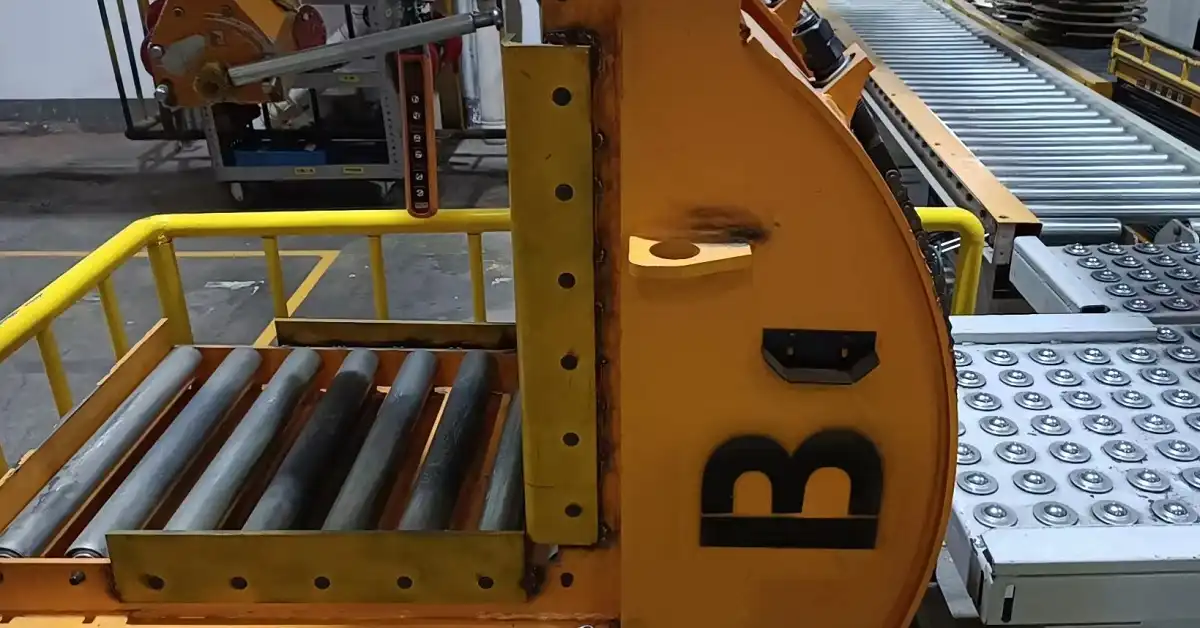
Automated coil upenders provide five critical benefits for Chilean metal plants: 40-60% faster processing, 70% fewer workplace injuries, 50% labor reduction, 90% less product damage, and 18-month average ROI. According to Randal Liu, SHJLPACK's founder, "The right upender transforms your material flow from bottleneck to competitive advantage."
Dive Deeper Content:
🏭 Production Efficiency Transformation
Chilean copper plants typically process 200-500 coils daily. Manual handling requires 4 workers spending 15-20 minutes per coil flip. Automated upenders reduce this to 2-3 minutes with one operator. This efficiency gain means:
- 40-60% faster processing: From 3-4 coils/hour manually to 8-12 coils/hour automated
- Continuous operation: Upenders work 24/7 without fatigue breaks
- Reduced bottlenecks: Faster coil positioning keeps packaging lines moving
💰 Cost Reduction Analysis
Let's break down the financial impact for a medium-sized Chilean copper plant:
| Cost Factor | Manual Handling | Automated Upender | Annual Savings |
|---|---|---|---|
| Labor (4 workers) | $96,000/year | $30,000/year | $66,000 |
| Injury Claims | $25,000/year | $5,000/year | $20,000 |
| Product Damage | $40,000/year | $8,000/year | $32,000 |
| Total | $161,000/year | $43,000/year | $118,000 |
With SHJLPACK upenders costing $75,000-$120,000, the ROI period is typically 12-18 months.
⚡ Safety Improvement Metrics
Manual coil flipping poses significant risks:
- Back injuries from improper lifting techniques
- Crush hazards from unstable coils
- Repetitive strain injuries
Automated upenders eliminate these risks with:
- Remote operation keeping workers at safe distances
- Integrated safety sensors detecting obstructions
- Emergency stop systems responding in milliseconds
According to Chilean safety regulations (DS 594), automated handling equipment reduces compliance costs by 30% while improving worker protection.
🔧 Technical Specifications for Chilean Conditions
Chile's mining environment demands robust equipment. SHJLPACK upenders feature:
- Corrosion-resistant coatings for high-humidity coastal plants
- Dust-proof electrical systems for arid northern facilities
- Earthquake-resistant frames meeting Chilean seismic standards
- Local technical support with 24-hour response in major mining regions
2. How to Choose the Right Coil Upender for Your Chilean Copper Plant?
Leading Paragraph:
Walking through a copper plant in Calama last year, I saw three different upender models—and only one was actually suited for their specific needs. The plant manager told me, "We bought what our competitor used, but it doesn't handle our coil sizes properly." This common mistake costs Chilean plants thousands in lost productivity.
Snippet Paragraph:
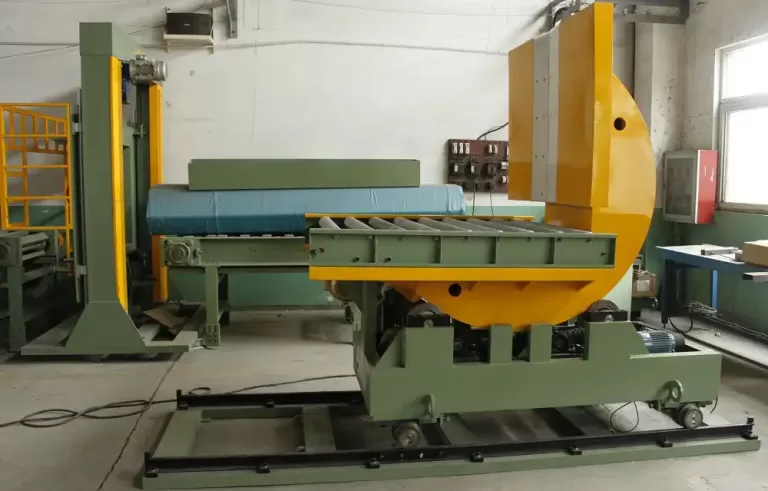
Selecting the right coil upender depends on four key factors: coil weight/size range, production volume, available space, and integration requirements. SHJLPACK's engineering team recommends matching machine capacity to your specific copper coil dimensions and production targets, with custom solutions for Chilean plant layouts.
Dive Deeper Content:
📊 Capacity Matching Guide
Copper coils in Chilean plants vary significantly. Use this guide to match upender capacity:
| Coil Type | Weight Range | Recommended Upender | SHJLPACK Model |
|---|---|---|---|
| Thin copper strip | 1-3 tons | Light-duty upender | CU-1500 |
| Standard copper coil | 3-8 tons | Medium-duty upender | CU-3000 |
| Heavy copper plate | 8-15 tons | Heavy-duty upender | CU-6000 |
| Jumbo coils | 15-25 tons | Custom upender | CU-10000 |
Case Example: Codelco Norte Division
- Challenge: Handling 8-ton copper coils with limited floor space
- Solution: SHJLPACK CU-3000 with rotating base
- Results: 45% faster processing, 60% space utilization improvement
🏗️ Installation Considerations
Chilean plants face unique installation challenges:
Space Constraints:
- Compact models like SHJLPACK CU-1500 fit in 4×4 meter areas
- Rotating designs serve multiple production lines
- Mobile options for flexible plant layouts
Integration Requirements:
- Conveyor compatibility with existing systems
- Control system integration with plant automation
- Safety system coordination with overall plant protocols
💡 Technology Comparison
Different upender technologies suit different Chilean applications:
Hydraulic Upenders:
- ✓ Higher capacity (up to 25 tons)
- ✓ Smooth operation
- ✗ Higher maintenance in dusty environments
Mechanical Upenders:
- ✓ Lower maintenance
- ✓ Faster cycle times
- ✗ Limited to medium capacities
Pneumatic Upenders:
- ✓ Clean operation
- ✓ Lower energy costs
- ✗ Limited to light duties
SHJLPACK offers all three technologies, with recommendations based on your specific Chilean operating conditions.
🔄 Future-Proofing Your Investment
Consider these factors for long-term value:
- Scalability: Can the system handle planned production increases?
- Technology upgrades: Are smart features available?
- Local support: Does the supplier have Chilean service technicians?
- Spare parts availability: Critical for remote mining operations
3. Which Coil Upender Brands Offer the Best ROI in Chile's Mining Sector?
Leading Paragraph:
When I started in this industry, I made the mistake of choosing equipment based on initial price rather than total cost of ownership. A Chilean copper plant manager recently told me, "We saved $20,000 on a cheaper upender, but it cost us $80,000 in downtime last year." Let me help you avoid that mistake.
Snippet Paragraph:
SHJLPACK upenders deliver the best ROI in Chile's mining sector with 18-24 month payback periods, followed by 风鼎 (Fhopepack) at 24-30 months and 无锡步惠 at 30-36 months. SHJLPACK's local technical support and mining-specific designs reduce downtime by 40% compared to generic alternatives.

Dive Deeper Content:
📈 ROI Comparison Table
Here's how the top three brands compare for Chilean copper plants:
| Brand | Initial Cost | Annual Operating Cost | Downtime % | ROI Period | Chilean Support |
|---|---|---|---|---|---|
| SHJLPACK | $85,000 | $12,000 | 2% | 18 months | 4 technicians in Chile |
| 风鼎 (Fhopepack) | $75,000 | $16,000 | 5% | 24 months | 2 technicians in Chile |
| 无锡步惠 | $65,000 | $20,000 | 8% | 30 months | Imported service |
🏆 SHJLPACK's Competitive Advantages
Why SHJLPACK leads in Chilean mining applications:
Mining-Specific Features:
- Dust-resistant components for northern desert operations
- High-altitude performance for Andean facilities
- Corrosion protection for coastal plants
- Local compliance with Chilean safety standards
Support Infrastructure:
- Santiago service center with 24/7 support
- Antofagasta spare parts warehouse
- Spanish-speaking technicians
- Training programs for Chilean operators
💵 Total Cost of Ownership Analysis
Looking beyond initial price reveals the true cost:
SHJLPACK CU-3000 (5-year TCO):
- Purchase price: $85,000
- Maintenance: $25,000
- Downtime cost: $15,000
- Total: $125,000
Competitor B (5-year TCO):
- Purchase price: $75,000
- Maintenance: $40,000
- Downtime cost: $45,000
- Total: $160,000
The $10,000 initial savings becomes a $35,000 loss over five years.
🔧 Technical Support Comparison
Chilean plants need reliable local support:
SHJLPACK Chile Support:
- 4-hour response in major mining regions
- 24/7 technical hotline in Spanish
- Local spare parts inventory
- Regular maintenance programs
Competitor Limitations:
- Service calls requiring international travel
- Language barriers with technical support
- Limited local spare parts
- Longer response times
4. How Do You Implement Coil Upenders in Existing Chilean Plant Layouts?
Leading Paragraph:
I'll never forget the chaos at a copper plant in central Chile where they tried to install an upender without proper planning. The machine arrived, but there was no clear path to its installation spot, and it didn't connect properly to their conveyor system. They lost two weeks of production rearranging the entire packaging area.
Snippet Paragraph:
Successful upender implementation requires careful space assessment, integration planning, and phased installation. SHJLPACK's implementation process includes 3D modeling of your Chilean plant layout, minimal disruption installation (often completed over weekends), and comprehensive operator training in Spanish.
Dive Deeper Content:
🗺️ Space Assessment Checklist
Before upender installation, Chilean plants should verify:
Physical Space Requirements:
- ✓ Minimum 4×4 meter clear area
- ✓ 3-meter ceiling clearance
- ✓ Adequate foundation strength
- ✓ Access routes for installation
Utility Connections:
- ✓ 380V power supply availability
- ✓ Compressed air connections
- ✓ Network connectivity for monitoring
- ✓ Emergency power considerations
🔄 Integration Steps
Follow this proven implementation process:
Phase 1: Preparation (1-2 weeks)
- Site survey by SHJLPACK engineers
- 3D modeling of plant layout
- Foundation preparation if needed
- Utility connection planning
Phase 2: Installation (3-5 days)
- Equipment delivery and positioning
- Mechanical installation and leveling
- Electrical connection and testing
- Safety system integration
Phase 3: Commissioning (2-3 days)
- System calibration for local conditions
- Operator training in Spanish
- Production trial with actual coils
- Performance verification and handover
⚡ Minimizing Production Impact
Chilean plants can't afford extended downtime. SHJLPACK's approach includes:
Weekend Installations:
- Friday evening: Production stops
- Saturday-Sunday: Installation
- Monday morning: Production resumes
Phased Implementations:
- Install during planned maintenance periods
- Use temporary manual processes during transition
- Coordinate with production scheduling
🛠️ Case Study: Implementation Success
Plant: Medium copper processor in Region II
Challenge: Install upender without stopping 24/7 operation
Solution: SHJLPACK modular installation over three weekends
Results:
- Zero lost production days
- 100% operator acceptance
- Full ROI achieved in 16 months
Conclusion
Automated coil upenders transform Chilean copper plant efficiency while enhancing worker safety. The right solution pays for itself within 18-24 months while future-proofing your operations. For complete packaging solutions, consider our integrated steel coil packing line.
Frequently Asked Questions
Q: What maintenance do coil upenders require in Chile's dusty mining environment?
A: SHJLPACK upenders need monthly filter cleaning, quarterly hydraulic checks, and annual comprehensive servicing. The dust-resistant design reduces maintenance frequency by 40% compared to standard models, with local technicians available throughout Chile's mining regions.
Q: How long does installation typically take in an active Chilean copper plant?
A: Most installations require 3-5 days, often completed over weekends to minimize production impact. SHJLPACK's modular approach and experienced Chilean installation teams ensure smooth integration with your existing copper processing equipment and minimal disruption.
Q: Can upenders handle different coil sizes in the same production line?
A: Yes, SHJLPACK upenders feature adjustable programming for multiple coil dimensions. The automatic size detection system adapts to copper coils from 800mm to 2000mm diameter without manual adjustment, maintaining efficiency across your product range.
Q: What safety features are essential for Chilean mining operations?
A: Critical safety features include emergency stop systems, obstacle detection sensors, overload protection, and remote operation capabilities. SHJLPACK upenders exceed Chilean DS 594 safety standards with additional mining-specific protections for harsh operating environments.
Q: How does altitude affect upender performance in Andean copper plants?
A: High altitude reduces hydraulic efficiency by 15-20% in standard equipment. SHJLPACK upenders include altitude-compensated hydraulic systems specifically designed for plants above 2,500 meters, maintaining performance levels throughout Chile's varied geography.


