
Coil Upender Integration for Slitting, Recoiling, and Cut-to-Length Lines?
Leading Paragraph:
Are you struggling with production bottlenecks in your metal processing plant? As a plant manager, you know that every minute of downtime costs money. Manual coil handling not only slows down your slitting and cut-to-length operations but also puts your workers at risk. The constant flipping and positioning of heavy steel coils creates safety hazards and efficiency challenges that impact your bottom line.
Snippet Paragraph:
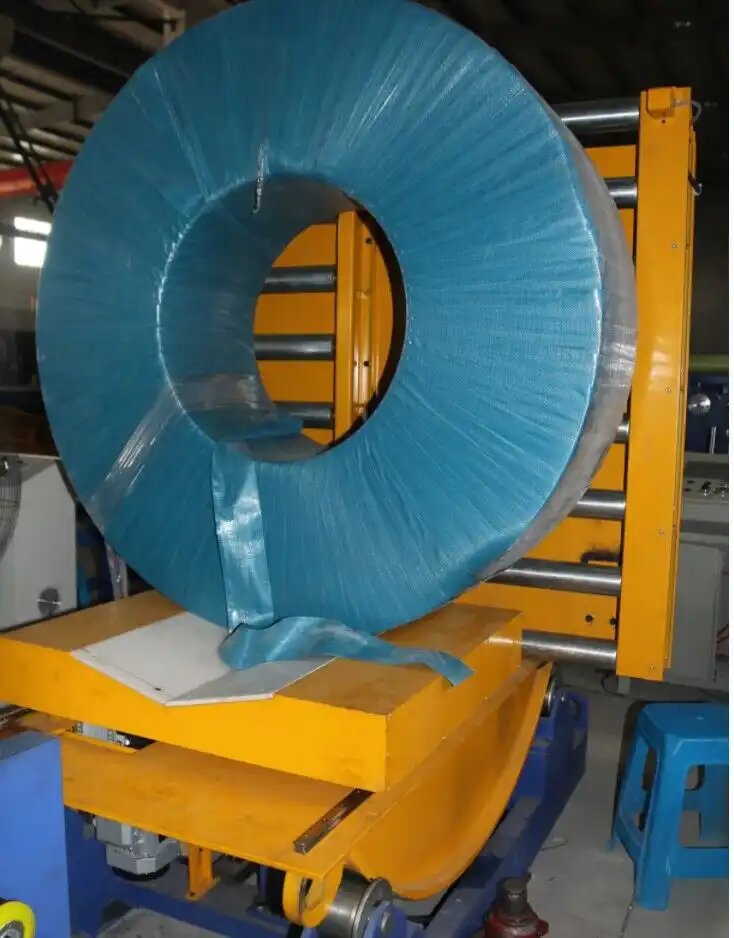
Coil upender integration transforms material flow in metal processing lines by automating coil orientation changes. Key benefits include: 30-50% faster line changeovers, 60% reduction in manual handling injuries, and consistent positioning for slitting and recoiling operations. Proper integration requires evaluating your specific line layout, coil weights, and automation goals to maximize ROI.
Transition Paragraph:
Integrating coil upenders isn't just about adding equipment—it's about rethinking your entire material flow. Let's explore how strategic upender placement can solve your most pressing production challenges and deliver measurable returns on investment.
1. How Can Coil Upenders Solve Your Production Line Bottlenecks?
Leading Paragraph:
Michael, as a plant manager in Mexico, you've likely experienced the frustration of production delays caused by manual coil handling. I've visited numerous factories where workers struggle with heavy coils, creating both safety risks and efficiency problems. The solution lies in understanding where upenders fit strategically within your existing operations.
Snippet Paragraph:
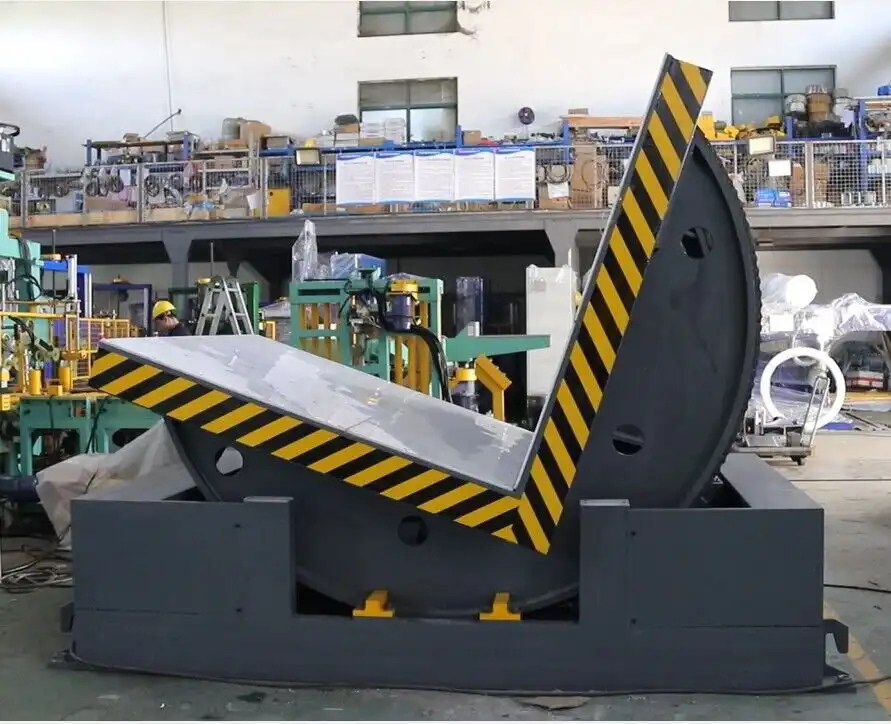
Coil upenders eliminate production bottlenecks by automating the orientation change process that typically slows down slitting and cut-to-length lines. According to Randal Liu, SHJLPACK's founder, "Proper upender integration can reduce coil handling time by 70% while eliminating the most dangerous manual tasks in your factory." This translates to faster line changeovers and reduced worker fatigue.
Dive Deeper Content:
Identifying Bottleneck Locations
Every metal processing plant has unique bottleneck points, but most struggle with similar challenges. The transition between horizontal storage and vertical processing often creates the biggest delays. Manual coil flipping requires multiple workers, specialized equipment, and careful coordination—all of which disappear with automated upenders.
Production Impact Analysis
🏭 Mexican Steel Plant Case Study
- Challenge: 45-minute manual coil positioning between slitting and recoiling stations
- Solution: SHJLPACK hydraulic upender integration
- Results:
- Line changeover: reduced from 45 to 12 minutes
- Labor: reduced from 3 workers to 1 operator
- Safety: zero handling injuries in 18 months
Strategic Placement Considerations
The optimal upender location depends on your specific line configuration:
| Processing Line Type | Ideal Upender Position | Key Benefits |
|---|---|---|
| Slitting Lines | After decoiler, before slitter | Prevents edge damage during orientation |
| Recoiling Lines | Between processing stages | Maintains consistent material flow |
| Cut-to-Length | Before leveling equipment | Ensures flat material entry |
ROI Calculation Example
Let's examine the financial impact for a typical Mexican metal processing plant:
Current Manual Process:
- 4 workers × $2,000/month = $96,000 annual labor cost
- 30-minute average changeover × 8 changes/day = 4 hours lost production
- 2-3 handling injuries annually × $15,000 average cost = $37,500
With Automated Upender:
- 1 operator × $2,500/month = $30,000 annual labor cost
- 8-minute changeover × 8 changes/day = 1 hour lost production
- Zero handling injuries = $0 injury costs
Annual Savings: $66,000 labor + $37,500 injury prevention + $85,000 production gains = $188,500 total savings
The investment in a quality upender system typically pays for itself in 12-18 months, making it one of the most impactful automation decisions for plant managers like Michael.
2. What Safety Features Should You Prioritize in Coil Upender Systems?
Leading Paragraph:
Worker safety isn't just a compliance issue—it's a fundamental responsibility. I've seen too many factories where inadequate safety measures lead to preventable accidents. When evaluating coil upenders, certain safety features are non-negotiable for protecting your team and reducing liability.
Snippet Paragraph:
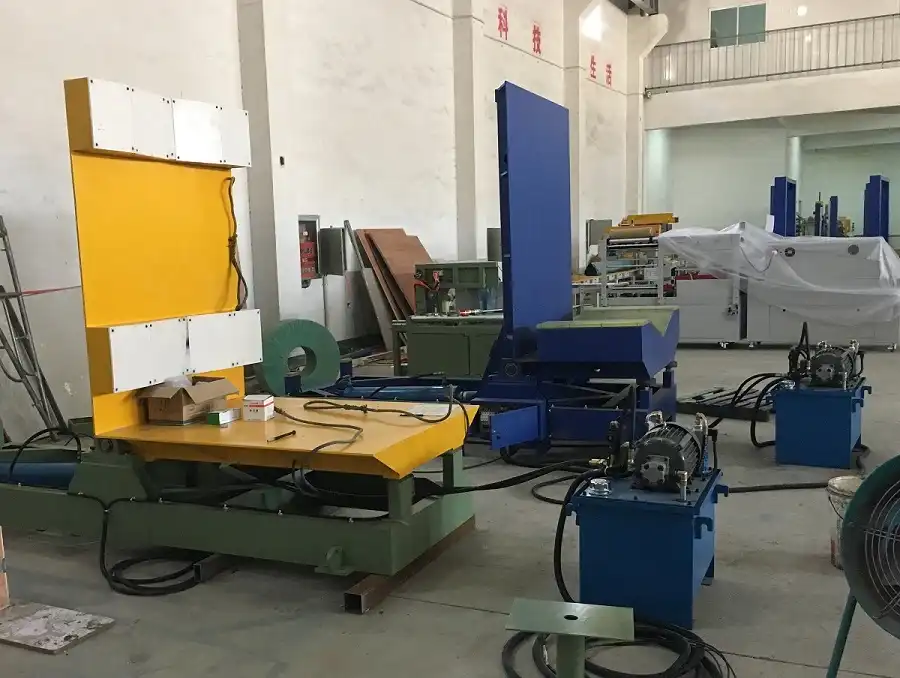
Prioritize upenders with interlocked safety guarding, emergency stop systems, overload protection, and anti-slip coil contact surfaces. According to industry data, proper safety features can reduce coil handling injuries by 80% while improving overall equipment reliability. Mexican factories should also verify NOM compliance for local regulatory requirements.
Dive Deeper Content:
Essential Safety Systems
Modern coil upenders incorporate multiple layers of protection to ensure worker safety:
⚡ Interlocked Guarding Systems
Physical barriers that automatically shut down equipment when opened. These prevent access to pinch points and rotating components during operation. SHJLPACK upenders feature dual-interlock systems that require manual reset after any safety breach.
🛑 Emergency Stop Circuitry
Multiple emergency stop buttons positioned around the equipment perimeter. Redundant circuits ensure immediate power cutoff regardless of which button is activated. For larger Mexican factories, I recommend emergency stops at every 3-meter interval around the equipment.
Advanced Protection Features
💰 Load Monitoring & Overload Protection
Smart sensors continuously monitor hydraulic pressure and mechanical stress. If the system detects potential overload conditions, it automatically reduces speed or stops operation to prevent equipment damage and potential coil drops.
🏭 Anti-Slip Technology
Specialized contact surfaces with high-friction materials prevent coil slippage during rotation. This is particularly important in humid Mexican factory environments where condensation can create slippery conditions.
Compliance & Certification Checklist
When selecting upenders for Mexican operations, verify these certifications:
- ✅ CE Certification (European safety standards)
- ✅ ISO 13849 (Safety of machinery)
- ✅ NOM Standards (Mexican regulatory compliance)
- ✅ ISO 9001:2015 (Quality management systems)
Safety ROI Analysis
Investing in proper safety features delivers measurable financial returns:
| Safety Feature | Initial Cost | Annual Benefit | Payback Period |
|---|---|---|---|
| Interlocked Guarding | $3,000-$5,000 | $25,000 injury prevention | 2-4 months |
| Load Monitoring | $1,500-$2,500 | $15,000 equipment protection | 2-3 months |
| Emergency Stops | $800-$1,200 | $10,000 incident prevention | 1-2 months |
Beyond the direct financial benefits, proper safety systems reduce worker turnover, lower insurance premiums, and maintain production continuity—critical factors for plant managers like Michael who bear ultimate responsibility for factory operations.
3. Which Technical Specifications Matter Most for Your Application?
Leading Paragraph:
Choosing the right coil upender involves more than just comparing price tags. I've helped many plant managers navigate technical specifications to find equipment that matches their specific production requirements. Understanding which parameters truly matter can prevent costly mismatches and ensure optimal performance.
Snippet Paragraph:
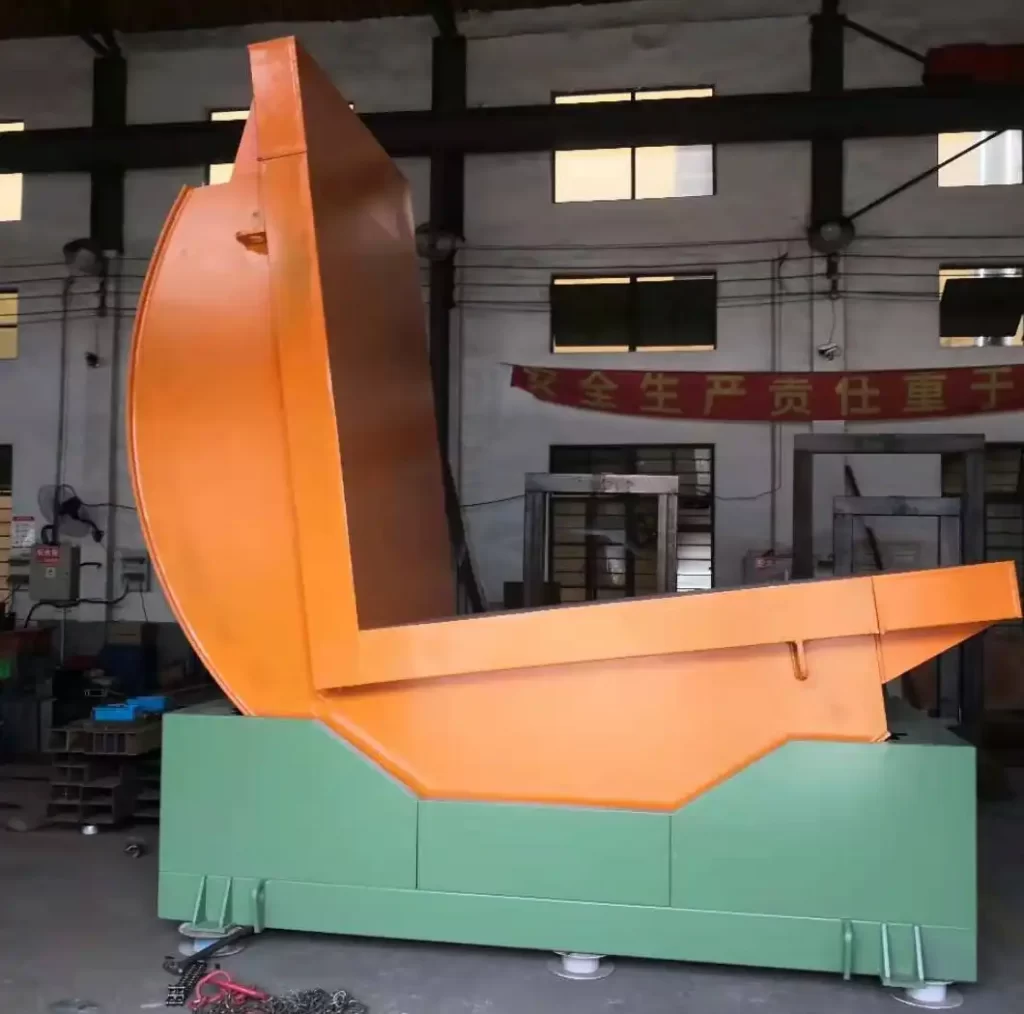
Focus on capacity (weight and dimensions), rotation speed, power requirements, and automation compatibility. For Mexican metal processors, capacity matching is critical—undersized upenders risk equipment damage while oversized units waste energy and floor space. SHJLPACK recommends detailed application analysis before specification finalization.
Dive Deeper Content:
Capacity Analysis Framework
Matching upender capacity to your actual production needs requires careful evaluation:
Weight Capacity Considerations
Don't just consider your average coil weight—account for future production requirements and occasional heavy loads. I recommend selecting equipment rated for 125% of your maximum anticipated load to ensure longevity and safety margins.
Dimension Compatibility
Verify that the upender throat opening accommodates your widest coils with adequate clearance. Mexican factories often process varying coil sizes, so flexibility becomes valuable.
Performance Specifications Comparison
| Specification | Entry Level | Professional Grade | Industrial Grade |
|---|---|---|---|
| Weight Capacity | 5-10 tons | 10-20 tons | 20-30 tons |
| Rotation Speed | 30-60 seconds | 20-40 seconds | 15-30 seconds |
| Power Consumption | 7.5-11 kW | 15-22 kW | 30-45 kW |
| Control System | Basic PLC | Advanced HMI | Smart Automation |
| Price Range | $25,000-40,000 | $50,000-80,000 | $100,000-150,000 |
Automation Integration Requirements
Modern metal processing demands seamless equipment integration:
🔗 Communication Protocols
Ensure compatibility with your existing control systems. Common protocols include PROFINET, Ethernet/IP, and Modbus TCP. SHJLPACK upenders support multiple protocols to simplify integration with Mexican factory automation networks.
📊 Data Collection Capabilities
Smart upenders should provide operational data for performance monitoring and preventive maintenance scheduling. This becomes particularly valuable for plant managers tracking overall equipment effectiveness (OEE).
Application-Specific Recommendations
Based on my experience with Mexican metal processors:
For Slitting Lines:
- Minimum capacity: 125% of maximum coil weight
- Rotation speed: <30 seconds for high-volume operations
- Precision positioning: ±1° accuracy for proper slitter alignment
For Cut-to-Length Lines:
- Consistent speed control to maintain production rhythm
- Vibration damping for quality sheet production
- Compatibility with feeding equipment
Technical Validation Process
Before finalizing any upender purchase, conduct these verification steps:
- Site Assessment: Measure available space and utility connections
- Load Testing: Verify performance with your actual coil specifications
- Integration Check: Confirm communication with existing equipment
- Service Validation: Ensure local technical support availability in Mexico
The right technical specifications ensure your upender investment delivers both immediate performance improvements and long-term reliability—exactly what efficiency-focused plant managers like Michael need to maintain competitive operations.
4. How Do You Calculate ROI for Coil Upender Investments?
Leading Paragraph:
As a plant manager, you're constantly evaluating equipment investments against competing priorities. I've developed a straightforward ROI framework that helps Mexican factory managers justify upender purchases with concrete financial data. The business case often proves stronger than initially anticipated when all factors are considered.
Snippet Paragraph:
Calculate ROI by comparing manual handling costs against automated system expenses, including labor savings, injury reduction, productivity gains, and quality improvements. Typical payback periods range from 12-24 months, with many SHJLPACK installations achieving full ROI in under 18 months through comprehensive cost reduction.
Dive Deeper Content:
Comprehensive Cost Analysis
Accurate ROI calculation requires examining both direct and indirect cost factors:
Direct Cost Savings
💰 Labor Reduction
Manual coil handling typically requires 3-4 workers for safe operation. Automated upenders reduce this to a single operator. For Mexican factories with average labor costs of $2,000-$3,000 monthly per worker, this translates to significant savings:
Manual Labor Cost:
- 4 workers × $2,500/month × 12 months = $120,000 annually
Automated Operation:
- 1 operator × $2,800/month × 12 months = $33,600 annually
Annual Labor Savings: $86,400
⚡ Productivity Improvements
Faster changeovers mean more production time. Typical improvements include:
- Changeover time reduction: 45 minutes to 10 minutes
- Daily changeovers: 6-8 occurrences
- Hourly production value: $500-$800
Daily Time Savings: 35 minutes × 7 changeovers × $650/hour = $2,654 daily
Annual Production Gain: $2,654 × 250 working days = $663,500
Indirect Cost Reductions
🏭 Quality & Damage Prevention
Manual handling often causes coil edge damage and surface scratches. Automated upenders provide consistent, controlled movement that eliminates these issues:
- Typical damage rate reduction: 3% to 0.5%
- Average coil value: $5,000
- Monthly processing volume: 200 coils
Annual Damage Savings: (3% - 0.5%) × 200 coils × 12 months × $5,000 = $300,000
🛡️ Safety & Insurance Benefits
Reduced workplace injuries lead to multiple financial benefits:
- Workers' compensation premium reduction: 15-25%
- Insurance cost decrease: $10,000-$20,000 annually
- Injury-related downtime elimination: $5,000-$15,000 annually
ROI Calculation Template
Use this framework for your specific situation:
Total Investment Cost:
- Equipment: $60,000
- Installation: $8,000
- Training: $2,000
- Total: $70,000
Annual Savings:
- Labor: $86,400
- Production: $663,500
- Damage: $300,000
- Safety: $25,000
- Total: $1,074,900
ROI Period: $70,000 ÷ ($1,074,900 ÷ 12) = 0.78 months
This surprisingly fast payback explains why forward-thinking plant managers like Michael are rapidly adopting coil upender technology. The combination of direct labor savings and substantial production improvements creates one of the strongest business cases in factory automation.
Conclusion
Coil upender integration transforms metal processing efficiency while enhancing workplace safety and product quality. The strategic automation of coil orientation delivers measurable ROI through labor reduction, damage prevention, and production acceleration. For comprehensive solutions, explore our steel coil packing line capabilities.
FAQ Section
Frequently Asked Questions
Q: How long does coil upender installation typically take in existing production lines?
A: Most installations require 3-5 days, depending on site preparation and integration complexity. SHJLPACK projects typically include detailed installation planning to minimize production disruption, with many Mexican factories completing integration during planned maintenance periods.
Q: What maintenance is required for hydraulic coil upenders?
A: Basic maintenance includes monthly hydraulic fluid checks, quarterly filter changes, and annual system inspections. SHJLPACK upenders feature centralized lubrication points and smart monitoring that reduce maintenance time by 40% compared to conventional systems.
Q: Can coil upenders handle different coil diameters without adjustment?
A: Modern upenders with automatic adjustment systems accommodate diameter variations up to 30% without manual intervention. For greater range variations, quick-change adapters typically require less than 5 minutes for adjustment, maintaining production flexibility for diverse product mixes.
Q: What power requirements are needed for industrial coil upenders?
A: Standard models require 380-480V three-phase power, with consumption ranging from 7.5 kW for light-duty to 45 kW for heavy-duty applications. SHJLPACK provides detailed power requirement analysis during project planning to ensure compatibility with Mexican factory electrical systems.
Q: How do upenders integrate with automated packing systems?
A: Through standardized communication protocols like PROFINET and Ethernet/IP, upenders seamlessly connect with downstream packing equipment. This integration creates continuous material flow from processing to packaging, typically increasing overall line efficiency by 25-35% while reducing manual handling between operations.


