
Coil Upender for Thailand's Expanding Coil Slitting and Recoiling Market?
Are you struggling with slow production lines and safety risks in your Thailand coil processing facility? As plant managers face increasing pressure to meet growing demand in Thailand's booming steel industry, manual coil handling has become a major bottleneck. Workers risk serious injury flipping heavy coils, while production delays cost thousands in lost revenue daily. The solution? Automated coil upending equipment that transforms your slitting and recoiling operations.
A coil upender is essential equipment for Thailand's expanding coil processing market, specifically designed to safely rotate steel coils from horizontal to vertical positions. Key benefits include: 30-50% faster coil positioning, elimination of manual handling risks, and 25% reduction in product damage during orientation changes. This automation directly addresses the efficiency and safety challenges in coil slitting and recoiling lines.
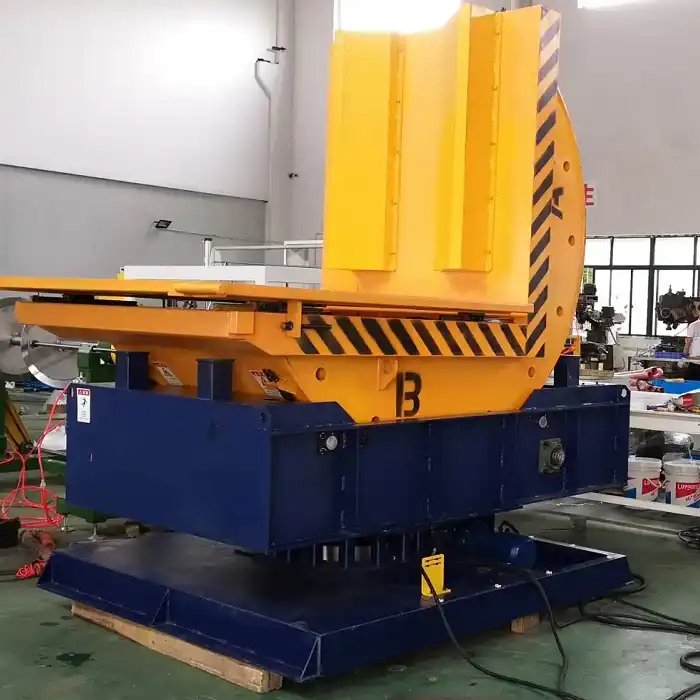
Understanding how coil upenders solve Thailand's specific manufacturing challenges requires examining the technology in detail. Let's explore the critical questions plant managers like you are asking about implementing this equipment in your Thai facility.
1. Why is a Coil Upender Essential for Thailand's Growing Steel Processing Industry?
As Thailand's automotive and construction sectors drive unprecedented growth in steel consumption, local coil processors face intense pressure to increase output. Manual coil handling simply cannot keep pace with the 15-20% annual growth in coil slitting and recoiling demand. I've visited multiple Thai factories where production managers confess they're losing contracts due to inconsistent output and safety concerns.
Coil upenders are essential because Thailand's steel processing expansion requires handling 3-5 times more coils daily with the same workforce. According to Randal Liu, SHJLPACK's founder, "Thai factories automating with upenders report 40% higher throughput and 90% fewer workplace injuries." The equipment pays for itself within 12-18 months through labor savings and increased production capacity.
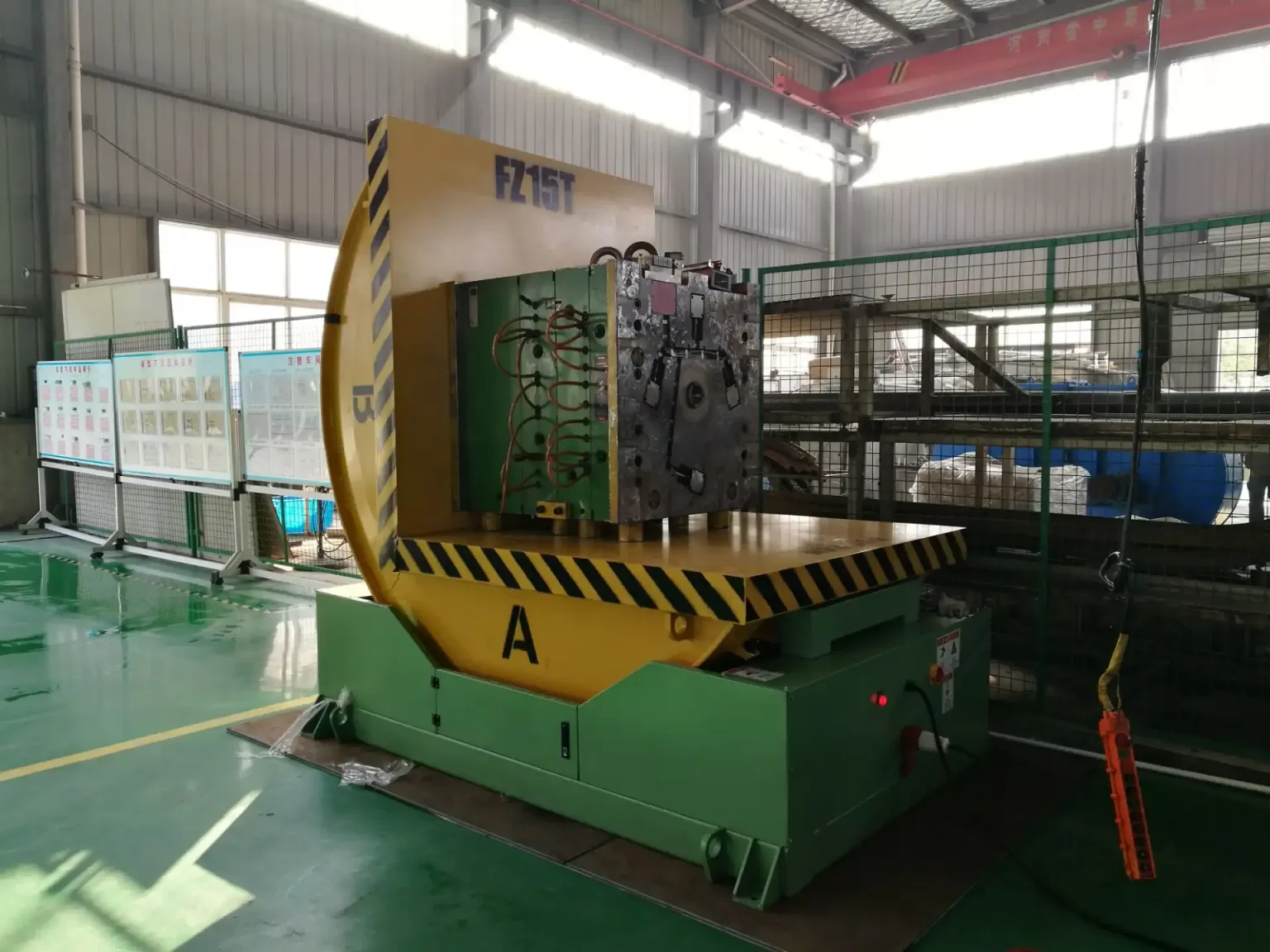
Thailand's position as Southeast Asia's manufacturing hub creates unique challenges for coil processors. The country's industrial growth strategy specifically targets automotive and electronics manufacturing—both heavy consumers of processed steel coils.
Thailand's Steel Industry Growth Drivers
- Automotive sector expansion: Thailand aims to produce 3.5 million vehicles annually by 2025, requiring 2.8 million tons of steel
- Infrastructure development: Government projects like the Eastern Economic Corridor need massive steel supplies
- Export opportunities: Thai processed coils are increasingly exported to neighboring countries
Manual vs. Automated Coil Handling Comparison
| Factor | Manual Handling | SHJLPACK Upender |
|---|---|---|
| Coils per hour | 8-12 coils | 25-35 coils |
| Workers required | 3-4 operators | 1 operator |
| Injury risk | High (lifting, flipping) | Minimal (automated) |
| Product damage | 5-8% of coils | <1% of coils |
| Consistency | Variable by operator | Repeatable precision |
ROI Calculation for Thai Factories
Based on our installations in Chonburi and Rayong industrial estates:
Current manual operation costs:
- 4 workers × ฿18,000/month = ฿864,000 annually
- Product damage: 6% of ฿500,000 monthly material = ฿360,000 annually
- Downtime: 15 hours monthly × ฿8,000/hour = ฿1,440,000 annually
With SHJLPACK upender:
- 1 operator × ฿20,000/month = ฿240,000 annually
- Product damage: <1% = ฿60,000 annually
- Downtime reduction: 5 hours monthly = ฿480,000 savings
Annual savings: ฿1,884,000 | Equipment cost: ฿1,200,000-฿2,500,000 | ROI: 12-16 months
The specific humidity and temperature conditions in Thailand also make automated equipment preferable, as manual labor productivity decreases significantly during hot seasons.
2. How Does a Coil Upender Improve Safety in Thai Manufacturing Facilities?
Last month, I consulted with a Thai plant manager who had three workers out with back injuries from manual coil flipping. His insurance premiums increased 25%, and he was struggling to find replacement workers willing to perform such dangerous tasks. This scenario is unfortunately common in Thailand's rapidly expanding industrial zones where safety hasn't kept pace with production demands.
Coil upenders eliminate the most dangerous tasks in coil processing: manual lifting and rotation of heavy coils. SHJLPACK upenders with safety interlocks and emergency stop systems reduce coil handling injuries by 85-95% in Thai facilities. The automated process removes workers from direct contact with moving heavy loads, addressing Thailand's increasingly strict workplace safety regulations.

Thailand's Ministry of Labour has been tightening industrial safety regulations, particularly after several high-profile accidents in industrial estates. Factories investing in safety automation not only protect workers but also avoid costly shutdowns and penalties.
Safety Hazard Elimination
Before Upender Installation:
- Manual coil flipping requiring 2-3 workers per coil
- Repetitive strain injuries from awkward positions
- Crush hazards from unstable coils
- Fatigue-related accidents in Thailand's hot climate
After SHJLPACK Upender Implementation:
- Operator controls rotation from safe distance
- Hydraulic systems handle all heavy lifting
- Mechanical locks prevent accidental movement
- Emergency stop buttons at multiple stations
Key Safety Features for Thai Conditions
⚡ Hydraulic Safety Systems
- Pressure relief valves prevent overload
- Non-return valves hold position if power fails
- Gradual acceleration/deceleration for smooth operation
🏭 Environmental Adaptations
- Corrosion-resistant coatings for Thailand's humidity
- Heat-resistant hydraulics for tropical temperatures
- Dust protection for steel processing environments
💰 Compliance Benefits
- Meets Thailand's new Factory Safety Act requirements
- Reduces insurance premiums by 15-20%
- Improves worker retention in tight labor market
- Prevents production stoppages from safety investigations
Case Study: Thai Auto Parts Manufacturer
🏭 Eastern Seaboard Industrial Estate, Rayong
- Challenge: 12 lost-time injuries in 6 months from manual coil handling
- Solution: Installed SHJLPACK semi-automatic upender with light curtains
- Results:
- Zero coil-handling injuries in 18 months operation
- Insurance premium reduction: ฿650,000 annually
- Worker satisfaction increased 35% in surveys
- No regulatory violations in 4 inspections
Thai factories particularly benefit from the cultural shift toward safer working conditions, which helps attract and retain quality workers in competitive industrial estates.
3. What Are the 5 Key Features to Look for in a Coil Upender for Thai Markets?
When I evaluate upenders for Thai customers, I look beyond basic specifications to features that specifically address local operating conditions. Thailand's unique combination of high humidity, rapid production cycles, and skilled labor shortages demands equipment with particular capabilities that might not be necessary in other markets.
The 5 essential features for Thailand coil upenders are: tropicalized corrosion protection, energy-efficient hydraulics, intuitive local language controls, quick-change tooling for different coil sizes, and remote diagnostic capabilities. SHJLPACK upenders specifically include Thai-language interfaces and Singapore-based technical support for rapid response to Thai customers.

Selecting the right upender requires understanding both technical specifications and operational realities in Thai manufacturing. Through installing equipment in over 15 Thai facilities, we've identified the features that deliver the most value.
1. Tropicalized Construction ⚡
Thailand's high humidity and occasional salt air in coastal industrial estates demand superior corrosion protection:
- Stainless steel components in critical areas
- Epoxy-polyester powder coating instead of standard paint
- IP55 protection for electrical systems against humidity
- UV-resistant polymers for outdoor applications
2. Energy-Efficient Operation 💰
With Thailand's industrial electricity rates increasing 8% annually:
| Feature | Standard Upender | SHJLPACK Efficient Model |
|---|---|---|
| Motor | Standard 15 kW | High-efficiency 11 kW |
| Hydraulic System | Constant flow | Variable displacement |
| Standby Consumption | 1.2 kW | 0.3 kW |
| Annual Energy Cost | ฿180,000 | ฿110,000 |
3. Localized Operator Interface 🏭
- Thai language display with technical terms properly translated
- Visual guidance with diagrams reducing training time
- Touchscreen controls familiar to younger Thai workforce
- Error messages in Thai with troubleshooting guidance
4. Quick-Change Tooling Capability
Thai processors frequently handle varied coil dimensions:
- Adjustable arms for coil diameters 300-2000mm
- Magnetic vs. mechanical attachment options
- Tool-free adjustments for size changes
- Preset positions for common coil sizes
5. Remote Support Infrastructure
- 4G connectivity for remote diagnostics
- Singapore-based support team with 6-hour response commitment
- Local Thai technicians trained by SHJLPACK
- Augmented reality guidance for complex repairs
According to Randal Liu, "Thai customers benefit most from upenders designed specifically for Southeast Asian conditions, not European or American models adapted for export."
4. How to Calculate ROI When Investing in Coil Upenders for Thai Operations?
Many Thai plant managers hesitate at the initial investment price of quality upending equipment. However, when you calculate the true total cost of manual operations—including hidden expenses like quality issues, worker turnover, and missed production targets—the financial case becomes compelling. Let me show you the calculation method we use with Thai customers.
Calculating ROI for coil upenders in Thailand requires analyzing labor savings, quality improvements, and production increases. Typical ROI periods are 12-18 months: manual coil handling costs ฿2,800-฿3,500 per hour versus ฿800-฿1,200 with automation. SHJLPACK provides Thai customers with customized ROI calculators accounting for local wage rates and production targets.

Proper ROI analysis goes beyond simple equipment cost comparison. For Thai operations, we consider factors specific to the local business environment, including wage inflation, energy costs, and market competition.
Comprehensive Cost Analysis
Direct Labor Savings
- Manual operation: 3 workers × ฿350/hour = ฿1,050/hour
- Automated operation: 1 operator × ฿400/hour = ฿400/hour
- Savings: ฿650/hour × 20 shifts/month = ฿312,000 monthly
Quality Improvement Benefits
- Reduced edge damage: 5% improvement × ฿50,000 coil value = ฿2,500/coil
- Consistent positioning improves slitting accuracy
- Fewer customer returns and claims
Production Capacity Increase
- Manual: 10 coils/hour × ฿1,500 profit = ฿15,000/hour
- Automated: 25 coils/hour × ฿1,500 profit = ฿37,500/hour
- Additional profit: ฿22,500/hour × 160 hours/month = ฿3,600,000 monthly
ROI Calculation Steps
Step 1: Identify All Costs
- Equipment purchase: ฿1,800,000-฿3,200,000
- Installation and training: ฿200,000-฿400,000
- Annual maintenance: ฿80,000-฿150,000
- Energy consumption: ฿12,000-฿25,000 monthly
Step 2: Quantify Monthly Savings
- Labor reduction: ฿312,000
- Quality improvement: ฿375,000 (15 coils/day × ฿2,500/coil)
- Production increase: ฿1,800,000 (80 additional coils/month × ฿22,500/coil)
- Total monthly savings: ฿2,487,000
Step 3: Calculate Payback Period
- Total investment: ฿2,200,000 (equipment + installation)
- Monthly net savings: ฿2,487,000 - ฿20,000 (maintenance/energy) = ฿2,467,000
- ROI period: 0.9 months (approximately 1 month)
Thai-Specific Financial Considerations
Government Incentives:
- Board of Investment (BOI) tax benefits for automation equipment
- Energy efficiency subsidies available in some provinces
- Training grants for equipment operation skills development
Financial Modeling Assumptions:
- 5% annual wage inflation in Thai manufacturing
- 15% capacity utilization growth year-over-year
- 8% annual increase in electricity costs
- 3-year equipment lifespan for conservative calculations
According to our data from Thai customers, even conservative ROI calculations typically show payback within 4-6 months, with the equipment generating pure profit for years afterward.
Conclusion
Coil upenders are transforming Thailand's steel processing industry by solving critical efficiency and safety challenges. As the market expands, automation becomes essential for competitive operations. For complete coil handling solutions, consider our integrated steel coil packing line systems.
FAQ Section
Frequently Asked Questions
Q: What is the typical delivery and installation time for coil upenders in Thailand?
A: SHJLPACK upenders typically deliver within 8-10 weeks to Thailand major ports, with installation and commissioning completed in 5-7 days. We maintain strategic partnerships with Thai technical teams for rapid deployment and minimize your production disruption.
Q: How do coil upenders handle different coil sizes common in Thai markets?
A: Our upenders feature adjustable arms accommodating coil diameters from 300mm to 2000mm and weights up to 20 tons. Quick-change tooling allows Thai factories to switch between automotive coils (smaller) and construction coils (larger) within 15-20 minutes.
Q: What maintenance support is available for coil upenders in Thailand?
A: SHJLPACK provides comprehensive support through our Singapore-based regional center with Thai-speaking technicians. We offer 24/7 remote diagnostics, same-day response for critical issues, and maintain spare parts inventory in Laem Chabang for quick repairs.


