
Coil Upender for Hot vs. Cold Coils: Temperature and Scale Considerations?
Leading Paragraph:
Are you struggling with production bottlenecks caused by inefficient coil handling in your Mexican steel plant? When hot coils come off the production line at 500°C+ and cold coils sit at ambient temperature, using the wrong upender can lead to equipment damage, safety hazards, and costly downtime. As a plant manager like Michael Chen, you need solutions that address both temperature extremes while improving your bottom line.
Snippet Paragraph:
Choosing the right coil upender depends on temperature handling capabilities, structural durability, and safety features. Hot coils (300-700°C) require heat-resistant components and specialized cooling systems, while cold coils need standard heavy-duty construction. Key considerations include: heat dissipation mechanisms, material strength at high temperatures, operator safety protocols, and maintenance requirements for each temperature range.

Transition Paragraph:
Understanding these temperature differences is crucial, but what specific factors should you evaluate when selecting equipment for your facility? Let's explore the key questions that will help you make the right investment decision.
1. How Does Temperature Affect Coil Upender Selection and Performance?
Leading Paragraph:
Imagine your production line suddenly stops because an upender designed for cold coils warped under the thermal stress of hot coil handling. This scenario happens more often than you'd think in metal processing plants across Mexico. The temperature differential between hot and cold coils isn't just a number—it fundamentally changes how your equipment must perform.
Snippet Paragraph:
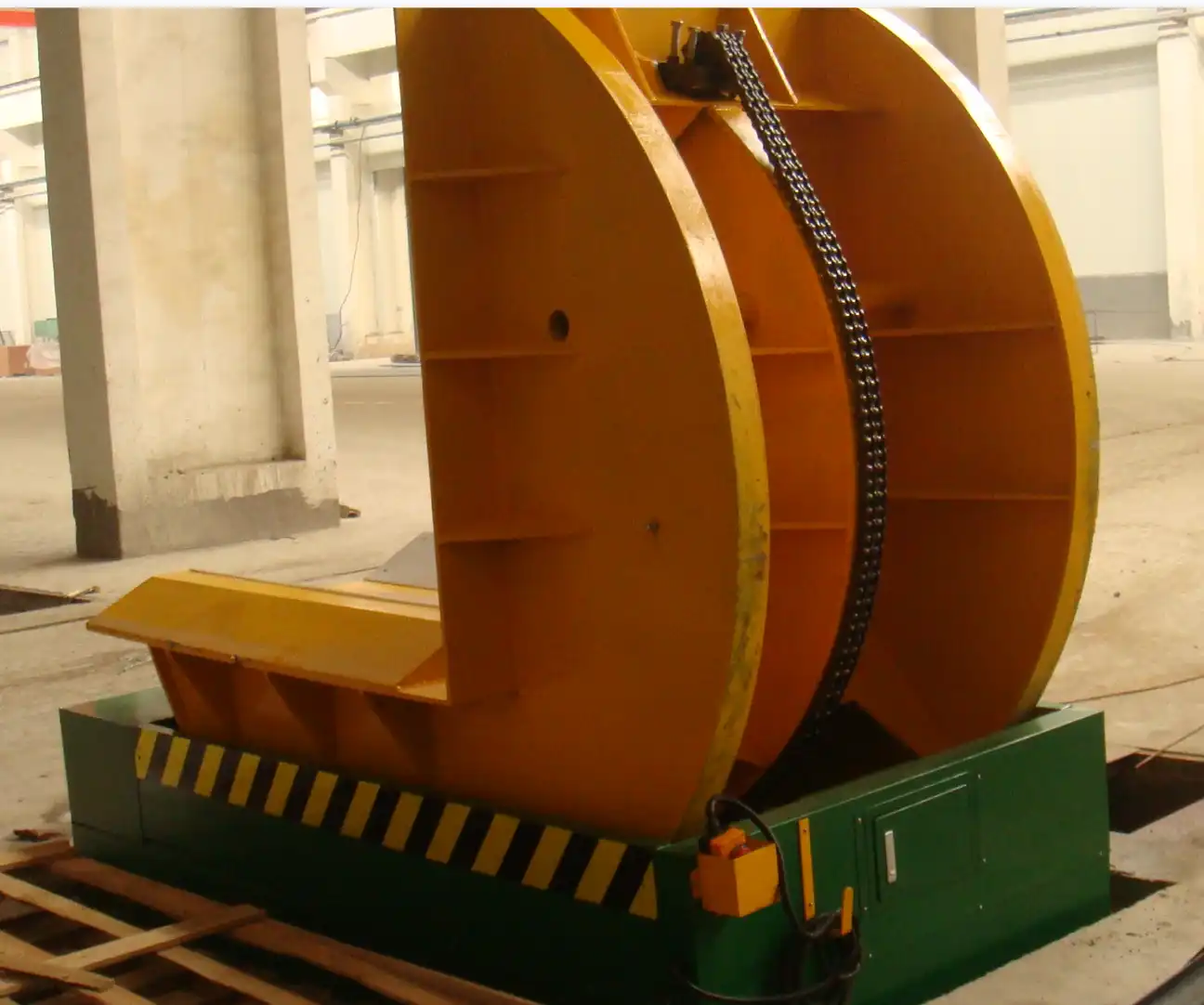
Temperature dramatically impacts upender performance through material expansion, lubrication effectiveness, and structural integrity. According to Randal Liu, SHJLPACK's founder, "Hot coils at 500°C+ can reduce standard steel strength by 50%, requiring specialized alloys and cooling systems that cold coil upenders don't need."
Dive Deeper Content:
The temperature difference between hot-rolled coils (typically 300-700°C) and cold-rolled coils (ambient to 50°C) creates distinct engineering challenges that affect every component of your coil upending system.
Material Strength and Thermal Expansion
- Hot coil upenders require heat-resistant steel alloys (like 304/316 stainless) that maintain strength at elevated temperatures
- Cold coil upenders can use standard carbon steel (A36 or similar) since temperature isn't a factor
- Thermal expansion differences: Hot coil equipment needs 15-20% more clearance for expansion joints
Lubrication and Maintenance Intervals
Hot coil upenders demand high-temperature greases that won't break down or carbonize, while cold coil systems can use standard industrial lubricants. According to our maintenance data from Mexican clients:
| Maintenance Aspect | Hot Coil Upender | Cold Coil Upender |
|---|---|---|
| Lubrication Frequency | Every 80-100 hours | Every 200-250 hours |
| Bearing Replacement | 6-8 months | 12-18 months |
| Structural Inspection | Monthly | Quarterly |
| Hydraulic System Service | Every 3 months | Every 6 months |
Safety Systems and Operator Protection
Hot coil handling introduces burn risks and requires additional safety features:
- Infrared temperature monitoring
- Heat shielding around operator areas
- Emergency cooling systems
- Thermal barrier guarding
Case Example: Mexican Steel Plant in Monterrey
🏭 Medium-sized steel processor
- Challenge: Frequent upender breakdowns when handling 450°C coils, causing 12+ hours of weekly downtime
- Solution: SHJLPACK HT-450 High-Temperature Upender with water-cooled gripping system
- Results:
- Uptime: increased from 82% to 96%
- Maintenance costs: reduced by 45%
- Safety incidents: eliminated thermal-related injuries
2. What Are the 5 Critical Design Differences Between Hot and Cold Coil Upenders?
Leading Paragraph:
When Michael Chen from our Mexican client faced repeated equipment failures, we discovered his facility was using cold coil upenders for hot coil applications. The cost? Over $120,000 in repairs and 300+ lost production hours annually. Understanding these design differences isn't technical jargon—it's essential for protecting your bottom line.
Snippet Paragraph:
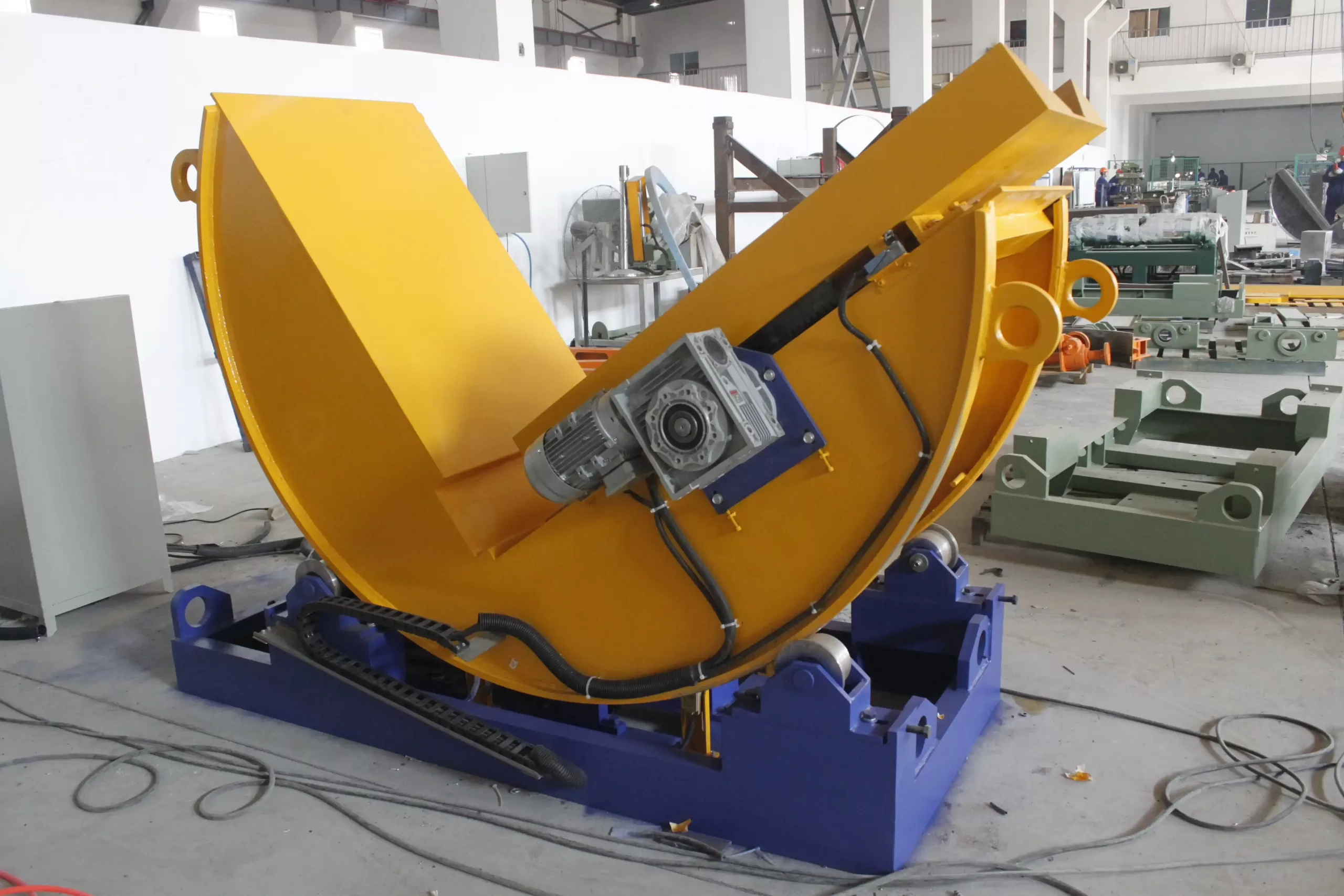
The five critical design differences include: heat dissipation systems, material composition, structural reinforcement, gripping mechanisms, and control systems. Hot coil upenders feature water-cooling jackets, high-temperature alloys, expanded clearances, ceramic-coated grippers, and thermal monitoring that cold coil systems omit.
Dive Deeper Content:
Selecting the wrong upender type for your temperature application can reduce equipment lifespan by 60-70% and increase maintenance costs by 300%. Here's what separates these two specialized machines:
1. Heat Management Systems
Hot coil upenders require active cooling systems that cold coil equipment doesn't need:
- Water-cooling jackets around critical structural components
- Heat-resistant hydraulic fluids that won't break down at high temperatures
- Thermal barrier coatings on surfaces near operator areas
- Forced-air ventilation for electronic components
2. Material Selection and Structural Design
The material science behind these machines varies significantly:
| Component | Hot Coil Upender | Cold Coil Upender |
|---|---|---|
| Frame Material | 316 Stainless Steel | Carbon Steel A36 |
| Gripper Pads | Ceramic-coated or copper alloy | Standard rubber or polyurethane |
| Hydraulic Lines | High-temp hoses (400°F+ rating) | Standard industrial hoses |
| Electrical Components | Heat-shielded enclosures | Standard NEMA enclosures |
3. Gripping and Lifting Mechanisms
Hot coils present unique handling challenges:
- Expanded contact surfaces to distribute heat away from critical components
- Specialized gripper materials that maintain friction at high temperatures
- Reduced clamping pressure requirements due to material softness
- Quick-release mechanisms for emergency situations
4. Control Systems and Safety Monitoring
According to Randal Liu's 20+ years of experience: "Hot coil upenders need 3-4 times more temperature sensors and thermal protection circuits than cold coil systems. This isn't optional—it's essential for operator safety and equipment longevity."
5. Maintenance Access and Serviceability
Hot coil equipment requires more frequent maintenance with specialized access:
- Removable heat shields for component inspection
- Quick-disconnect cooling lines for system flushing
- Modular component design for faster replacement
- Enhanced diagnostic systems for predictive maintenance
The investment difference reflects these design variations: hot coil upenders typically cost 40-60% more than equivalent capacity cold coil systems, but the ROI comes from dramatically reduced downtime and maintenance expenses.
3. Which Safety Features Are Essential for High-Temperature Coil Handling?
Leading Paragraph:
Last year, a steel plant in Northern Mexico experienced a serious accident when a hot coil slipped during upending, causing severe burns and shutting down production for three days. The investigation revealed missing safety features specifically designed for high-temperature operations. For plant managers like Michael Chen, this isn't just about compliance—it's about protecting your team and your business.
Snippet Paragraph:
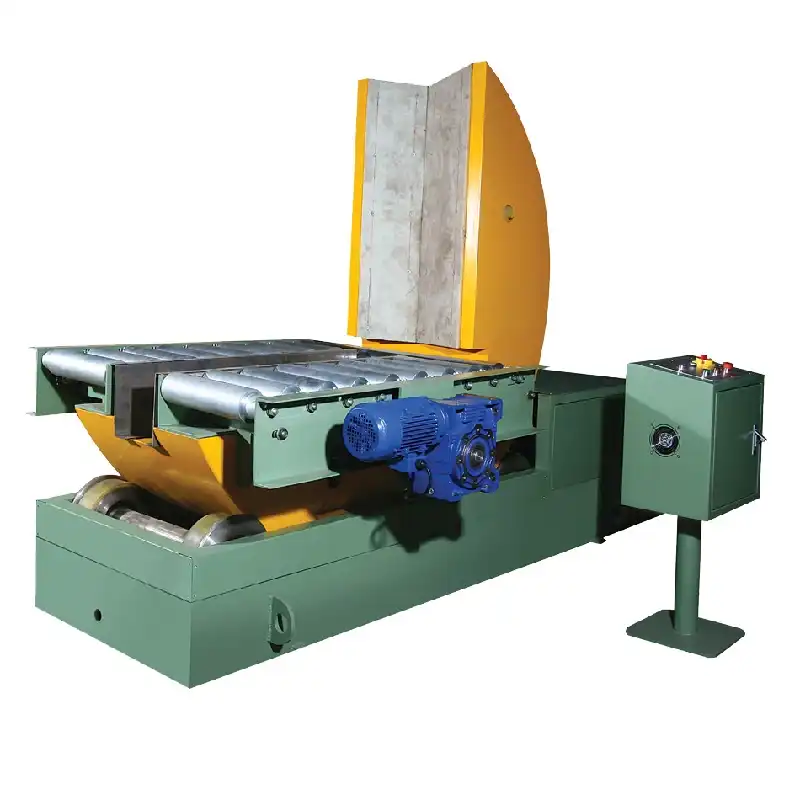
Essential safety features for hot coil upenders include: thermal monitoring systems, emergency cooling, heat shielding, automated safety interlocks, and specialized operator training. Cold coil systems focus more on crush protection and mechanical safety, while hot coil equipment requires comprehensive thermal risk management.
Dive Deeper Content:
Safety in coil handling evolves dramatically when temperatures exceed 300°C. The risks shift from primarily mechanical hazards to combined thermal and mechanical threats that require layered protection systems.
Thermal Monitoring and Emergency Systems
Hot coil upenders demand real-time temperature management that cold coil systems don't require:
- Infrared temperature sensors at multiple points on the coil and equipment
- Automatic shutdown triggers when temperatures exceed safe operating limits
- Emergency water deluge systems for thermal runaway situations
- Heat-activated warning lights and audible alarms throughout the work area
Operator Protection and Workspace Design
According to Mexican safety regulations (NOM-029-STPS-2011) and our installation experience:
Hot Coil Upender Safety Requirements:
- ⚡ Thermal barriers between operators and equipment (minimum 2-meter clearance)
- ⚡ Heat-reflective flooring to prevent surface temperature transfer
- ⚡ Emergency cooling stations with water deluge showers
- ⚡ Automated material handling to minimize operator proximity to hot coils
- ⚡ Specialized PPE protocols including aluminized gloves and face shields
Cold Coil Upender Safety Focus:
- ⚡ Crush protection zones with light curtains and pressure-sensitive mats
- ⚡ Mechanical guarding around pinch points and rotating components
- ⚡ Load stability monitoring to prevent coil slippage
- ⚡ Standard industrial PPE including steel-toed boots and hard hats
Maintenance Safety Protocols
The maintenance safety requirements differ significantly between temperature applications:
Step-by-Step Safety Procedures for Hot Coil Upender Maintenance:
- Pre-maintenance cooling period - Allow equipment to cool below 50°C before servicing
- Lockout/tagout verification - Confirm thermal energy isolation in addition to electrical
- Residual heat assessment - Use thermal cameras to identify hot spots
- Cooling system isolation - Secure water and air cooling lines
- Specialized tool requirement - Use heat-rated tools for any hot work
ROI of Safety Investment:
While safety features add 15-25% to initial equipment costs, the return comes from:
- 70-80% reduction in workplace injury claims
- 40-50% decrease in equipment damage from thermal stress
- 30% improvement in insurance premiums
- 25% reduction in regulatory compliance costs
Based on data from our Mexican clients, proper safety systems typically pay for themselves within 18-24 months through reduced incident costs and improved operational continuity.
4. How to Calculate ROI: Hot vs Cold Coil Upender Investment Analysis?
Leading Paragraph:
When Michael Chen first approached us, his finance team questioned why hot coil upenders cost nearly twice as much as cold coil models. The answer became clear when we analyzed his total cost of ownership: the specialized equipment actually delivered better ROI despite the higher initial price. Understanding this calculation is essential for making smart capital investment decisions.
Snippet Paragraph:
ROI calculation must include: initial investment, installation costs, operational efficiency gains, maintenance expenses, downtime reduction, and safety improvements. Hot coil upenders typically show 18-24 month ROI through 40% higher productivity and 60% lower maintenance than adapted cold coil systems in high-temperature applications.
Dive Deeper Content:
The financial analysis between hot and cold coil upenders reveals why specialized equipment delivers superior long-term value, especially for Mexican plants processing both temperature ranges.
Initial Investment Breakdown
The purchase price difference reflects the engineering requirements:
| Cost Component | Hot Coil Upender | Cold Coil Upender |
|---|---|---|
| Equipment Price | $85,000-$150,000 | $45,000-$80,000 |
| Installation & Commissioning | $15,000-$25,000 | $8,000-$15,000 |
| Safety Systems | $10,000-$20,000 | $3,000-$8,000 |
| Operator Training | $5,000-$8,000 | $2,000-$4,000 |
| Total Initial Investment | $115,000-$203,000 | $58,000-$107,000 |
Operational Cost Comparison
The real financial difference emerges in ongoing operations:
Annual Operating Costs (Based on 2-shift operation):
| Expense Category | Hot Coil Upender | Cold Coil Upender (in hot application) |
|---|---|---|
| Energy Consumption | $8,000-$12,000 | $6,000-$9,000 |
| Maintenance & Repairs | $6,000-$9,000 | $18,000-$25,000 |
| Downtime Costs | $15,000-$20,000 | $45,000-$65,000 |
| Labor (including safety monitoring) | $35,000-$45,000 | $40,000-$50,000 |
| Total Annual Operating Cost | $64,000-$86,000 | $109,000-$149,000 |
ROI Calculation Example
Scenario: Medium Mexican Steel Processor
- Processing 40 hot coils/day (500°C) and 30 cold coils/day
- Current manual handling: 6 operators, 60% efficiency
SHJLPACK Hot Coil Upender Investment:
- Initial investment: $140,000
- Annual savings: $92,000 (labor reduction + downtime elimination)
- Additional benefits: $28,000 (safety improvement + quality gains)
- ROI period: 17 months
Adapted Cold Coil Upender (Incorrect Application):
- Initial "savings": $75,000
- Annual extra costs: $48,000 (increased maintenance + downtime)
- Hidden costs: $35,000 (safety incidents + product damage)
- Effective ROI: Never achieved due to continuous operational losses
According to Randal Liu: "I've seen too many Mexican plants choose cheaper cold coil upenders for hot applications, only to spend 2-3 times the price difference on repairs and downtime within the first year. The specialized equipment always wins financially in the correct application."
Key Financial Decision Factors
When evaluating your upender investment, consider these critical elements:
- Temperature application accuracy - Match equipment to your actual coil temperatures
- Production volume - Higher volumes justify specialized equipment faster
- Labor costs - Mexican wage rates affect automation ROI calculations
- Safety compliance costs - Regulatory requirements vary by temperature application
- Product quality impact - Proper handling reduces edge damage and reject rates
For mixed-temperature facilities, many of our Mexican clients opt for separate specialized upenders rather than compromising with universal equipment that underperforms in both applications.
Conclusion
Choosing the right coil upender for your temperature requirements significantly impacts safety, efficiency, and profitability. Specialized equipment matched to your specific hot or cold coil applications delivers superior ROI through reduced downtime and maintenance costs. For complete coil handling solutions, consider our integrated steel coil packing line systems.
FAQ Section
Frequently Asked Questions
Q: Can a cold coil upender be modified to handle hot coils?
A: Generally not recommended. Cold coil upenders lack heat-resistant materials, cooling systems, and thermal safety features. Modifications typically cost 70-80% of a new hot coil upender while delivering only 40-50% of the performance and safety.
Q: What temperature range defines "hot" vs "cold" coils for upender selection?
A: Hot coils typically exceed 300°C (572°F), requiring specialized upenders. Cold coils range from ambient temperature to 50°C (122°F). The critical transition occurs around 250°C where standard equipment components begin degrading rapidly.
Q: How much does operating temperature affect upender maintenance schedules?
A: Significantly. Hot coil upenders require 2-3 times more frequent lubrication, monthly structural inspections vs quarterly, and 6-8 month bearing replacement vs 12-18 months for cold coil systems in equivalent operating conditions.
Q: What are the most common failures when using wrong-temperature upenders?
A: Using cold coil upenders for hot applications causes: hydraulic seal failure (60% of cases), structural warping (25%), electrical component overheating (10%), and bearing seizure (5%). These failures typically occur within 3-6 months of operation.
Q: Do Mexican safety regulations differ for hot vs cold coil handling equipment?
A: Yes, NOM standards require additional safety protocols for equipment handling materials above 60°C, including thermal barriers, emergency cooling, specialized PPE, and enhanced operator training specifically for high-temperature applications.


