
Coil Turning Machine Price Comparison: Hydraulic vs. Mechanical Models
Leading Paragraph:
Are you struggling with slow, inefficient coil handling that's creating production bottlenecks in your Mexican metal processing plant? As a plant manager like Michael Chen, you know that every minute of downtime costs money, and manual coil turning poses serious safety risks to your team. The constant battle between efficiency demands and safety concerns can feel overwhelming, especially when you're not sure which equipment solution will actually deliver the promised results.
Snippet Paragraph:
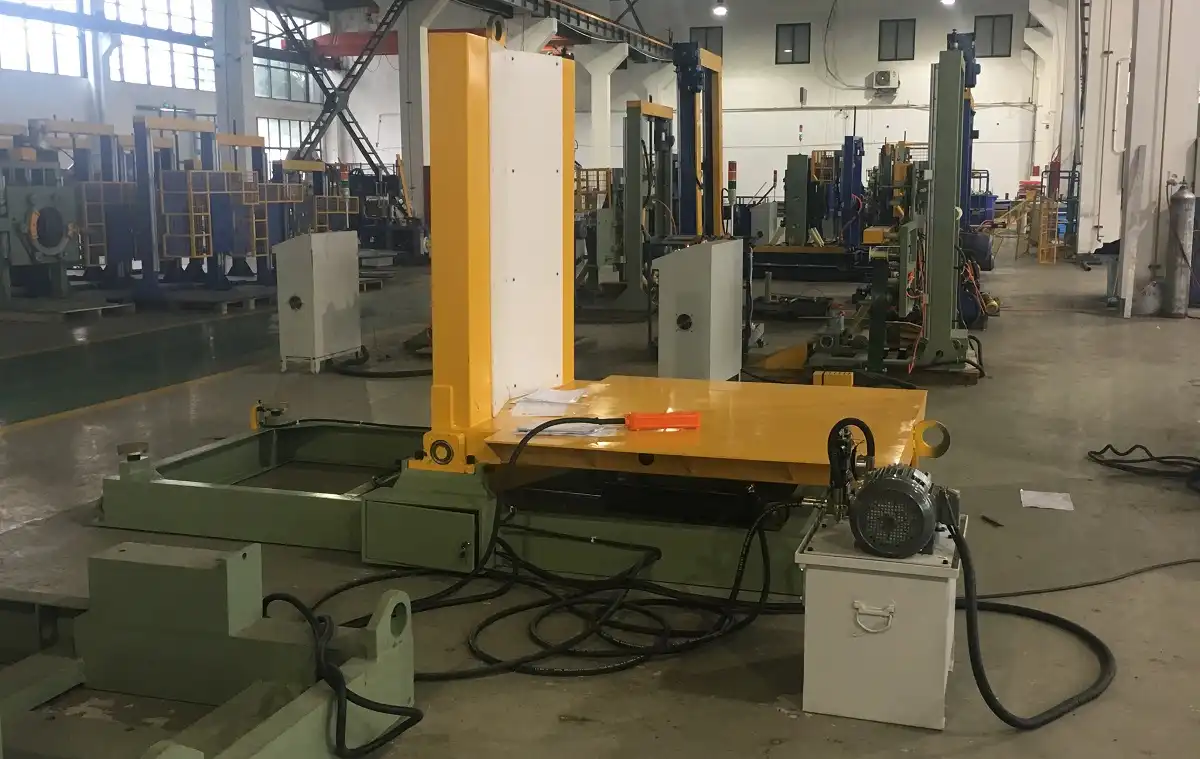
Hydraulic coil turning machines typically cost 20-30% more than mechanical models but offer superior performance for heavy-duty applications. The price difference reflects key advantages: hydraulic systems provide smoother operation with better load control, handle heavier coils (up to 20+ tons), and require less maintenance over time. For Mexican steel plants processing large coils, hydraulic upenders deliver better long-term ROI despite higher initial investment.
Transition Paragraph:
Choosing between hydraulic and mechanical coil turning machines involves more than just comparing price tags. You need to understand how each technology impacts your specific operation, from safety and efficiency to long-term maintenance costs. Let's break down the key factors that should guide your investment decision.
1. What Are the Main Differences Between Hydraulic and Mechanical Coil Turning Machines?
Leading Paragraph:
When I first started working with coil packing equipment over 15 years ago, I saw many factories make the mistake of choosing the cheapest option without understanding the fundamental technology differences. This often led to equipment failures during critical production periods, costing far more than the initial savings.
Snippet Paragraph:
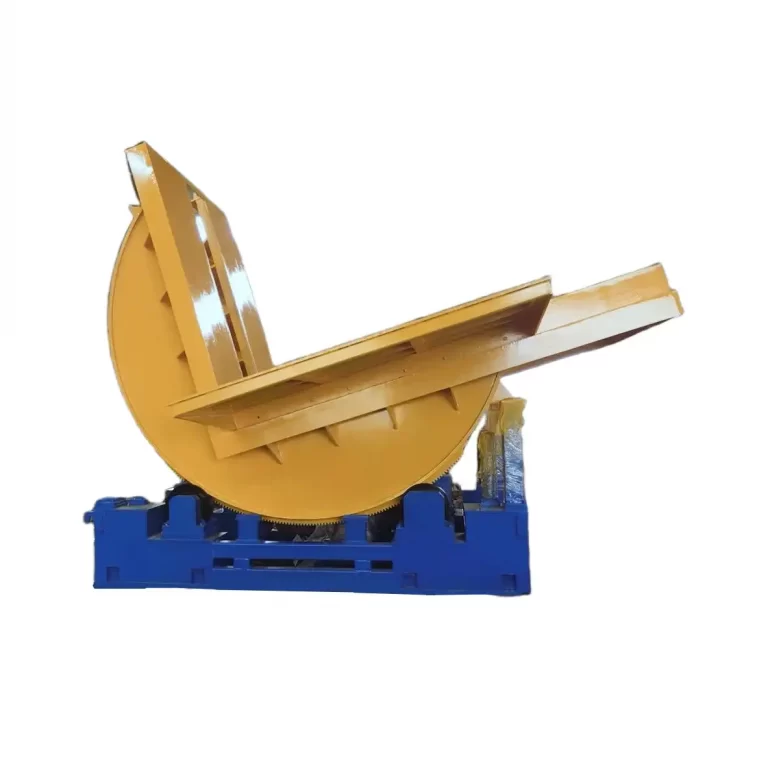
Hydraulic coil turners use fluid power for smooth, controlled rotation while mechanical models rely on gears and motors. According to Randal Liu, SHJLPACK's founder, "Hydraulic systems provide 30% better load distribution and eliminate the jerky movements that damage coil edges." Key differences include operation smoothness, maintenance requirements, and suitability for different coil weights and production environments.
Dive Deeper Content:
Understanding the core technology differences helps you match the right equipment to your specific production needs. Many plant managers focus only on the purchase price, but the real cost comes from how the machine performs in daily operation.
Operation Mechanism Comparison
Hydraulic Systems:
- Use hydraulic cylinders and pumps to create smooth, controlled movement
- Provide consistent power throughout the entire rotation cycle
- Automatically compensate for uneven load distribution
- Operate at lower noise levels (65-75 dB vs 80-90 dB for mechanical)
Mechanical Systems:
- Rely on electric motors, gears, and chains for movement
- Can experience "cogging" or jerky motion during rotation
- Require precise balancing of loads to prevent stress points
- Simpler design but less adaptable to varying coil conditions
Performance in Mexican Industrial Environments
Based on my experience working with factories across Mexico, environmental factors significantly impact machine performance. The high dust levels in metal processing plants affect mechanical systems more severely, as gears and chains require frequent cleaning and lubrication. Hydraulic systems, with their enclosed fluid circuits, handle these conditions better.
Case Example:
🏭 Steel Processing Plant in Monterrey
- Challenge: Frequent breakdowns of mechanical coil turner causing 3-4 hours of daily downtime
- Solution: Upgraded to SHJLPACK hydraulic upender with dust-resistant seals
- Results:
- Downtime reduced by 85% (from 15 hours/week to 2 hours/week)
- Coil damage during rotation eliminated completely
- Maintenance costs dropped from $8,000 to $1,200 annually
Technical Specifications Comparison
| Feature | Hydraulic Coil Turner | Mechanical Coil Turner |
|---|---|---|
| Maximum Capacity | 5-25 tons | 3-15 tons |
| Rotation Speed | 30-90 seconds/cycle | 20-60 seconds/cycle |
| Power Consumption | 15-30 kW | 10-20 kW |
| Noise Level | 65-75 dB | 80-90 dB |
| Maintenance Interval | 500 operating hours | 250 operating hours |
| Floor Space Required | 12-18 m² | 8-12 m² |
The capacity difference is particularly important for Mexican steel plants processing larger coils. While mechanical turners work well for smaller operations, most medium-to-large plants benefit from hydraulic systems' higher weight capacity and smoother operation.
2. How Much Do Hydraulic and Mechanical Coil Turning Machines Really Cost?
Leading Paragraph:
I've consulted with numerous plant managers who were shocked to discover the true total cost of ownership for their coil handling equipment. The initial purchase price is just the beginning - maintenance, downtime, and energy consumption can double your actual investment over three years.
Snippet Paragraph:
Mechanical coil turning machines typically range from $25,000 to $60,000 while hydraulic models cost $40,000 to $100,000+. According to industry data, hydraulic systems show 25% lower operating costs over 5 years despite higher initial investment. Key cost factors include capacity, automation level, and custom features for specific coil types and production requirements.

Dive Deeper Content:
When Michael Chen evaluates equipment costs for his Mexican plant, he needs to consider both immediate budget constraints and long-term operational efficiency. The "cheaper" option often becomes more expensive when you factor in production losses and maintenance expenses.
Initial Investment Breakdown
Entry-Level Mechanical Turner ($25,000-35,000)
- Basic rotation capability for coils up to 5 tons
- Manual control systems
- Standard safety features
- Suitable for low-volume operations (under 50 coils/day)
Professional Hydraulic Turner ($50,000-70,000)
- Smooth hydraulic operation for coils up to 10 tons
- Semi-automatic controls with safety sensors
- Customizable rotation programs
- Ideal for medium-volume production (50-150 coils/day)
Industrial Hydraulic Turner ($80,000-100,000+)
- Heavy-duty construction for coils up to 25 tons
- Fully automated with PLC controls
- Integrated safety systems and remote monitoring
- Designed for high-volume operations (150+ coils/day)
5-Year Total Cost of Ownership Analysis
Many factories focus only on purchase price, but the real financial impact comes from ongoing expenses. Here's a typical comparison for a Mexican plant running two shifts:
| Cost Category | Mechanical Turner | Hydraulic Turner |
|---|---|---|
| Initial Purchase | $35,000 | $65,000 |
| Annual Maintenance | $4,500 | $2,200 |
| Energy Consumption/Year | $3,800 | $4,500 |
| Downtime Cost/Year | $12,000 | $3,000 |
| Parts Replacement/Year | $2,500 | $1,200 |
| 5-Year Total | $107,500 | $94,500 |
Despite the higher initial price, hydraulic turners typically deliver better long-term value through reduced maintenance and downtime. The ROI period for upgrading from mechanical to hydraulic is usually 18-24 months for medium-to-large operations.
Hidden Costs Many Factories Overlook
Based on my visits to Mexican manufacturing plants, I've identified several frequently overlooked cost factors:
Training Expenses: Mechanical systems often require more specialized technician training
Safety Compliance: Poorly functioning turners can lead to OSHA violations and insurance premium increases
Product Damage: Jerky mechanical rotation can cause coil edge damage costing 2-5% of product value
Energy Efficiency: While hydraulic systems use more power, they often complete cycles faster, reducing per-coil energy cost
3. Which Coil Turning Machine Offers Better ROI for Mexican Manufacturing Plants?
Leading Paragraph:
As someone who's managed production facilities myself, I understand that ROI calculations can make or break equipment approval. The challenge is accounting for all variables - not just the obvious cost savings, but the hidden benefits that impact your bottom line.
Snippet Paragraph:
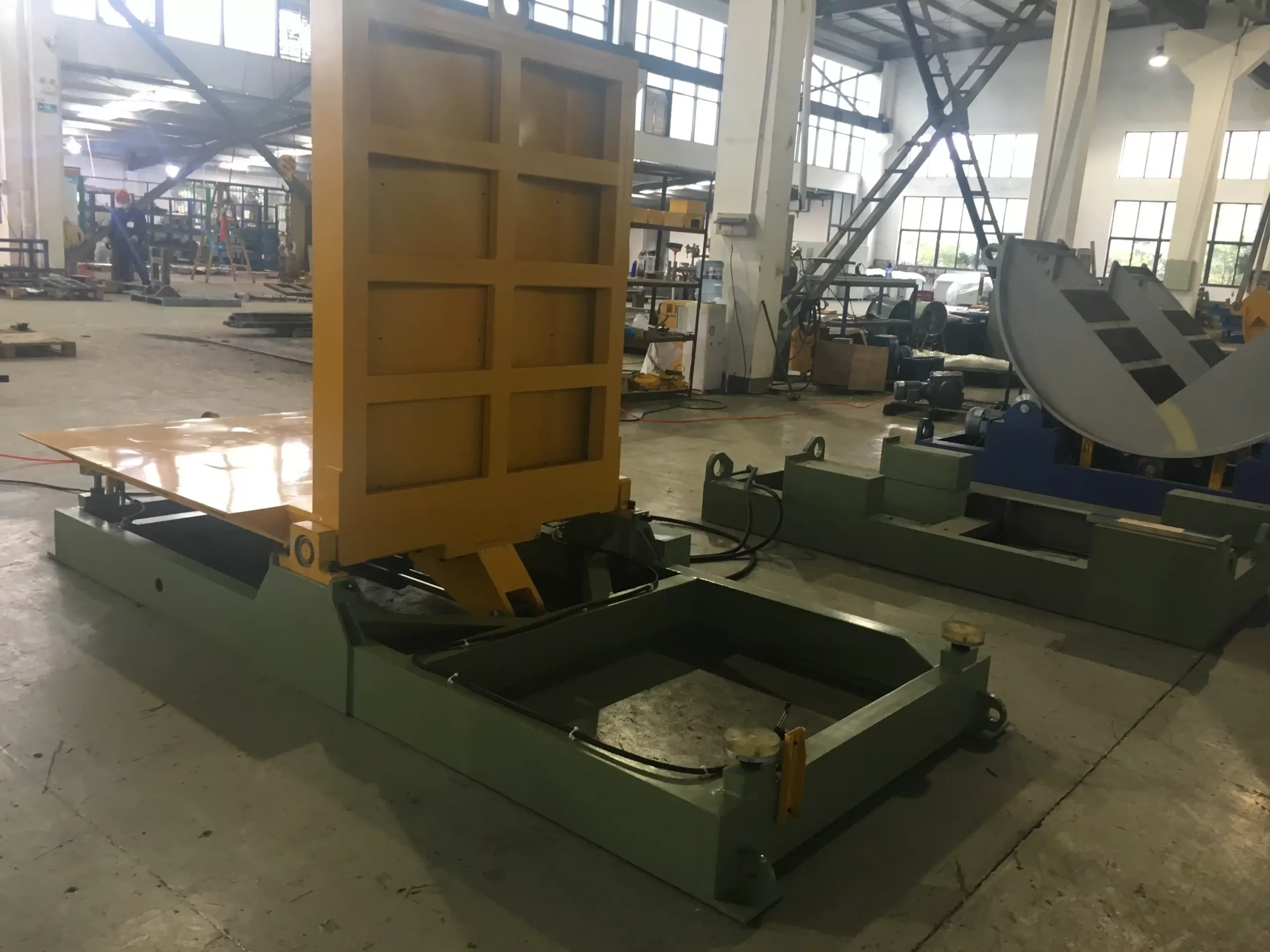
Hydraulic coil turning machines typically deliver 18-24 month ROI for Mexican plants versus 30-36 months for mechanical models. According to Randal Liu's experience, "Plants averaging 100+ coils daily recover hydraulic investment 40% faster due to reduced downtime and maintenance." Key ROI factors include production volume, labor costs, and coil value protection.
Dive Deeper Content:
ROI analysis must consider your specific operational context. A machine that delivers excellent returns in a high-volume automotive steel plant might not be the right choice for a smaller operation processing specialty metals.
ROI Calculation Framework
Here's the methodology I use when helping Mexican plant managers evaluate coil turning equipment:
Step 1: Calculate Current Manual Handling Costs
- Labor: Number of workers × hours × wage rate
- Productivity: Coils per hour manual vs automated
- Damage: Percentage of coils damaged during manual turning
- Safety: Workers compensation claims and insurance costs
Step 2: Project Automated System Benefits
- Labor reduction (typically 2-3 workers per shift)
- Throughput increase (30-50% faster than manual)
- Damage reduction (from 3% to under 0.5%)
- Safety improvement (eliminating manual heavy lifting)
Step 3: Factor in Equipment Costs
- Purchase price and financing terms
- Installation and training expenses
- Ongoing maintenance and energy costs
- Expected equipment lifespan (usually 7-10 years)
Real-World ROI Example: Mexican Steel Plant
Before Automation:
- 4 workers handling coils manually @ $2,000/month each = $96,000/year
- 40 coils/hour maximum throughput
- 3% damage rate = $45,000 annual loss
- 2 safety incidents/year = $15,000 average cost
After SHJLPACK Hydraulic Turner Installation:
- 1 operator @ $2,500/month = $30,000/year
- 60 coils/hour throughput (50% increase)
- 0.2% damage rate = $3,000 annual loss
- Zero safety incidents related to coil turning
Annual Savings Calculation:
- Labor: $96,000 - $30,000 = $66,000
- Damage Reduction: $45,000 - $3,000 = $42,000
- Safety Savings: $15,000
- Total Annual Savings: $123,000
ROI Period: $65,000 investment ÷ $123,000 annual savings = 6.3 months
Factors That Accelerate ROI in Mexican Context
Based on my work with Latin American manufacturers, several regional factors impact ROI timelines:
Higher Labor Costs: Mexican industrial wages have increased 25% over 5 years, making automation more valuable
Export Quality Demands: International customers require perfect coil condition, making gentle handling crucial
Energy Costs: Mexican industrial electricity rates favor equipment with faster cycle times
Maintenance Availability: Hydraulic systems have better local technical support network across Mexico
4. What Safety Features Should You Prioritize in Coil Turning Equipment?
Leading Paragraph:
Safety isn't just a compliance issue - it's a fundamental operational requirement. I've seen too many factories learn this lesson the hard way, with workplace injuries that could have been prevented by proper equipment selection. Your workers' safety and your company's liability exposure depend on getting this right.
Snippet Paragraph:
Essential safety features include emergency stop systems, load sensors, anti-slip platforms, and redundant hydraulic controls. Industry data shows proper safety systems reduce coil handling injuries by 80%. According to SHJLPACK's safety protocol, "Multi-layer protection with both mechanical and electronic safeguards is non-negotiable for heavy coil operations."
Dive Deeper Content:
Safety technology has evolved significantly, with modern systems offering protection that simply wasn't available a decade ago. Understanding these features helps you make informed decisions that protect both your workers and your business.
Critical Safety Systems Comparison
| Safety Feature | Hydraulic Turner | Mechanical Turner | Importance Level |
|---|---|---|---|
| Emergency Stop Buttons | Multiple locations | Basic controls | ⚡⚡⚡⚡⚡ |
| Load Moment Sensors | Standard | Optional | ⚡⚡⚡⚡⚡ |
| Anti-Tip Protection | Hydraulic lock | Mechanical brake | ⚡⚡⚡⚡⚡ |
| Operator Safety Zones | Laser guarded | Physical barriers | ⚡⚡⚡⚡ |
| Redundant Control Systems | Dual hydraulic | Single mechanical | ⚡⚡⚡⚡ |
| Emergency Power Off | Standard | Optional | ⚡⚡⚡⚡ |
Safety Implementation Checklist
When evaluating coil turning equipment for your Mexican plant, verify these essential safety elements:
1. Emergency Response Systems
- ✅ Multiple emergency stop buttons within easy reach
- ✅ Automatic power cutoff during critical failures
- ✅ Manual override capability for maintenance
- ✅ Clear audible and visual alarms
2. Load Handling Safety
- ✅ Real-time weight monitoring and display
- ✅ Automatic shutdown if load exceeds capacity
- ✅ Anti-sway technology for unstable coils
- ✅ Secondary holding brakes in case of power failure
3. Operator Protection
- ✅ Restricted access zones during operation
- ✅ Interlocked safety gates that stop machine when opened
- ✅ Non-slip work platforms with proper guarding
- ✅ Emergency lowering systems for hydraulic models
Mexican Regulatory Compliance Considerations
Working with Mexican manufacturing plants has taught me the importance of understanding local regulations:
NOM Standards: Mexican Official Standards require specific safety protocols for heavy equipment
STPS Compliance: Secretary of Labor and Social Welfare mandates regular safety inspections
Insurance Requirements: Mexican insurers often require certified safety systems for coverage
Worker Training: Proper documentation of operator training is legally mandatory
According to Randal Liu, "Investing in proper safety features isn't just about compliance - it's about operational excellence. The safest plants are almost always the most efficient and profitable."
5. How Does Automation Level Affect Coil Turning Machine Pricing?
Leading Paragraph:
The automation spectrum in coil handling equipment is wider than many plant managers realize. From basic manual controls to fully integrated smart systems, each level comes with different costs and benefits. Understanding these options helps you avoid overpaying for features you don't need or underinvesting in capabilities that would transform your operation.
Snippet Paragraph:
Automation level impacts coil turning machine prices by 40-60%, with basic manual units starting around $25,000 and fully automated smart systems reaching $100,000+. SHJLPACK's data shows Mexican plants recoup automation investments within 24 months through labor savings and reduced product damage. The optimal automation level depends on production volume, coil variety, and available technical staff.
Dive Deeper Content:
Automation isn't an all-or-nothing decision. The right level for your plant depends on specific operational factors that vary across different Mexican manufacturing environments.
Automation Tier Comparison
Level 1: Manual Control ($25,000-40,000)
- Operator controls all movements via buttons/levers
- Basic safety interlocks
- Suitable for: Low-volume operations, multiple coil types, budget constraints
- Best for: Plants processing under 50 coils daily with varied specifications
Level 2: Semi-Automatic ($45,000-65,000)
- Programmable cycles for common coil sizes
- Sensor-based positioning assistance
- Automated safety checks
- Suitable for: Medium-volume operations with some standardization
- Best for: Plants running 50-150 coils daily with 5-10 standard sizes
Level 3: Fully Automatic ($70,000-90,000)
- Complete hands-off operation once coil is positioned
- Integration with conveyor systems
- Data collection and performance monitoring
- Suitable for: High-volume, standardized production
- Best for: Plants processing 150+ identical coils daily
Level 4: Smart Automated ($90,000-120,000+)
- AI-powered optimization of rotation patterns
- Predictive maintenance alerts
- Remote monitoring and control
- Integration with plant management systems
- Suitable for: Industry 4.0 facilities with technical staff
- Best for: Large plants with IT infrastructure and automation teams
Automation ROI by Production Volume
Your production volume dramatically impacts which automation level makes financial sense:
| Daily Coil Volume | Recommended Automation | Investment | Monthly Labor Savings | ROI Period |
|---|---|---|---|---|
| 20-50 coils | Manual/Semi-auto | $30,000-50,000 | $2,500-4,000 | 24-30 months |
| 50-150 coils | Semi-auto/Full auto | $50,000-75,000 | $5,000-8,000 | 18-22 months |
| 150-300 coils | Full auto/Smart | $75,000-100,000 | $8,000-12,000 | 12-16 months |
| 300+ coils | Smart automated | $100,000+ | $12,000-18,000 | 8-12 months |
Technical Staff Considerations for Mexican Plants
An often-overlooked factor in automation decisions is your team's technical capability. Based on my experience with Mexican manufacturing:
Skill Availability: Major industrial areas (Monterrey, Mexico City, Guadalajara) have better technical talent pools
Training Requirements: Each automation level requires specific operator training (40-120 hours)
Maintenance Complexity: Higher automation means more sophisticated maintenance needs
Local Support: Verify supplier technical support availability in your region
According to Randal Liu, "The most successful automation projects match the technology level to both production needs and technical capabilities. Over-automating can be as problematic as under-automating."
Conclusion
Choosing between hydraulic and mechanical coil turning machines involves balancing initial cost against long-term performance and safety benefits. For most Mexican metal processing plants, hydraulic systems deliver superior value


