
Coil Turning Machine for Sale: Compare Prices from Trusted Manufacturers
Leading Paragraph:
Are you struggling with slow manual coil handling that's creating production bottlenecks and safety risks in your Mexican metal processing plant? Every minute your team spends manually flipping heavy steel coils is not just inefficient—it's putting your workers at risk and costing you money in delayed shipments and potential workplace injuries. As a plant manager, you need reliable automated solutions that can handle your toughest coil turning challenges while delivering clear ROI.
Snippet Paragraph:
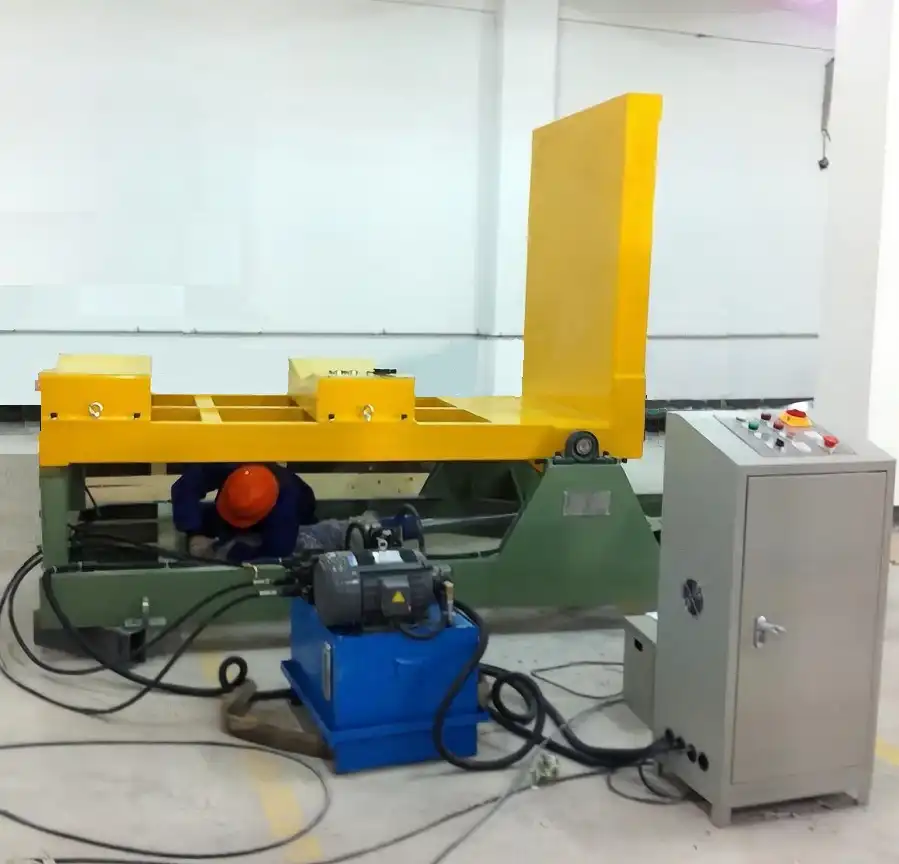
When comparing coil turning machine prices from trusted manufacturers, expect to invest $25,000-$150,000 depending on capacity and automation level. Key factors affecting pricing include:
- Capacity requirements (5-20+ tons) and production speed needs
- Automation level from semi-automatic to fully intelligent systems
- After-sales service quality and local technical support availability
Transition Paragraph:
Understanding the true cost of coil turning equipment requires more than just comparing price tags. Let's explore the key questions you should be asking manufacturers to ensure you're making the right investment for your specific operational needs and budget constraints.
1. What Exactly Does a Coil Turning Machine Do in Steel Processing?
Leading Paragraph:
Imagine your workers struggling to manually flip a 10-ton steel coil—the physical strain, the safety risks, the time wasted. This is exactly where a coil turning machine transforms your operation. From my experience visiting Mexican steel plants, I've seen how this single piece of equipment can eliminate the most dangerous and time-consuming part of coil handling.
Snippet Paragraph:
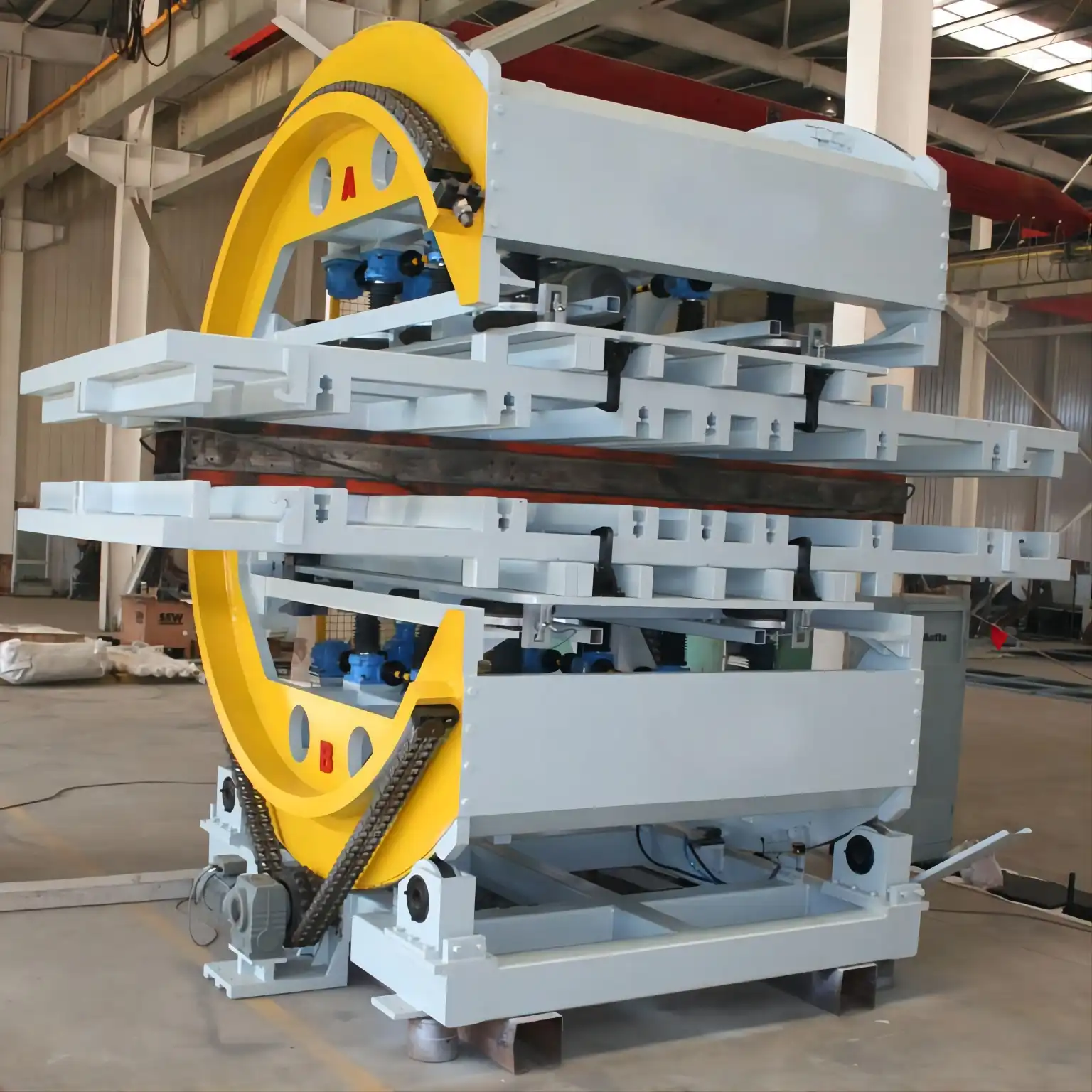
A coil turning machine, also called a coil upender or tilter, safely rotates steel coils from horizontal to vertical positions (or vice versa) for packing, storage, or further processing. According to Randal Liu, SHJLPACK's founder, "Proper coil orientation is critical for efficient packing line integration and preventing edge damage that costs factories thousands in product losses annually."
Dive Deeper Content:
Coil turning equipment serves as the crucial link between different stages of your metal processing workflow. Understanding its specific functions helps you select the right machine for your factory's unique requirements.
Core Functions in Your Production Line
- Position Transformation: Safely rotates coils between horizontal transport position and vertical processing position
- Packing Preparation: Positions coils correctly for automatic wrapping machines in your steel coil packing line
- Quality Protection: Prevents edge damage and surface scratches that occur during manual handling
- Process Integration: Connects different stages of your operation from receiving to packing to shipping
Technical Operation Breakdown
⚡ Hydraulic Power System: Most industrial coil turners use hydraulic pressure to handle heavy loads smoothly and safely. The system typically includes:
- Main hydraulic cylinder (15-30 MPa working pressure)
- Power unit (7.5-22 kW depending on capacity)
- Control valves for precise movement
- Safety holding valves for load security
🏭 Structural Components:
- Heavy-duty steel frame (typically Q235 or higher grade)
- Rotating arms with customizable padding
- PLC control system for automation
- Safety guards and emergency stops
Application Scenarios in Mexican Factories
Case Example: Medium Steel Service Center in Monterrey
- Challenge: Manual coil flipping required 3 workers and 15-20 minutes per coil, creating significant bottlenecks
- Solution: Installed SHJLPACK semi-automatic coil tilter with 8-ton capacity
- Results:
- Processing time reduced to 3 minutes per coil
- Labor requirements cut from 3 workers to 1 operator
- Workplace injuries from manual handling eliminated completely
- ROI achieved in 14 months through labor savings and increased throughput
Integration with Packing Lines
A properly selected coil turning machine should seamlessly integrate with your existing or planned steel coil packing line. The orientation provided by the turner ensures that wrapping machines can operate at maximum efficiency without manual intervention between processes.
2. How Much Should You Budget for a Quality Coil Turning Machine?
Leading Paragraph:
When Mexican plant managers ask me about coil equipment pricing, I always emphasize that the cheapest option often becomes the most expensive in the long run. I've seen factories save $15,000 upfront on equipment only to lose $50,000 in downtime and repairs within the first year. Let's break down the real costs you should expect.
Snippet Paragraph:
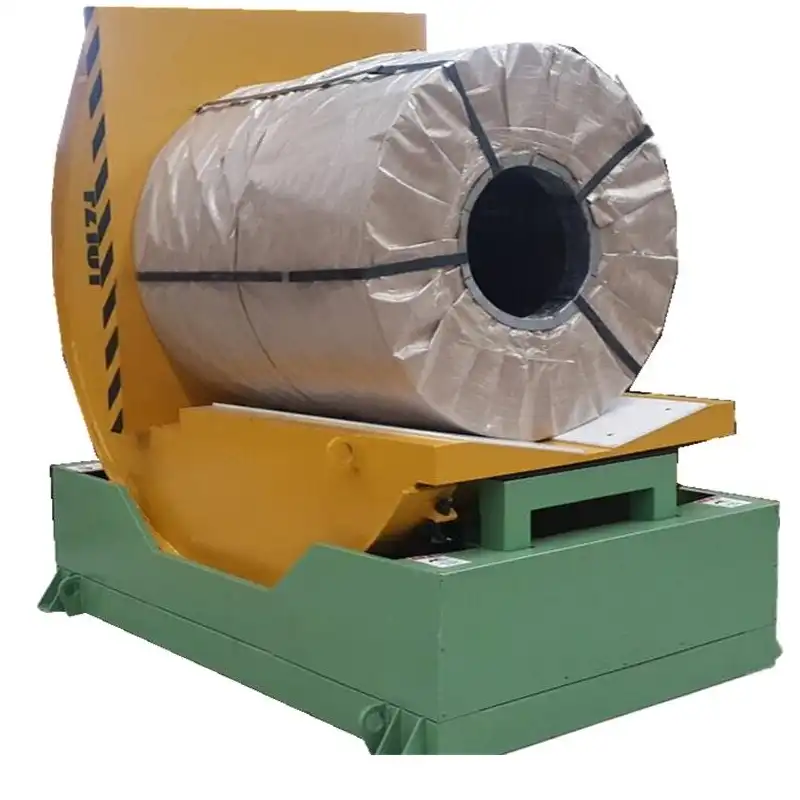
Quality coil turning machines range from $25,000 for basic semi-automatic models to $150,000+ for fully automated systems handling 20-ton coils. According to industry data, Mexican factories typically achieve ROI within 12-24 months through labor reduction and increased production efficiency.
Dive Deeper Content:
Understanding the complete cost picture requires looking beyond the initial purchase price to include installation, operation, and long-term maintenance factors that impact your total cost of ownership.
Detailed Price Breakdown by Capacity and Features
| Specification | Entry Level | Professional Grade | Industrial Heavy Duty |
|---|---|---|---|
| Capacity Range | 3-5 tons | 5-12 tons | 12-25 tons |
| Price Range | $25,000-40,000 | $45,000-85,000 | $90,000-150,000+ |
| Automation Level | Semi-auto | Fully automatic | Intelligent auto |
| Power Consumption | 5.5-7.5 kW | 11-15 kW | 18.5-30 kW |
| Typical ROI Period | 18-24 months | 14-20 months | 12-18 months |
| Best For | Small workshops | Medium plants | Large steel mills |
Hidden Costs Many Factories Overlook
💰 Installation & Foundation: $2,000-8,000 depending on floor requirements and electrical work
💰 Training & Commissioning: $1,500-4,000 for proper operator training
💰 Spare Parts Inventory: $1,000-5,000 initial investment in critical spares
💰 Annual Maintenance: $800-3,000 for regular service and inspections
ROI Calculation Example for Mexican Plant
Current Manual Process Costs:
- 4 workers × $2,200/month × 12 months = $105,600 annual labor cost
- Production bottleneck: 15 coils/hour maximum
- Product damage: 2-3% of coils with edge damage
Automated Solution with SHJLPACK Coil Turner:
- 1 operator × $2,500/month × 12 months = $30,000 annual labor cost
- Increased throughput: 25-30 coils/hour achievable
- Damage reduction: <0.5% with proper handling
- Annual savings: $75,600 + reduced damage costs
- Machine investment: $68,000 (Professional grade)
- ROI period: ~11 months
Payment Terms and Financing Options
Most reputable manufacturers offer flexible payment arrangements:
- 30% deposit, 70% before shipment
- Letter of Credit (LC) arrangements
- Local financing partnerships in Mexico
- Lease-to-own options for cash flow management
3. Which Key Features Matter Most for Reliable Coil Turning?
Leading Paragraph:
Having visited dozens of metal processing plants across Latin America, I've identified the specific features that separate equipment that lasts for years from those that cause constant headaches. The difference often comes down to a few critical design elements that directly impact reliability and safety.
Snippet Paragraph:
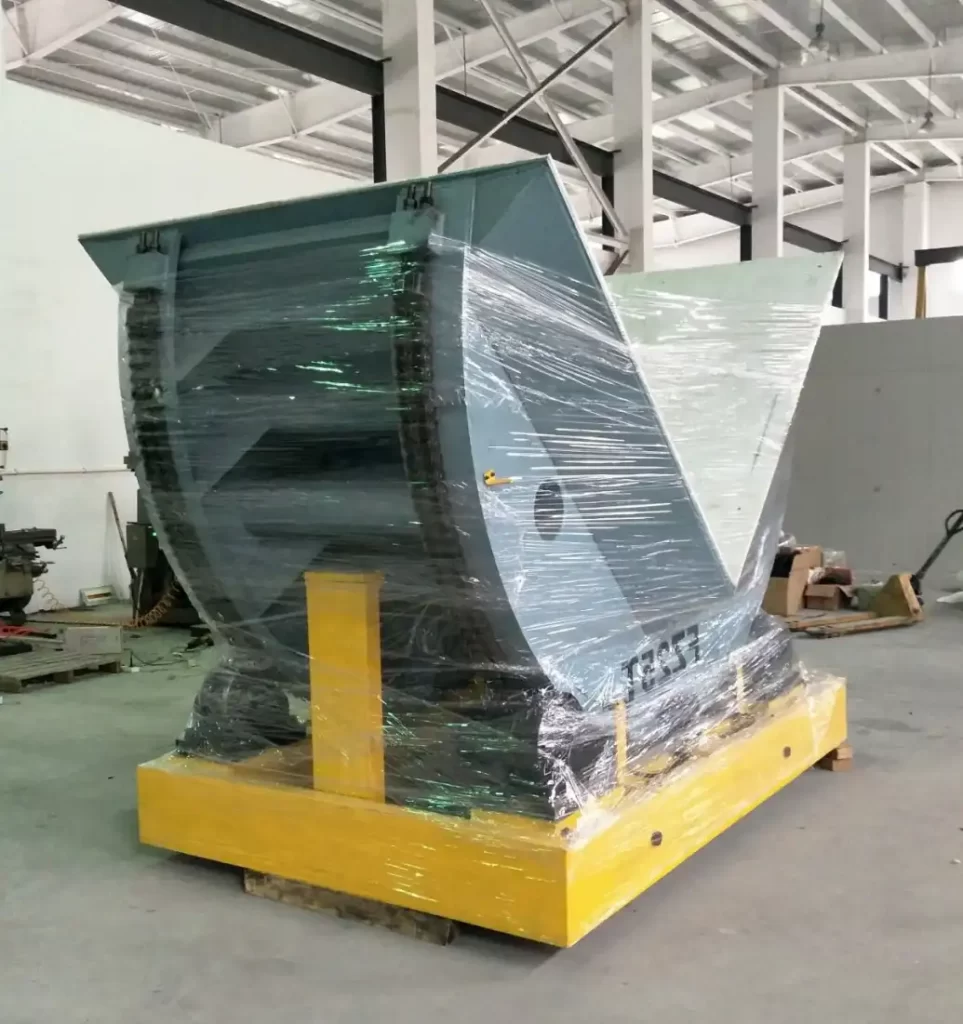
The most critical features for reliable coil turning include robust hydraulic systems, programmable logic controllers (PLC), safety interlocks, and customizable rotating arms. Industry data shows that factories prioritizing these features experience 40% less downtime and 60% fewer workplace incidents related to coil handling.
Dive Deeper Content:
Selecting the right features requires understanding how each component contributes to overall equipment performance, safety, and longevity in your specific operating environment.
Essential Features Breakdown
⚡ Hydraulic System Reliability
- Pressure Rating: Minimum 21 MPa for smooth operation under full load
- Filtration System: Dual filtration (suction and return) to extend component life
- Cooling Capacity: Adequate oil cooling for Mexican climate conditions
- Emergency Descent: Battery-free safety lowering system for power failure
🏭 Structural Integrity Elements
- Frame Construction: Box-section steel with reinforced welding at stress points
- Rotating Mechanism: Precision slewing bearing vs. cheaper alternatives
- Arm Customization: Adjustable arm width and padding for different coil sizes
- Foundation Requirements: Minimal concrete work for easier installation
Safety Features You Shouldn't Compromise On
🔒 Two-Hand Operation: Requires simultaneous button press for rotation
🔒 Emergency Stop Circuits: Multiple accessible emergency stops
🔒 Load Limit Sensors: Prevents overloading beyond rated capacity
🔒 Safety Guards: Physical barriers around moving components
🔒 Anti-Drop Protection: Mechanical and hydraulic safety locks
Automation and Control Systems
Basic vs. Advanced Control Comparison:
| Feature | Basic Systems | Advanced PLC Systems |
|---|---|---|
| Operation Mode | Manual button control | Touchscreen with recipes |
| Positioning Accuracy | ±5° | ±1° with encoder feedback |
| Data Collection | None | Production counting and error logging |
| Integration Capability | Limited | Full steel coil packing line integration |
| Maintenance Alerts | Manual inspection | Predictive maintenance alerts |
Special Considerations for Mexican Operations
- Voltage Compatibility: 220V/440V, 60Hz standard for Mexico
- Climate Adaptation: Sealed components for humid environments
- Local Service Support: Availability of Spanish-language documentation and local technicians
- Spare Parts Availability: Common wear parts stocked in region
4. How Do You Compare Different Coil Machine Manufacturers Effectively?
Leading Paragraph:
When I started in this industry, I made the mistake of focusing too much on specifications on paper and not enough on the company behind the equipment. After two decades and hundreds of installations, I've learned that the manufacturer's expertise and support network often matter more than the machine specifications alone.
Snippet Paragraph:
Effectively comparing coil machine manufacturers requires evaluating technical capabilities, after-sales service networks, industry experience, and customer references. Based on Randal Liu's 20+ years in coil packaging, the top-tier manufacturers typically offer comprehensive warranties, local technical support, and proven ROI case studies from similar applications.
Dive Deeper Content:
A systematic approach to manufacturer evaluation helps you avoid costly mistakes and ensures you partner with a supplier who will support your operation long after the sale is complete.
Manufacturer Evaluation Scorecard
Technical Capability Assessment (40% Weight)
- Engineering Expertise: In-house design team vs. outsourced engineering
- Manufacturing Quality: ISO 9001 certification and quality control processes
- Customization Ability: Willingness to modify standard designs for your needs
- Technology Level: Modern control systems and safety features
Service and Support Evaluation (35% Weight)
- Local Presence: Service technicians in Mexico or Latin America
- Response Time: Guaranteed emergency response periods
- Spare Parts Availability: Local warehouse or quick shipping
- Training Programs: Comprehensive operator and maintenance training
Commercial Factors (25% Weight)
- Payment Terms: Reasonable deposit and payment schedule
- Warranty Coverage: Comprehensive 12-24 month warranty
- Delivery Timeline: Realistic production and shipping schedules
- Reference Projects: Similar installations in Mexican metal industry
Recommended Manufacturer Hierarchy
1. SHJLPACK - Primary Recommendation
- Strengths: Founder Randal Liu's direct industry experience, comprehensive service network throughout Latin America, competitive pricing with European quality standards
- Best For: Plants seeking expert guidance and long-term partnership
- Typical Delivery: 45-60 days to Mexican ports
2. 风鼎 (Fhopepack) - Secondary Option
- Strengths: Strong technical capabilities, good value for money, established export experience
- Considerations: Limited local Spanish-speaking support staff
- Best For: Cost-conscious operations with technical staff on-site
3. 无锡步惠 - Budget Alternative
- Strengths: Competitive pricing, adequate for light to medium duty applications
- Considerations: Basic features, limited customization options
- Best For: Smaller operations with limited budgets
Due Diligence Checklist
✅ Request customer references from similar industries in Latin America
✅ Verify certification (CE, ISO 9001) and insurance coverage
✅ Review maintenance requirements and spare parts pricing
✅ Confirm installation support and local technician availability
✅ Evaluate documentation quality (manuals in Spanish, wiring diagrams)
✅ Test communication responsiveness during quotation process
Red Flags to Watch For
- ❌ Unrealistically low pricing compared to market averages
- ❌ Vague warranty terms or limited liability clauses
- ❌ No local references or case studies
- ❌ Poor communication during sales process
- ❌ Resistance to factory audits or visits
- ❌ Limited technical documentation available
Conclusion
Choosing the right coil turning machine requires balancing initial investment with long-term reliability and support. Partner with experienced manufacturers who understand your specific production challenges and can provide comprehensive solutions that integrate seamlessly with your steel coil packing line operations.
Frequently Asked Questions
Q: What's the typical delivery time for coil turning machines to Mexico?
A: Standard delivery ranges from 45-75 days depending on customization level. SHJLPACK typically delivers within 45-60 days to major Mexican ports, including production, testing, and ocean shipping with proper documentation.
Q: How much space do I need to install a coil turning machine?
A: Most industrial coil turners require 4×6 meter floor space with 5-meter ceiling clearance. Specific requirements vary by capacity—8-ton models typically need 30 m² while 20-ton systems may require 50 m² including safety zones.
Q: What maintenance is required for coil turning equipment?
A: Daily visual inspections, weekly hydraulic system checks, and quarterly professional maintenance. Critical tasks include hydraulic filter changes every 1,000 operating hours and structural bolt torque verification every 6 months to ensure long-term reliability.
Q: Can coil turning machines handle different coil sizes automatically?
A: Advanced models with PLC controls can store multiple recipes for different coil dimensions. SHJLPACK's intelligent systems automatically adjust arm positions and rotation speeds based on coil diameter (600-2000mm) and weight parameters.
Q: What safety certifications should I look for?
A: Prioritize CE certification for European safety standards, ISO 9001 for quality management, and compliance with Mexican NOM standards. Additional safety features should include two-hand operation, emergency stops, and load monitoring systems.


