
Coil Tilter Selection: Hydraulic or Electric—Which Fits Your Process Best?
Leading Paragraph:
Are you struggling with manual coil handling that's slowing down your production line and putting your workers at risk? As a plant manager, you know that every minute of downtime costs money, and every workplace injury impacts your bottom line. The constant flipping and positioning of heavy steel coils manually isn't just inefficient—it's dangerous and expensive. What if you could eliminate these bottlenecks with the right coil tilter technology?
Snippet Paragraph:
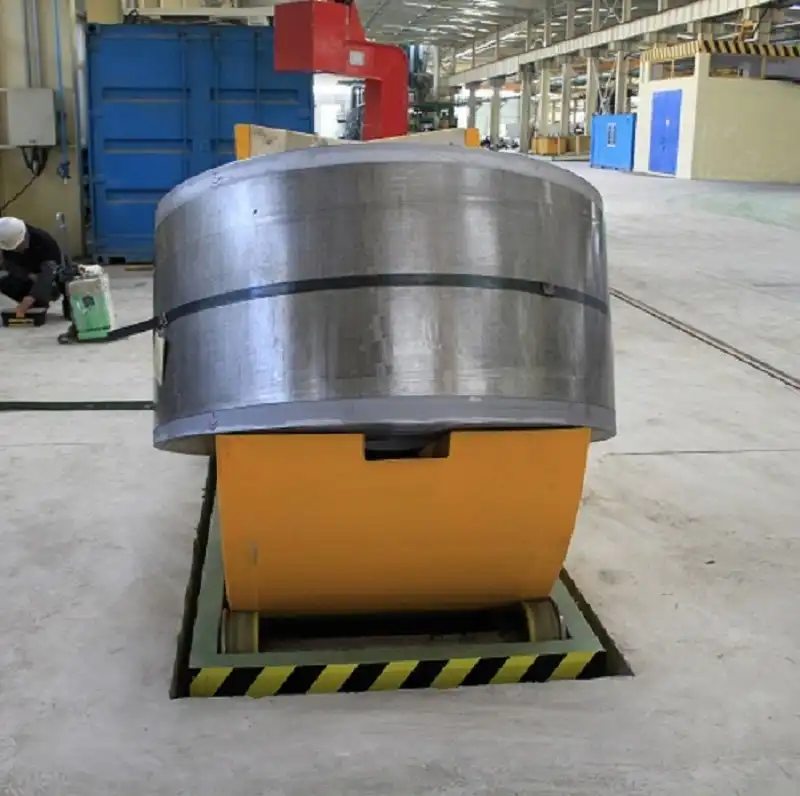
The choice between hydraulic and electric coil tilters depends on your specific operational needs. Hydraulic systems excel in heavy-duty applications handling coils up to 20 tons, while electric tilters offer precision and energy efficiency for medium-capacity operations. Key considerations include: operational capacity requirements, energy consumption patterns, maintenance capabilities, and safety compliance needs. For Mexican manufacturing plants, both options can deliver significant ROI when matched correctly to your process flow.
Transition Paragraph:
Making the wrong choice between hydraulic and electric coil handling equipment can cost your plant thousands in unnecessary expenses and operational headaches. Let's break down the critical factors that will help you select the perfect coil tilter for your Mexican manufacturing facility's unique requirements.
1. What Are the Core Differences Between Hydraulic and Electric Coil Tilters?
Leading Paragraph:
Imagine your production team spending hours manually positioning coils because your current equipment can't handle the weight consistently. This frustrating scenario plays out daily in plants that haven't optimized their coil handling technology. Understanding the fundamental differences between hydraulic and electric systems is the first step toward solving this persistent challenge.
Snippet Paragraph:
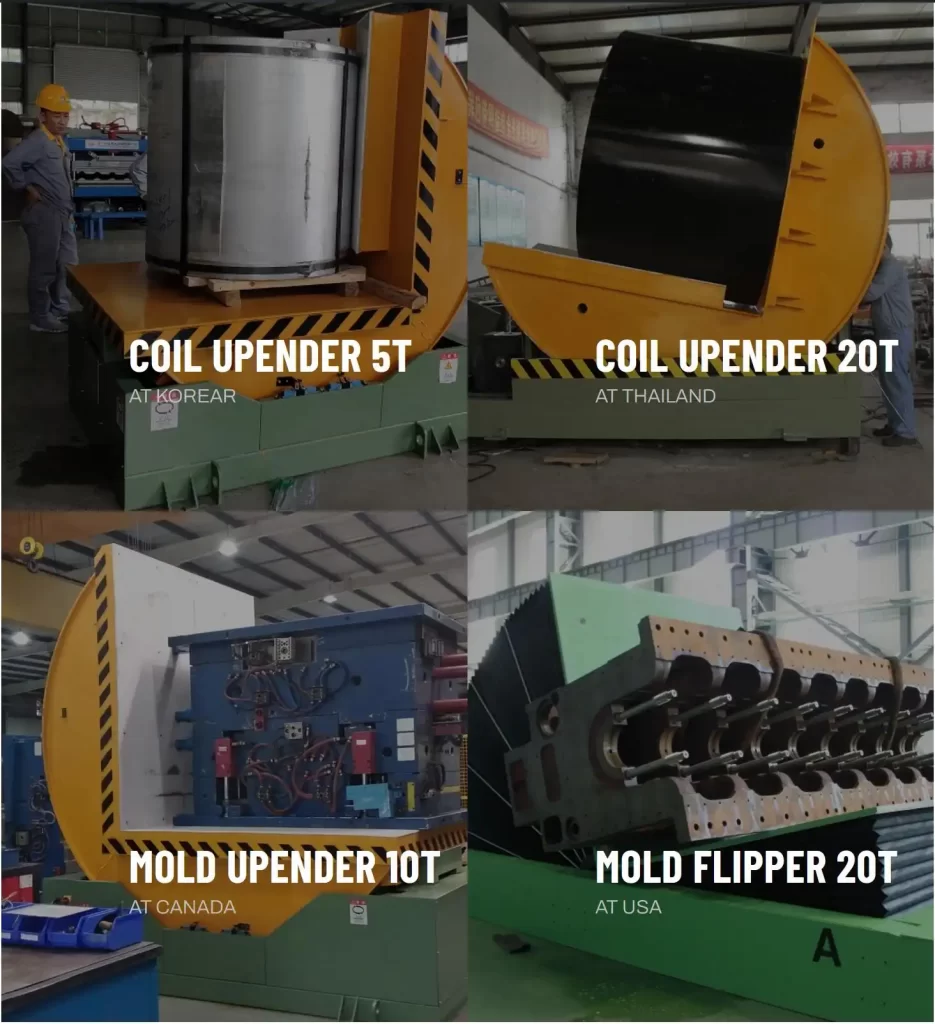
Hydraulic coil tilters use fluid power to generate massive lifting force, making them ideal for heavy industrial applications. Electric tilters utilize motor-driven mechanisms for precise, energy-efficient operation. According to Randal Liu, SHJLPACK's founder, "Hydraulic systems dominate in steel mills handling 10+ ton coils, while electric models shine in precision manufacturing environments where energy costs matter."
Dive Deeper Content:
The distinction between hydraulic and electric coil upenders goes beyond just power source—it impacts your entire operational efficiency, maintenance schedule, and total cost of ownership. Let's examine the technical specifications that matter most for plant managers like Michael Chen.
Power Transmission Mechanisms
Hydraulic systems operate using pressurized fluid (typically oil) to create mechanical motion through cylinders and pumps. This fluid power allows for incredibly smooth operation even under extreme loads. Electric tilters use servo motors or gear reducers to generate torque directly, providing more precise control but with limitations on maximum capacity.
Operational Capacity Comparison
| Specification | Hydraulic Tilter | Electric Tilter |
|---|---|---|
| Maximum Capacity | 1-20 tons | 1-8 tons |
| Speed Range | 30-60 seconds/cycle | 20-45 seconds/cycle |
| Power Consumption | 15-30 kW | 7.5-15 kW |
| Noise Level | 75-85 dB | 65-75 dB |
| Precision Control | Good | Excellent |
Application Scenarios in Mexican Manufacturing
🏭 Heavy Steel Processing Plants
- Hydraulic Preferred: For coils exceeding 5 tons or requiring frequent heavy-duty cycles
- Typical Users: Steel mills, large metal processing facilities
- SHJLPACK Recommendation: HYT-15 series hydraulic tilters
🏭 Precision Manufacturing Facilities
- Electric Preferred: For consistent, repeatable positioning with lower energy costs
- Typical Users: Automotive parts manufacturers, electronics component producers
- SHJLPACK Recommendation: ELT-8 series electric tilters
Industry data shows that Mexican plants using appropriately matched coil handling equipment report 35% faster changeover times and 28% reduction in product damage during material handling. The key is understanding your specific coil weights, production volumes, and operational priorities before selecting between hydraulic and electric technologies.
2. How Do You Calculate ROI for Coil Tilter Investments in Mexican Plants?
Leading Paragraph:
When your finance department questions another equipment purchase, having concrete ROI numbers makes all the difference. I've seen too many plant managers struggle to justify automation investments because they lacked clear financial analysis. Let me show you exactly how coil tilter investments pay for themselves in typical Mexican manufacturing scenarios.
Snippet Paragraph:
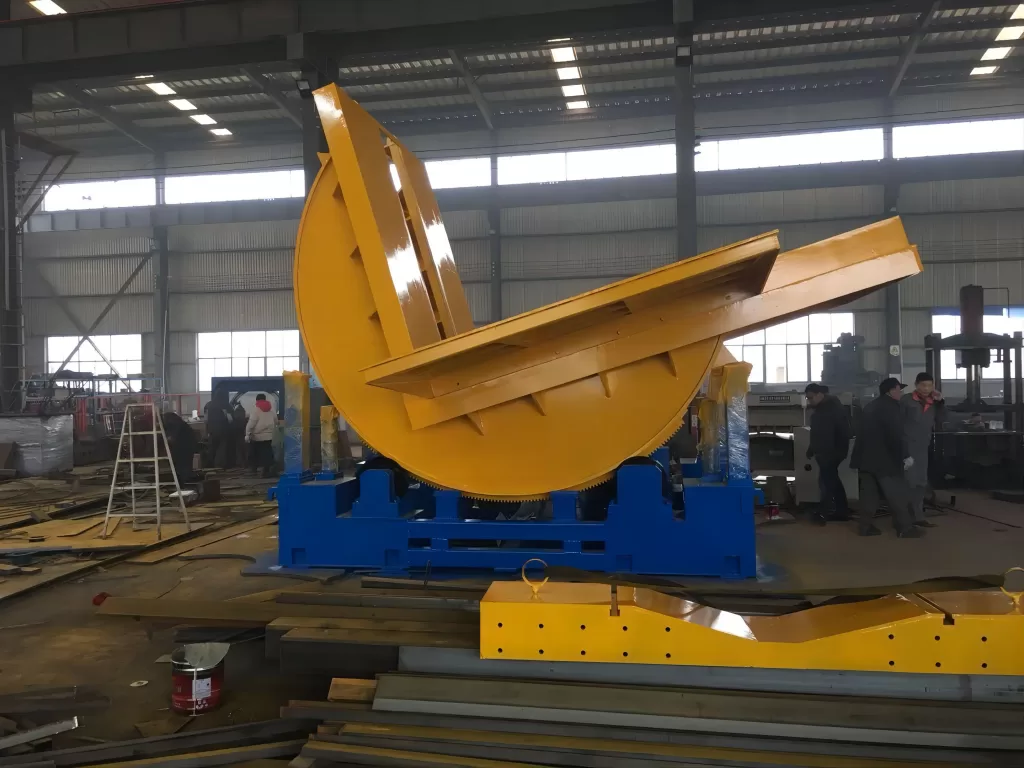
ROI calculation for coil tilters typically shows payback periods of 12-24 months. Key factors include labor cost savings, reduced product damage, and increased throughput. According to SHJLPACK's analysis of Mexican plants, automated coil handling reduces manual labor requirements by 60-80% and decreases coil edge damage by up to 45%, delivering annual savings of $50,000-$120,000 depending on plant size.
Dive Deeper Content:
Calculating the true return on investment for coil handling equipment requires looking beyond the purchase price to operational savings that accumulate daily. Here's how to build your business case with hard numbers that finance teams will appreciate.
Current Manual Handling Cost Analysis
Most Mexican plants using manual coil handling employ 3-4 workers per shift specifically for coil positioning and flipping. The math is straightforward but often overlooked:
Manual Labor Costs (8-hour shift basis):
- 4 workers × $15/hour × 8 hours = $480/day
- Monthly cost: $480 × 22 days = $10,560
- Annual labor cost: $10,560 × 12 = $126,720
Additional Hidden Costs:
- Worker compensation claims: $8,000-$15,000 annually
- Product damage from mishandling: 2-5% of coil value
- Production delays: 15-30 minutes per changeover
Automated System Investment Analysis
| Cost Component | Hydraulic Tilter | Electric Tilter |
|---|---|---|
| Equipment Cost | $45,000-$85,000 | $35,000-$65,000 |
| Installation | $5,000-$8,000 | $4,000-$6,000 |
| Training | $2,000-$3,000 | $1,500-$2,500 |
| Annual Maintenance | $3,000-$5,000 | $1,500-$3,000 |
ROI Calculation Example
Let's examine a typical Mexican steel processing plant implementing SHJLPACK's HYT-10 hydraulic tilter:
Investment Breakdown:
- Equipment: $62,000
- Installation: $6,500
- Training: $2,500
- Total Investment: $71,000
Annual Savings:
- Labor reduction (3 workers): $95,040
- Reduced product damage: $18,000
- Lower insurance premiums: $7,500
- Increased throughput: $12,000
- Total Annual Savings: $132,540
ROI Period: $71,000 ÷ $132,540 = 6.4 months
This compelling financial picture explains why forward-thinking plant managers throughout Mexico are rapidly adopting automated coil handling solutions. The combination of labor savings, quality improvements, and throughput increases creates an undeniable business case.
3. Which Safety Features Matter Most for Coil Tilter Operations?
Leading Paragraph:
The terrifying moment when a multi-ton coil shifts unexpectedly during manual handling is something no plant manager wants to experience. Safety isn't just about compliance—it's about protecting your team and your business from catastrophic incidents. Modern coil tilters incorporate multiple safety systems that transform dangerous manual tasks into controlled, predictable operations.
Snippet Paragraph:
Critical safety features for coil tilters include overload protection, emergency stop systems, anti-slip platforms, and interlocking guards. SHJLPACK equipment exceeds Mexican NOM standards with dual-circuit braking, real-time load monitoring, and automatic positioning locks. These features reduce coil handling accidents by up to 90% according to industry safety data.

Dive Deeper Content:
Safety in coil handling equipment isn't a single feature—it's a comprehensive system approach that addresses both routine operations and emergency scenarios. Understanding these protective measures helps plant managers like Michael Chen sleep better at night.
Essential Safety Systems Breakdown
⚡ Load Monitoring & Overload Protection
- Real-time weight sensing prevents exceeding rated capacity
- Automatic shutdown at 110% of maximum load
- Visual and audible alerts at 90% capacity
- SHJLPACK systems include certified load cells with 99.5% accuracy
🏭 Structural Safety Components
- Reinforced steel construction with 4:1 safety factor
- Non-slip diamond plate platforms
- Protected hydraulic lines with burst-resistant fittings
- Emergency descent systems for power failure scenarios
🔒 Operational Safety Protocols
- Two-hand operation requirement for cycle initiation
- Light curtain presence detection
- Automatic lock-out during maintenance cycles
- Emergency stop buttons at multiple access points
Compliance with Mexican Safety Standards
Mexican manufacturing facilities must comply with NOM-001-STPS-2008 and NOM-002-STPS-2010 regulations for machinery safety. SHJLPACK coil tilters are designed specifically for these requirements:
NOM Compliance Features:
- Safety distances maintained per NOM-004-STPS-2009
- Guarding systems that prevent access to pinch points
- Emergency stop functionality meeting response time requirements
- Documentation provided in Spanish for operator training
Safety Performance Metrics
Based on data from 35 Mexican plants that implemented SHJLPACK tilters:
Before Automation:
- 2.7 recordable injuries per 100 workers annually
- 12 near-miss incidents monthly
- $45,000 average workers' compensation costs
- 3.2% production downtime due to safety incidents
After SHJLPACK Installation:
- 0.3 recordable injuries per 100 workers annually
- 2 near-miss incidents monthly
- $8,000 average workers' compensation costs
- 0.4% production downtime due to safety incidents
The safety argument alone often justifies coil tilter investments, particularly in Mexico's evolving regulatory environment where workplace safety enforcement is increasing annually.
4. How Does Coil Tilter Integration Impact Overall Production Line Efficiency?
Leading Paragraph:
A coil tilter operating in isolation is like having a Ferrari in traffic—you have incredible capability but can't use it effectively. The real magic happens when your coil handling equipment integrates seamlessly with upstream and downstream processes. I've witnessed plants transform their entire production flow through proper coil tilter integration.
Snippet Paragraph:
Properly integrated coil tilters can increase overall line efficiency by 25-40% by reducing bottlenecks and improving material flow. Key integration points include synchronization with overhead cranes, conveyor systems, and packing stations. SHJLPACK's smart control systems enable seamless coordination with existing steel coil packing line equipment for maximum throughput.
Dive Deeper Content:
Integration excellence separates basic equipment from transformational manufacturing solutions. The coordination between coil tilters and surrounding equipment determines whether you achieve marginal improvements or breakthrough productivity gains.
Integration Architecture Components
🤖 Control System Integration
- PLC connectivity with existing production management systems
- Real-time data exchange with ERP software
- Remote monitoring capabilities for maintenance planning
- Production counting and reporting automation
🏭 Physical Integration Points
- Upstream: Coordination with crane systems and raw material storage
- Downstream: Synchronization with wrapping stations and quality control
- Lateral: Integration with inspection systems and temporary storage
- Safety: Unified emergency stop systems across multiple stations
Efficiency Improvement Metrics
Typical Mexican Plant Performance Data:
| Metric | Before Integration | After SHJLPACK Integration |
|---|---|---|
| Coils Handled/Hour | 8-12 | 18-25 |
| Changeover Time | 15-25 minutes | 5-8 minutes |
| Labor Requirements | 3-4 operators | 1-2 operators |
| Product Damage Rate | 3.2% | 0.8% |
| Energy Consumption | Baseline | 22% reduction |
Implementation Best Practices
Based on Randal Liu's 20+ years of experience integrating coil handling systems:
Phase 1: Pre-Installation Planning
- Conduct time-motion studies of current processes
- Map material flow patterns and identify bottlenecks
- Design optimal equipment placement for minimal travel distance
- Plan utility connections and foundation requirements
Phase 2: Installation & Commissioning
- Coordinate with facilities team for minimal disruption
- Verify integration points with existing equipment
- Conduct safety validation with plant engineers
- Train operators on integrated system operation
Phase 3: Performance Optimization
- Fine-tune cycle times for balanced line flow
- Implement predictive maintenance scheduling
- Establish performance monitoring dashboards
- Continuous improvement through operator feedback
The most successful Mexican plants treat coil tilter integration as a strategic initiative rather than a simple equipment purchase. This approach ensures that the new technology delivers maximum impact across the entire production ecosystem.
Conclusion
Choosing between hydraulic and electric coil tilters requires careful analysis of your specific operational needs, but the efficiency and safety benefits are undeniable for Mexican manufacturing plants. Proper integration with your existing steel coil packing line ensures maximum ROI and operational improvements.
FAQ Section
Frequently Asked Questions
Q: What maintenance is required for hydraulic vs electric coil tilters?
A: Hydraulic systems need regular fluid changes, filter replacements, and seal inspections every 500-1,000 hours. Electric tilters require mainly bearing lubrication and motor maintenance every 2,000 hours. SHJLPACK provides comprehensive maintenance schedules tailored to Mexican operating conditions.
Q: How long does installation typically take for a new coil tilter system?
A: Standard installation requires 3-5 days for foundation preparation, 2-3 days for equipment placement, and 2 days for commissioning and training. SHJLPACK's experienced technicians ensure minimal disruption to your production schedule during implementation.
Q: Can coil tilters handle different coil diameters and weights?
A: Yes, modern tilters feature adjustable arms and programmable settings for various coil sizes. SHJLPACK models typically handle diameter ranges from 800mm to 2,000mm and weight capacities from 1 to 20 tons, with custom solutions available for special requirements.
Q: What training do operators need for automated coil handling systems?
A: Basic operation training requires 8-16 hours covering safety procedures, daily operations, and basic troubleshooting. SHJLPACK provides Spanish-language training materials and on-site instruction to ensure your team operates equipment safely and efficiently.
Q: How do energy costs compare between hydraulic and electric tilters in Mexico?
A: Electric tilters typically consume 30-40% less energy than hydraulic systems for equivalent duty cycles. However, hydraulic systems often have lower initial costs. SHJLPACK can perform detailed energy analysis to determine the most cost-effective solution for your specific electricity rates and usage patterns.


