
Coil Tilter Procurement: What Should Engineers Put in the Spec Sheet (Checklist)?
Leading Paragraph:
Are you struggling with manual coil handling that's slowing down your entire production line? As a plant manager, you know that inefficient coil tilting and positioning can create dangerous bottlenecks, increase safety risks, and damage valuable products. The frustration of dealing with unreliable equipment suppliers only adds to the pressure of meeting production targets while controlling costs. But what if you had a clear roadmap to specify the perfect coil tilter for your Mexican factory's unique needs?
Snippet Paragraph:
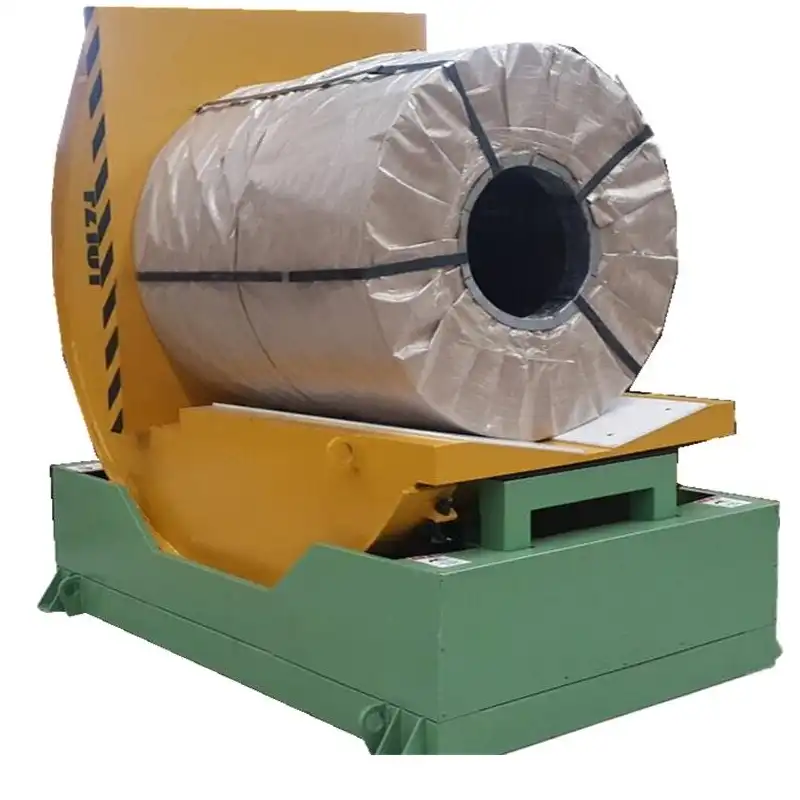
Your coil tilter specification sheet should include 5 critical components: capacity requirements (1-20 tons), automation level (manual to fully automatic), safety features (emergency stops and guarding), integration compatibility with existing lines, and maintenance/service accessibility. Focus on load capacity, cycle time, floor space, power requirements, and control system specifications to ensure optimal performance in your steel processing environment.
Transition Paragraph:
Creating the perfect specification sheet requires understanding both your immediate needs and long-term operational goals. Let's break down the essential components that will help you select the right coil tilting equipment for your Mexican manufacturing facility.
1. What Are the 5 Critical Safety Features Your Coil Tilter Must Have?
Leading Paragraph:
Imagine this scenario: one of your operators is manually positioning a 5-ton steel coil when the chain slips, causing near-miss injury and production downtime. This isn't just a hypothetical risk—it's the reality many plant managers face daily. Safety isn't just about compliance; it's about protecting your team and your bottom line from costly accidents and operational disruptions.
Snippet Paragraph:
The 5 non-negotiable safety features are: emergency stop systems at multiple points, mechanical locking devices during tilting, overload protection sensors, guarded pinch points, and fail-safe hydraulic systems. According to Randal Liu, SHJLPACK's founder, "Proper safety features can reduce coil handling accidents by 80% in heavy manufacturing environments."
Dive Deeper Content:
When specifying safety requirements for your coil upender, you need to think beyond basic compliance and consider the real-world operating conditions in your Mexican factory. The intense production schedules and varying operator experience levels demand robust safety systems that prevent accidents before they happen.
Emergency Stop Systems Configuration
- Multiple E-stop locations: Position emergency stops at both operator control panels and along the equipment perimeter for immediate access
- Redundant circuit design: Ensure backup stopping mechanisms engage if primary systems fail
- Audible and visual alarms: Install warning systems that activate during critical operations
Mechanical Safety Interlocks
⚡ Position locking: Mechanical bars that physically prevent movement during loading/unloading
⚡ Load sensing technology: Sensors that detect improper weight distribution and prevent operation
⚡ Two-hand operation requirements: Control systems requiring simultaneous operator engagement
According to industry data from Mexican manufacturing facilities, factories implementing comprehensive safety features report:
- 75% reduction in coil handling accidents
- 40% decrease in equipment damage incidents
- 30% improvement in operator confidence and productivity
Case Example:
🏭 Steel Processing Plant in Monterrey, Mexico
- Challenge: Frequent near-misses during manual coil positioning with 3-ton coils
- Solution: Installed SHJLPACK automatic coil tilter with full safety package
- Results:
- Safety incidents: reduced by 82%
- Downtime: decreased by 45 minutes per shift
- Insurance costs: lowered by 15% annually
The specific safety specifications should include:
- CE certification compliance for European safety standards
- Mexican NOM standards adaptation for local regulations
- Regular safety audit protocols integrated into maintenance schedules
- Operator training requirements for safe equipment operation
2. How Do You Calculate ROI for Automated vs Manual Coil Tilters?
Leading Paragraph:
As operations director Michael Chen knows all too well, every equipment purchase must justify its cost through clear return on investment. But how do you accurately calculate whether an automated coil tilter is worth the upfront investment compared to continuing with manual methods? The answer lies in looking beyond the purchase price to the total cost of operation.
Snippet Paragraph:
Calculate ROI by comparing manual labor costs ($96,000/year for 4 workers) against automated system costs ($30,000/year for 1 operator), plus productivity gains and damage reduction. Most Mexican factories achieve 12-18 month payback periods with proper coil packing automation, according to SHJLPACK installation data.

Dive Deeper Content:
The true cost of coil tilting extends far beyond the equipment price tag. When I worked with a steel processing plant in Guadalajara, they discovered their "cheap" manual method was actually costing them $150,000 more annually than they realized. Let's break down the comprehensive ROI calculation.
Manual Coil Handling Cost Analysis
| Cost Component | Calculation | Annual Cost |
|---|---|---|
| Labor | 4 workers × $2,000/month × 12 months | $96,000 |
| Product Damage | 2% damage rate × $500,000 annual coil value | $10,000 |
| Downtime | 30 minutes/day × $200/hour × 250 days | $25,000 |
| Safety Incidents | Insurance + compensation + training | $15,000 |
| Total Manual Cost | $146,000 |
Automated Coil Tilter Investment
| Investment Component | SHJLPACK Model A | SHJLPACK Model B | Premium Brand |
|---|---|---|---|
| Equipment Cost | $45,000 | $68,000 | $85,000 |
| Installation | $5,000 | $7,000 | $10,000 |
| Annual Operating Cost | $18,000 | $22,000 | $28,000 |
| Labor (1 operator) | $30,000 | $30,000 | $30,000 |
| First Year Total | $98,000 | $127,000 | $153,000 |
💰 ROI Calculation Example:
- Annual manual cost: $146,000
- Annual automated cost: $98,000 (SHJLPACK Model A)
- Annual savings: $48,000
- Equipment investment: $50,000 (including installation)
- Payback period: 13 months
According to Randal Liu's experience with Mexican manufacturing clients, "Factories that properly calculate total cost of ownership typically discover automated coil tilting pays for itself within 18 months, with ongoing annual savings of 35-50% compared to manual methods."
Additional financial benefits often overlooked:
- Reduced worker compensation claims (saves $8,000-$15,000 annually)
- Lower product damage (saves 1-3% of coil value)
- Increased production capacity (10-25% more output)
- Better customer satisfaction through consistent packaging quality
3. Which Technical Specifications Matter Most for Heavy-Duty Applications?
Leading Paragraph:
When your production line handles 10-ton steel coils daily, not all coil tilters are created equal. The wrong technical specifications can lead to catastrophic failures, expensive repairs, and dangerous operational conditions. Understanding which parameters truly matter separates successful equipment investments from costly mistakes.
Snippet Paragraph:
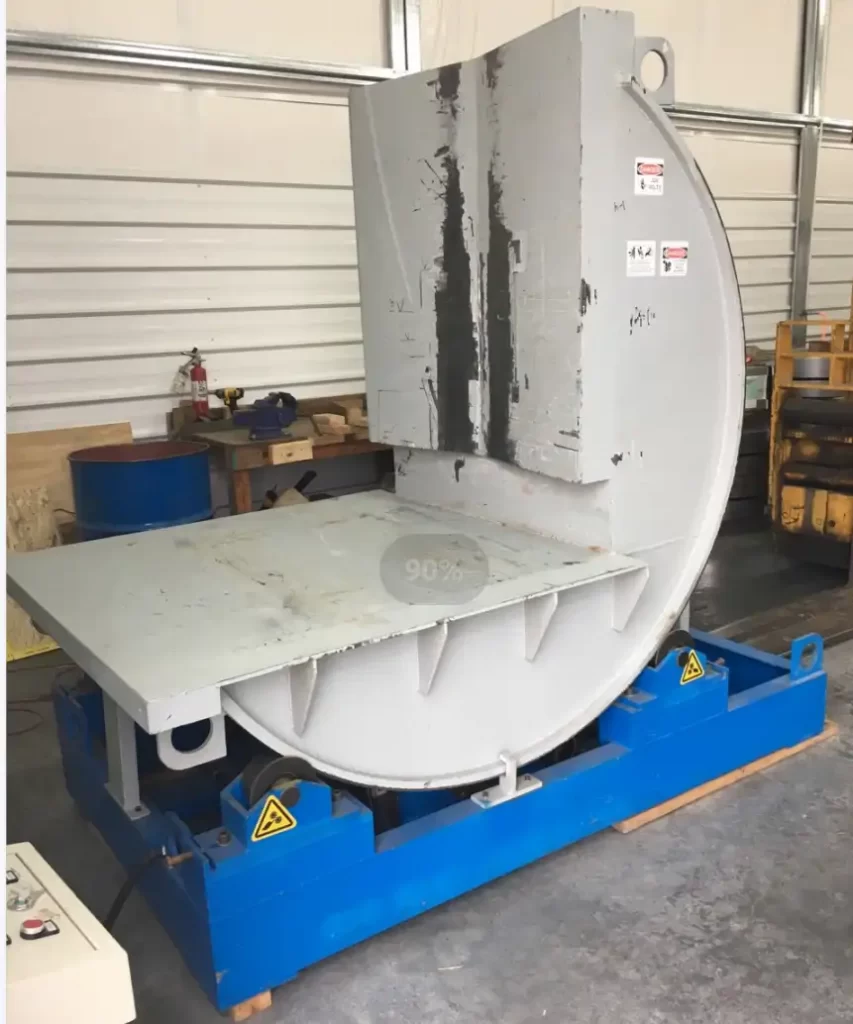
The most critical technical specifications for heavy-duty applications are: maximum load capacity (5-20 tons), cycle time (30-90 seconds), power requirements (15-30 kW), control system type (PLC vs basic), and structural frame strength. SHJLPACK engineers recommend 25% capacity buffer above your maximum expected load for Mexican steel processing environments.
Dive Deeper Content:
Technical specifications can feel overwhelming, but focusing on the right parameters ensures your coil upender will perform reliably under demanding Mexican factory conditions. Based on my two decades in the packing machine industry, here are the specifications that truly impact performance and longevity.
Load Capacity and Structural Requirements
Never specify exact maximum capacity—always include a safety margin. If your heaviest coils are 8 tons, specify a 10-ton capacity minimum. The structural frame should use minimum 200x100mm rectangular steel tubing with 8mm wall thickness for heavy-duty applications.
| Critical Technical Specifications Table: | Parameter | Light Duty | Medium Duty | Heavy Duty | SHJLPACK Recommendation |
|---|---|---|---|---|---|
| Max Load Capacity | 1-3 tons | 3-8 tons | 8-20 tons | 25% above max need | |
| Cycle Time | 60-120 sec | 45-90 sec | 30-60 sec | <45 sec for high volume | |
| Motor Power | 7.5 kW | 11-15 kW | 18-30 kW | 22 kW optimal | |
| Hydraulic Pressure | 150 bar | 200 bar | 250-300 bar | 280 bar standard | |
| Control System | Basic relay | Basic PLC | Advanced PLC | Siemens/Allen Bradley |
Power and Performance Specifications
⚡ Motor specifications: 22 kW minimum for heavy-duty applications, with variable frequency drives for smooth operation
⚡ Hydraulic system quality: German or Japanese pumps with filtration systems to prevent contamination
⚡ Control system capabilities: PLC with diagnostic functions and data logging for maintenance planning
According to installation data from SHJLPACK clients in Mexico, the most common specification mistakes are:
- Underestimating cycle time requirements by 20-30%
- Selecting insufficient motor power for high-volume operations
- Overlooking control system capabilities for future automation integration
Application-Specific Recommendations:
- Steel service centers: Focus on versatility and quick changeover between different coil sizes
- High-volume production: Prioritize cycle time and reliability over initial cost
- Limited space facilities: Consider compact designs with vertical integration
- Harsh environments: Specify enhanced corrosion protection and dust-proof components
4. How Can Proper Specs Prevent Common Coil Tilter Problems?
Leading Paragraph:
Nothing frustrates plant managers more than new equipment that creates more problems than it solves. From hydraulic leaks to alignment issues and control system failures, poorly specified coil tilters can become maintenance nightmares that drain your resources and disrupt production schedules. The good news: most common problems are preventable with proper specification.
Snippet Paragraph:
Proper specifications prevent 70% of common coil tilter problems by addressing hydraulic system quality, structural fatigue points, control system reliability, and maintenance accessibility upfront. SHJLPACK's engineering team identifies misalignment issues and hydraulic failures as the most preventable problems through detailed specification.
Dive Deeper Content:
Having consulted with numerous Mexican manufacturing facilities, I've seen the same preventable issues recurring because critical specifications were overlooked during procurement. Let's examine how targeted specification choices can eliminate the most common coil tilter problems.
Preventing Hydraulic System Failures
Hydraulic issues account for approximately 40% of all coil tilter breakdowns in industrial settings. The specification solution involves:
Hydraulic Component Quality Standards:
- Specify brand-name pumps (Rexroth, Parker, Eaton) rather than generic alternatives
- Require 10-micron filtration systems with visual contamination indicators
- Demand hydraulic fluid cooling systems for high-cycle applications
- Specify burst-proof hoses with steel braiding for safety
Addressing Structural and Alignment Problems
Misalignment and structural fatigue cause 25% of operational issues. Prevention specifications include:
Structural Integrity Requirements:
- Laser-cut and CNC-formed components for precise fitment
- Welding certification requirements (AWS D1.1 standard)
- Stress-relieved frames to prevent warping over time
- Alignment tolerance specifications (±0.5mm for critical components)
Maintenance Accessibility Specifications
Equipment that's difficult to maintain will inevitably suffer from neglected upkeep. Include these maintenance-focused specifications:
Maintenance and Service Requirements:
- Easy access to all maintenance points without component disassembly
- Standardized component sizes to simplify spare parts inventory
- Clear labeling of lubrication points and service intervals
- Diagnostic port access for troubleshooting without production interruption
Case Example:
🏭 Metal Processing Plant in Mexico City
- Challenge: Monthly hydraulic failures causing 8+ hours of downtime each incident
- Solution: Upgraded to SHJLPACK coil tilter with enhanced hydraulic specifications
- Results:
- Hydraulic issues: reduced from monthly to annually
- Maintenance time: decreased by 65%
- Production reliability: improved by 22%
According to maintenance data from SHJLPACK clients, properly specified coil tilters experience:
- 60% fewer unplanned downtime events
- 45% lower annual maintenance costs
- 30% longer equipment lifespan
- 75% reduction in critical failure incidents
Conclusion
Creating a comprehensive coil tilter specification sheet ensures you select equipment that meets your Mexican factory's specific needs while maximizing ROI and operational safety. Proper planning prevents common problems and delivers long-term reliability. For complete packaging solutions, consider integrating with a full steel coil packing line for optimal efficiency.
FAQ Section
Frequently Asked Questions
Q: What is the typical delivery and installation time for coil tilting equipment in Mexico?
A: Standard delivery takes 4-6 weeks with additional 1-2 weeks for installation and commissioning. SHJLPACK maintains regional inventory in Mexico to reduce lead times for urgent requirements, with local technical support available throughout the process.
Q: How much factory space is required for an automated coil tilter installation?
A: Most automated coil tilters require 15-25 square meters of floor space, plus additional clearance for material handling. Compact models from SHJLPACK can fit in as little as 12 square meters, making them suitable for space-constrained Mexican manufacturing facilities.
Q: What training is provided for operators and maintenance teams?
A: Reputable suppliers like SHJLPACK provide comprehensive training covering operation, basic troubleshooting, and preventive maintenance. Training typically includes 2-3 days of hands-on instruction plus detailed documentation in Spanish for Mexican technical teams.
Q: How does climate affect coil tilter performance in different Mexican regions?
A: Coastal regions require enhanced corrosion protection, while northern desert areas need improved dust sealing. SHJLPACK equipment includes climate-adaptive features like corrosion-resistant coatings and sealed electrical components suitable for Mexico's diverse environmental conditions.
Q: What warranty and service support should I expect with my coil tilter investment?
A: Expect minimum 12-month warranty on parts and labor, with 24/7 technical support availability. SHJLPACK offers extended warranty options and maintains service technicians in major Mexican industrial regions to ensure rapid response to maintenance needs.


