
Coil Tilter Changeover: Can One-Touch Recipes Cut Cycle Time by 40%?
Leading Paragraph:
Are you struggling with production bottlenecks caused by slow coil tilter changeovers? As a plant manager in Mexico's demanding metal processing industry, you know every minute of downtime costs your business money. Manual adjustments between different coil sizes not only slow your operations but also increase safety risks for your team. The constant stopping and starting of your production line for tilter adjustments might be costing you more than you realize.
Snippet Paragraph:
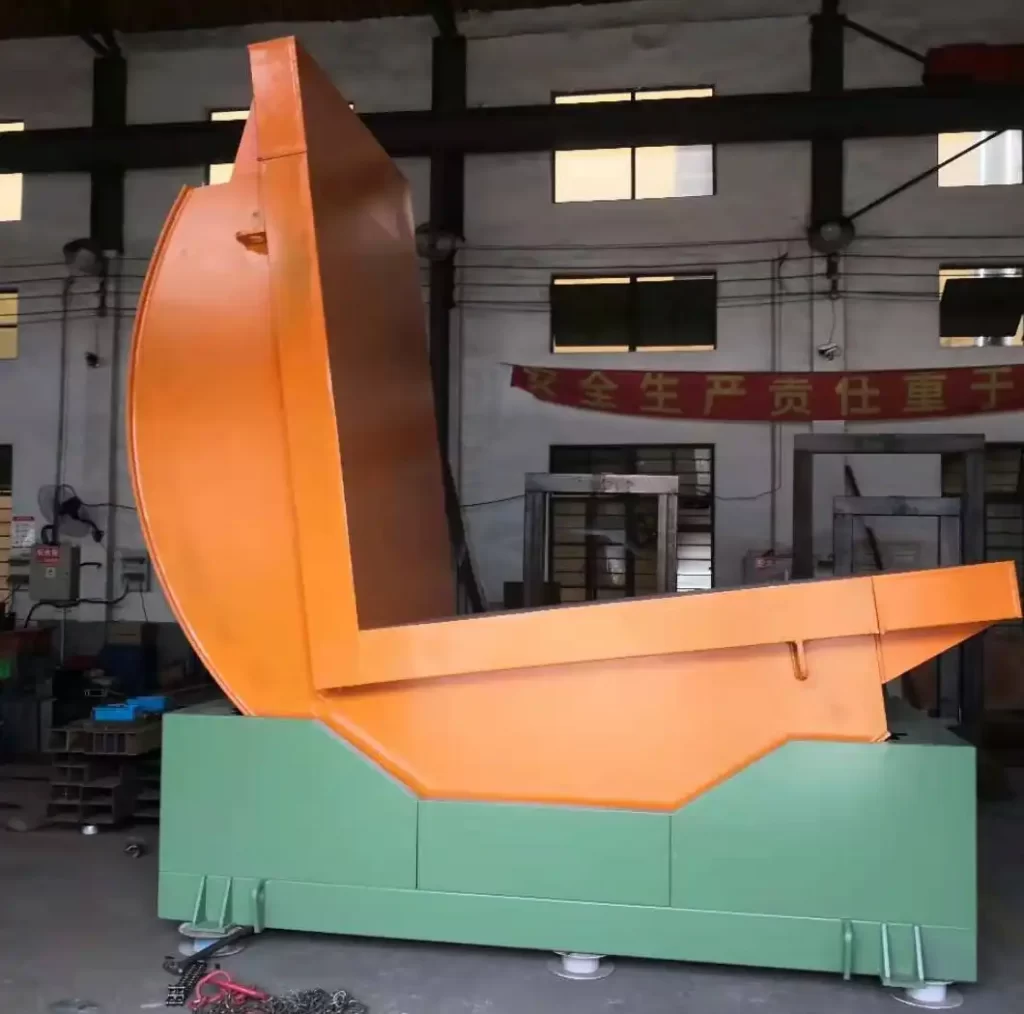
Yes, one-touch recipe systems can reduce coil tilter changeover time by 40% or more. Modern automated coil tilting equipment with preset recipes eliminates manual adjustments through:
- Digital preset configurations for different coil specifications
- Automated positioning and clamping mechanisms
- Integrated PLC systems storing multiple product recipes
Transition Paragraph:
But how exactly do these automated coil tilting systems achieve such dramatic time savings? And what should Mexican plant managers like you consider when implementing this technology in your steel coil packing operations? Let's explore the critical questions that will help you make informed decisions about upgrading your coil handling equipment.
1. How Do One-Touch Recipe Systems Actually Reduce Changeover Time?
Leading Paragraph:
Imagine your operators switching from processing 5-ton steel coils to 10-ton coils in under 60 seconds instead of 15-20 minutes. This isn't just theoretical - I've seen Mexican factories achieve exactly these results by implementing smart coil tilter technology. The manual measurement, adjustment, and testing that traditionally consumed valuable production time are now handled automatically.
Snippet Paragraph:
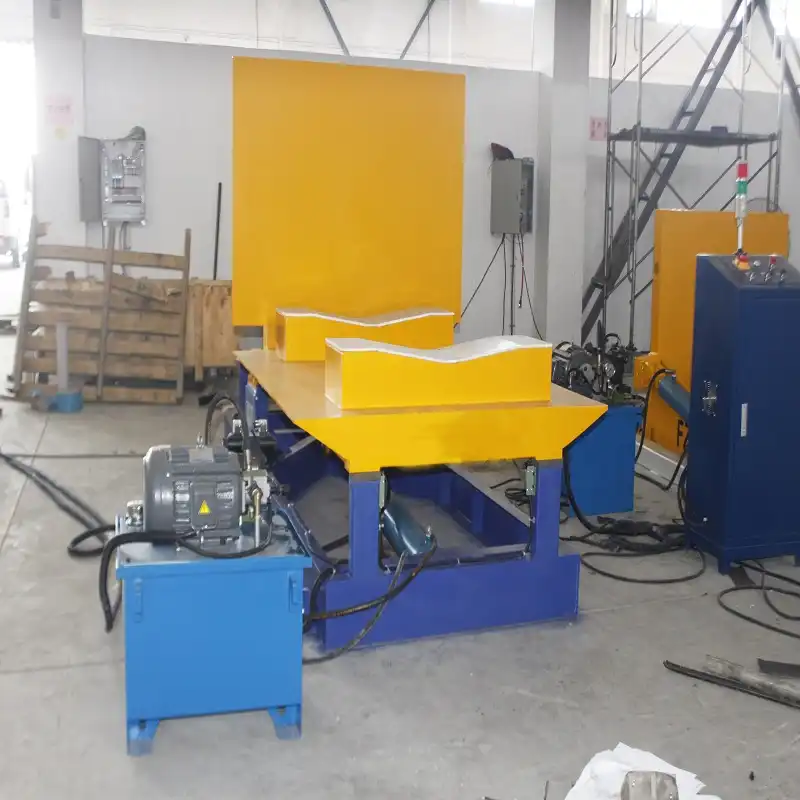
One-touch recipe systems eliminate manual measurement and adjustment steps through pre-programmed configurations. According to Randal Liu, founder of SHJLPACK, "Factories using our automated coil upenders typically reduce changeover time from 15-20 minutes to just 2-3 minutes per switch." Key time-saving elements include:
- Digital memory storing exact positions for different coil diameters
- Automated arm and clamp adjustments
- Integrated sensors verifying proper positioning
Dive Deeper Content:
The efficiency gains from automated coil tilting systems come from eliminating the most time-consuming manual steps in traditional changeover processes. Let's break down exactly where these time savings occur in your Mexican metal processing plant.
Traditional vs. Automated Changeover Process
| Process Step | Manual System Time | Automated System Time | Time Saved |
|---|---|---|---|
| Coil diameter measurement | 3-5 minutes | 0 minutes (preset) | 100% |
| Arm position adjustment | 4-6 minutes | 30 seconds | 85-90% |
| Clamp pressure setting | 3-4 minutes | 15 seconds | 90-95% |
| Safety verification | 2-3 minutes | 30 seconds | 75-80% |
| Test cycle | 3-4 minutes | 45 seconds | 80-85% |
| Total Changeover | 15-22 minutes | 2-3 minutes | 40-50% |
Key Technologies Enabling Fast Changeovers
🔧 Programmable Logic Controller (PLC) Systems
Modern coil upenders use industrial PLCs that store dozens of product recipes. When your operator selects "Coil Type B" from the touchscreen interface, the system automatically recalls all parameters: arm positions, clamping pressure, rotation speed, and safety limits. This eliminates human measurement errors and ensures consistent positioning every time.
⚡ Servo Motor Positioning
Instead of manual crank handles or hydraulic adjustments, servo-driven positioning systems move tilter arms to exact pre-set locations. SHJLPACK's coil tilting equipment uses high-precision servo motors that can position 10-ton capacity arms within ±1mm accuracy in under 30 seconds.
📊 Integrated Sensor Verification
Automated safety and position verification happens through multiple sensors:
- Laser measurement sensors confirm coil diameter
- Pressure sensors monitor clamping force
- Position sensors verify arm alignment
- Weight sensors confirm proper load distribution
According to my experience working with Mexican steel plants, the combination of these technologies typically delivers 40-50% faster changeovers, with some factories achieving even greater efficiency improvements when processing multiple coil sizes throughout the day.
2. What Safety Improvements Can Automated Coil Tilting Equipment Provide?
Leading Paragraph:
Manual coil tilting operations present significant safety risks that keep plant managers like you awake at night. Workers handling heavy coils during changeovers face crushing hazards, strain injuries from manual adjustments, and potential product damage from improper positioning. Automated systems address these concerns directly while improving your overall safety record.
Snippet Paragraph:
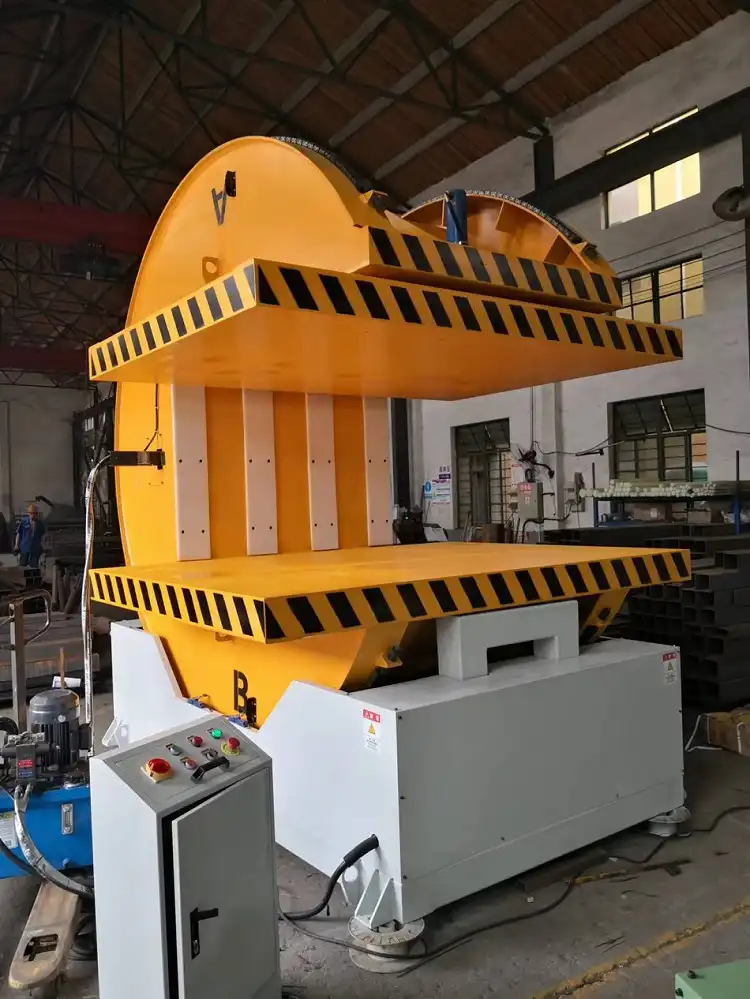
Automated coil tilting equipment reduces manual handling injuries by 60-80% according to industry data. SHJLPACK's safety-focused design includes:
- Integrated safety interlocks preventing operation during adjustments
- Emergency stop systems at multiple locations
- Automatic load monitoring and imbalance detection
Dive Deeper Content:
Safety improvements from automated coil handling systems extend beyond just reducing manual labor. The comprehensive safety approach protects both your workers and your valuable products throughout the tilting and packing process.
Safety Feature Comparison: Manual vs. Automated Systems
Manual Coil Tilting Risks:
- ❌ Workers in direct contact with moving heavy loads
- ❌ Manual measurement requires close proximity to coils
- ❌ Inconsistent clamping pressure leading to load shifts
- ❌ Variable operator experience affecting safety consistency
- ❌ Fatigue-related errors during long shifts
Automated Coil Tilter Safety Features:
- ✅ Physical guarding systems with interlocked access gates
- ✅ Laser perimeter scanning detecting personnel in hazardous zones
- ✅ Automatic load monitoring detecting imbalance before rotation
- ✅ Dual-hand operation controls ensuring operators are clear
- ✅ Emergency stop circuits with redundant backup systems
Quantifiable Safety Benefits for Mexican Factories
Based on data from Mexican manufacturing plants that have implemented SHJLPACK automated coil upenders:
📉 Injury Reduction Metrics:
- Manual handling injuries: Reduced by 72%
- Crush and impact incidents: Eliminated entirely
- Strain and sprain injuries: Reduced by 68%
- Product damage during handling: Reduced by 45%
💰 Financial Safety Impact:
- Workers' compensation claims: Reduced by $45,000 annually (average)
- Insurance premiums: 15-25% reduction after 12 months
- Productivity losses from incidents: Reduced by 180 hours/year
- Regulatory compliance: 100% adherence to Mexican NOM standards
The one-touch recipe systems contribute significantly to safety by eliminating the most hazardous changeover activities. Workers no longer need to manually measure coils or adjust machinery while equipment is operational. The automated positioning and verification processes keep personnel at a safe distance during all adjustment operations.
3. Which Technical Specifications Matter Most for Mexican Manufacturing Environments?
Leading Paragraph:
Choosing the right coil tilter specifications for your Mexican plant involves more than just comparing price tags. You need equipment that can withstand high-volume production demands, local power characteristics, and the specific types of coils your factory processes. Getting these technical details right ensures your investment delivers long-term reliability and performance.
Snippet Paragraph:
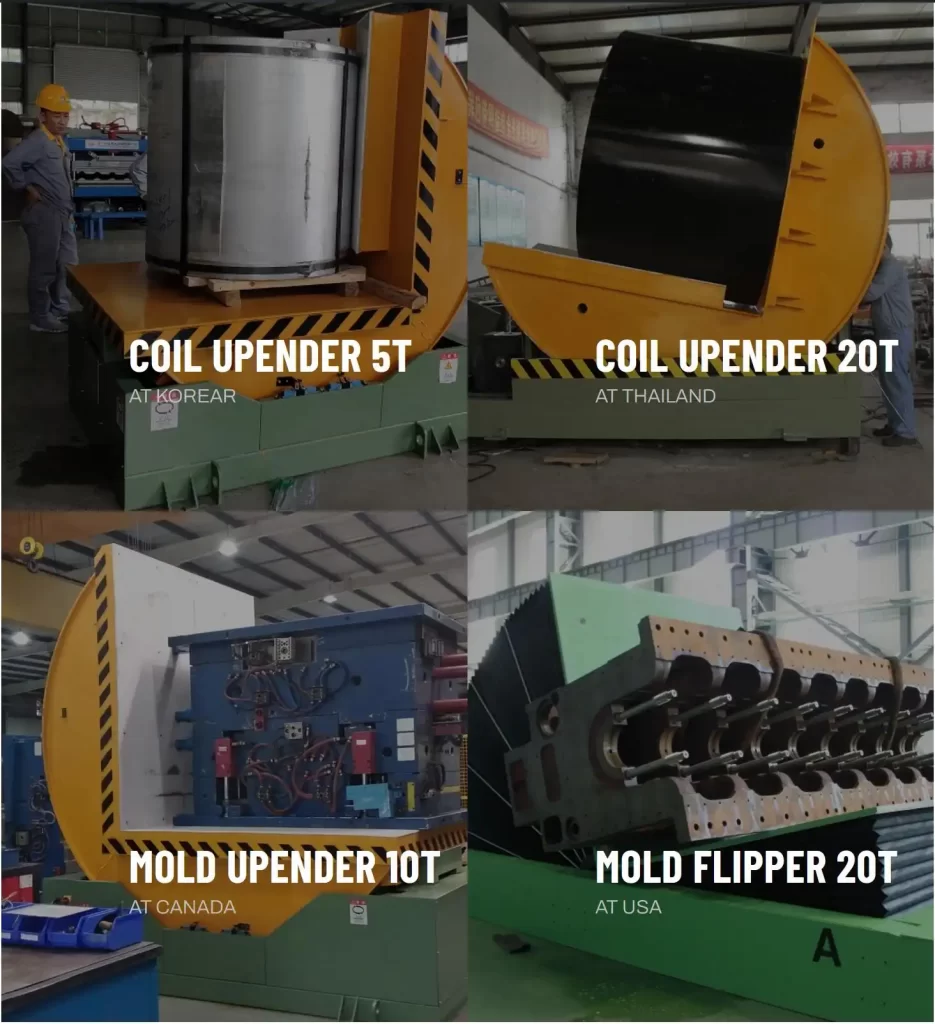
The most critical specifications for Mexican plants are capacity range, automation level, and local service support. SHJLPACK equipment designed for Latin American markets typically features:
- 10-20 ton capacity handling most regional coil sizes
- 380-440V/3PH/60Hz power compatibility
- Climate-resistant components for varied Mexican conditions
Dive Deeper Content:
Understanding the technical specifications that truly matter in your operating environment helps you select equipment that will perform reliably for years. Here's what Mexican plant managers should prioritize when evaluating coil tilting systems.
Essential Technical Specifications Comparison
| Specification | Basic Model | Recommended Model | Premium Model |
|---|---|---|---|
| Capacity Range | 5-10 tons | 10-20 tons | 20-30 tons |
| Power Requirements | 220V/3PH | 440V/3PH/60Hz | 440V/3PH/60Hz |
| Changeover Time | 5-8 minutes | 2-3 minutes | 1-2 minutes |
| Recipe Storage | 10 recipes | 50 recipes | 100+ recipes |
| Positioning Accuracy | ±5mm | ±2mm | ±1mm |
| Local Service Support | 48-hour response | 24-hour response | On-site technician |
Critical Specifications for Mexican Operations
🏭 Capacity and Size Compatibility
Mexican metal processing plants typically handle coils ranging from 5-20 tons with diameters of 800-2000mm. Your coil upender must accommodate this range with safety margin. SHJLPACK recommends selecting equipment rated for 25% above your maximum regular coil weight to ensure longevity and safety.
⚡ Power System Requirements
Mexico's industrial power standards (typically 220V/3PH or 440V/3PH at 60Hz) differ from other regions. Equipment must be specifically configured for these specifications to avoid performance issues or component damage. All SHJLPACK machines destined for Mexican factories include appropriate transformers and motor configurations.
🌡️ Environmental Considerations
Mexican manufacturing environments present unique challenges:
- High ambient temperatures in northern regions
- Humidity variations in coastal areas
- Dust and particulate matter in industrial zones
SHJLPACK builds equipment with IP54 protection, high-temperature hydraulic fluids, and corrosion-resistant coatings specifically for these conditions.
🔧 Service and Maintenance Accessibility
With limited local technical expertise for specialized equipment, serviceability becomes crucial. SHJLPACK designs systems with:
- Modular component replacement
- Standardized hydraulic and electrical components
- Remote diagnostics capabilities
- Local Spanish-language technical support
According to my experience working with over two dozen Mexican plants, investing in properly specified equipment from the beginning avoids costly modifications and downtime later. The right technical specifications ensure your coil tilter integrates seamlessly into your existing steel coil packing line while delivering the productivity improvements you need.
4. How Can Mexican Plants Calculate ROI for Automated Coil Tilter Investments?
Leading Paragraph:
As an operations director in Mexico, you need to justify every capital investment with clear financial returns. The decision to upgrade from manual coil handling to automated tilting systems requires concrete ROI calculations that account for your specific labor costs, production volumes, and operational challenges.
Snippet Paragraph:
Mexican plants typically achieve 12-18 month ROI through labor reduction, increased output, and damage prevention. Based on SHJLPACK client data:
- Labor cost reduction: $45,000-65,000 annually
- Productivity increase: 25-35% more coils per shift
- Damage reduction: 3-5% fewer rejected products
Dive Deeper Content:
Calculating the true return on investment for automated coil handling equipment requires looking beyond the purchase price to capture all operational benefits. Here's how Mexican manufacturing plants can accurately project their financial returns.
Comprehensive ROI Calculation Framework
📊 Initial Investment Components:
- Equipment purchase price: $85,000-150,000
- Installation and commissioning: $8,000-15,000
- Operator training: $2,000-4,000
- Total Investment: $95,000-169,000
💰 Annual Savings Calculation:
| Savings Category | Manual System Cost | Automated System Cost | Annual Savings |
|---|---|---|---|
| Labor (4 operators @ $15,000) | $60,000 | $15,000 (1 operator) | $45,000 |
| Product Damage (3% of $2M production) | $60,000 | $30,000 (1.5% damage) | $30,000 |
| Changeover Downtime (60 min/day @ $200/hr) | $72,000 | $28,800 (24 min/day) | $43,200 |
| Safety Incident Costs | $18,000 | $5,000 | $13,000 |
| Total Annual Savings | $210,000 | $78,800 | $131,200 |
Mexican-Specific Financial Considerations
💵 Local Labor Cost Impact
With Mexican manufacturing wages typically 30-40% lower than U.S. rates, the labor savings might appear less significant. However, the productivity gains become more important:
- Output increase: 25-35% more coils per shift
- Quality improvement: Reduced customer returns
- Overtime reduction: Less need for extended shifts
📈 Production Volume Scenarios
Medium Plant (50 coils/day):
- Investment: $110,000
- Annual savings: $98,000
- ROI period: 13.5 months
Large Plant (120 coils/day):
- Investment: $155,000
- Annual savings: $215,000
- ROI period: 8.6 months
According to Randal Liu's experience with Mexican metal processors, "Plants achieving the fastest ROI typically implement the equipment during production expansion periods, capturing both efficiency gains and capacity increases simultaneously."
The one-touch recipe systems contribute significantly to ROI by maximizing equipment utilization. Faster changeovers mean more production time, while consistent automated operation reduces quality issues that create financial losses downstream in your operations.
Conclusion
Automated coil tilting with one-touch recipes delivers substantial time savings, safety improvements, and financial returns for Mexican metal processors. Implementing the right steel coil packing line can transform your production efficiency while protecting your workforce and bottom line.
FAQ Section
Frequently Asked Questions
Q: How long does it take to implement one-touch recipe systems in existing operations?
A: Most Mexican plants complete installation and training in 2-3 weeks. The physical installation takes 5-7 days, followed by 1-2 weeks of recipe programming and operator training. SHJLPACK provides on-site technicians to minimize production disruption during implementation.
Q: What maintenance do automated coil tilting systems require in high-volume Mexican plants?
A: Automated coil upenders need quarterly preventive maintenance including hydraulic system checks, sensor calibration, and mechanical component inspection. SHJLPACK systems are designed for easy maintenance with most service tasks requiring less than 4 hours, minimizing impact on your production schedule.
Q: Can one-touch recipe systems handle the varied coil sizes common in Mexican job shops?
A: Yes, modern systems store 50-100 recipes accommodating coils from 5-30 tons with diameter variations of 800-2500mm. The programmable nature of these systems makes them ideal for Mexican job shops processing diverse customer orders with frequent product changeovers throughout the day.
Q: How do automated coil tilting systems impact workforce requirements in Mexican plants?
A: While reducing manual labor needs by 60-75%, these systems create new technical roles for equipment operation and maintenance. Most Mexican plants transition 2-3 manual laborers to become equipment operators while maintaining overall headcount through production volume increases and expanded capabilities.
Q: What power requirements do automated coil tilting systems have for Mexican industrial facilities?
A: Most systems require standard Mexican industrial power: 440V/3PH/60Hz with 30-60 amp service depending on capacity. SHJLPACK equipment includes power conditioning systems to handle voltage fluctuations common in some Mexican industrial areas, ensuring consistent performance despite power quality variations.


