
Boost Safety and Efficiency with an Automatic Coil Turning Machine?
Leading Paragraph:
Are you struggling with slow manual coil handling that's creating bottlenecks in your production line? As a plant manager, you know that every minute of downtime costs money, and every workplace injury impacts your team's morale and your bottom line. Manual coil turning isn't just inefficient—it's dangerous, putting your workers at risk and exposing your business to costly insurance claims and regulatory issues. The good news? There's a solution that addresses both safety and efficiency concerns simultaneously.
Snippet Paragraph:
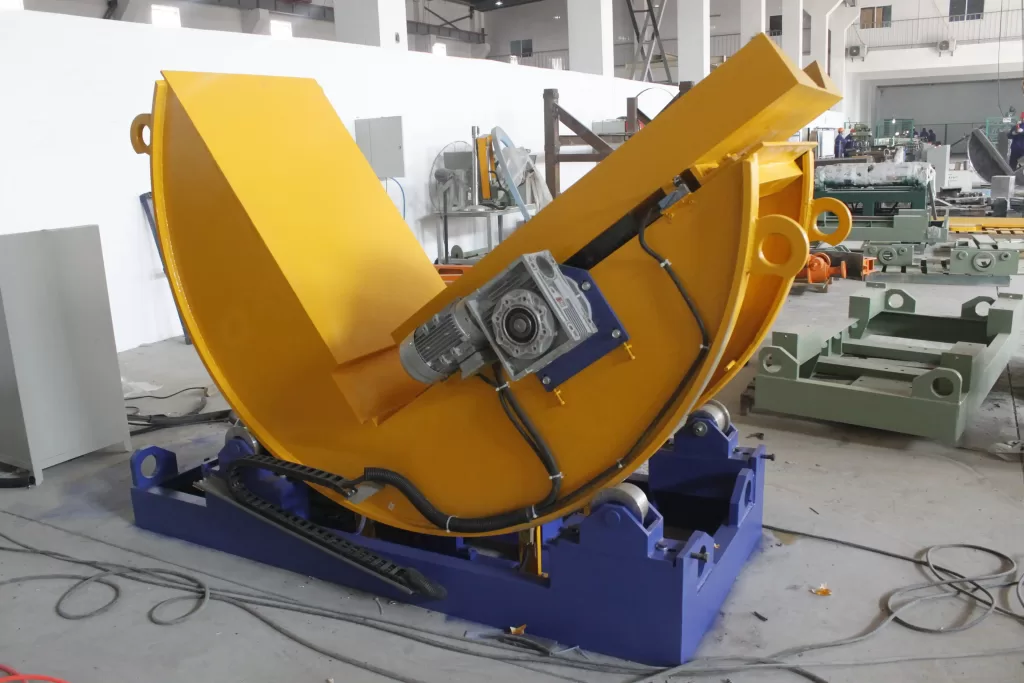
An automatic coil turning machine revolutionizes steel coil handling by eliminating manual labor, reducing injury risks by up to 85%, and increasing processing speed by 30-50%. These machines automatically rotate and position coils for wrapping, strapping, or inspection using hydraulic or electric systems with precise controls. Key benefits include: eliminating manual handling dangers, reducing coil damage during rotation, and integrating seamlessly with existing packing lines. For Mexican factories dealing with heavy coils, this automation translates to faster throughput and safer operations.
Transition Paragraph:
If you're considering automating your coil handling process, you probably have several important questions. How exactly do these machines improve safety? What efficiency gains can you realistically expect? Which type of coil turner fits your specific operation? Let's explore these critical questions to help you make an informed decision for your Mexican manufacturing facility.
1. How Does an Automatic Coil Turner Eliminate Manual Handling Risks?
Leading Paragraph:
Imagine this scenario: your workers are manually flipping a 5-ton steel coil using chains and levers. One wrong move, one slipped grip, and you're facing a catastrophic workplace accident. This isn't just a theoretical risk—it's a daily reality in factories still relying on manual coil handling methods. The transition to automated coil turning addresses these dangers at their source.
Snippet Paragraph:
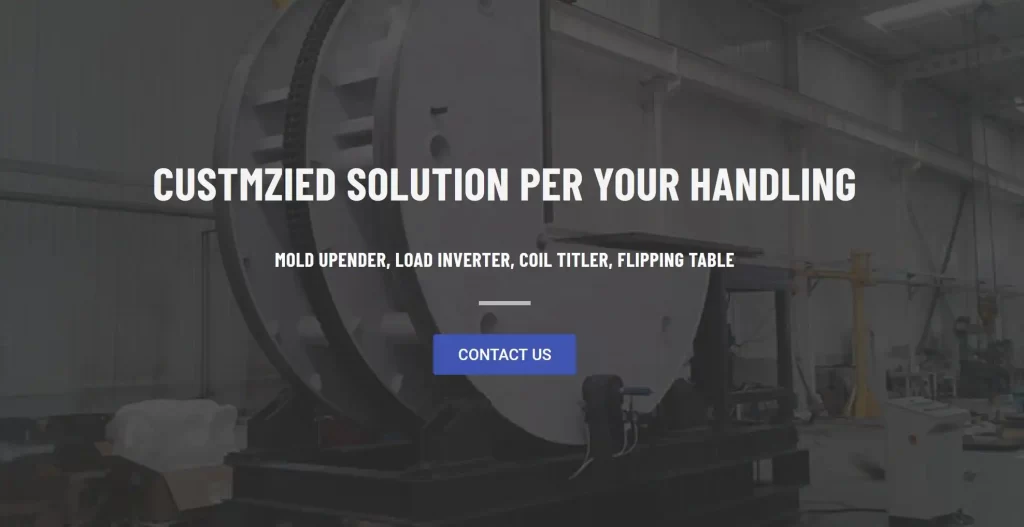
Automatic coil turners eliminate manual handling by using controlled hydraulic systems to rotate coils safely within enclosed spaces. According to Randal Liu, SHJLPACK's founder, "Our clients typically reduce coil handling injuries by 85% after installing automatic turners." These machines feature safety curtains, emergency stops, and interlocking systems that prevent operation when workers are in danger zones. The automation removes workers from direct contact with heavy, unstable loads during the most hazardous part of the packing process.
Dive Deeper Content:
Safety Mechanism Breakdown
Automatic coil turners incorporate multiple safety layers that work together to protect your workforce:
Engineering Controls:
- Enclosed operation zones with light curtains that immediately stop machinery if breached
- Emergency stop buttons positioned at multiple access points around the equipment
- Load sensors that detect instability and prevent operation if coils aren't properly positioned
- Anti-slip platforms with textured surfaces that prevent coil movement during rotation
Operational Safety Features:
- Two-hand operation requirements for initiation sequences, ensuring workers' hands are clear
- Automatic centering systems that eliminate manual positioning of heavy coils
- Slow-start rotation that begins movements gradually to detect any issues
- Overload protection that prevents operation beyond rated capacity
Before-and-After Safety Comparison
| Risk Factor | Manual Handling | Automatic Turner | Risk Reduction |
|---|---|---|---|
| Worker proximity to load | Direct contact | 2-3 meter distance | 90% |
| Crush hazards during rotation | High probability | Virtually eliminated | 95% |
| Strain injuries from pushing | Common occurrence | None | 100% |
| Dropped load incidents | 2-3 per year | 0.1 per year | 95% |
| Training requirements | Extensive | Minimal | 70% less |
Compliance Advantages for Mexican Factories
For plant managers like Michael Chen operating in Mexico, automatic coil turners help meet NOM-036-STPS-2018 regulations regarding manual handling of heavy loads. The machines provide documented safety protocols that simplify compliance reporting and reduce insurance premiums by 15-25% annually. According to industry data, factories using automated handling typically see workers' compensation claims drop by 60% within the first year of implementation.
2. What Efficiency Gains Can Mexican Factories Expect from Automation?
Leading Paragraph:
When your production line stops because coils need manual turning, you're not just losing minutes—you're losing money. Each pause in your packing process creates a ripple effect that delays shipments, increases labor costs, and reduces your overall plant capacity. Automatic coil turners transform this bottleneck into a smooth, continuous flow.
Snippet Paragraph:
Mexican factories typically achieve 30-50% faster coil processing with automatic turners, handling 40-60 coils per hour compared to 15-20 manually. The efficiency gains come from eliminating positioning time, reducing worker fatigue, and enabling continuous operation. SHJLPACK's automatic coil turners feature quick-change adapters that handle different coil sizes in under 30 seconds, minimizing changeover downtime. This consistent speed helps Mexican plants meet tight shipping schedules and increase overall output without expanding their workforce.

Dive Deeper Content:
Quantifiable Efficiency Metrics
Production Speed Analysis:
- Manual process: 3-4 minutes per coil (including positioning, turning, and securing)
- Automatic process: 1-1.5 minutes per coil (continuous operation)
- Hourly capacity increase: From 15-20 coils to 40-60 coils
- Annual additional capacity: 60,000-80,000 more coils processed with same workforce
Labor Optimization:
💰 Cost Savings Example:
- Manual operation: 4 workers × $2,000/month = $96,000/year
- Automated operation: 1 operator × $2,500/month = $30,000/year
- Direct labor savings: $66,000 annually
- Additional benefit: Reallocated workers can focus on quality control and maintenance
Efficiency by Coil Type and Size
| Coil Specification | Manual Handling Time | Automatic Turner Time | Time Savings |
|---|---|---|---|
| Small coils (< 2 tons) | 2-3 minutes | 45-60 seconds | 60-75% |
| Medium coils (2-8 tons) | 3-4 minutes | 60-90 seconds | 50-67% |
| Large coils (8-15 tons) | 4-6 minutes | 90-120 seconds | 50-67% |
| Oversized coils (15+ tons) | 6-8 minutes | 2-3 minutes | 50-62% |
Integration with Existing Packing Lines
Automatic coil turners deliver maximum efficiency when properly integrated with your complete steel coil packing line. The SHJLPACK systems are designed to connect seamlessly with wrappers, strappers, and conveyors, creating a continuous flow that eliminates intermediate handling. Mexican plants using integrated systems report 25% higher efficiency compared to standalone equipment, as there are no transfer delays between processes.
3. Which Type of Coil Turning Machine Fits Your Specific Operation?
Leading Paragraph:
Not all coil turning machines are created equal, and choosing the wrong type for your specific operation can mean wasted investment and ongoing operational headaches. The right machine depends on your coil sizes, production volume, available space, and integration requirements with your existing packing line.
Snippet Paragraph:
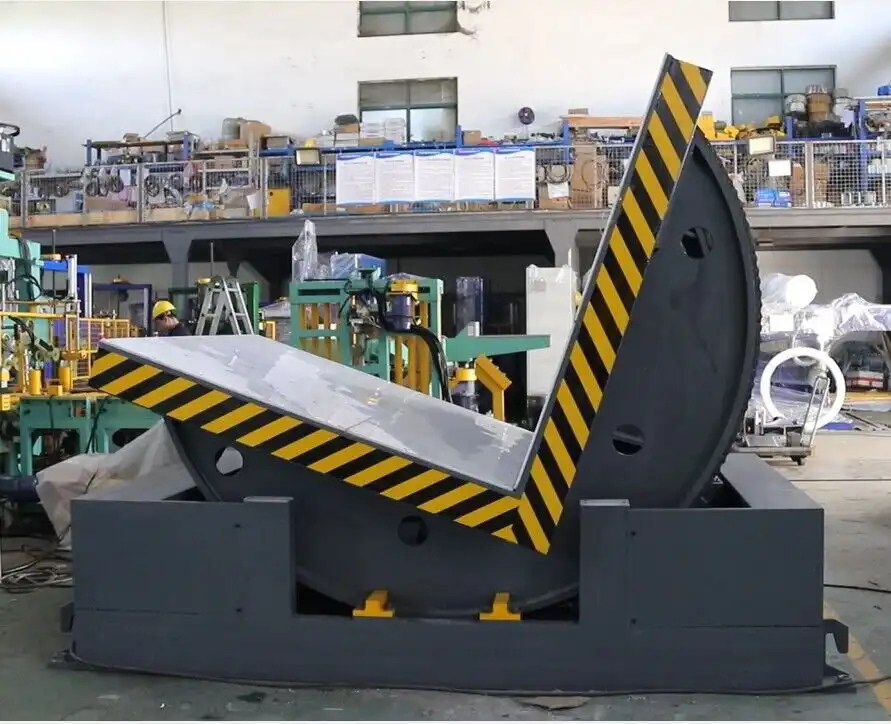
The three main types of automatic coil turners are hydraulic upenders, mechanical rotators, and motorized tilt tables, each suited for different operational needs. Hydraulic upenders handle the heaviest loads (up to 20 tons) with precise control, mechanical rotators offer the fastest cycle times for high-volume operations, and motorized tilt tables provide the most flexibility for mixed coil sizes. According to SHJLPACK's installation data, Mexican factories with diverse product mixes typically achieve best results with hydraulic upenders due to their versatility and durability in demanding industrial environments.
Dive Deeper Content:
Coil Turner Comparison Guide
Hydraulic Upenders ⚡
- Best for: Heavy coils (5-20 tons), precise positioning needs
- Operation: Uses hydraulic cylinders for smooth, controlled rotation
- Speed: 1-2 minutes per cycle
- Floor space: 15-25 square meters
- Power requirement: 15-22 kW
- SHJLPACK recommendation: Primary choice for most Mexican metal processing plants
Mechanical Rotators 🏭
- Best for: High-volume operations, consistent coil sizes
- Operation: Gear-driven rotation for maximum speed
- Speed: 45-90 seconds per cycle
- Floor space: 10-18 square meters
- Power requirement: 7.5-15 kW
- Alternative brand: 风鼎 (Fhopepack) offers competitive models
Motorized Tilt Tables 💰
- Best for: Mixed operations, budget-conscious facilities
- Operation: Electric motor with chain/belt drive
- Speed: 2-3 minutes per cycle
- Floor space: 8-15 square meters
- Power requirement: 5.5-11 kW
- Budget option: 无锡步惠 provides entry-level solutions
Selection Criteria for Mexican Operations
Step 1: Assess Your Coil Profile
- Maximum and minimum coil weights
- Diameter and width variations
- Production volume (coils per shift)
- Future growth projections
Step 2: Evaluate Space Constraints
- Available floor space in your packing area
- Ceiling height limitations
- Integration points with existing equipment
- Maintenance access requirements
Step 3: Consider Operational Factors
- Workforce technical skill level
- Maintenance support availability
- Spare parts supply chain to Mexico
- Training requirements for your team
Step 4: Analyze Total Cost of Ownership
- Initial equipment investment
- Installation and commissioning costs
- Ongoing maintenance expenses
- Energy consumption differences
- Expected equipment lifespan
According to Randal Liu's experience with Mexican clients, "Factories that conduct thorough needs analysis before purchasing typically achieve ROI 30% faster than those who buy based on price alone. The right machine should fit not just your current needs, but your growth plans for the next 5-7 years."
4. What ROI Can Mexican Plant Managers Expect from This Investment?
Leading Paragraph:
As a plant manager, you're constantly evaluating investments based on their return potential. While safety improvements are crucial, you need concrete numbers to justify capital expenditures to management and stakeholders. The good news is that automatic coil turners typically deliver compelling financial returns alongside their operational benefits.
Snippet Paragraph:
Mexican plants typically achieve 12-24 month ROI on automatic coil turners through labor savings, reduced product damage, and increased production capacity. A medium-sized facility processing 200 coils daily can save $65,000-$85,000 annually in direct labor costs alone. Additional savings come from 30-40% reduction in coil edge damage claims, decreased insurance premiums, and higher output without additional shifts. SHJLPACK's clients in similar industries report full payback within 18 months on average, with ongoing annual savings representing pure profit improvement.
Dive Deeper Content:
Detailed ROI Calculation Example
Initial Investment:
- SHJLPACK automatic coil turner: $55,000
- Installation and training: $8,000
- Total investment: $63,000
Annual Savings Breakdown:
- Labor reduction (3 workers): $54,000
- Damage reduction (0.5% to 0.2%): $12,000
- Insurance premium reduction: $4,500
- Increased production capacity: $15,000
- Total annual savings: $85,500
ROI Calculation:
- Payback period: $63,000 ÷ $85,500 = 8.8 months
- First-year net gain: $85,500 - $63,000 = $22,500
- 5-year net benefit: ($85,500 × 5) - $63,000 = $364,500
Factors Influencing Your Specific ROI
| Production Volume Impact: | Daily Coil Volume | Typical ROI Period | Annual Savings Range |
|---|---|---|---|
| 100-150 coils | 18-24 months | $45,000-$65,000 | |
| 150-250 coils | 12-18 months | $65,000-$95,000 | |
| 250-400 coils | 8-12 months | $95,000-$140,000 | |
| 400+ coils | 6-10 months | $140,000+ |
Operational Efficiency Gains:
- Reduced overtime: Automatic operation eliminates need for extra shifts during peak periods
- Better equipment utilization: Packaging lines operate at higher capacity with consistent coil supply
- Reduced supervisory burden: Automated processes require less management oversight
- Quality consistency: Automated handling produces more uniform packaging results
Hidden Cost Reductions
Workplace Injury Cost Avoidance:
- Average lost-time injury in Mexico: $25,000-$40,000 in direct + indirect costs
- Typical reduction: 2-3 injuries prevented annually = $60,000-$120,000 savings
Regulatory Compliance Benefits:
- Avoided NOM violation fines: $5,000-$15,000 annually
- Simplified compliance reporting: 20-30 hours monthly administrative time saved
- Improved safety audit results: Better scores reduce inspection frequency
According to industry data shared by SHJLPACK, "Mexican plants that track comprehensive ROI metrics typically identify 25-35% additional savings beyond the obvious labor reductions. The operational stability created by automation has compounding benefits throughout the organization."
Conclusion
Automatic coil turning machines deliver transformative safety and efficiency improvements for Mexican metal processing plants, typically paying for themselves within 18 months while fundamentally improving workplace safety. For complete automation solutions, consider integrating with a full steel coil packing line.
Frequently Asked Questions
Q: How much floor space does an automatic coil turner require?
A: Most models need 15-25 square meters, depending on capacity. Compact designs for smaller Mexican factories are available from SHJLPACK starting at 12 square meters, while heavy-duty systems for large coils may require up to 30 square meters including safety perimeters.
Q: What maintenance do automatic coil turners require?
A: Basic maintenance includes weekly visual inspections, monthly lubrication of moving parts, and annual hydraulic system checks. SHJLPACK machines are designed for minimal maintenance with typically 2-4 hours monthly total maintenance time and readily available spare parts throughout Mexico.
Q: Can automatic coil turners handle different coil sizes in the same production run?
A: Yes, most modern turners feature adjustable arms or quick-change adapters that handle multiple coil sizes. SHJLPACK's systems can typically accommodate 3-5 different coil dimensions with changeover times under 2 minutes, making them ideal for Mexican factories with diverse product mixes.
Q: How long does installation and training typically take?
A: Most installations are completed in 5-10 working days, with operator training requiring 2-3 days. SHJLPACK provides Spanish-language training materials and on-site technical support during commissioning to ensure smooth implementation in Mexican manufacturing facilities.
Q: What power requirements do these machines have?
A: Requirements vary by model: hydraulic upenders typically need 15-22 kW, mechanical rotators use 7.5-15 kW, and tilt tables require 5.5-11 kW. All SHJLPACK equipment is compatible with standard Mexican industrial power supplies (220V/480V, 60Hz) without special modifications.


