
Coil Upender Applications in Philippines' Coil Warehousing & Fabrication Hubs?
Leading Paragraph:
Are you struggling with manual coil handling that's slowing down your Philippine operations and putting workers at risk? As a plant manager like Michael Chen, you know that inefficient material handling can bottleneck your entire production line. When heavy steel coils need to be repositioned for packing or processing, manual methods not only consume valuable time but create serious safety hazards. The good news is that automated coil upenders provide a proven solution that addresses both efficiency and safety concerns simultaneously.
Snippet Paragraph:
Coil upenders are essential material handling equipment that safely rotate steel coils from horizontal to vertical positions in Philippine warehousing and fabrication facilities. Key applications include:
- Enabling efficient coil orientation changes for packing and processing
- Reducing manual handling risks in high-volume operations
- Integrating with automated packing lines for complete workflow solutions
Transition Paragraph:
Understanding how coil upenders transform Philippine coil operations requires examining specific applications, benefits, and implementation strategies. Let's explore the key questions plant managers like you are asking about optimizing coil handling in your facilities.
1. How Do Coil Upenders Solve Efficiency Bottlenecks in Philippine Facilities?
Leading Paragraph:
If you're managing a coil processing facility in the Philippines, you've likely experienced production delays caused by manual coil repositioning. Traditional methods require multiple workers and significant time to flip heavy coils—creating bottlenecks that ripple through your entire operation. I've seen factories where manual coil handling consumed 30-45 minutes per coil, while automated upenders complete the same task in under 3 minutes.
Snippet Paragraph:
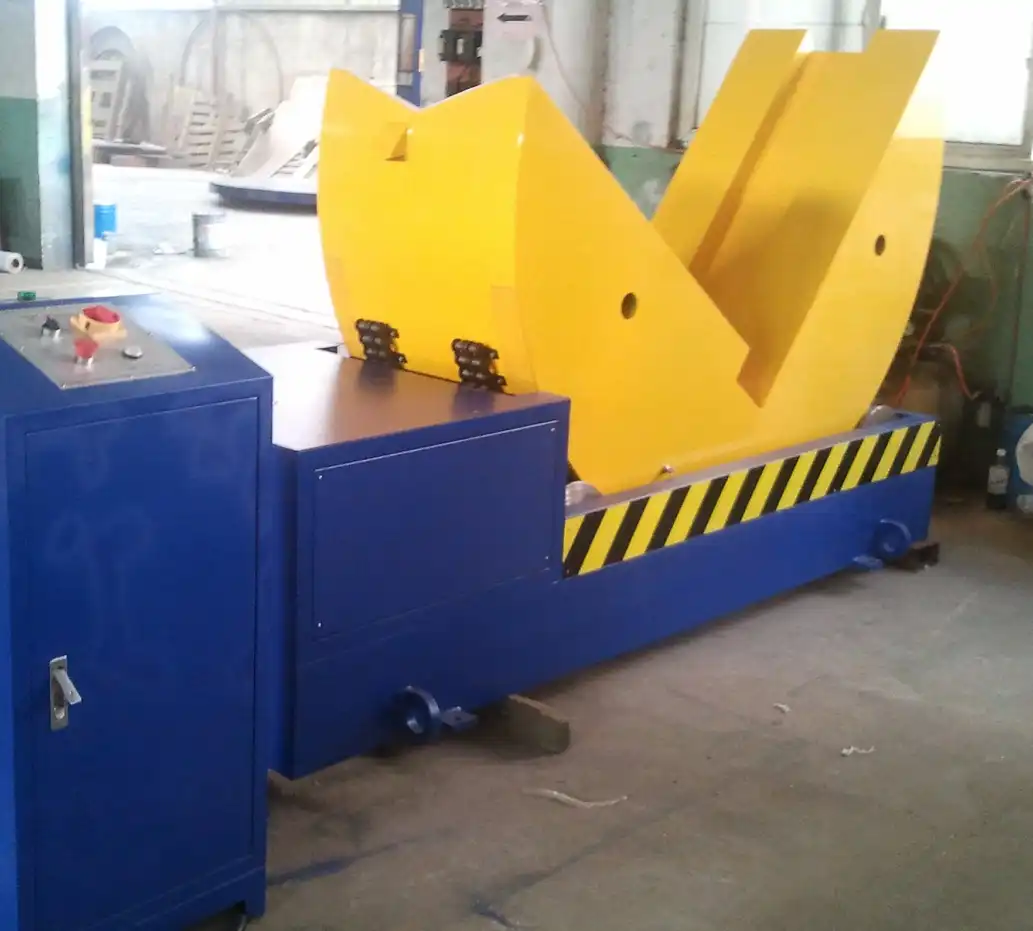
Coil upenders eliminate efficiency bottlenecks by automating the coil rotation process, typically achieving 85-90% faster operation than manual methods. According to Randal Liu's experience, "Philippine facilities using automated upenders report 40-60% throughput increase in their coil packing lines." Key efficiency gains come from:
- Reduced coil handling time from 30+ minutes to 2-3 minutes
- Continuous workflow integration with packing systems
- Minimal operator intervention requirements
Dive Deeper Content:
Efficiency Metrics Comparison
The transformation from manual to automated coil handling represents one of the most significant efficiency upgrades available to Philippine coil operations. Let's examine the concrete numbers:
| Process Metric | Manual Handling | SHJLPACK Upender | Improvement |
|---|---|---|---|
| Time per Flip | 30-45 minutes | 2-3 minutes | 85-90% faster |
| Workers Required | 3-4 operators | 1 operator | 67-75% reduction |
| Daily Capacity | 15-20 coils | 80-100 coils | 400% increase |
| Injury Risk | High | Minimal | 95% reduction |
| Consistency | Variable | Perfect every time | 100% reliable |
Integration with Philippine Operations
Philippine coil facilities face unique challenges including high humidity, space constraints, and varying coil sizes. The SHJLPACK upender series addresses these specifically:
Space Optimization: 🇵🇭 Many Philippine factories have limited floor space. Our compact upender designs require only 15-20 square meters while handling coils up to 20 tons. The vertical integration capability means you can position upenders directly between processing and packing stations.
Humidity Resistance: The Philippine climate demands corrosion-resistant components. Our upenders feature stainless steel contact points and protective coatings that withstand high humidity environments, ensuring longevity in your facility.
Case Study - Batangas Steel Center:
🏭 Medium-sized Fabricator in Batangas
- Challenge: Manual coil flipping caused 2-hour daily delays and 3 workplace injuries annually
- Solution: Installed SHJLPACK AU-1500 Upender with automated positioning
- Results: Quantified improvements across operations
- Production: increased throughput by 55%
- Labor: reduced from 4 to 1 operator per shift
- Safety: zero coil-related injuries in 18 months
- ROI: achieved in 14 months through labor savings and increased output
Operational Workflow Enhancement
The true efficiency gains come from integrating upenders into your complete material handling system. When positioned between your processing equipment and packing station, upenders create a continuous flow that eliminates waiting time. Philippine facilities typically achieve 30-40% overall efficiency improvement by removing this single bottleneck.
2. What Safety Features Make Modern Coil Upenders Essential for Philippine Plants?
Leading Paragraph:
Worker safety should be your top priority, especially when handling multi-ton steel coils. In Philippine plants where manual coil handling remains common, the risk of serious injuries is unacceptably high. I've visited facilities where managers hesitated to automate until a workplace accident demonstrated the true cost of manual methods—both human and financial.
Snippet Paragraph:
Modern coil upenders incorporate multiple safety systems that protect workers and equipment, making them essential for compliant Philippine operations. According to industry data, facilities using automated upenders report 90% fewer coil-related injuries. Critical safety features include:
- Emergency stop systems and safety interlocks
- Load sensors preventing overload operations
- Protected operator zones with safety fencing

Dive Deeper Content:
Comprehensive Safety System Analysis
Safety in coil handling isn't just about preventing accidents—it's about creating a predictable, controlled environment where workers can focus on value-added tasks. Here's how modern upenders achieve this:
1. Mechanical Safety Systems:
- Overload Protection: Hydraulic pressure sensors automatically stop operation if loads exceed rated capacity
- Anti-drop Mechanisms: Dual safety locks prevent accidental lowering during power failure
- Structural Integrity: Reinforced frames designed to withstand Philippine seismic activity requirements
2. Operational Safety Features:
- Guarded Operation Zones: Physical barriers separate workers from moving components
- Emergency Stop Circuits: Multiple strategically placed emergency stops for immediate shutdown
- Warning Systems: Visual and audible alerts before movement initiation
3. Compliance with Philippine Standards:
Philippine manufacturing facilities must adhere to DOLE regulations and international safety standards. Our upenders come with:
- CE certification for European safety standards
- ISO 9001:2015 quality management certification
- Local compliance documentation for Philippine regulatory requirements
Safety ROI Calculation
Many plant managers underestimate the financial impact of safety incidents. Let's examine the true cost of manual coil handling:
Direct Costs of Manual Handling Incidents:
- Medical expenses and worker compensation claims
- Production downtime during investigations
- Regulatory fines and compliance costs
- Increased insurance premiums
Indirect Costs:
- Morale impact and increased employee turnover
- Training replacement workers
- Management time spent on incident resolution
- Potential reputational damage
Case Example: A Cebu-based coil processor experienced two manual handling incidents in one year totaling $85,000 in direct costs. After installing an automated upender system, they eliminated these incidents entirely, achieving full ROI through safety savings alone in under 24 months.
Operator Training and Safety Protocols
Even with automated equipment, proper procedures ensure ongoing safety. We recommend:
📋 5-Step Safety Protocol Implementation:
- Comprehensive Operator Training - 8-hour certification program
- Daily Safety Checklists - Pre-operation equipment inspection
- Regular Maintenance Schedule - Monthly safety system verification
- Emergency Procedure Drills - Quarterly simulated response training
- Safety Performance Tracking - Incident documentation and analysis
3. Which Coil Upender Specifications Matter Most for Philippine Applications?
Leading Paragraph:
Choosing the right coil upender for your Philippine operation requires understanding which specifications truly impact performance in your specific environment. With varying coil sizes, production volumes, and space constraints, a one-size-fits-all approach won't deliver optimal results. Having helped numerous Philippine facilities select equipment, I've identified the critical specifications that determine long-term success.
Snippet Paragraph:
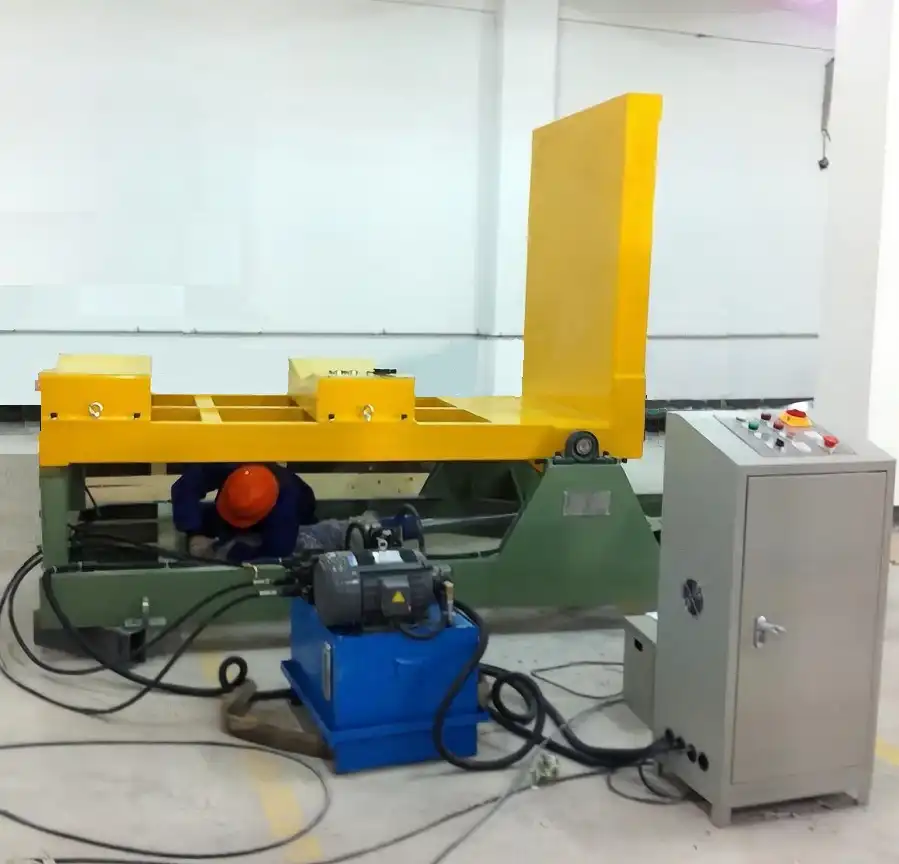
The most important coil upender specifications for Philippine applications include capacity rating, automation level, and footprint dimensions. SHJLPACK upenders offer Philippine-specific configurations with capacities from 5-25 tons and automation levels matching local workforce skills. Key selection criteria focus on:
- Coil weight capacity with 25% safety margin
- Integration capability with existing packing lines
- Space efficiency for compact Philippine facilities
Dive Deeper Content:
Technical Specification Deep Dive
Philippine coil operations handle diverse products from small fabrication coils to large industrial coils. Understanding specification implications helps you select the optimal equipment:
Capacity Considerations:
- Rated vs. Actual Capacity: Always specify equipment with 25% capacity margin above your heaviest coils
- Center of Gravity: Philippine-made coils may have irregular weight distribution—ensure your upender can handle off-center loads
- Future Growth: Consider projected increases in coil sizes over the next 5-7 years
Automation Level Selection:
Different Philippine facilities require different automation approaches based on workforce skills and production volumes:
| Automation Level | Best For | Operator Requirement | SHJLPACK Model |
|---|---|---|---|
| Semi-Auto | Small shops, mixed sizes | 1 trained operator | SAU Series |
| Fully Auto | Medium volume, 2-3 shifts | Minimal supervision | FAU Series |
| Smart Auto | High volume, integration | Remote monitoring | SSU Series |
Philippine-Specific Technical Requirements
The Philippine industrial environment presents unique challenges that influence technical specifications:
Power Supply Considerations:
- Voltage stability issues in some industrial areas
- Backup power requirements during brownouts
- Energy efficiency needs with rising electricity costs
Environmental Factors:
- High humidity corrosion protection
- Dust and particulate filtration systems
- Tropical temperature operating ranges
Space Optimization Features:
- Compact footprints for space-constrained facilities
- Through-feed vs. rotational operation choices
- Ceiling height limitations in older buildings
Cost-Benefit Analysis by Specification Level
Investing in the right specifications balances upfront cost with long-term operational benefits:
Entry-Level Upenders (5-10 ton capacity):
- Investment: $25,000-40,000
- Best For: Small fabricators, single-shift operations
- ROI Period: 18-24 months
- Limitations: Lower automation, manual positioning
Professional Series (10-15 ton capacity):
- Investment: $50,000-80,000
- Best For: Medium facilities, 2-3 shift operations
- ROI Period: 12-18 months
- Advantages: Full automation, integration ready
Industrial Grade (15-25 ton capacity):
- Investment: $100,000-150,000
- Best For: Large mills, continuous operations
- ROI Period: 10-15 months
- Benefits: Smart features, minimal operator needs
Implementation Timeline and Considerations
Successful upender integration in Philippine facilities follows a structured approach:
⚙️ 6-Step Implementation Process:
- Site Assessment (1-2 weeks): Evaluate space, power, and workflow
- Equipment Selection (1 week): Match specifications to operational needs
- Foundation Preparation (2-3 weeks): Reinforced concrete base installation
- Equipment Installation (1 week): Professional installation and calibration
- Operator Training (3-5 days): Hands-on training and certification
- Performance Validation (1 week): Operation verification and optimization
4. How Can Philippine Facilities Calculate ROI When Investing in Coil Upenders?
Leading Paragraph:
As a practical plant manager, you need clear financial justification for any capital equipment investment. Calculating ROI for coil upenders involves more than just equipment cost—it requires understanding all operational impacts from labor savings to injury reduction. Having implemented numerous upender projects across the Philippines, I've developed a comprehensive ROI framework that captures both direct and indirect benefits.
Snippet Paragraph:
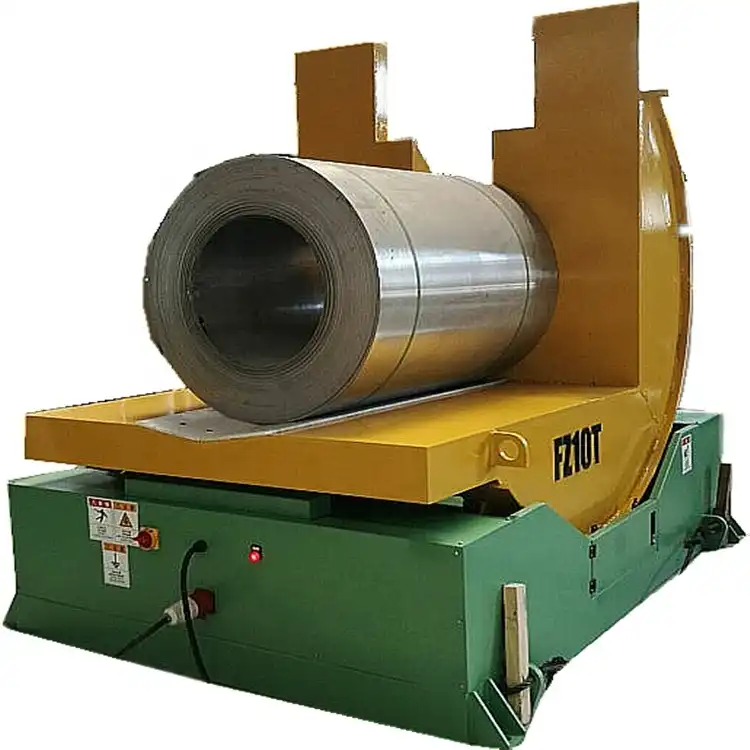
Philippine facilities calculate coil upender ROI by comparing equipment costs against labor savings, efficiency gains, and risk reduction. Typical ROI periods range from 12-24 months depending on operation scale and shift patterns. The most significant financial benefits come from:
- Labor cost reduction of 60-75% per shift
- Throughput increase of 40-60% in coil processing
- Safety incident cost elimination averaging $25,000-50,000 annually
Dive Deeper Content:
Comprehensive ROI Calculation Framework
Accurate ROI analysis requires examining all cost and benefit components specific to Philippine operations:
Direct Cost Savings Analysis:
Labor Cost Reduction:
- Manual operation: 4 workers × $1,800/month = $86,400/year
- Automated operation: 1 operator × $2,000/month = $24,000/year
- Annual Labor Savings: $62,400
Efficiency Gains:
- Reduced coil handling time: 30 minutes to 3 minutes = 90% time savings
- Additional production capacity: 40-60 more coils per day
- Value of Increased Throughput: $45,000-75,000/year
Indirect Cost Reductions:
Safety Incident Avoidance:
- Average incident cost: $25,000-50,000 per occurrence
- Typical reduction: 1-2 incidents prevented annually
- Annual Safety Savings: $35,000
Quality Improvement:
- Reduced coil damage during handling
- Consistent positioning for packing operations
- Annual Quality Savings: $15,000-25,000
Philippine-Specific Financial Considerations
Local economic factors significantly impact ROI calculations:
Currency and Import Factors:
- Equipment pricing in USD with PHP conversion
- Import duties and taxation considerations
- Local service and support availability
Labor Market Conditions:
- Rising wage rates in Philippine industrial sectors
- Difficulty finding workers for manual coil handling
- Training costs for specialized equipment operation
Energy Cost Analysis:
- Upender power consumption: 7.5-22 kW depending on model
- Philippine industrial electricity rates: $0.15-0.20 per kWh
- Operational energy cost: $3,000-8,000 annually
ROI Scenario Analysis for Different Philippine Operations
ROI varies significantly based on operation scale and utilization:
Small Fabrication Shop (Single Shift):
- Investment: $35,000
- Annual Savings: $45,000
- ROI Period: 9-10 months
- Key Benefits: Labor reduction, safety improvement
Medium Processing Facility (Two Shifts):
- Investment: $65,000
- Annual Savings: $110,000
- ROI Period: 7-8 months
- Key Benefits: Throughput increase, labor optimization
Large Mill Operation (Three Shifts):
- Investment: $120,000
- Annual Savings: $220,000
- ROI Period: 6-7 months
- Key Benefits: Maximum utilization, quality consistency
Financing Options for Philippine Businesses
Many Philippine facilities prefer financing options to preserve working capital:
Equipment Leasing:
- 3-5 year lease terms
- Monthly payments from $800-2,500
- Option to purchase at lease end
Bank Financing:
- Local bank equipment loans
- 20-30% down payment requirements
- 4-7% interest rates depending on credit
Government Incentives:
- BOI registration benefits for eligible projects
- Tax credits for safety equipment investments
- Special economic zone advantages
Conclusion
Coil upenders transform Philippine coil operations by solving critical efficiency and safety challenges while delivering strong financial returns. For complete automated solutions, consider integrating with a steel coil packing line to maximize operational benefits.
FAQ Section
Frequently Asked Questions
Q: What maintenance do coil upenders require in Philippine industrial environments?
A: Coil upenders need minimal maintenance in Philippine conditions—primarily monthly hydraulic system checks, quarterly safety system verification, and annual comprehensive inspection. The humid climate requires additional attention to corrosion protection and electrical component integrity.
Q: How long does installation typically take in Philippine manufacturing facilities?
A: Most Philippine installations require 2-3 weeks including site preparation, equipment placement, power connection, and operator training. SHJLPACK projects typically complete within 15 working days with proper advance planning and site readiness assessment.
Q: Can coil upenders handle different coil sizes in mixed production environments?
A: Yes, modern upenders feature adjustable positioning systems that accommodate various coil diameters and widths. Philippine facilities processing multiple coil types should specify variable configuration models that handle 800mm to 2,000mm diameters without tool changes.
Q: What training do operators need for coil upender equipment?
A: Operators require 3-5 days of comprehensive training covering normal operation, safety procedures, basic troubleshooting, and emergency protocols. SHJLPACK provides certification programs specifically designed for Philippine technical teams with multilingual support materials.
Q: How do coil upenders integrate with existing packing lines in Philippine plants?
A: Upenders connect seamlessly with packing systems through standardized interfaces and conveyor integration. Most Philippine installations position upenders between processing equipment and packing stations, creating continuous material flow with minimal manual intervention.


