
Coil Upender Technology for Argentina's Industrial Steel Service Sector?
Are you struggling with slow, dangerous manual coil handling in your Argentine steel service center? Every time your workers manually flip heavy steel coils, you're risking expensive product damage, workplace injuries, and production bottlenecks. As a plant manager, you know these inefficiencies directly impact your bottom line and delivery timelines. But what if you could eliminate these risks while boosting your packing line efficiency by 40%?
Coil upender technology automates the process of rotating steel coils from horizontal to vertical positions, specifically designed for Argentina's growing industrial steel sector. Key benefits include: 30-50% faster processing than manual methods, 80% reduction in workplace injuries, protection against coil edge damage, and integration with existing packing lines. This technology addresses the unique challenges faced by Argentine steel service centers handling coils for automotive, construction, and manufacturing industries.
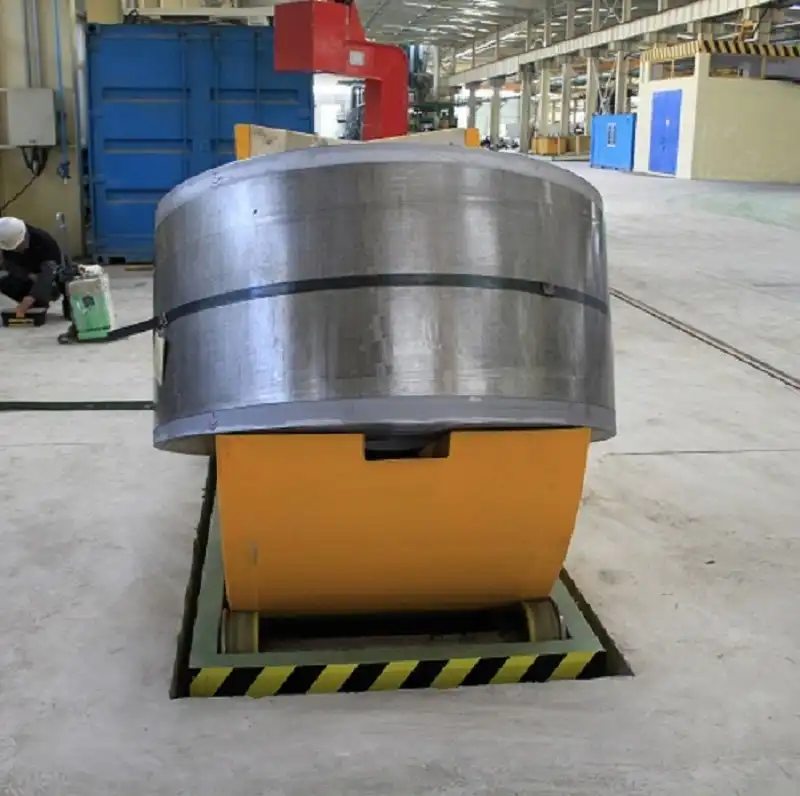
Understanding how coil upender technology can transform your Argentine steel service operations requires examining several critical aspects. Let's explore the key questions that will help you make an informed decision about implementing this technology in your facility.
1. What Exactly is Coil Upender Technology and How Does It Work?
If you're managing a steel service center in Buenos Aires or Córdoba, you've probably seen the back-breaking work of manual coil flipping. Workers using chains, cranes, and sheer muscle to rotate 5-ton coils isn't just inefficient—it's a safety nightmare waiting to happen. Coil upender technology eliminates these risks through engineered automation.
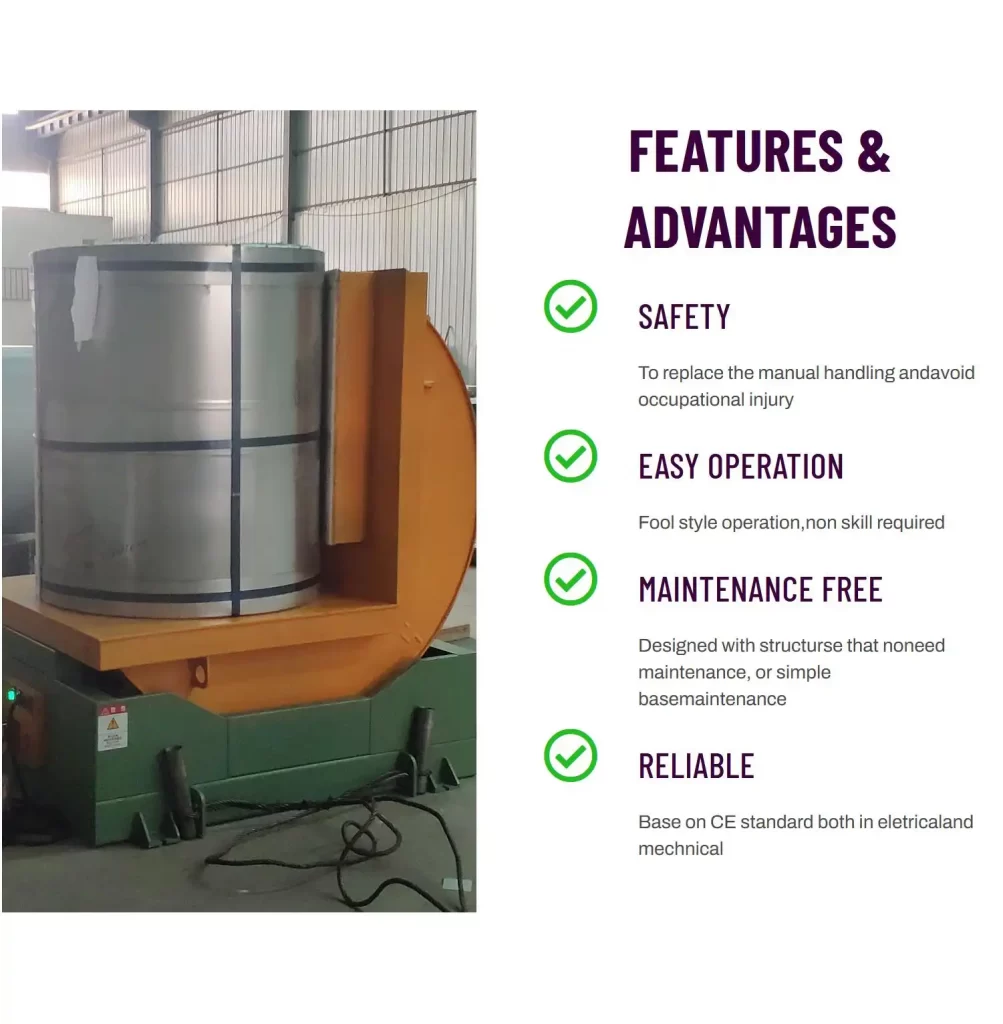
Coil upenders are specialized material handling machines that safely rotate steel coils between horizontal and vertical orientations. According to Randal Liu, founder of SHJLPACK, "These systems use hydraulic or mechanical arms with custom-designed gripping mechanisms that securely lift and rotate coils up to 20 tons without manual intervention." The process typically involves three stages: secure coil positioning, controlled rotation, and precise placement for the next processing stage.
Dive Deeper Content:
How Coil Upenders Transform Argentine Steel Operations
Argentine steel service centers face unique challenges—fluctuating production demands, tight profit margins, and increasing safety regulations. Coil upender technology addresses these specifically:
⚡ Core Working Principle
The technology operates on a simple but robust principle: instead of manual lifting and rotating, the machine uses powered arms with custom-designed contact surfaces that distribute pressure evenly across the coil surface. This prevents the edge damage that commonly occurs when chains or slings dig into the coil surface during manual handling.
🏭 Three Main Operation Types for Argentine Facilities
-
Hydraulic Upenders: Ideal for heavy-duty applications in large Argentine steel mills handling coils up to 20 tons. These use hydraulic pressure for smooth, controlled rotation—perfect for facilities in San Lorenzo or Ensenada industrial zones.
-
Mechanical Upenders: Better suited for medium-capacity operations in Córdoba's automotive steel service centers. These offer faster cycle times for coils up to 10 tons with lower maintenance requirements.
-
Semi-Automatic Systems: The most popular choice for Argentine facilities transitioning from manual processes. These systems maintain some operator control while automating the most dangerous aspects of coil rotation.
💰 Technical Specifications Comparison
| Specification | SHJLPACK Basic | SHJLPACK Pro | SHJLPACK Industrial |
|---|---|---|---|
| Max Capacity | 5 tons | 10 tons | 20 tons |
| Rotation Speed | 45 seconds | 30 seconds | 25 seconds |
| Power Requirement | 7.5 kW | 15 kW | 22 kW |
| Footprint | 3.2m × 2.8m | 4.1m × 3.2m | 5.2m × 4.1m |
| Ideal for Argentine | Small service centers | Medium operations | Large steel mills |
According to Randal Liu's experience, "Argentine steel processors should consider not just current needs but future expansion. Many facilities in the Buenos Aires industrial corridor outgrow their equipment within 2-3 years as automotive and construction demand increases."
Integration with Existing Argentine Infrastructure
A common concern among Argentine plant managers is whether new technology will work with their current setup. SHJLPACK upenders are designed specifically for integration with South American steel processing lines, accounting for the space constraints and power availability typical in Argentine industrial parks.
2. Why Should Argentine Steel Service Centers Invest in Coil Upenders Now?
With Argentina's industrial production showing consistent growth and international competition intensifying, the question isn't whether you can afford to upgrade—it's whether you can afford not to. Every day you continue with manual coil handling, you're losing money through inefficiency, product damage, and safety risks.
Argentine steel service centers should invest in coil upenders now because the technology delivers rapid ROI (typically 12-18 months), addresses critical safety concerns under Argentina's increasingly strict workplace regulations, and provides competitive advantage as international quality standards become mandatory for exports. The growing automotive and construction sectors in Argentina demand higher efficiency and better product protection that only automation can provide.

The Compelling Business Case for Argentine Facilities
📈 ROI Analysis: Hard Numbers for Argentine Decision-Makers
Let's examine the financial impact for a typical medium-sized steel service center in Rosario:
Current Manual Process Costs:
- 4 workers × 3 shifts × ARS 450,000/month = ARS 5,400,000 monthly labor
- Product damage: 2-3% of coils (approximately ARS 1,200,000 monthly)
- Workplace injury costs: ARS 600,000 monthly (insurance, downtime, replacements)
- Total monthly cost: ARS 7,200,000
Automated Upender Costs:
- Equipment investment: SHJLPACK Pro model ~ USD 65,000 (approximately ARS 65,000,000)
- 1 operator × 3 shifts × ARS 500,000 = ARS 1,500,000 monthly
- Maintenance: ARS 200,000 monthly
- Total monthly cost: ARS 1,700,000
- Monthly savings: ARS 5,500,000
- ROI period: 12 months
🚨 Safety Compliance: Meeting Argentine Regulations
Argentina's Superintendencia de Riesgos del Trabajo (SRT) has significantly tightened enforcement of workplace safety regulations. Manual coil handling represents one of the highest-risk activities in steel service centers, with potential fines reaching ARS 5,000,000 for serious violations. Coil upenders eliminate the most dangerous aspects of coil handling, bringing facilities into compliance while protecting your most valuable asset—your workers.
🌎 Competitive Advantage in Growing Markets
With Argentina's automotive production expected to grow 15% in 2024 and construction activity increasing 8% annually, steel service centers that can process coils faster and with better quality protection will capture more business. According to industry data, facilities with automated coil handling can process 30-40% more volume with the same footprint—a critical advantage in crowded Argentine industrial zones where expansion space is limited.
Case Example:
🏭 Automotive Steel Processor in Pilar, Buenos Aires
- Challenge: Manual coil handling caused 3% damage rate and 2 workplace injuries annually
- Solution: Installed SHJLPACK Pro Upender with custom Argentine voltage compatibility
- Results:
- Production: increased by 35%
- Damage rate: reduced to 0.2%
- Safety: zero injuries in 18 months
- ROI: achieved in 14 months
3. How to Choose the Right Coil Upender for Your Argentine Facility?
Selecting the wrong coil upender can be more costly than sticking with manual processes. With Argentina's unique power grid variations, space constraints, and specific steel grade requirements, you need equipment designed for local conditions, not generic international models.
Choosing the right coil upender for your Argentine facility requires evaluating five key factors: coil specifications (weight, width, inner diameter), available space and layout constraints, integration with existing packing lines, local service and support availability, and compliance with Argentine electrical and safety standards. SHJLPACK recommends starting with a detailed facility assessment to match the technology to your specific operational needs and growth plans.
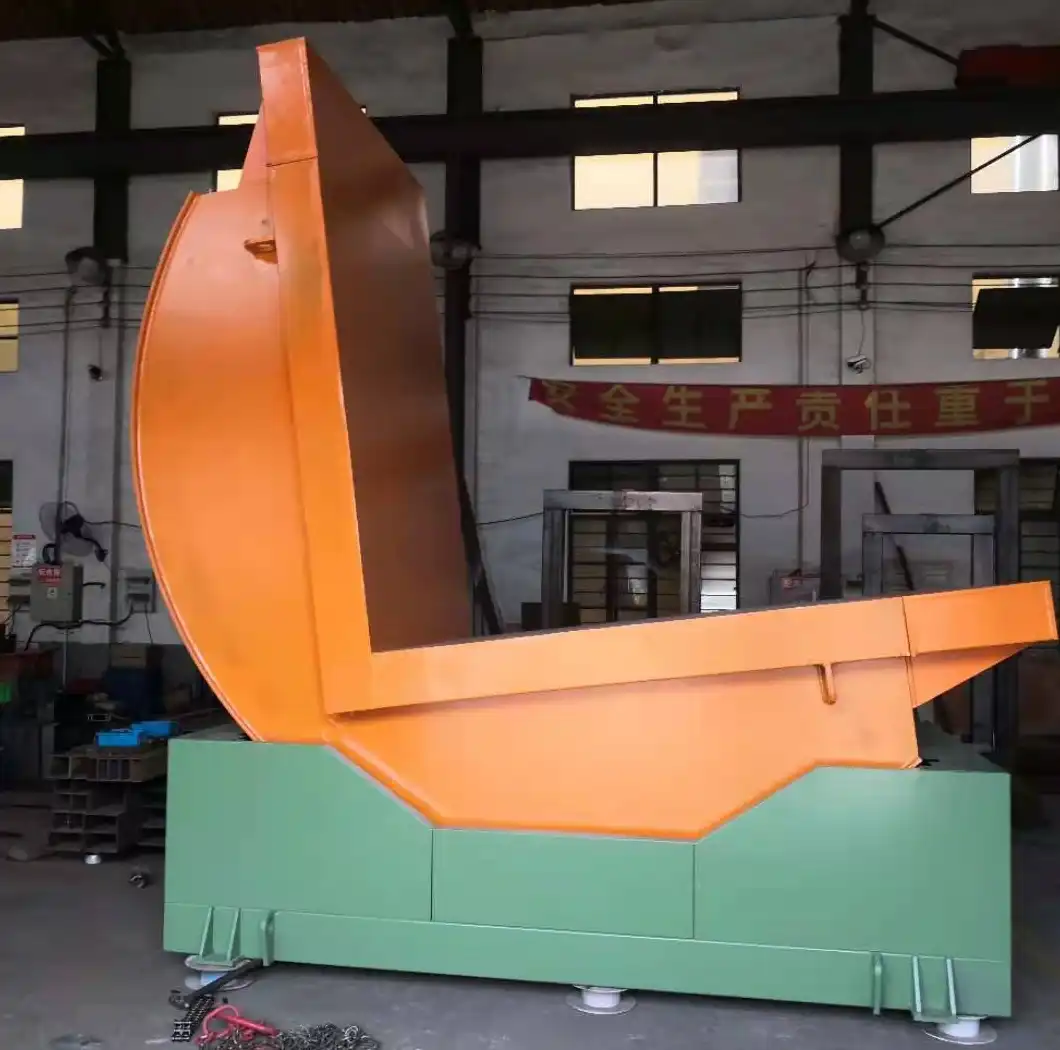
5-Step Selection Process for Argentine Steel Processors
Step 1: Analyze Your Coil Specifications 📊
Argentine steel service centers handle diverse coil types—from thin gauge automotive steel to heavy construction rebar coils. Document your specific requirements:
- Maximum and minimum coil weights
- Inner diameter range (typically 508mm or 610mm in Argentina)
- Surface sensitivity (galvanized, painted, or raw steel)
- Throughput requirements (coils per hour/shift)
Step 2: Evaluate Your Facility Constraints 🏭
Argentine industrial buildings often have unique limitations. Consider:
- Ceiling height (critical for rotation clearance)
- Floor load capacity
- Power availability (220V/380V compatibility)
- Space for integration with existing steel coil packing line
Step 3: Match Technology to Your Operation Type ⚙️
| Operation Type | Recommended Upender | Key Features | Argentine Applications |
|---|---|---|---|
| High-volume export | SHJLPACK Industrial | 80-100 coils/hour, smart sensors | Large mills in San Lorenzo |
| Automotive quality | SHJLPACK Pro | Gentle handling, surface protection | Tier 1 automotive suppliers |
| General service | SHJLPACK Basic | Cost-effective, easy operation | Small-medium service centers |
Step 4: Verify Local Support and Service 🛠️
"One of the biggest mistakes Argentine facilities make is purchasing equipment without local technical support," notes Randal Liu. "When evaluating suppliers, prioritize those with Argentine-based service teams or established partnerships with local industrial maintenance companies."
Step 5: Consider Future Expansion 🔮
Argentina's steel processing industry is evolving rapidly. Choose equipment that can scale with your business. SHJLPACK upenders are designed with modular expansion capabilities, allowing you to add features like automated guided vehicle (AGV) interfaces or IoT monitoring as your needs grow.
Critical Technical Considerations for Argentine Conditions
Power Compatibility: Argentine industrial zones have varying voltage standards (220V single-phase to 380V three-phase). Ensure your upender can operate reliably with local power quality, which can fluctuate in some industrial areas.
Climate Adaptation: Depending on your location—from humid Buenos Aires to dry Córdoba—your equipment needs appropriate protection against environmental factors. SHJLPACK offers climate-specific sealing and coating options for Argentine conditions.
Spare Parts Availability: In Argentina's sometimes challenging import environment, local parts availability is crucial. SHJLPACK maintains strategic spare parts inventories in Buenos Aires to minimize downtime.
4. What Are the Key Features to Look for in Modern Coil Upenders?
Not all coil upenders are created equal, and the features that matter most in Argentine steel service operations might surprise you. Beyond basic rotation capability, modern upenders incorporate smart technologies that deliver tangible operational benefits and competitive advantages.
Modern coil upenders should include these essential features: adaptive gripping systems that prevent surface damage, programmable logic controllers (PLCs) for consistent operation, safety interlocks compliant with Argentine regulations, energy-efficient drive systems, and IoT connectivity for performance monitoring. SHJLPACK upenders specifically include Argentine voltage compatibility and local language interface options as standard features.
Essential Features Breakdown for Argentine Operations
🤖 Smart Control Systems
Modern upenders have evolved from simple mechanical devices to intelligent processing equipment. The control system is the brain of your operation:
- Programmable Logic Controllers (PLCs): Allow customization of rotation speed, positioning accuracy, and integration with other line equipment
- Touchscreen HMIs: Provide intuitive operation with Spanish language interface—a must for Argentine facilities
- Recipe Storage: Save settings for different coil types, reducing changeover time between production runs
🛡️ Advanced Safety Systems
Argentine workplace safety regulations continue to evolve. Your upender should include:
- Light Curtains: Create invisible barriers that stop operation when breached
- Emergency Stop Systems: Multiple accessible emergency stops compliant with Argentine IRAM standards
- Load Monitoring: Sensors that detect improper loading or weight distribution
- Anti-Collision Systems: Prevent interference with adjacent equipment in crowded Argentine facilities
💾 IoT and Data Connectivity
The future of Argentine steel processing is data-driven. Modern upenders should offer:
- Performance Monitoring: Track efficiency, maintenance needs, and operator performance
- Remote Diagnostics: Allow SHJLPACK technicians to troubleshoot issues remotely, reducing downtime
- Production Analytics: Provide data for optimizing your entire coil processing operation
Comparison of Key Features Across Brands
| Feature | SHJLPACK | 风鼎 (Fhopepack) | 无锡步惠 |
|---|---|---|---|
| Argentine Voltage Support | Standard | Optional | Limited |
| Spanish Interface | Standard | Optional | No |
| Local Technical Support | Buenos Aires-based | Regional partner | Import-dependent |
| Smart Monitoring | Standard | Premium option | No |
| Safety Certification | CE + Argentine compliance | CE only | Basic safety |
According to Randal Liu, "Argentine steel processors often overlook the importance of local support and compatibility. A slightly cheaper machine becomes expensive quickly when you face weeks of downtime waiting for international technical support or custom parts."
Special Considerations for Argentine Steel Grades
Argentina produces unique steel grades with specific handling requirements:
- Zinc-coated coils: Require gentle handling to prevent coating damage
- High-strength steels: Need precise pressure control during gripping
- Export-quality finishes: Demand absolute surface protection
SHJLPACK upenders include customizable contact surfaces and pressure controls specifically tested with Argentine steel varieties commonly processed in local service centers.
Conclusion
Coil upender technology represents a strategic investment for Argentine steel service centers seeking improved efficiency, enhanced safety, and competitive advantage in growing markets. By automating the most dangerous aspect of coil processing, facilities can achieve rapid ROI while future-proofing their operations. For complete coil handling solutions, consider integrating upenders with a full steel coil packing line optimized for Argentine industrial requirements.
FAQ Section
Frequently Asked Questions
Q: How long does it take to install a coil upender in an Argentine facility?
A: Typical installation takes 2-3 weeks for most Argentine steel service centers, including site preparation, equipment assembly, and operator training. SHJLPACK manages the entire process including Argentine customs clearance and local power compatibility verification.
Q: What maintenance do coil upenders require in Argentina's industrial environment?
A: Basic maintenance includes daily visual inspections, weekly lubrication of moving parts, and monthly system checks. SHJLPACK provides Argentine-specific maintenance guidelines accounting for local environmental factors like humidity variations and power quality fluctuations.
Q: Can coil upenders handle the varied steel grades processed in Argentine service centers?
A: Yes, modern upenders like SHJLPACK models include adjustable pressure settings and customizable contact surfaces specifically designed for Argentina's diverse steel production, from automotive-grade thin steels to heavy construction coils.
Q: What training is required for Argentine operators to use coil upenders safely?
A: SHJLPACK provides comprehensive Spanish-language training covering normal operation, safety procedures, basic troubleshooting, and daily maintenance. Training typically requires 3-5 days and includes both classroom instruction and hands-on operation.
Q: How do coil upenders integrate with existing Argentine steel processing lines?
A: Integration varies by facility but typically involves coordinating with overhead cranes, conveyor systems, and packing stations. SHJLPACK engineers conduct pre-installation assessments to ensure seamless integration with your specific Argentine facility layout and existing equipment.


