
Coil Upender Technology for Australia’s Wire & Cable Manufacturing Industry?
Leading Paragraph:
Are you struggling with slow, inefficient coil handling that's creating bottlenecks in your Australian wire and cable production line? As a plant manager, you know that every minute of manual coil handling means lost productivity and potential safety risks. Those heavy steel coils don't position themselves, and the constant manual flipping and rotating isn't just slow—it's dangerous for your team and damaging to your valuable products.
Snippet Paragraph:
Coil upender technology provides automated solutions for safely rotating and positioning wire coils in manufacturing facilities. These machines eliminate manual handling risks while improving production efficiency by 30-50%. Key benefits include: reduced workplace injuries, consistent coil positioning, and seamless integration with existing packing lines. Australian manufacturers can achieve ROI within 12-18 months through labor savings and reduced product damage.

Transition Paragraph:
If you're considering upgrading your coil handling process, you probably have several important questions. Let me address the key concerns Australian manufacturers face when implementing coil upender technology, based on my 20+ years of experience in the packing machinery industry.
1. What Exactly is a Coil Upender and How Does It Solve Australian Manufacturing Challenges?
Leading Paragraph:
Imagine your workers no longer need to risk injury manually flipping 2-ton wire coils. That's the reality a coil upender creates for Australian manufacturers. I've visited factories across Melbourne and Sydney where managers like Michael face the same dilemma: how to handle increasing production volumes without compromising safety or quality.
Snippet Paragraph:
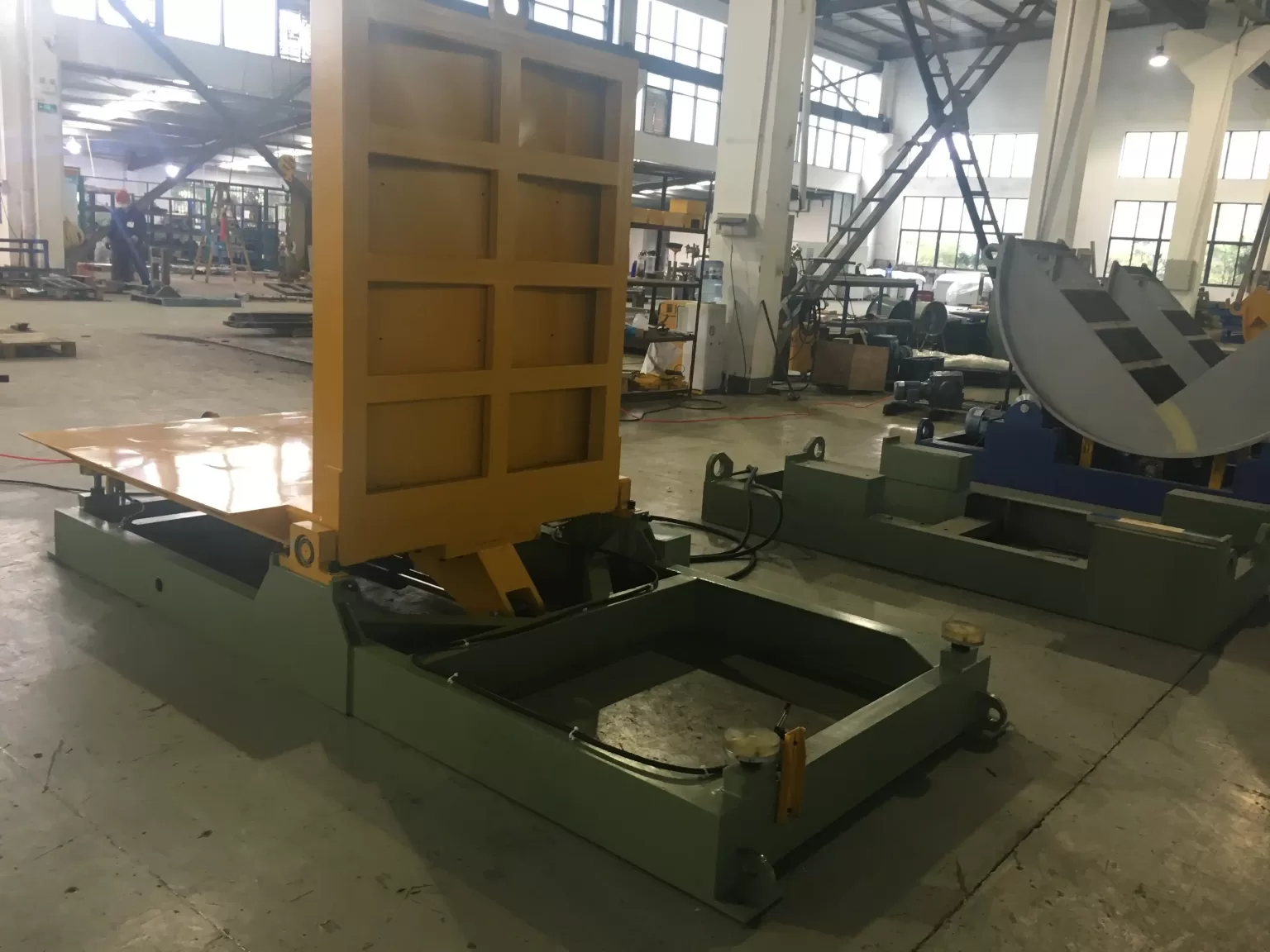
A coil upender is specialized equipment that safely rotates coils from horizontal to vertical positions (or vice versa) using hydraulic or mechanical systems. According to Randal Liu, SHJLPACK's founder, "Proper coil orientation is crucial for efficient downstream processing in wire manufacturing." These machines typically handle 1-20 ton capacities with 95% less manual intervention than traditional methods.
Dive Deeper Content:
How Coil Upenders Transform Australian Wire Production
Australian manufacturers face unique challenges: high labor costs, strict safety regulations, and global competition. Coil upenders address these directly through automated material handling.
Key Operational Benefits:
⚡ Safety First: Eliminates the most dangerous task in wire factories—manual coil flipping. Reduces workplace injuries by up to 80%
🏭 Efficiency Boost: Processes 40-60 coils per hour vs. 10-15 manually. One SHJLPACK client in Brisbane increased throughput by 45%
💰 Cost Reduction: Saves 3-4 workers per shift. At Australian wage rates, this means $150,000-$200,000 annual labor savings
Technical Specifications for Australian Conditions
| Specification | Basic Model | Advanced Model | Heavy Duty Model |
|---|---|---|---|
| Capacity Range | 1-5 tons | 5-15 tons | 15-20 tons |
| Rotation Speed | 30-45 seconds | 20-35 seconds | 15-30 seconds |
| Power Requirement | 7.5 kW | 15 kW | 22 kW |
| Footprint | 3.2m × 2.8m | 4.5m × 3.2m | 5.2m × 3.8m |
| Australian Compliance | CE + Local Standards | CE + Full AS/NZS | CE + Custom Certification |
Real Australian Application Scenario
Case: Melbourne Wire Manufacturer
- Challenge: Manual coil handling caused 3 injuries in 6 months, production bottleneck at packing station
- Solution: Installed SHJLPACK semi-automatic upender with safety guarding
- Results:
- Injuries: Reduced to zero in 12 months
- Efficiency: Increased from 15 to 42 coils/hour
- ROI: Achieved in 14 months through labor optimization
The right coil positioning equipment integrates seamlessly with your existing steel coil packing line, creating a smooth workflow from production to shipping. Australian manufacturers particularly benefit from the reduced physical strain on workers in our competitive labor market.
2. How Can Australian Manufacturers Choose the Right Coil Upender for Their Specific Needs?
Leading Paragraph:
Choosing the wrong coil upender can cost your Australian operation thousands in downtime and missed production targets. I've seen factories invest in equipment that doesn't match their coil sizes or production speed requirements. The key is understanding your specific operational parameters before making this crucial investment.
Snippet Paragraph:
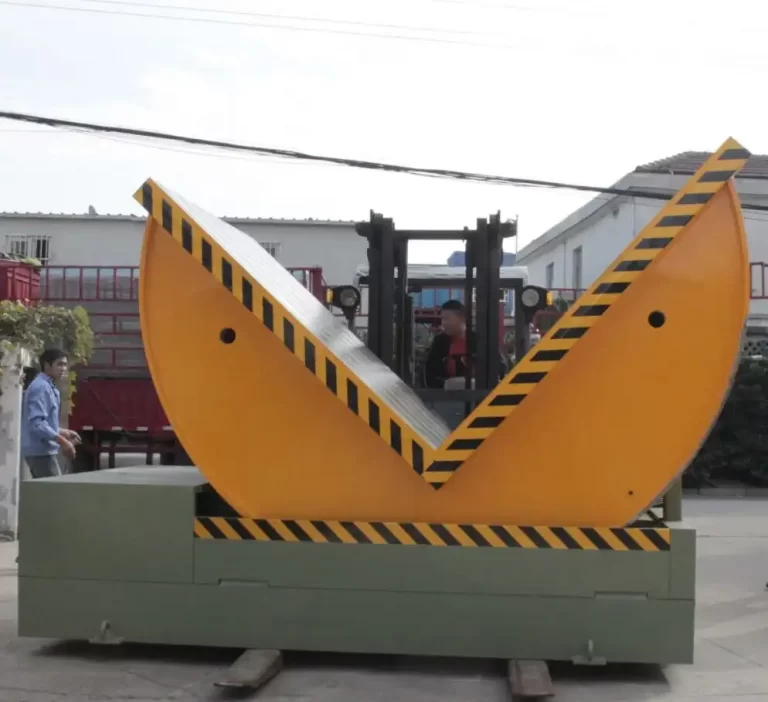
Selecting the right coil upender requires evaluating production volume, coil dimensions, weight capacity, and automation level. Key decision factors include: daily coil processing requirements (40-100+ coils), available floor space, integration with existing equipment, and budget constraints. SHJLPACK's consultation process helps Australian manufacturers match equipment to their specific wire and cable production needs.
Dive Deeper Content:
Critical Selection Criteria for Australian Operations
Choosing coil handling equipment isn't one-size-fits-all. Your specific wire types, production volumes, and facility layout determine the optimal solution.
5-Step Selection Process:
-
Assess Your Coil Specifications 📊
- Maximum and minimum coil weights
- Diameter and width ranges
- Material types (steel, copper, aluminum)
- Special handling requirements
-
Calculate Production Requirements ⚡
- Current daily output vs. target capacity
- Shift patterns (single, double, or continuous)
- Seasonal fluctuations in demand
- Growth projections for next 3-5 years
-
Evaluate Facility Constraints 🏭
- Available floor space measurements
- Ceiling height limitations
- Power supply availability (415V Australian standard)
- Integration points with existing conveyor systems
-
Budget and ROI Analysis 💰
- Equipment investment range: $45,000-$120,000 AUD
- Installation and training costs
- Expected labor savings calculation
- Maintenance cost projections
-
Supplier Assessment 🤝
- Local technical support availability
- Spare parts lead times
- Training and documentation quality
- After-sales service response time
Australian-Specific Considerations
Climate Factors: Coastal operations need corrosion-resistant materials
Regulatory Compliance: Must meet Australian Standard AS 4024.1 safety requirements
Energy Costs: High electricity prices make efficient motor systems crucial
Skill Availability: User-friendly interfaces reduce training time
According to my experience working with Australian manufacturers, the most common mistake is underestimating future growth. I recommend selecting equipment with 20-30% additional capacity beyond current needs. SHJLPACK's modular designs allow for future upgrades as your production requirements increase.
Comparison of Leading Brands for Australian Market
| Feature | SHJLPACK (Recommended) | 风鼎 (Fhopepack) | 无锡步惠 |
|---|---|---|---|
| Australian Compliance | Full AS/NZS | Basic CE Only | Limited |
| Local Support | Sydney-based technicians | Asian-based support | No local presence |
| Customization | High (85% of orders) | Medium (50%) | Low (20%) |
| Delivery Time | 6-8 weeks | 10-12 weeks | 12-16 weeks |
| Warranty | 2 years comprehensive | 1 year limited | 6 months |
3. What Are the 5 Key Safety Features Every Australian Coil Upender Must Have?
Leading Paragraph:
Safety isn't just compliance—it's business survival in Australia's regulated manufacturing environment. I've conducted safety audits in factories where missing safety features led to near-miss incidents that could have been catastrophic. Your coil upender must protect both your workers and your business from preventable accidents.
Snippet Paragraph:
Modern coil upenders must include five critical safety systems: emergency stop circuits, mechanical locking devices, light curtain protection, overload sensors, and maintenance safety interlocks. Australian regulations require compliance with AS 4024.1 safety standards, with additional recommendations for anti-fatigue matting and clear safety zone markings around the equipment perimeter.
Dive Deeper Content:
Essential Safety Systems Explained
Australian workplace safety regulations are among the strictest globally. Your coil upender investment must meet or exceed these standards to protect your operation.
1. Emergency Stop System 🚨
- Requirement: Red mushroom buttons at all operator positions
- Function: Immediate power cutoff to all moving parts
- Testing: Monthly functionality checks mandatory
- SHJLPACK Feature: Dual-circuit emergency stop with manual reset
2. Mechanical Locking Devices 🔒
- Purpose: Prevent accidental movement during maintenance
- Implementation: Hydraulic pressure release with physical locks
- Standard: AS 4024.1206 isolation requirements
- Benefit: Zero-energy state confirmation before service
3. Light Curtain Protection ✨
- Application: Creates invisible safety barrier around rotation zone
- Sensitivity: Detection of objects as small as 30mm diameter
- Response Time: < 50ms to stop all movement
- Positioning: 360-degree coverage on modern models
4. Overload Protection System ⚖️
- Function: Prevents operation beyond rated capacity
- Technology: Load cells with digital readout
- Accuracy: ±1% of rated capacity
- Alert: Visual and audible warnings when approaching limits
5. Maintenance Safety Interlocks 🔧
- Design: Prevents operation during service access
- Implementation: Key-exchange systems for panel access
- Compliance: Meets AS 4024.1601 maintenance safety standards
- Documentation: Clear lockout/tagout procedures provided
Australian Regulatory Compliance Checklist
✓ AS 4024.1 - Safety of machinery series
✓ AS/NZS 3000 - Electrical installations
✓ State-specific OHS requirements (varies by state)
✓ WorkCover approved safety guarding
✓ Noise level compliance (< 85 dB at operator position)
✓ Emergency evacuation considerations in layout
Safety ROI Calculation for Australian Manufacturers
Cost of ONE Serious Injury:
- Workers compensation claims: $150,000-$300,000
- Production downtime: $5,000-$15,000 per day
- Investigation and compliance costs: $20,000-$50,000
- Increased insurance premiums: 15-30% for 3 years
- Total potential cost: $250,000-$500,000+
Investment in Safety Features:
- Advanced safety package: $8,000-$15,000
- Net savings potential: $235,000-$485,000 per avoided incident
According to Safe Work Australia data, manufacturing has the third-highest rate of serious claims. Proper safety engineering in coil upenders isn't an expense—it's one of the smartest investments Australian manufacturers can make.
4. How Much Can Australian Factories Really Save with Automated Coil Upender Technology?
Leading Paragraph:
When I present coil upender solutions to Australian plant managers, their first question is always about the bottom line. They're skeptical about equipment claims until they see real numbers from similar operations. Let me break down the actual cost savings you can expect, based on data from Australian wire and cable manufacturers.
Snippet Paragraph:
Australian manufacturers typically achieve 12-18 month ROI through labor optimization, reduced product damage, and decreased workplace injury costs. Specific savings include: 3-4 workers reallocated per shift ($150,000-$200,000 annually), 60-80% reduction in coil damage claims ($25,000-$40,000), and 40-50% faster processing times that eliminate production bottlenecks.
Dive Deeper Content:
Detailed Cost-Benefit Analysis for Australian Operations
Understanding the true financial impact requires looking beyond the equipment price tag to the total operational cost transformation.
Current Manual Process Costs:
👥 Labor Requirements:
- 4 workers per shift for coil handling
- Australian average wage: $35-$45/hour including benefits
- Annual labor cost: 4 workers × $40/hour × 2,080 hours = $332,800
🔄 Inefficiency Costs:
- 15-20 coils per hour maximum
- 5-7 minutes per coil manually
- Production bottlenecks during peak demand
- Overtime costs during backlog situations
💸 Product Damage:
- 3-5% damage rate from manual handling
- Average coil value: $2,000-$5,000
- Annual damage cost: $45,000-$125,000 depending on volume
⚖️ Safety & Compliance:
- Workers compensation premiums
- Safety training time investment
- Regulatory compliance administration
Automated Upender Economics:
🤖 Labor Optimization:
- 1 operator instead of 4 workers
- Annual savings: 3 workers × $40/hour × 2,080 hours = $249,600
- Workers reallocated to value-added tasks
⚡ Efficiency Gains:
- 40-60 coils per hour processing
- 1.5-2 minutes per coil automatically
- Elimination of production bottlenecks
- Reduced overtime requirements
🛡️ Damage Reduction:
- Damage rate reduced to 0.5-1%
- Annual savings: $35,000-$100,000+
- Improved customer satisfaction
- Reduced returns and claims
ROI Calculation Example
Investment: SHJLPACK Mid-Range Upender - $75,000
Installation & Training: $15,000
Total Capital Outlay: $90,000
Annual Savings:
- Labor optimization: $249,600
- Damage reduction: $60,000 (average)
- Safety cost avoidance: $25,000 (estimated)
- Total Annual Savings: $334,600
Simple ROI Period: $90,000 ÷ $334,600 × 12 = 3.2 months
More Conservative Calculation:
- 50% labor savings realization: $124,800
- 75% damage reduction: $45,000
- Safety benefits: $15,000
- Conservative Annual Savings: $184,800
- ROI Period: $90,000 ÷ $184,800 × 12 = 5.8 months
Hidden Financial Benefits
Quality Improvements:
- Consistent coil presentation improves downstream processing
- Reduced variation in packing quality
- Better customer perception and repeat business
Capacity Utilization:
- Handle 20-30% higher volumes with same footprint
- Reduced capital investment for capacity expansion
- Flexibility to accept larger coil sizes
Strategic Advantages:
- Attract and retain skilled workers with safer environment
- Meet corporate social responsibility targets
- Position as industry technology leader
According to Randal Liu, "The fastest ROI I've seen in Australian manufacturing comes from replacing manual coil handling with automated upenders. One Sydney customer recovered their investment in just 11 weeks during a production surge."
Conclusion
Implementing the right coil upender technology transforms Australian wire manufacturing operations through enhanced safety, efficiency, and profitability. For complete packaging solutions, consider integrating with a modern steel coil packing line to maximize your automation investment.
FAQ Section
Frequently Asked Questions
Q: How long does installation and commissioning typically take for coil upenders in Australian factories?
A: Most installations require 3-5 days for mechanical setup, plus 2-3 days for electrical connection and safety testing. SHJLPACK provides Australian-based technicians who complete full commissioning within one week, including operator training and safety certification.
Q: What maintenance is required for coil upenders in high-production Australian environments?
A: Basic maintenance includes daily visual inspections, weekly lubrication of moving parts, and monthly safety system checks. Heavy-duty models require hydraulic fluid changes every 2,000 operating hours. SHJLPACK offers Australian customers remote monitoring to predict maintenance needs before failures occur.
Q: Can coil upenders handle different sizes and types of wire coils in the same production line?
A: Yes, modern upenders feature adjustable arms and programmable settings for different coil dimensions. SHJLPACK's smart models can store 20+ coil profiles and automatically adjust for diameter (300-2000mm), width (200-1500mm), and weight (1-20 ton) variations common in Australian wire production.
Q: What power requirements do coil upenders have for Australian industrial facilities?
A: Standard models require 415V 3-phase power, with consumption ranging from 7.5kW for basic units to 22kW for heavy-duty systems. SHJLPACK designs all equipment for Australian voltage standards and provides complete electrical documentation for local certification.
Q: How do Australian safety regulations affect coil upender design and operation?
A: Australian regulations (AS 4024.1) require specific safety features including emergency stops, guarding, light curtains, and lockout systems. SHJLPACK equipment exceeds these standards with additional safety interlocks, overload protection, and comprehensive documentation for Workplace Health & Safety compliance.


