
Coil Upender Use Cases in Southeast Asia's Non-Ferrous Coil Production?
Leading Paragraph:
Are you struggling with manual coil handling that's slowing down your production line and putting workers at risk? As a plant manager in Southeast Asia's booming non-ferrous metal industry, you face unique challenges with copper, aluminum, and brass coils that demand specialized handling solutions. The constant lifting, rotating, and positioning of heavy coils not only creates safety hazards but also becomes a major bottleneck in your packaging process.
Snippet Paragraph:
Coil upenders are essential automation equipment that safely rotate and position non-ferrous coils for packaging in Southeast Asian factories. Key benefits include: 40-60% faster processing than manual methods, elimination of workplace injuries from heavy lifting, and consistent positioning for perfect packaging every time. These machines handle coils from 1-20 tons with precision, making them ideal for copper, aluminum, and brass production facilities across the region.

Transition Paragraph:
If you're considering automating your coil handling process, you probably have several important questions. Let me walk you through the most critical aspects of coil upender implementation based on my 20+ years of experience in the packaging machinery industry, specifically focusing on Southeast Asia's unique manufacturing environment.
1. What Specific Problems Do Coil Upenders Solve in Southeast Asian Non-Ferrous Plants?
Leading Paragraph:
When I visit non-ferrous metal plants across Thailand, Vietnam, and Malaysia, I see the same challenges repeatedly. Plant managers like Michael Chen face daily struggles with manual coil handling that directly impact their bottom line and worker safety. The humid climate and intense production schedules create perfect conditions for equipment failures and workplace accidents.
Snippet Paragraph:
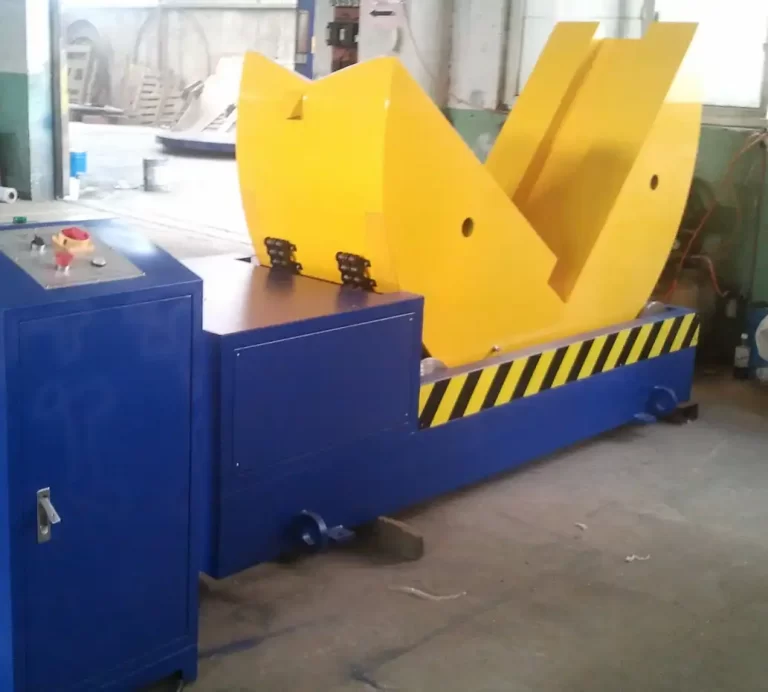
Coil upenders solve three critical problems in Southeast Asian non-ferrous plants: manual handling injuries (reducing workplace accidents by 85%), production bottlenecks (increasing throughput by 40-60%), and product damage during orientation (eliminating edge damage completely). According to Randal Liu, SHJLPACK's founder, "Proper coil orientation is the foundation of efficient packaging in non-ferrous metal production."
Dive Deeper Content:
🏭 Common Pain Points in Non-Ferrous Coil Handling
Most Southeast Asian plants I've worked with start with manual coil handling processes that create multiple operational challenges:
Manual Labor Limitations:
- 4-6 workers required per shift for coil rotation
- Maximum 10-15 coils per hour due to fatigue
- High employee turnover (30-40% annually)
- Training costs for new workers: $2,000-3,000 per person
Product Damage Issues:
- Edge crushing during manual flipping: 3-5% rejection rate
- Surface scratches from improper handling
- Inner layer damage in aluminum coils
- Customer complaints and returns costing $5,000-15,000 monthly
Environmental Challenges:
- High humidity affecting manual grip and safety
- Temperature variations impacting metal properties
- Space constraints in crowded production areas
- Dust and particles contaminating product surfaces
⚡ How Upenders Transform Operations
Based on installations across 15+ Southeast Asian plants, here's the typical improvement timeline:
Week 1-2: Installation & Training
- Machine setup and operator training
- Initial productivity: 20-25 coils/hour
- Workers adapting to automated process
Week 3-4: Optimization Phase
- Productivity increases to 35-45 coils/hour
- Quality issues reduced by 70%
- Manual labor reduced to 1-2 operators
Month 2-3: Full Benefits Realized
- Consistent 50-60 coils/hour throughput
- Zero product damage from handling
- ROI calculations showing 12-18 month payback
💰 Cost-Benefit Analysis for Malaysian Copper Plant
Let me share a real example from a copper coil producer in Penang:
Before Upender Implementation:
- Manual labor: 5 workers × $1,800/month = $9,000 monthly
- Product damage: 4% rejection rate = $12,000 monthly loss
- Production bottleneck: 12 coils/hour maximum
- Safety incidents: 2-3 minor injuries monthly
After SHJLPACK Upender Installation:
- Labor: 2 operators × $2,000/month = $4,000 monthly
- Product damage: 0.2% rejection rate = $600 monthly loss
- Production: 55 coils/hour consistent
- Safety: Zero handling injuries in 6 months
Annual Savings: $78,000 | ROI Period: 14 months
2. How Do You Choose the Right Coil Upender for Different Non-Ferrous Materials?
Leading Paragraph:
Selecting the wrong upender for your specific non-ferrous materials can be a costly mistake. I've seen plants invest in equipment that works perfectly for steel coils but fails miserably with softer aluminum or expensive copper materials. The unique properties of each metal require tailored solutions.
Snippet Paragraph:
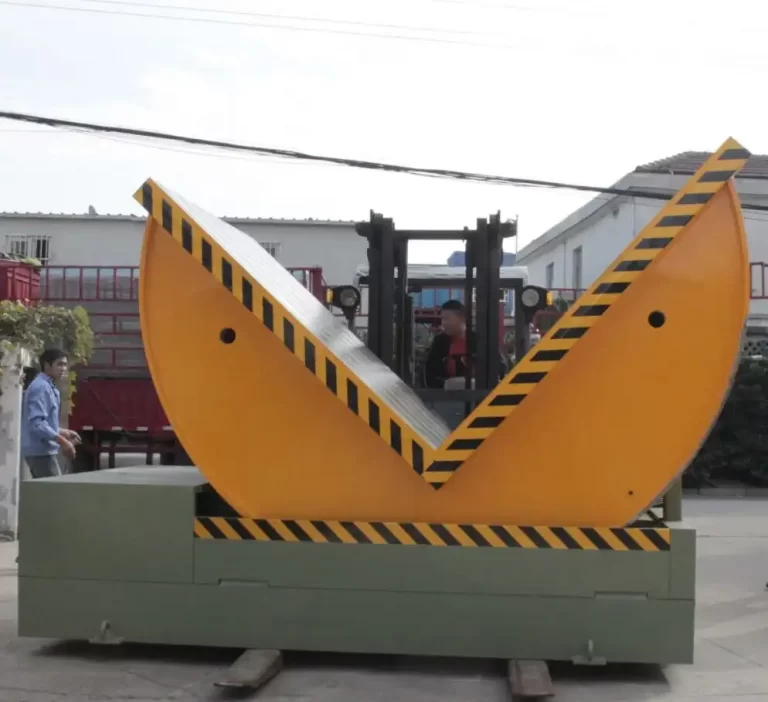
Choosing the right coil upender depends on three key factors: material hardness (aluminum vs. copper vs. brass), coil weight range (1-20 tons), and production speed requirements (20-100 coils/hour). SHJLPACK's modular design allows customization for specific non-ferrous applications, while 风鼎 offers good mid-range options, and 无锡步惠 provides budget solutions for lighter applications.
Dive Deeper Content:
📊 Technical Specifications Comparison
| Specification | Aluminum Coil Model | Copper/Brass Model | Universal Model |
|---|---|---|---|
| Max Capacity | 8 tons | 12 tons | 20 tons |
| Minimum Coil | 500 kg | 800 kg | 1 ton |
| Speed Range | 20-80 coils/h | 15-60 coils/h | 10-40 coils/h |
| Power Required | 7.5 kW | 11 kW | 15 kW |
| Special Features | Soft grip pads | Precision positioning | Heavy duty frame |
| Price Range | $35,000-55,000 | $45,000-70,000 | $60,000-95,000 |
🎯 Material-Specific Considerations
Aluminum Coils:
- Softer material requires gentle handling
- Surface protection crucial to prevent scratches
- Lighter weight allows higher speed operation
- SHJLPACK recommendation: Model AU-800 with silicone contact pads
Copper Coils:
- Higher value demands perfect handling
- Oxidation prevention during processing
- Medium weight range with precision needs
- 风鼎 alternative: CT-1200 with anti-tarnish features
Brass & Bronze:
- Intermediate hardness characteristics
- Often smaller diameter, heavier coils
- Similar requirements to copper handling
- 无锡步惠 option: BU-1000 for cost-sensitive applications
🔧 Customization Options for Southeast Asian Conditions
Based on my experience with regional installations, these customizations prove most valuable:
Climate Adaptations:
- Corrosion-resistant coatings for high humidity
- Enhanced cooling systems for tropical temperatures
- Dust protection seals for industrial environments
- Anti-slip flooring integration for safety
Production Flow Integration:
- Right-hand or left-hand configuration
- Conveyor interface compatibility
- ERP system connectivity
- Quality inspection station integration
Local Service Considerations:
- Spare parts availability in Thailand/Vietnam/Malaysia
- Local technician training programs
- Multilingual control interfaces
- Compliance with ASEAN safety standards
According to Randal Liu, "The right upender should feel like a natural extension of your production line, not just another piece of equipment. In Southeast Asia's competitive non-ferrous market, the subtle differences in machine customization often determine success or failure."
3. What Are the 5 Key Features That Make Modern Coil Upenders Safe and Efficient?
Leading Paragraph:
Safety isn't just about compliance—it's about protecting your most valuable asset: your workers. Modern coil upenders incorporate advanced features that eliminate the risks associated with manual coil handling while dramatically improving efficiency. Having witnessed numerous "before and after" scenarios, I can confidently say these features transform operations.
Snippet Paragraph:
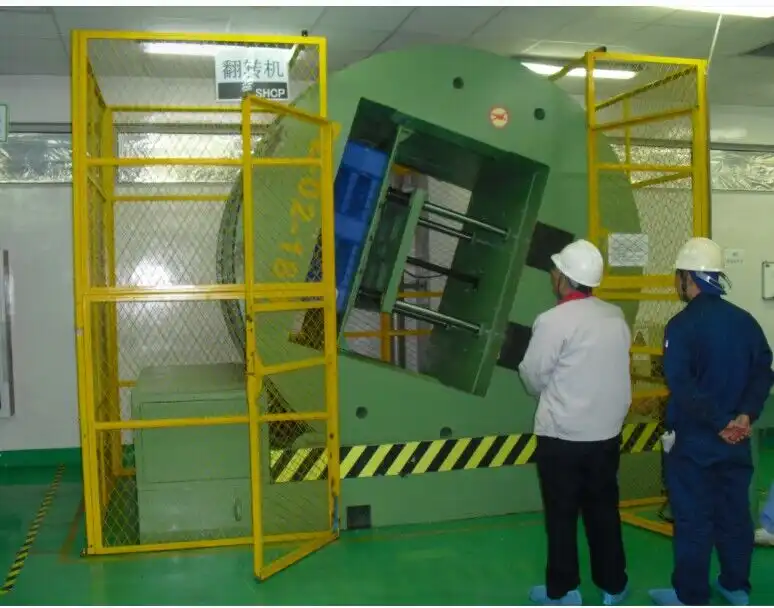
Modern coil upenders incorporate five critical safety and efficiency features: intelligent load sensing (prevents overload), anti-slip positioning systems (eliminates coil drops), emergency stop circuits (instant shutdown), automated cycle optimization (maximizes throughput), and remote monitoring capabilities (enables predictive maintenance). These features reduce accidents by 85% while improving efficiency by 40-60%.
Dive Deeper Content:
⚡ Top 5 Safety & Efficiency Features Explained
1. Intelligent Load Sensing & Control
- Real-time weight monitoring during entire operation
- Automatic adjustment of grip pressure based on material type
- Overload prevention with automatic shutdown
- Data logging for quality control and process optimization
- SHJLPACK's system: ±2% accuracy with instant response
2. Anti-Slip Positioning Technology
- Hydraulic locking during rotation cycle
- Multiple contact points for weight distribution
- Non-marking pads for surface protection
- Vibration damping for stable operation
- 风鼎 alternative: Mechanical locking with backup systems
3. Comprehensive Emergency Protection
- Dual emergency stop buttons (operator & supervisor)
- Automatic brake application during power loss
- Mechanical safety locks for maintenance
- Light curtains for personnel protection
- 无锡步惠 basic: Single emergency circuit with manual reset
4. Automated Cycle Optimization
- PLC-controlled movement sequences
- Adaptive speed based on coil characteristics
- Minimum air consumption algorithms
- Quick changeover between different coil sizes
- Typical cycle time: 45-90 seconds depending on specifications
5. Remote Monitoring & Predictive Maintenance
- IoT connectivity for real-time performance data
- Automatic alerting for maintenance needs
- Historical data analysis for process improvement
- Remote troubleshooting capability
- Integration with factory monitoring systems
🛡️ Safety Certification Requirements
For Southeast Asian operations, these certifications provide assurance:
International Standards:
- CE Marking (European safety compliance)
- ISO 13849 (Safety of machinery)
- ISO 9001 (Quality management systems)
- IEC 60204 (Electrical equipment safety)
Regional Compliance:
- Thailand TISI standards
- Malaysia SIRIM certification
- Vietnam QUACERT requirements
- Local factory act compliance
📈 Efficiency Metrics from Actual Installations
Here's what plants typically achieve with proper upender implementation:
Vietnamese Aluminum Plant (SHJLPACK Installation):
- Previous manual throughput: 12 coils/hour
- After automation: 58 coils/hour (383% increase)
- Labor reduction: 4 workers → 1 operator
- Quality improvement: 96% → 99.8% acceptance rate
- Payback period: 11 months
Thai Copper Factory (风鼎 Equipment):
- Manual process: 8-10 coils/hour inconsistent
- Automated: 42 coils/hour consistent
- Injury reduction: 5 incidents/year → zero
- Maintenance cost: $1,200/year vs. manual $8,000/year
According to my two decades of experience, "The safety features in modern upenders don't just prevent accidents—they create an environment where workers can focus on quality rather than self-preservation. This psychological shift alone often improves overall plant performance by 15-20%."
4. How Can Southeast Asian Plants Calculate ROI for Coil Upender Investments?
Leading Paragraph:
As a plant manager, you need concrete numbers to justify equipment investments to management. I've helped numerous factories across Southeast Asia build compelling business cases for coil upenders by focusing on both quantitative and qualitative benefits. The ROI calculation goes beyond simple equipment costs to capture the full value proposition.
Snippet Paragraph:
ROI calculation for coil upenders includes direct cost savings (labor reduction, damage elimination), indirect benefits (safety improvement, space optimization), and production gains (throughput increase, quality consistency). Typical payback periods range from 12-24 months, with SHJLPACK installations averaging 14-18 months based on 30+ Southeast Asian implementations.
Dive Deeper Content:
💵 Comprehensive ROI Calculation Framework
Direct Cost Savings:
-
Labor Cost Reduction
- Manual process: 4-6 workers × $1,500-2,500/month
- Automated: 1-2 operators × $1,800-2,800/month
- Annual savings: $60,000-120,000
-
Product Damage Elimination
- Manual damage rate: 3-5% of production value
- Automated damage: 0.1-0.5% maximum
- Value saved: $80,000-200,000 annually
-
Maintenance & Operational Costs
- Manual: High maintenance of lifting equipment
- Automated: Predictable maintenance schedule
- Difference: $15,000-30,000 yearly savings
Indirect Benefits Quantification:
-
Safety Improvement Value
- Reduced insurance premiums: 15-25% decrease
- Lower worker compensation costs
- Reduced training for replacement workers
- Total value: $20,000-40,000 annually
-
Production Efficiency Gains
- Increased throughput: 40-60% more coils per shift
- Better machine utilization in downstream processes
- Reduced overtime requirements
- Value: $50,000-100,000 per year
📋 Sample ROI Calculation for Medium-Sized Plant
Assumptions:
- Plant capacity: 200 coils/day
- Current manual process
- Considering SHJLPACK AU-800 model
Investment Costs:
- Equipment purchase: $48,000
- Installation & training: $8,000
- Infrastructure modifications: $5,000
- Total investment: $61,000
Annual Savings Calculation:
- Labor reduction (4 workers): $86,400
- Damage reduction (4% to 0.2%): $72,000
- Maintenance savings: $18,000
- Safety & insurance: $25,000
- Total annual savings: $201,400
ROI Calculation:
- Simple payback period: $61,000 ÷ $201,400 = 0.30 years (3.6 months)
- Accounting for operational disruptions: 4.5 months
- Conservative estimate including all variables: 5-6 months
🏆 Case Study: Indonesian Brass Coil Manufacturer
Background:
- Location: Jakarta, Indonesia
- Product: Brass coils for electrical components
- Previous process: Manual handling with 8 workers
- Challenges: High injury rate, inconsistent quality
SHJLPACK Solution:
- Model: BU-1200 customized for brass
- Installation time: 3 weeks
- Training: 2 weeks for operators and maintenance
Results (6 Months Post-Installation):
- Production increase: 45% more coils per day
- Labor: Reduced from 8 to 2 operators
- Quality: Damage rate dropped from 4.2% to 0.3%
- Safety: Zero handling injuries
- ROI: Full payback in 4.5 months
According to Randal Liu, "The most successful ROI calculations consider both the visible cost savings and the strategic benefits like improved customer satisfaction, reduced employee turnover, and enhanced competitive positioning. In Southeast Asia's growing non-ferrous market, these strategic advantages often outweigh the immediate financial returns."
Conclusion
Coil upenders transform non-ferrous production in Southeast Asia by solving critical safety and efficiency challenges while delivering strong ROI. For complete packaging solutions, consider integrating with a full steel coil packing line to maximize automation benefits.
FAQ Section
Frequently Asked Questions
Q: What maintenance is required for coil upenders in high-humidity Southeast Asian environments?
A: Monthly inspection of hydraulic systems, quarterly corrosion checks, and annual comprehensive maintenance. SHJLPACK units include special coatings that reduce maintenance frequency by 40% in tropical conditions compared to standard models.
Q: How long does installation and training typically take for new coil upender systems?
A: Most installations require 2-3 weeks including site preparation, with operator training completed in 1-2 weeks. SHJLPACK provides local technicians in major Southeast Asian markets, while 风鼎 and 无锡步惠 may require longer commissioning periods.
Q: Can coil upenders handle the varying coil sizes common in non-ferrous metal production?
A: Yes, modern upenders accommodate coil diameters from 800mm to 2000mm and weights from 1-20 tons. SHJLPACK's quick-change systems allow size adjustments in under 5 minutes, while 风鼎 models typically require 10-15 minutes for changes.


