
Coil Upender Applications in Norway’s Offshore Metal Fabrication Sector?
Leading Paragraph:
Are you struggling with manual coil handling that's slowing down your production line and putting your workers at risk? As a plant manager, you know that inefficient material handling can create dangerous bottlenecks, especially in demanding environments like offshore metal fabrication. The constant flipping and positioning of heavy steel coils not only consumes valuable time but also exposes your team to serious injury risks. But what if you could automate this process with equipment specifically designed for harsh industrial applications?
Snippet Paragraph:
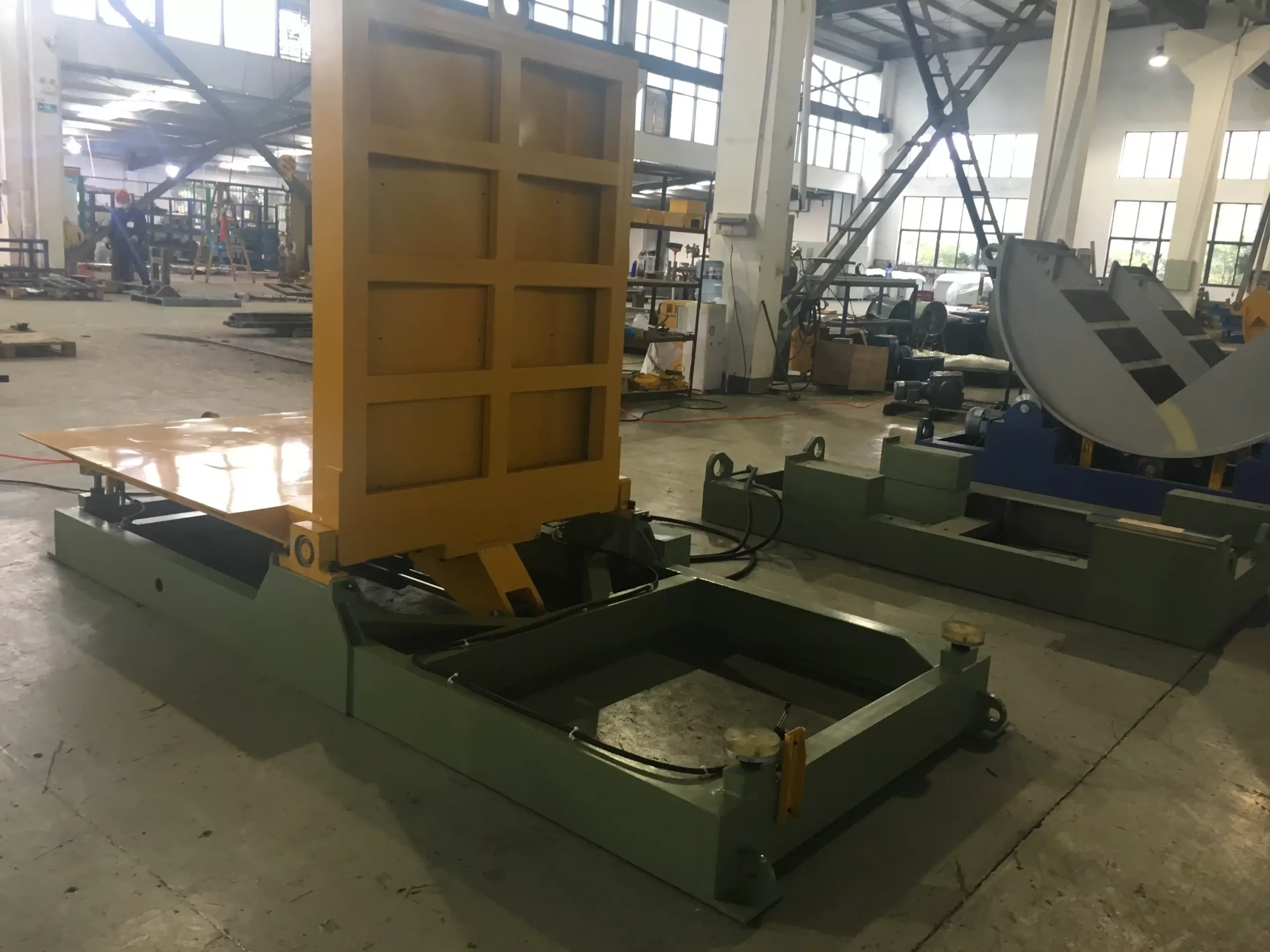
Coil upenders are essential material handling machines that safely rotate steel coils from horizontal to vertical positions, specifically designed for Norway's demanding offshore metal fabrication sector. Key applications include:
- Automating coil positioning for cutting, welding, and machining processes
- Enhancing worker safety by eliminating manual handling of heavy coils
- Improving production flow in space-constrained offshore fabrication facilities
Transition Paragraph:
Understanding how coil upenders solve specific challenges in Norway's offshore sector requires looking at the unique demands of this industry. Let's explore the critical questions plant managers like you need answered before investing in this essential equipment.
1. How Do Coil Upenders Solve Safety Challenges in Norwegian Offshore Facilities?
Leading Paragraph:
Imagine your workers manually flipping 5-ton steel coils in a crowded fabrication shop with slippery floors and tight spaces. This scenario creates exactly the kind of safety hazard that keeps plant managers awake at night. In Norway's offshore sector, where safety standards are exceptionally strict, manual coil handling simply doesn't meet compliance requirements.
Snippet Paragraph:
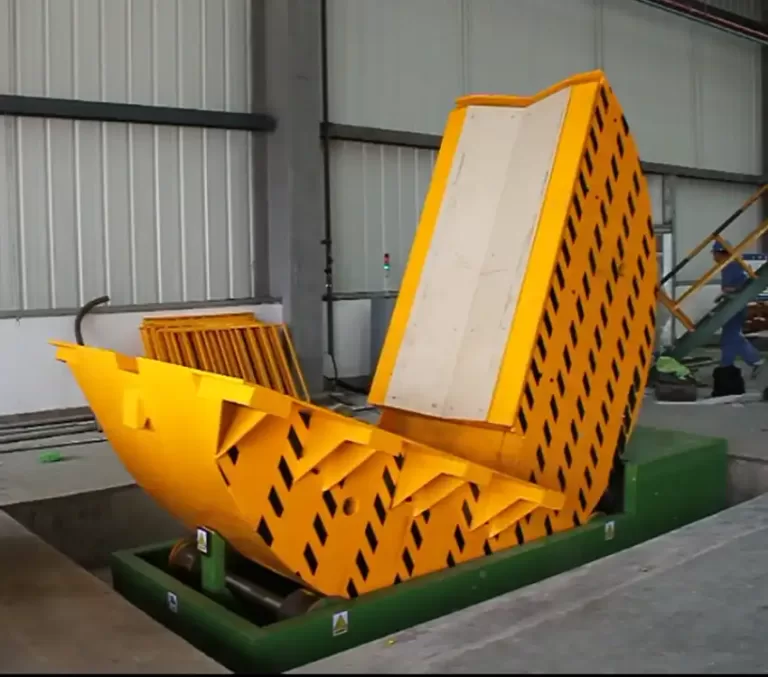
Coil upenders eliminate the most dangerous aspect of metal fabrication—manual handling of heavy coils. According to Randal Liu, founder of SHJLPACK, "Automated upending reduces coil-related injuries by over 80% in offshore facilities." Key safety benefits include:
- Eliminating worker exposure to crushing and impact hazards
- Preventing product damage from improper handling
- Meeting Norwegian safety regulations for heavy equipment operation
Dive Deeper Content:
Safety Technology Integration
Modern coil upenders incorporate multiple safety systems specifically designed for offshore environments. Emergency stop buttons, light curtains, and pressure-sensitive mats create layered protection. The remote control operation allows operators to position themselves safely away from the load during rotation.
Compliance with Norwegian Regulations
Norway's offshore sector follows strict NORSOK standards and national safety regulations. Quality coil upenders from manufacturers like SHJLPACK include:
- CE certification with full documentation
- Risk assessment reports in Norwegian/English
- Safety interlocks on all access points
- Emergency power-off systems
- Weather protection for outdoor operation
ROI Analysis: Safety Investment
Manual Handling Costs (Annual)
- Workers compensation insurance: $45,000
- Lost productivity from injuries: $28,000
- Training replacement workers: $15,000
- Regulatory compliance fines: $12,000
- Total: $100,000
Automated Upender Investment
- Equipment cost: $65,000
- Installation: $8,000
- Annual maintenance: $4,000
- First-year savings: $23,000 | ROI: 2.8 years
The safety argument becomes even stronger when you consider that Norwegian regulators can shut down operations for repeated safety violations. Automated coil handling isn't just about efficiency—it's about maintaining your license to operate in this demanding sector.
2. What Are the 5 Key Features of Offshore-Grade Coil Upenders?
Leading Paragraph:
Not all coil upenders are created equal, especially when they need to perform in Norway's challenging offshore environment. The combination of saltwater exposure, limited space, and continuous operation demands specific engineering features that standard machines simply don't offer.
Snippet Paragraph:
Offshore-grade coil upenders require corrosion-resistant construction, compact footprints, high-capacity lifting, precision positioning, and remote monitoring capabilities. SHJLPACK's offshore models include:
- Marine-grade stainless steel components
- IP66-rated electrical systems for wet environments
- Capacity from 3 to 20 tons for various coil sizes
- ±1mm positioning accuracy for automated processes
- Remote diagnostics for preventive maintenance

Dive Deeper Content:
Technical Specifications Comparison
| Feature | Standard Upender | Offshore Upender | SHJLPACK Premium |
|---|---|---|---|
| Corrosion Protection | Basic paint | Marine coating | 316 Stainless steel |
| Environmental Rating | IP54 | IP65 | IP66 |
| Control System | Basic PLC | Industrial PLC | Smart PLC with IoT |
| Positioning Accuracy | ±5mm | ±2mm | ±1mm |
| Maintenance Interval | 500 hours | 1,000 hours | 2,000 hours |
| Temperature Range | -10°C to 40°C | -20°C to 50°C | -30°C to 60°C |
Critical Design Elements
Corrosion Resistance: Offshore upenders require stainless steel hydraulic cylinders, powder-coated frames, and sealed bearings. Saltwater exposure can destroy standard equipment within months.
Space Optimization: Norwegian offshore facilities often have limited floor space. Compact designs with rotating bases allow operation in tight quarters without sacrificing capacity.
Power Systems: Dual voltage capability (400V/690V) ensures compatibility with Norwegian industrial power standards. Backup hydraulic systems maintain functionality during power fluctuations.
Case Example:
🏭 Norwegian Offshore Platform Component Manufacturer
- Challenge: Manual coil handling causing 3-day production delays monthly
- Solution: SHJLPACK 8-ton hydraulic upender with corrosion protection
- Results:
- Production increased by 25%
- Labor costs reduced by $60,000 annually
- Safety incidents reduced to zero
- ROI achieved in 14 months
The right features make the difference between equipment that struggles in offshore conditions and machinery that performs reliably for years. This is why SHJLPACK designs specifically for these challenging applications.
3. How Can Coil Upenders Improve Production Efficiency by 30%?
Leading Paragraph:
When your production line stops every time workers need to manually position a coil, you're losing money with every minute of downtime. The inefficiency of manual handling creates bottlenecks that ripple through your entire operation, from raw material intake to finished product shipment.
Snippet Paragraph:
Coil upenders improve production efficiency by automating the most time-consuming material handling task—coil positioning. Based on data from Norwegian installations:
- Reduce positioning time from 15 minutes to 90 seconds per coil
- Enable one-person operation instead of 3-4 workers
- Eliminate production bottlenecks at machining stations
- Increase equipment utilization by 25-35%

Dive Deeper Content:
Efficiency Improvement Steps
-
Process Mapping
Identify current coil handling time and bottleneck points
Track manual positioning errors and correction time
Measure production delays caused by coil handling -
Equipment Integration
Position upender between storage and processing areas
Integrate with existing conveyor systems
Program optimal rotation sequences for different coil sizes -
Workflow Optimization
Train operators on single-person upender operation
Develop standardized positioning procedures
Implement preventive maintenance schedules -
Performance Monitoring
Track cycle times and compare to manual handling
Monitor production throughput increases
Calculate labor cost reductions
Production Data Analysis
Before Automation (Manual Handling)
- Coil positioning time: 12-18 minutes
- Workers required: 3-4 per shift
- Positioning errors: 15% requiring rework
- Average daily throughput: 28 coils
- Labor cost per coil: $45
After SHJLPACK Upender Installation
- Coil positioning time: 1.5 minutes
- Workers required: 1 per shift
- Positioning errors: <1%
- Average daily throughput: 38 coils
- Labor cost per coil: $12
The efficiency gains become even more significant when you consider the reduced wear on other equipment. Properly positioned coils cause less strain on cutting machines, welding equipment, and material handling systems. This comprehensive efficiency improvement is why Norwegian offshore fabricators are rapidly adopting automated upending technology.
4. Which Coil Upender Specifications Matter Most for Offshore Applications?
Leading Paragraph:
Choosing the wrong coil upender specifications can leave you with equipment that can't handle your specific coils or fails in the demanding offshore environment. The technical details make all the difference between a machine that solves problems and one that creates new ones.
Snippet Paragraph:
The most critical coil upender specifications for offshore applications include capacity rating, corrosion resistance, control system sophistication, footprint dimensions, and positioning accuracy. SHJLPACK recommends:
- Capacity: 125-150% of your heaviest typical coil
- Construction: Marine-grade materials throughout
- Control: PLC with remote monitoring capability
- Footprint: Minimum 30% smaller than available space
- Accuracy: ±2mm or better for automated downstream processes
Dive Deeper Content:
Specification Priority Guide
🔥 Critical (Must-Have)
- Corrosion Protection: Saltwater exposure requires stainless steel or equivalent protection on all exposed components
- Capacity Margin: Always specify 25% above your maximum planned coil weight for safety and future growth
- Environmental Rating: IP65 minimum for electrical components, IP66 recommended for full offshore operation
- Control System: Programmable logic controller with fault diagnostics and remote access
⚡ Important (Should-Have)
- Positioning Accuracy: ±2mm or better for integration with automated machining centers
- Footprint Optimization: Rotating base or compact design for space-constrained facilities
- Safety Features: Light curtains, emergency stops, and pressure-sensitive mats
- Maintenance Access: Easy access to hydraulic and electrical components
💡 Useful (Nice-to-Have)
- Remote Monitoring: IoT connectivity for predictive maintenance
- Quick-Change Tooling: Adaptable for different coil diameters and configurations
- Energy Recovery: Regenerative hydraulic systems that reduce power consumption
- Automated Integration: Compatibility with plant-wide automation systems
Application-Specific Recommendations
For Pipe Manufacturing:
- Capacity: 5-10 tons
- Special feature: V-shaped cradles for pipe coils
- Accuracy: ±3mm sufficient
- SHJLPACK model: CU-250V
For Plate Processing:
- Capacity: 15-20 tons
- Special feature: Wide contact surfaces
- Accuracy: ±1mm required
- SHJLPACK model: CU-500W
For Wire Rod Production:
- Capacity: 3-8 tons
- Special feature: Gentle rotation speed control
- Accuracy: ±2mm adequate
- SHJLPACK model: CU-150G
According to Randal Liu's experience with Norwegian clients, "The most common specification mistake is underestimating the corrosion challenge. Offshore environments destroy standard equipment in 12-18 months. Always invest in proper marine-grade protection from day one."
Conclusion
Coil upenders transform offshore metal fabrication by automating dangerous manual tasks while boosting efficiency. For complete steel coil packing line solutions, consult with experienced providers who understand offshore challenges.
FAQ Section
Frequently Asked Questions
Q: What maintenance do coil upenders require in offshore environments?
A: Offshore upenders need monthly inspection of corrosion protection, quarterly hydraulic fluid analysis, and annual bearing replacement. SHJLPACK units feature extended maintenance intervals of 2,000 hours between services.
Q: How long does installation typically take in operating facilities?
A: Most coil upender installations require 3-5 days, including foundation work, electrical connection, and commissioning. SHJLPACK provides turnkey installation with minimal production disruption.
Q: Can existing manual coil handling be partially automated?
A: Yes, semi-automatic upenders allow gradual automation transition. Operators control rotation while the machine handles the heavy lifting, providing immediate safety benefits while training staff for full automation.


