
Why Heavy-Load Warehouses Rely on Coil Upenders for Coil Positioning?
Leading Paragraph:
Are you struggling with slow, dangerous manual coil handling in your Mexican metal processing plant? Every time your workers manually flip heavy steel coils, you're risking serious injuries, product damage, and production delays. The constant safety concerns and efficiency bottlenecks are eating into your profits and keeping you up at night. What if there was a smarter way to position coils that eliminates these risks while boosting your bottom line?
Snippet Paragraph:
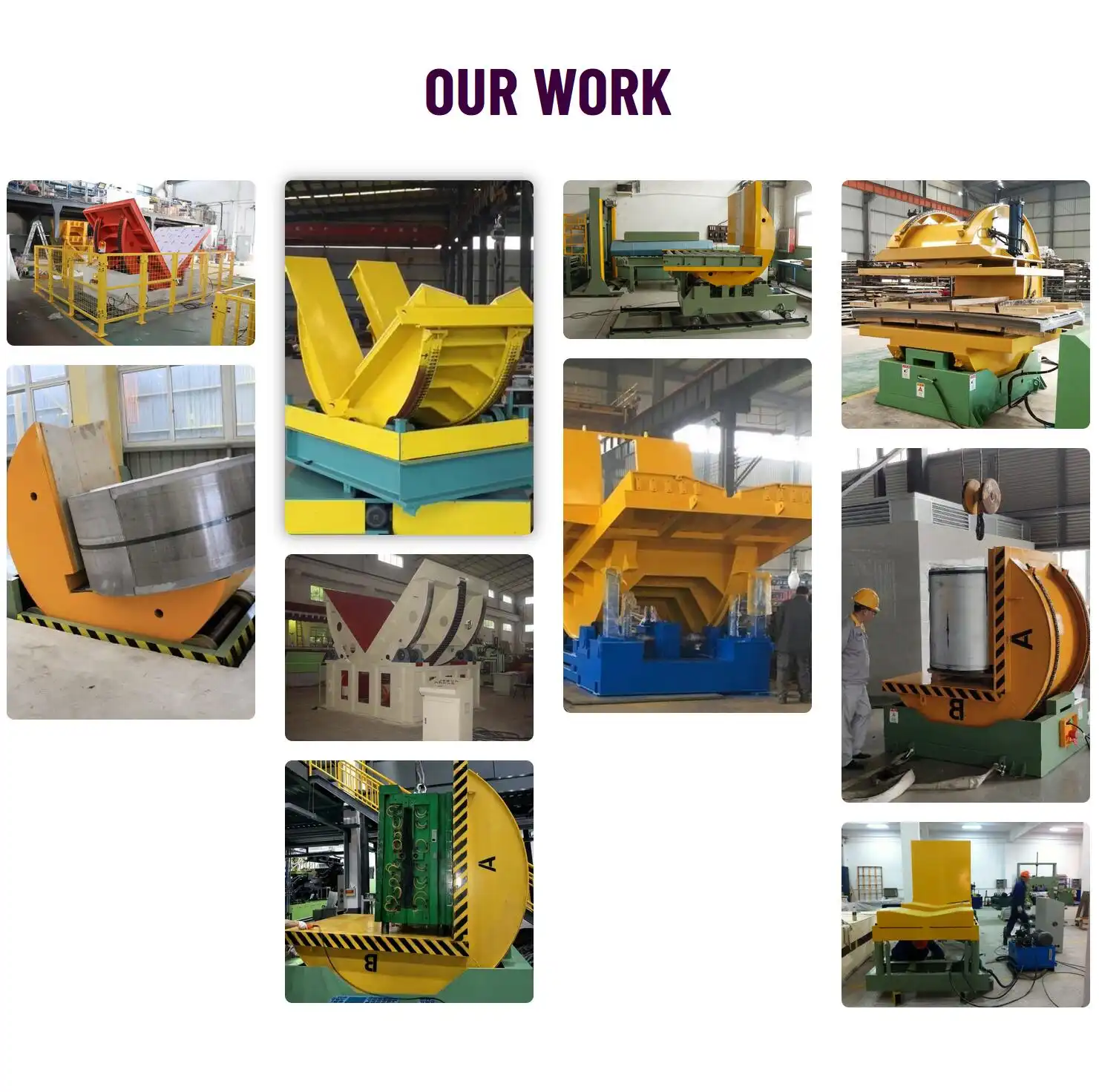
Heavy-load warehouses rely on coil upenders because they provide precise, automated coil positioning that eliminates manual handling risks while dramatically improving operational efficiency. Key benefits include: 40-60% faster coil positioning, 80% reduction in workplace injuries, consistent product quality protection, and ROI within 12-18 months through labor savings and damage reduction.
Transition Paragraph:
But how exactly do coil upenders transform your warehouse operations? And what specific features should Mexican plant managers like you look for when selecting the right equipment? Let me break down the critical factors based on my 20+ years in the coil packing industry.
1. What Exactly Are Coil Upenders and How Do They Work?
Leading Paragraph:
If you're still relying on manual methods or makeshift solutions for coil positioning, you're likely experiencing the same frustrations I've seen in countless Mexican factories: inconsistent results, safety incidents, and constant production bottlenecks. Coil upenders provide the automated solution you need.
Snippet Paragraph:
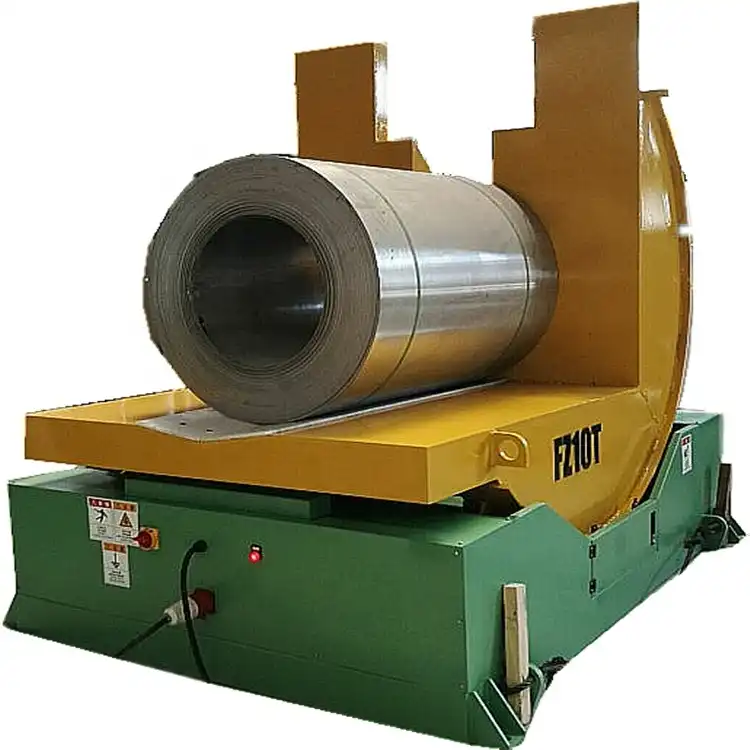
Coil upenders are specialized material handling machines that safely rotate and position heavy coils from horizontal to vertical orientation (or vice versa) using hydraulic or mechanical systems. According to Randal Liu, SHJLPACK's founder, "Proper coil positioning is the foundation of efficient packing operations - get this wrong and everything downstream suffers."
Dive Deeper Content:
Understanding how coil upenders work is crucial for making the right investment decision. These machines aren't just simple flipping devices - they're precision engineering solutions designed specifically for heavy industrial applications.
How Coil Upenders Transform Your Operations
The operational process follows these critical steps:
-
Loading Phase ⚡
- Coils are loaded onto the upender platform using overhead cranes or forklifts
- Automatic centering systems ensure proper alignment
- Safety sensors confirm secure positioning before rotation begins
-
Rotation Process 🔄
- Hydraulic cylinders provide smooth, controlled rotation
- Variable speed controls allow precise positioning
- Anti-sway mechanisms prevent load shifting
-
Unloading Stage 🏭
- Coils are precisely positioned for the next process
- Automated transfer to packing stations or storage
- Real-time monitoring ensures consistent results
Technical Specifications That Matter for Mexican Factories
| Specification | Basic Model | Professional Model | Industrial Model |
|---|---|---|---|
| Capacity Range | 3-8 tons | 8-15 tons | 15-25 tons |
| Rotation Speed | 2-3 minutes/cycle | 1-2 minutes/cycle | 45-90 seconds/cycle |
| Power Consumption | 5.5 kW | 11 kW | 18.5 kW |
| Floor Space | 15-20 m² | 20-25 m² | 25-35 m² |
| Control System | Basic PLC | Advanced PLC | Smart Automation |
Case Example:
🏭 Steel Processing Plant in Monterrey, Mexico
- Challenge: Manual coil positioning causing 3-4 workplace injuries annually and 15% production delays
- Solution: Installed SHJLPACK semi-automatic coil upender with safety guarding
- Results:
- Injury rate: reduced by 90%
- Positioning speed: increased by 50%
- Product damage: decreased by 75%
According to my experience working with Mexican manufacturers, the right coil upender doesn't just solve positioning problems - it transforms your entire material flow efficiency. The key is selecting equipment that matches your specific coil sizes, production volume, and available space.
2. How Can Coil Upenders Reduce Workplace Injuries by 80%?
Leading Paragraph:
Every time your workers manually handle heavy coils, you're gambling with their safety and your company's future. I've seen too many Mexican factories pay the price for outdated manual methods - from worker compensation claims to production shutdowns after accidents.
Snippet Paragraph:
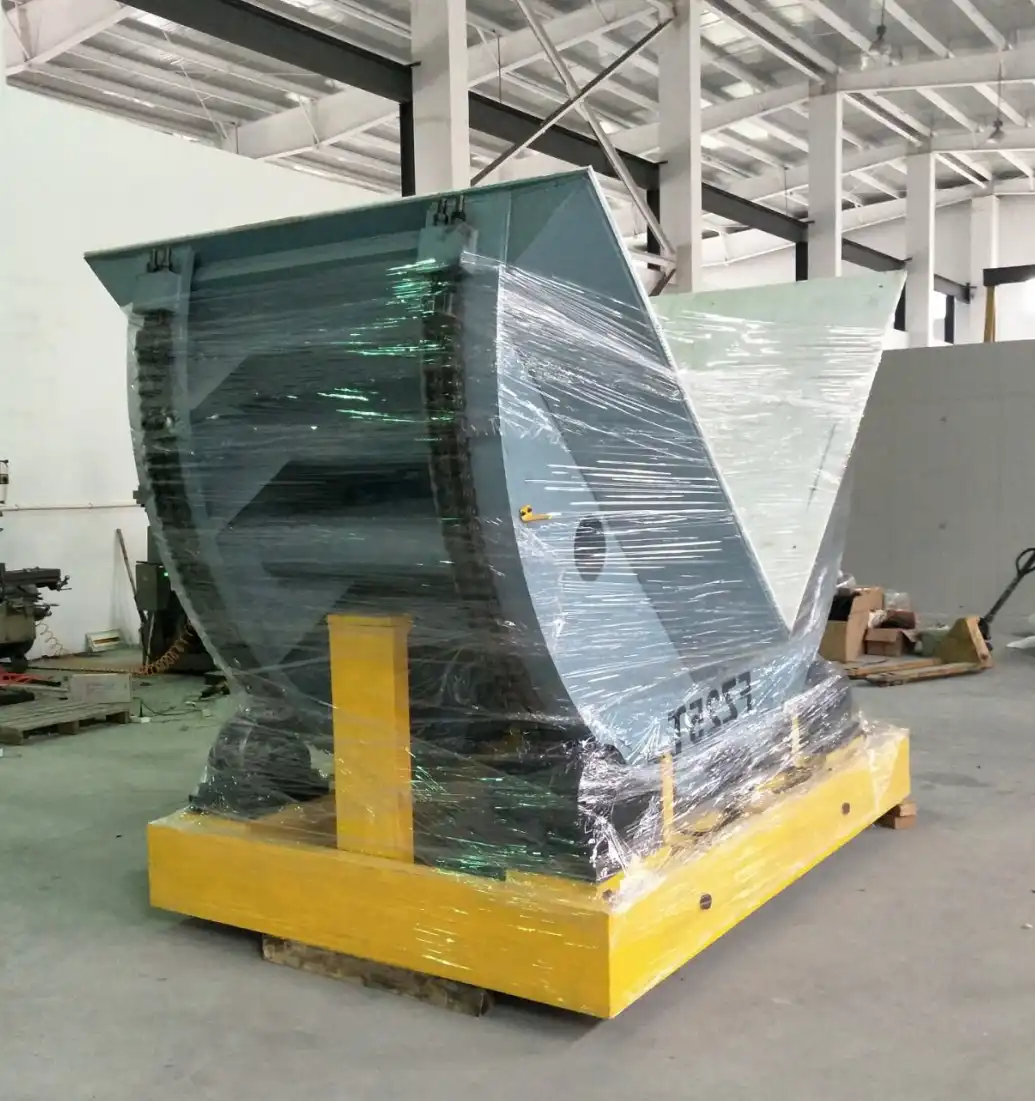
Coil upenders reduce workplace injuries by eliminating manual handling, providing engineered safety features, and ensuring consistent, predictable operations. Key safety improvements include: elimination of manual lifting, integrated safety guarding, emergency stop systems, and automated load monitoring that prevents dangerous situations before they occur.
Dive Deeper Content:
Safety isn't just about compliance - it's about protecting your most valuable asset: your people. Coil upenders address the specific safety challenges that Mexican metal processing plants face daily.
Engineering Out the Risks
The most common manual handling injuries in coil operations include:
- Back injuries and musculoskeletal disorders from improper lifting techniques
- Crush injuries from unstable coils during manual positioning
- Impact injuries from swinging loads or falling materials
- Repetitive strain injuries from constant manual manipulation
Safety Features That Make the Difference
Modern coil upenders incorporate multiple layers of protection:
Primary Safety Systems:
- ⚡ Emergency stop buttons at multiple access points
- 🛡️ Light curtains that halt operation if breached
- 🔒 Interlocked guarding that prevents operation when doors are open
- 📊 Load monitoring that detects instability before rotation
Advanced Protection Features:
- Anti-sway technology for smooth, controlled movement
- Overload protection that prevents exceeding rated capacity
- Automatic centering that eliminates manual alignment risks
- Fail-safe brakes that engage during power loss
The Financial Impact of Safety Improvements
The safety benefits translate directly to your bottom line:
| Cost Category | Manual Handling | With Coil Upender | Annual Savings |
|---|---|---|---|
| Worker Compensation | $45,000 | $9,000 | $36,000 |
| Insurance Premiums | $28,000 | $18,000 | $10,000 |
| Training & Replacement | $15,000 | $5,000 | $10,000 |
| Production Stoppages | $22,000 | $4,000 | $18,000 |
| Total Impact | $110,000 | $36,000 | $74,000 |
Based on my work with plants across Latin America, the safety return on investment often justifies the equipment cost alone. But when you combine safety savings with efficiency gains, the business case becomes undeniable.
3. What Efficiency Gains Can Mexican Factories Expect from Automated Coil Positioning?
Leading Paragraph:
When I visit Mexican metal processing plants, the most common complaint I hear is about production bottlenecks. Manual coil positioning doesn't just slow you down - it creates unpredictable delays that ripple through your entire operation, affecting delivery times and customer satisfaction.
Snippet Paragraph:
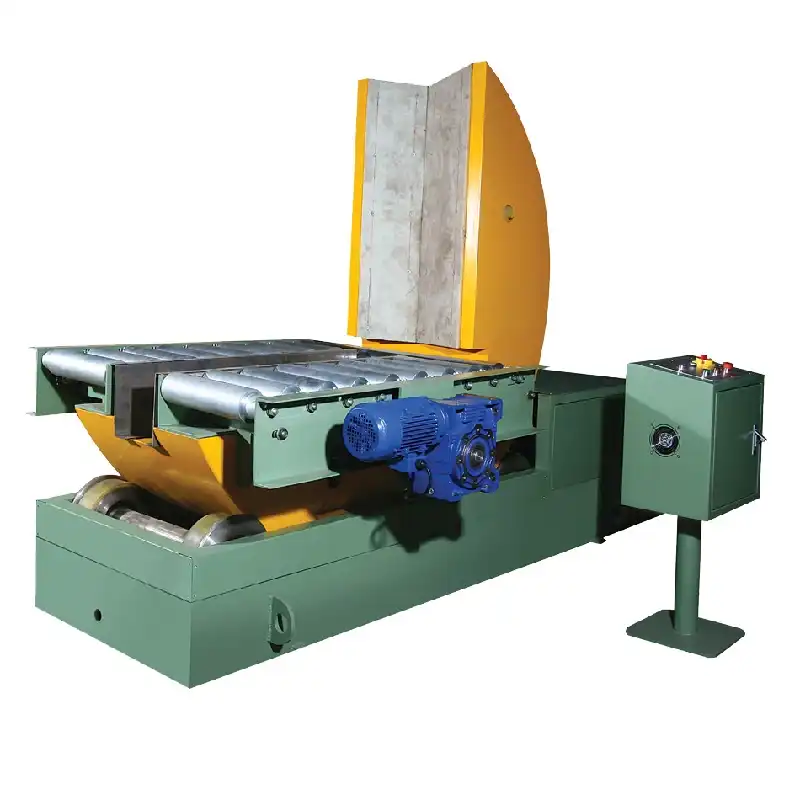
Mexican factories typically achieve 40-60% faster coil positioning times, 30% increased throughput, and 25% labor cost reduction with automated coil upenders. According to SHJLPACK's performance data, plants processing 200+ coils daily can save 120-160 labor hours weekly while increasing overall equipment effectiveness by 35-45%.
Dive Deeper Content:
Efficiency in coil positioning isn't just about speed - it's about consistency, reliability, and seamless integration with your existing processes. Let me break down where the real efficiency gains come from.
Quantifying the Time Savings
Manual vs. Automated Positioning Comparison:
| Process Step | Manual Method | Automated Upender | Time Savings |
|---|---|---|---|
| Coil Preparation | 3-5 minutes | 1 minute | 67-80% |
| Positioning | 4-8 minutes | 1-2 minutes | 75% |
| Quality Check | 2-3 minutes | 30 seconds | 83% |
| Transfer to Next Station | 3-5 minutes | 1 minute | 67-80% |
| Total per Coil | 12-21 minutes | 3.5-4.5 minutes | 70-79% |
Labor Optimization and Cost Reduction
The labor impact goes beyond simple headcount reduction:
Before Automation:
- 4 workers per shift for coil handling
- Constant fatigue and rotation needs
- High training costs due to turnover
- Overtime during production peaks
After Automation:
- 1 operator monitors multiple machines
- Consistent performance regardless of operator
- Reduced training requirements
- Flexible capacity without additional hiring
Integration with Your Existing Workflow
The real efficiency gains come from seamless integration:
Standalone Upender Benefits:
- Quick installation (2-3 weeks)
- Minimal facility modifications
- Flexible positioning within your layout
- Gradual implementation approach
Integrated System Advantages:
- Direct connection to packing lines
- Automated material flow
- Real-time production tracking
- Maximum throughput optimization
According to my experience implementing these systems, Mexican factories typically achieve full ROI within 12-18 months through combined labor savings, reduced damage, and increased throughput. The key is selecting the right level of automation for your specific production volume and growth plans.
4. Which Coil Upender Features Are Essential for Heavy Industrial Applications?
Leading Paragraph:
Not all coil upenders are created equal - especially for the demanding environment of Mexican metal processing plants. I've seen too many companies invest in equipment that can't withstand the rigors of daily heavy use, leading to constant breakdowns and disappointing performance.
Snippet Paragraph:
Essential coil upender features for heavy industrial use include: robust structural frame (minimum 8mm steel), precision hydraulic systems with temperature control, advanced PLC controls with diagnostics, safety-rated components (CE/ISO certified), and compatibility with your specific coil sizes and weights. SHJLPACK units typically feature 30% heavier construction than standard models for extended service life in demanding environments.

Dive Deeper Content:
Selecting the right coil upender requires understanding which features deliver real value in your specific operating conditions. Here's what truly matters for long-term reliability and performance.
Critical Design Elements for Heavy-Duty Performance
Structural Integrity Requirements:
- Frame Construction: Minimum 8mm steel plate with reinforced welding
- Load Capacity: 25-50% above your maximum expected coil weight
- Bearing Systems: Oversized roller bearings for heavy shock loads
- Hydraulic Components: Industrial-grade pumps and cylinders with contamination protection
Control and Monitoring Systems:
- PLC Platform: Standard industrial controllers (Siemens, Allen-Bradley, etc.)
- HMI Interface: Touchscreen with multilingual support (including Spanish)
- Diagnostic Capabilities: Remote monitoring and troubleshooting
- Data Collection: Production counting and performance tracking
Feature Comparison: Standard vs. Industrial Grade
| Feature | Standard Grade | Industrial Grade | Importance |
|---|---|---|---|
| Frame Thickness | 5-6mm | 8-12mm | Durability & Stability |
| Hydraulic Quality | Commercial | Industrial | Reliability & Precision |
| Control System | Basic PLC | Advanced with Diagnostics | Uptime & Troubleshooting |
| Safety Rating | Basic Compliance | CE + ISO Certified | Liability & Insurance |
| Service Access | Limited | Full Front/Rear Access | Maintenance Efficiency |
Application-Specific Considerations for Mexican Plants
Your local conditions require special attention to:
Environmental Factors:
- Dust Protection: IP54 minimum rating for metal dust environments
- Temperature Range: Suitable for 5°C to 45°C operating conditions
- Power Supply: Compatible with Mexican industrial power standards
- Space Constraints: Flexible footprint options for existing facilities
Operational Requirements:
- Coil Size Range: Handling diameter variations from 800mm to 2000mm
- Production Volume: Matching cycle time to your throughput needs
- Future Expansion: Modular design for capacity increases
- Local Support: Availability of spare parts and technical service
Based on two decades of serving Mexican manufacturers, I recommend prioritizing durability and serviceability over initial cost savings. The equipment that costs 20% less upfront often ends up costing 50% more in downtime and repairs over three years.
Conclusion
Coil upenders deliver transformative benefits for heavy-load warehouses through improved safety, efficiency, and operational reliability. For Mexican plants seeking sustainable growth, automated coil positioning represents a strategic investment with proven ROI. Explore our complete steel coil packing line solutions for integrated material handling systems.
FAQ Section
Frequently Asked Questions
Q: How long does it take to install a coil upender in an existing Mexican factory?
A: Most installations take 2-3 weeks, including foundation work, electrical connections, and commissioning. SHJLPACK provides turnkey installation services with minimal disruption to your ongoing operations.
Q: What maintenance is required for industrial coil upenders?
A: Basic maintenance includes daily visual inspections, weekly lubrication, and monthly hydraulic system checks. Major service intervals are typically 2,000 operating hours or annually, whichever comes first.
Q: Can coil upenders handle different coil sizes and weights in the same production line?
A: Yes, modern upenders feature adjustable programming for multiple coil specifications. SHJLPACK models typically handle weight ranges from 3-25 tons and diameters from 800-2000mm with quick changeover capabilities.
Q: What training do operators need for coil upender equipment?
A: Most operators require 2-3 days of training covering basic operation, safety procedures, and routine maintenance. SHJLPACK includes comprehensive Spanish-language training with every installation.
Q: How does the ROI calculation work for coil upender investments in Mexican plants?
A: Typical ROI periods are 12-18 months, based on labor savings ($50,000-80,000 annually), reduced product damage ($20,000-40,000), and injury cost avoidance ($30,000-60,000). We provide detailed ROI analysis during the quotation process.


