
Coil Tilter Layout: Pit or Floor-Mounted—Which Saves More Space and Cost?
Leading Paragraph:
Are you struggling with limited factory space while trying to automate your steel coil handling? As a plant manager, you know that every square meter counts when planning new equipment installations. The choice between pit-mounted and floor-mounted coil tilters isn't just technical—it's a strategic decision that impacts your entire operation's efficiency and bottom line.
Snippet Paragraph:
Floor-mounted coil tilters typically save 15-25% on installation costs and offer greater layout flexibility, while pit-mounted versions can increase operational efficiency by 30-40% in space-constrained environments. The optimal choice depends on your specific factory conditions: floor-mounted for easy relocation and lower initial investment, pit-mounted for maximum space utilization in high-volume operations. Key factors include available floor space, production volume, budget constraints, and future expansion plans.
Transition Paragraph:
Making the wrong choice could cost your factory thousands in unnecessary expenses and lost productivity. Let me guide you through the critical factors that will determine which coil tilter configuration delivers the best return on investment for your Mexican metal processing plant.
1. What Exactly Are Pit-Mounted and Floor-Mounted Coil Tilters?
Leading Paragraph:
If you're considering automating your coil handling process, understanding the fundamental differences between these two installation methods is crucial. Many plant managers I've worked with initially overlook how this simple choice can dramatically impact their entire production flow.
Snippet Paragraph:
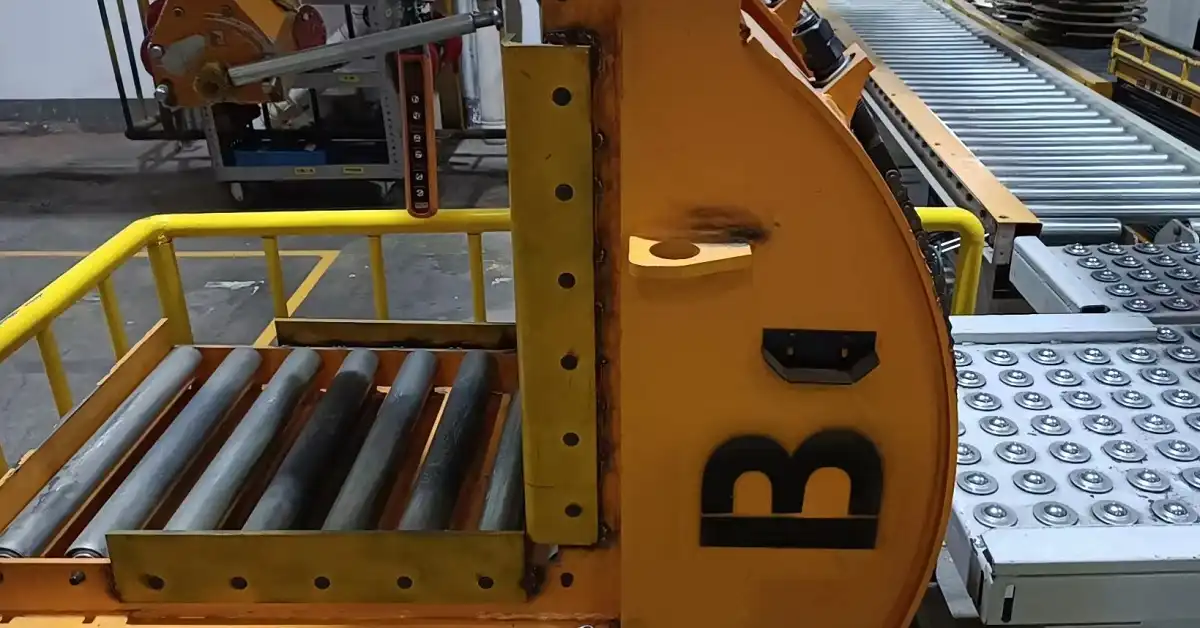
Pit-mounted coil tilters are installed below floor level, with the working mechanism positioned in a concrete pit, creating a flush floor surface for seamless material flow. Floor-mounted versions sit entirely above ground, requiring ramps or lifts for coil transfer. According to Randal Liu, SHJLPACK's founder, "Pit-mounted systems typically increase material handling efficiency by 25-35% but require significant civil engineering work, while floor-mounted options offer quicker installation and flexibility for layout changes."

Dive Deeper Content:
Technical Configuration Differences
The core distinction lies in how each system integrates with your factory floor. Pit-mounted tilters sink the rotating mechanism and hydraulic systems below ground level, while floor-mounted units keep all components accessible at ground level.
Space Utilization Patterns
- Pit-Mounted: Creates continuous floor space ideal for automated guided vehicles (AGVs) and conveyor systems
- Floor-Mounted: Requires additional space for access ramps and safety zones around the equipment
Installation Complexity
Pit-Mounted Requirements:
- Concrete pit construction (typically 1.5-2.5 meters deep)
- Waterproofing and drainage systems
- Reinforcement for heavy dynamic loads
- Extended installation timeline (4-6 weeks)
Floor-Mounted Requirements:
- Level concrete foundation
- Anchor bolt installation
- Power and utility connections
- Faster installation (1-2 weeks)
Operational Impact Scenarios
I've seen Mexican factories achieve different results based on their choice:
Case Example:
🏭 Steel Processing Plant in Monterrey
- Challenge: Limited floor space with high-volume coil processing
- Solution: Installed SHJLPACK pit-mounted coil tilter with integrated conveyor
- Results:
- Space utilization: improved by 40%
- Throughput: increased from 45 to 65 coils per hour
- Labor: reduced from 4 to 1 operator per shift
The pit-mounted approach worked here because they had stable soil conditions and were planning long-term operations without anticipated layout changes.
2. How Much Space Does Each Tilter Configuration Actually Require?
Leading Paragraph:
Space is money in manufacturing, and I've watched too many plants make expensive mistakes by underestimating their spatial requirements. Let's break down the real footprint of each option beyond the basic equipment dimensions.
Snippet Paragraph:
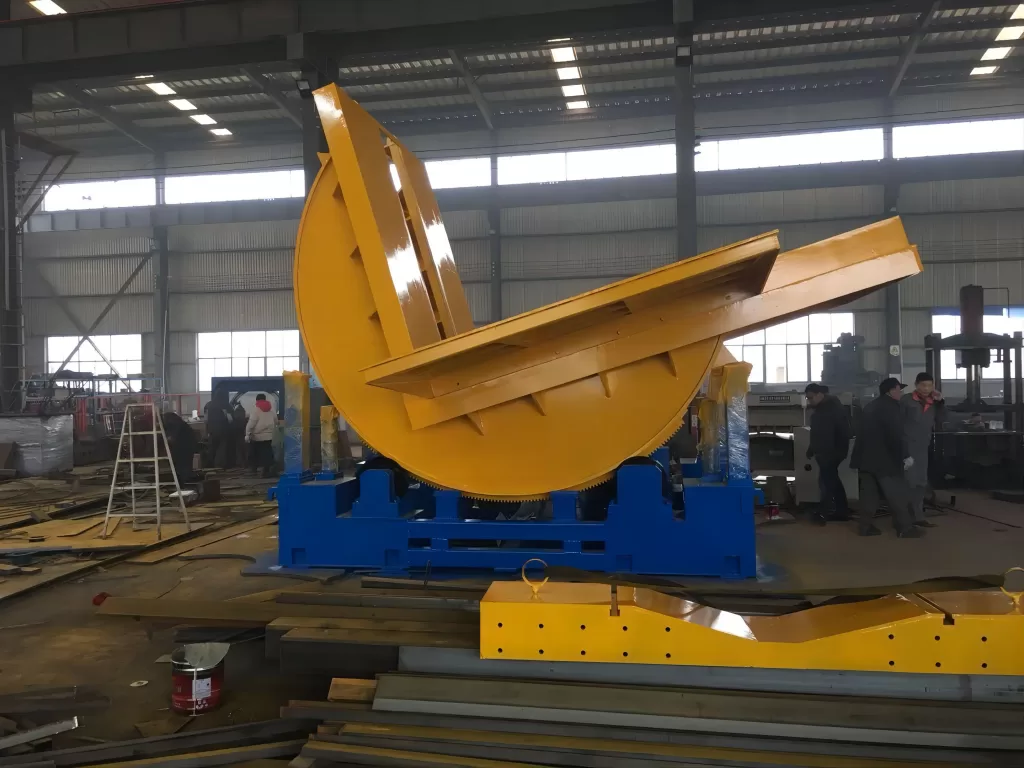
Floor-mounted coil tilters require 35-50% more total operational space than pit-mounted versions when accounting for access areas and safety zones. A typical floor-mounted tilter needs 80-120 m² including clearance spaces, while pit-mounted systems operate efficiently in 50-70 m². The space savings come from eliminating the need for approach ramps and creating seamless integration with material handling systems.
Dive Deeper Content:
Detailed Space Analysis
| Space Component | Floor-Mounted | Pit-Mounted | Space Saving |
|---|---|---|---|
| Equipment Footprint | 25-35 m² | 20-30 m² | 15-20% |
| Access & Safety Zones | 45-65 m² | 20-30 m² | 50-60% |
| Material Handling Area | 10-20 m² | 10-15 m² | 25-35% |
| Total Operational Space | 80-120 m² | 50-70 m² | 35-50% |
Critical Spatial Considerations
Safety Clearance Requirements:
- Floor-mounted: Minimum 1.5-meter safety perimeter
- Pit-mounted: Minimal perimeter requirements due to below-grade operation
Material Flow Impact:
- Pit-mounted systems enable straight-line material flow
- Floor-mounted units often create bottlenecks at ramp transitions
- Throughput differences of 15-25 coils per hour based on layout efficiency
Mexican Factory Layout Considerations:
Based on my experience with Latin American metal processing plants, I recommend considering these regional factors:
- Building Height Limitations: Many Mexican industrial buildings have height restrictions that favor pit-mounted systems
- Seismic Considerations: Pit-mounted may require additional reinforcement in certain regions
- Climate Factors: Proper drainage is crucial for pit systems in areas with high rainfall
Real-World Space Optimization Example
Case Example:
🏭 Aluminum Coil Producer in Guadalajara
- Challenge: Expanding production within existing building constraints
- Solution: SHJLPACK pit-mounted tilter with customized depth
- Results:
- Operational space: reduced from 95 m² to 58 m²
- Material handling time: decreased by 30%
- Overall equipment effectiveness: improved from 65% to 82%
The key insight here was that the space savings allowed them to add a second packaging station within the same building, increasing overall capacity without expansion costs.
3. Which Installation Method Delivers Better ROI for Mexican Factories?
Leading Paragraph:
As someone who's managed manufacturing operations, I know you're not just buying equipment—you're making an investment. The return on investment calculation goes far beyond the initial purchase price and must account for your specific operational context.
Snippet Paragraph:
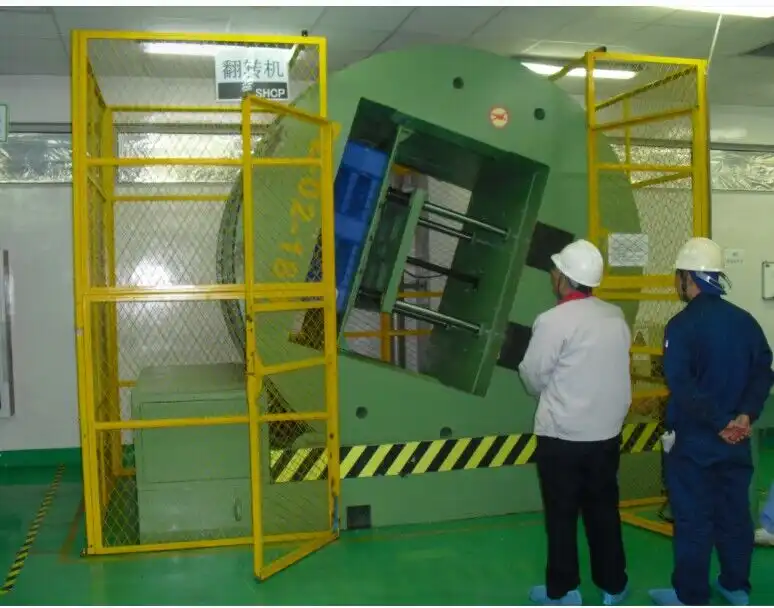
For most Mexican metal processing plants, floor-mounted coil tilters achieve ROI 3-6 months faster due to lower installation costs, while pit-mounted systems provide superior long-term value in high-volume operations. According to industry data, floor-mounted installations typically ROI in 12-18 months versus 18-24 months for pit-mounted, but the latter can deliver 25-40% higher annual savings in optimized environments.
Dive Deeper Content:
Comprehensive Cost Breakdown
Initial Investment Comparison:
| Cost Category | Floor-Mounted | Pit-Mounted | Cost Difference |
|---|---|---|---|
| Equipment Cost | $45,000-75,000 | $50,000-85,000 | +10-15% |
| Installation & Civil Work | $8,000-15,000 | $25,000-45,000 | +200-300% |
| Utility Connections | $3,000-6,000 | $5,000-10,000 | +60-80% |
| Total Initial Investment | $56,000-96,000 | $80,000-140,000 | +40-60% |
Operational Cost Analysis
Annual Operating Costs (Based on 2-shift operation):
| Expense Category | Manual Process | Floor-Mounted | Pit-Mounted |
|---|---|---|---|
| Labor Costs | $96,000 | $30,000 | $24,000 |
| Maintenance | $8,000 | $12,000 | $15,000 |
| Energy Consumption | $4,000 | $18,000 | $16,000 |
| Product Damage | $15,000 | $3,000 | $2,000 |
| Total Annual Cost | $123,000 | $63,000 | $57,000 |
ROI Calculation Scenarios
Scenario A: Medium-Volume Mexican Factory
- Production: 30,000 coils annually
- Current manual cost: $123,000/year
- Floor-mounted automated cost: $63,000/year
- Annual savings: $60,000
- Investment: $75,000
- ROI Period: 15 months
Scenario B: High-Volume Mexican Factory
- Production: 60,000 coils annually
- Current manual cost: $246,000/year
- Pit-mounted automated cost: $114,000/year
- Annual savings: $132,000
- Investment: $120,000
- ROI Period: 11 months
Decision Framework for Mexican Plants
According to Randal Liu's experience with Latin American operations: "Mexican factories should choose based on production volume thresholds. Below 40,000 coils annually, floor-mounted typically delivers better ROI. Above this volume, the operational efficiency of pit-mounted systems creates superior long-term value."
Key factors specific to Mexican operations:
- Local labor costs versus automation investment
- Energy pricing and consumption patterns
- Maintenance service availability
- Spare parts supply chain considerations
4. What Are the Hidden Costs and Maintenance Considerations?
Leading Paragraph:
The purchase price is just the beginning—I've seen too many plants get surprised by unexpected costs after installation. Understanding the full lifecycle expenses will protect your budget and ensure sustainable operations.
Snippet Paragraph:
Pit-mounted coil tilters incur 20-30% higher maintenance costs due to accessibility challenges and potential drainage issues, while floor-mounted systems face higher operational costs from additional material handling equipment. Hidden expenses include specialized tool requirements, longer repair times, and potential production downtime that can cost $5,000-15,000 per day in lost output for medium-sized Mexican metal processors.

Dive Deeper Content:
Maintenance Cost Breakdown
Annual Maintenance Comparison (Based on 5-year average):
| Maintenance Aspect | Floor-Mounted | Pit-Mounted | Cost Impact |
|---|---|---|---|
| Routine Service | $8,000-12,000 | $10,000-15,000 | +25-30% |
| Hydraulic System | $3,000-5,000 | $4,000-7,000 | +30-40% |
| Electrical Components | $2,000-4,000 | $3,000-5,000 | +40-50% |
| Structural Integrity | $1,000-2,000 | $3,000-6,000 | +200-300% |
| Total Annual Maintenance | $14,000-23,000 | $20,000-33,000 | +40-50% |
Hidden Cost Factors
Installation-Related Hidden Costs:
-
Site Preparation Expenses
- Soil testing and ground stabilization
- Temporary production relocation
- Additional safety systems during installation
-
Utility Modifications
- Electrical system upgrades
- Compressed air line extensions
- Drainage system modifications
Operational Hidden Costs:
-
Training Requirements
- Operator training (40-60 hours)
- Maintenance team certification
- Safety procedure development
-
Productivity Impact
- Learning curve productivity loss (15-25% for first month)
- Integration time with existing systems
- Potential workflow disruptions
Maintenance Accessibility Comparison
Floor-Mounted Advantages:
- ✅ All components easily accessible
- ✅ Standard maintenance procedures
- ✅ Quick component replacement
- ✅ Minimal specialized tools required
Pit-Mounted Challenges:
- ⚠️ Limited access to below-grade components
- ⚠️ Potential confined space entry requirements
- ⚠️ Specialized lifting equipment needed
- ⚠️ Longer repair times (30-50% longer)
Mexican-Specific Considerations
Based on my work with factories throughout Mexico, these local factors significantly impact maintenance costs:
- Spare Parts Availability: Lead times for specialized components can be 2-3 weeks
- Technical Expertise: Limited local specialists may require bringing technicians from other regions
- Climate Impact: High humidity in coastal areas accelerates corrosion in pit systems
- Water Table Issues: Some regions require additional waterproofing measures
Proactive Maintenance Strategy
I recommend Mexican plants implement this maintenance approach:
Weekly Checklist:
- Inspect hydraulic lines and connections
- Check safety systems and emergency stops
- Verify alignment and positioning accuracy
Monthly Maintenance:
- Lubricate all moving components
- Test electrical systems and sensors
- Inspect structural integrity and fasteners
Quarterly Comprehensive Service:
- Complete hydraulic fluid analysis
- Structural integrity assessment
- Performance calibration and optimization
Conclusion
Choosing between pit and floor-mounted coil tilters requires careful analysis of your specific space constraints, production volume, and budget. For most Mexican metal processors, the flexibility and lower installation costs of floor-mounted systems provide the best balance, while high-volume operations benefit from pit-mounted efficiency. Remember to consider the total cost of ownership, not just the initial investment, when planning your steel coil packing line automation strategy.
Frequently Asked Questions
Q: Can a floor-mounted coil tilter be converted to pit-mounted later?
A: No, conversion is not practical or cost-effective. The structural design and components differ significantly between configurations. You would need to purchase a completely new system, making the initial choice critical for long-term planning.
Q: How deep does the pit need to be for a pit-mounted coil tilter?
A: Typical pit depths range from 1.5 to 2.5 meters, depending on the coil size and tilter model. SHJLPACK engineers conduct site assessments to determine the exact requirements based on your specific coil dimensions and factory conditions.
Q: Which configuration is safer for operators?
A: Both configurations meet safety standards when properly installed. Pit-mounted systems generally have fewer trip hazards and better material flow, while floor-mounted versions offer easier access for maintenance and emergency procedures. The safety advantage depends on your specific operational practices and training.
Q: How long does installation take for each type?
A: Floor-mounted coil tilters typically install in 1-2 weeks, while pit-mounted systems require 4-6 weeks due to civil engineering work. The exact timeline depends on site preparation requirements and your factory's specific conditions.
Q: What maintenance training do operators need?
A: Operators need 40-60 hours of training covering routine maintenance, safety procedures, and basic troubleshooting. SHJLPACK provides comprehensive training programs in Spanish specifically tailored for Mexican maintenance teams, including hands-on practice and certification.


