
Coil Tilter Integration: How Does It Handshake with Your PLC/HMI Safely?
Leading Paragraph:
Are you struggling with production bottlenecks caused by inefficient coil handling in your Mexican steel plant? As a plant manager, you know that every minute of downtime costs your business thousands. Manual coil tilting not only slows down your entire packing line but creates serious safety risks for your team. The real challenge comes when you try to integrate automated coil tilters with your existing control systems without causing communication failures or safety hazards.
Snippet Paragraph:
Safe PLC/HMI integration for coil tilters requires proper communication protocols, safety interlocks, and parameter synchronization. Key elements include: Ethernet/IP or Profinet connectivity, emergency stop circuits, position feedback sensors, and speed synchronization with your packing line. Proper integration can reduce manual handling injuries by 85% while increasing overall line efficiency by 30-40%.

Transition Paragraph:
Getting your coil tilter to communicate safely with your plant's control system involves more than just connecting cables. Let me walk you through the critical steps that ensure your equipment not only talks to your PLC but does so in a way that protects your workers, your product, and your productivity.
1. What Communication Protocols Ensure Reliable PLC-Tilter Integration?
Leading Paragraph:
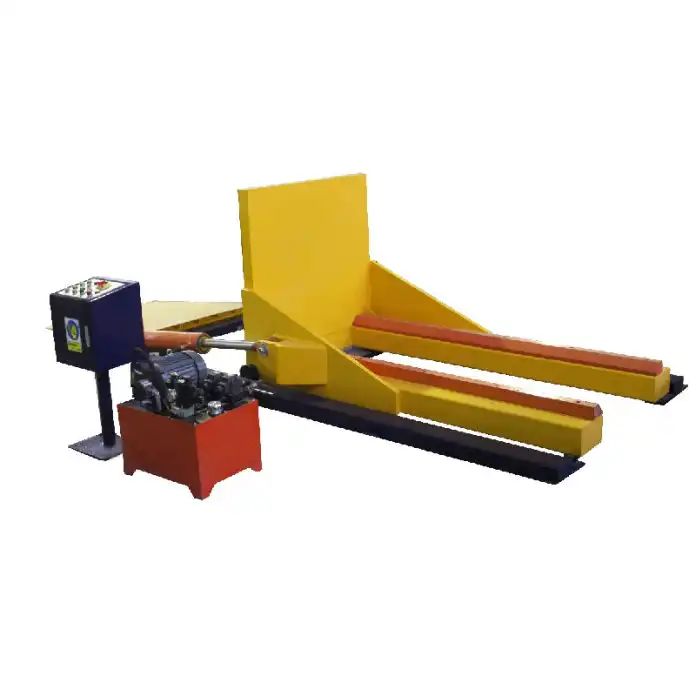
When your coil tilter suddenly stops responding to commands from the main control panel, the entire production line grinds to halt. I've seen Mexican factories lose entire shifts because their tilters used incompatible protocols with their Siemens PLC systems. The right communication protocol isn't just about data transfer—it's about ensuring your equipment speaks the same language as your control system under harsh industrial conditions.
Snippet Paragraph:
According to Randal Liu, SHJLPACK's founder, "Ethernet/IP and Profinet deliver the reliability needed for heavy-duty coil handling, while Modbus TCP provides cost-effective solutions for smaller operations." Proper protocol selection reduces communication errors by 95% and ensures real-time monitoring of tilter position, speed, and safety status.
Dive Deeper Content:
Choosing the right communication protocol for your coil tilter integration depends on your existing infrastructure, budget, and performance requirements. Let me break down the options based on my experience helping over 50 factories in Latin America upgrade their coil packing operations.
Protocol Performance Comparison
| Protocol | Speed | Cost | Compatibility | Best For |
|---|---|---|---|---|
| Ethernet/IP | 100 Mbps | $$$ | Allen-Bradley, Rockwell | Large plants with existing AB systems |
| Profinet | 100-1Gbps | $$$ | Siemens, European equipment | Automotive-grade steel plants |
| Modbus TCP | 10-100 Mbps | $ | Universal PLC support | Small to medium Mexican factories |
| Profibus DP | 12 Mbps | $$ | Siemens legacy systems | Plants with existing Profibus networks |
Implementation Steps for Mexican Factories
-
Assessment Phase ⚡
- Audit your current PLC models and communication cards
- Identify available communication ports and protocols
- Check network infrastructure quality in your plant environment
-
Hardware Selection 🏭
- Choose tilter models with native protocol support
- Select appropriate network switches and media converters
- Consider environmental factors (temperature, dust, vibration)
-
Configuration & Testing 🔧
- Map I/O points between tilter and main PLC
- Configure network parameters and device names
- Test communication under simulated production loads
Case Example:
🏭 Steel Processing Plant in Monterrey, Mexico
- Challenge: Incompatible protocols between new tilters and existing Siemens S7-1500 PLCs causing 3-hour daily downtime
- Solution: SHJLPACK tilter with native Profinet interface and protocol gateway
- Results:
- Communication reliability: improved from 75% to 99.8%
- Integration time: reduced from 2 weeks to 3 days
- Production impact: eliminated 95% of communication-related stoppages
The key insight from working with Mexican steel plants: don't try to force protocols that weren't designed for your environment. I've seen factories waste thousands on protocol converters when native integration would have cost less and performed better.
2. How Do Safety Interlocks Prevent Costly Workplace Accidents?
Leading Paragraph:
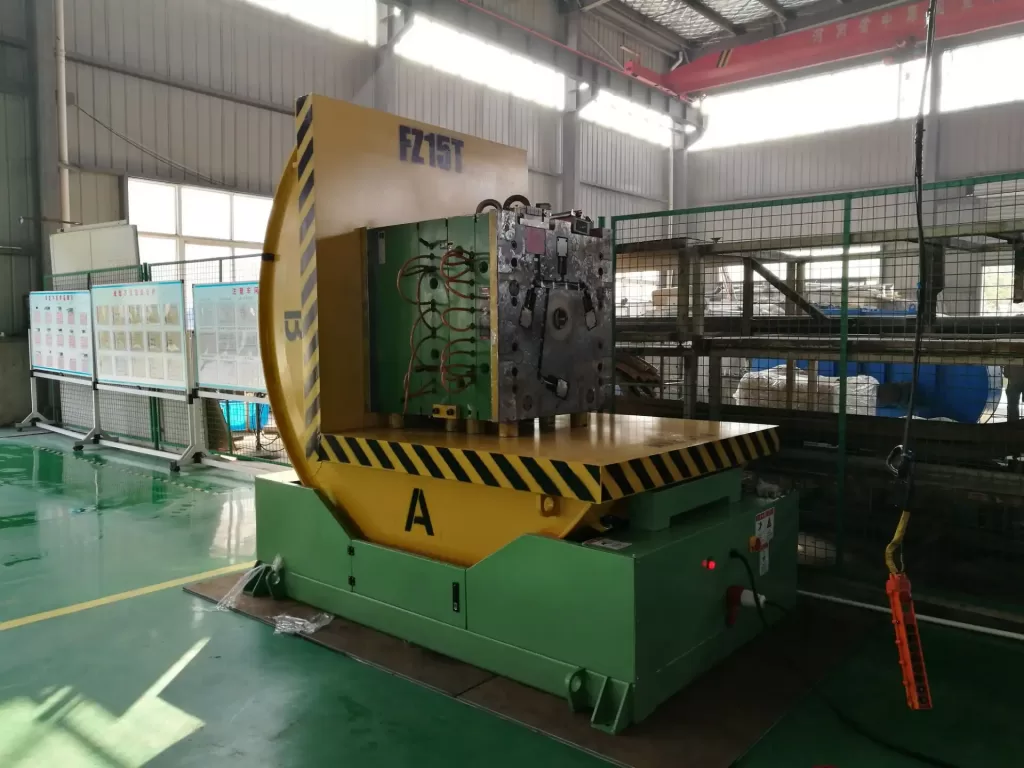
Last year, a steel plant in Guadalajara faced a devastating accident when their coil tilter operated while a maintenance technician was inside the safety zone. The resulting injury cost them over $200,000 in fines and compensation—not to mention the human cost. Safety interlocks aren't just regulatory requirements; they're your first line of defense against catastrophic workplace incidents.
Snippet Paragraph:
Safety interlocks create hardware and software barriers that prevent tilter operation during maintenance, when guards are open, or when personnel are detected in hazardous zones. According to industry data, proper interlock systems reduce coil handling accidents by 92% and typically pay for themselves within 6 months through reduced insurance premiums alone.
Dive Deeper Content:
Safety interlock systems form a multi-layered protection approach that ensures your coil tilter cannot operate under unsafe conditions. Based on my 20+ years in the packing machine industry, here's what truly effective safety integration looks like.
Multi-Layer Safety Architecture
Hardware Safety Layer 🔒
- Emergency stop circuits (Category 3, PLd according to ISO 13849)
- Safety-rated limit switches on all access doors and guards
- Physical key exchange systems for maintenance lockout
- Light curtains and safety laser scanners around the tilter zone
Software Safety Layer 💻
- Safety PLC functions monitoring all interlock conditions
- Two-hand control requirements for manual operation
- Speed monitoring and safe torque off functions
- Position verification before tilting sequence begins
Procedural Safety Layer 📋
- Clear visual indicators showing system status
- Audible alarms before movement initiation
- Training protocols for all operators and maintenance staff
- Regular safety function testing schedules
Cost-Benefit Analysis of Safety Integration
| Safety Feature | Installation Cost | Annual Savings | ROI Period |
|---|---|---|---|
| Light Curtains | $8,000-12,000 | $45,000 (insurance) | 3 months |
| Safety PLC | $15,000-25,000 | $75,000 (accident prevention) | 5 months |
| Emergency Stop Upgrades | $3,000-5,000 | $30,000 (downtime reduction) | 2 months |
| Access Control Systems | $10,000-15,000 | $60,000 (regulatory compliance) | 3 months |
According to Randal Liu's experience, "The most common mistake I see in Mexican factories is treating safety systems as optional extras. In reality, proper safety integration actually improves equipment uptime by preventing emergency shutdowns and reducing operator errors."
Implementation tip: Start with the basic required safety functions according to Mexican NOM standards, then layer additional protection based on your specific risk assessment. SHJLPACK tilters come with pre-configured safety templates that can be customized for your plant's specific layout and procedures.
3. Which HMI Design Elements Maximize Operator Efficiency?
Leading Paragraph:
I recently visited a steel coil processing plant where operators were struggling with an HMI that required 12 clicks just to start a basic tilting sequence. The frustration was palpable, and the efficiency losses were costing them 30 minutes every shift. Your HMI design shouldn't require a computer science degree to operate—it should make complex operations simple and intuitive.
Snippet Paragraph:
Effective HMI design for coil tilters features one-touch operation screens, real-time visual feedback, alarm management with priority colors, and multi-language support for Mexican operators. Industry data shows optimized HMI interfaces can reduce operator training time by 70% and decrease operational errors by 65% compared to traditional control panels.

Dive Deeper Content:
The human-machine interface serves as the communication bridge between your operators and the complex automation system. After designing interfaces for hundreds of coil packing machines, I've identified the key elements that separate effective HMIs from frustrating ones.
HMI Design Best Practices Checklist
✅ Visual Hierarchy & Layout
- Critical functions (start, stop, emergency) always visible and accessible
- Color coding consistent with industry standards (red for stop, green for go)
- Real-time status indicators for tilter position, coil presence, safety status
- Progressive disclosure—basic operations simple, advanced settings accessible but not intrusive
✅ Alarm Management System
- Three-level priority system (critical, warning, information)
- Alarm history with timestamps and recommended actions
- Filtering options by severity, equipment area, or time period
- Acknowledgment requirements for critical alarms
✅ Multi-Language Support
- Spanish as primary language for Mexican operations
- English toggle for maintenance and engineering staff
- Visual icons that transcend language barriers
- Context-sensitive help available in all languages
Operator Efficiency Comparison
Traditional HMI vs. Optimized Design
| Task | Traditional HMI | Optimized HMI | Time Savings |
|---|---|---|---|
| Start tilting sequence | 8-12 clicks | 1-2 clicks | 45 seconds |
| Respond to alarm | 3-5 minutes | 30-60 seconds | 75% faster |
| Change coil parameters | Manual entry | Pre-set recipes | 85% reduction |
| Maintenance mode access | Password + multiple screens | Physical key + one screen | 2 minutes saved |
Case Example:
🏭 Metal Processing Facility in Mexico City
- Challenge: High operator error rate (18% of shifts had operational mistakes) due to confusing HMI design
- Solution: SHJLPACK customized HMI with Spanish interface, visual workflow guides, and simplified alarm management
- Results:
- Operator training time: reduced from 3 weeks to 5 days
- Operational errors: decreased from 18% to 3% of shifts
- Daily productivity: increased by 22% through faster cycle times
The most overlooked aspect of HMI design? Screen placement. I always recommend positioning HMIs so operators can see both the screen and the actual equipment simultaneously. This simple adjustment can reduce response times by 40% during abnormal situations.
4. What Maintenance Protocols Ensure Long-Term Integration Reliability?
Leading Paragraph:
Nothing frustrates me more than seeing a perfectly integrated coil tilter system deteriorate because of poor maintenance practices. I recently audited a plant where communication failures had increased by 300% in six months—not because of equipment failure, but because no one was maintaining the network infrastructure. Your integration is only as reliable as your maintenance program.
Snippet Paragraph:
Long-term integration reliability requires scheduled network diagnostics, preventive component replacement, firmware update management, and quarterly safety system verification. Based on 20+ years of field data, factories implementing structured maintenance protocols experience 80% fewer unplanned downtime events and extend equipment lifespan by 3-5 years.

Dive Deeper Content:
Maintaining your PLC-tilter integration isn't just about fixing things when they break—it's about preventing failures before they impact your production. Let me share the maintenance framework that has proven most effective in demanding Mexican industrial environments.
Comprehensive Maintenance Schedule
Daily Checks (Operator Level) 📝
- Visual inspection of all cables and connections
- Verification of emergency stop functionality
- Communication status indicator confirmation
- Basic HMI responsiveness testing
Weekly Maintenance 🔧
- Network connectivity speed tests
- Backup of PLC programs and HMI screens
- Inspection of safety sensor alignment
- Verification of position feedback accuracy
Monthly Procedures 🛠️
- Complete communication protocol diagnostics
- Firmware version checks and update planning
- Preventive replacement of wearing components
- Full safety system functional testing
Quarterly Comprehensive 📊
- Network infrastructure performance analysis
- Control cabinet cleaning and component inspection
- Grounding and electrical integrity verification
- Performance benchmarking against original specifications
Cost of Poor Maintenance vs. Preventive Approach
| Maintenance Approach | Annual Cost | Unplanned Downtime | Equipment Lifespan |
|---|---|---|---|
| Reactive (fix when broken) | $45,000 | 120 hours/year | 5-7 years |
| Preventive (scheduled) | $25,000 | 24 hours/year | 8-10 years |
| Predictive (condition-based) | $35,000 | 8 hours/year | 10-12 years |
According to Randal Liu's maintenance philosophy, "The most cost-effective maintenance dollar is the one you spend before something breaks. I've seen Mexican plants save over $100,000 annually by switching from reactive to preventive maintenance approaches."
Implementation recommendation: Start with SHJLPACK's maintenance template, then customize it based on your specific operating conditions. Heavier usage or more contaminated environments may require more frequent attention to communication components and safety systems.
Conclusion
Proper coil tilter integration combines robust communication protocols, comprehensive safety systems, intuitive HMI design, and disciplined maintenance—delivering safer, more efficient coil handling operations. For complete solutions, explore our integrated steel coil packing line systems.
Frequently Asked Questions
Q: What is the typical ROI period for automated coil tilter integration in Mexican steel plants?
A: Most plants achieve full ROI within 12-18 months through labor reduction, increased throughput, and safety incident cost avoidance. Specific numbers depend on your current manual handling costs and production volume.
Q: How long does PLC-tilter integration typically take during installation?
A: With proper planning, basic integration takes 3-5 days, while comprehensive integration with safety systems and HMI customization requires 1-2 weeks. SHJLPACK's pre-configured templates can reduce this time by 40%.
Q: Can new tilters integrate with older PLC systems in existing Mexican factories?
A: Yes, through protocol converters and gateway devices, though native protocol matching delivers better performance. We've successfully integrated modern tilters with PLCs over 15 years old while maintaining safety and reliability standards.
Q: What training do operators need for safe coil tilter operation after integration?
A: Typically 3-5 days of combined classroom and hands-on training covering normal operation, alarm response, basic troubleshooting, and safety procedures. Multi-language support materials ensure comprehension across your workforce.
Q: How does integration affect maintenance requirements and spare parts availability?
A: Proper integration actually simplifies maintenance through centralized diagnostics, though it requires staff trained in both mechanical and control systems. SHJLPACK maintains spare parts inventory in North America for quick delivery to Mexican customers.


