
Coil Turning Machine Maintenance: What Daily, Weekly, and Monthly Tasks Are Essential?
Are you struggling with unexpected coil turning machine breakdowns that halt your entire production line? As a plant manager, you know that every minute of downtime costs your Mexican steel plant thousands in lost productivity and emergency repairs. The frustration of dealing with unreliable equipment that disrupts your carefully planned production schedules is all too familiar for operations directors like Michael Chen.
Proper coil turning machine maintenance involves three essential task frequencies: daily visual inspections, weekly mechanical checks, and monthly comprehensive reviews. Key maintenance priorities include: 1) Daily lubrication and bolt tightening, 2) Weekly hydraulic system pressure verification, 3) Monthly gearbox and bearing inspection. Following this structured maintenance schedule can reduce unexpected breakdowns by up to 70% and extend equipment lifespan by 3-5 years.

Maintaining your coil upender equipment isn't just about preventing breakdowns—it's about maximizing your return on investment. Let's explore the specific maintenance tasks that will keep your coil handling operations running smoothly and safely.
1. What Daily Maintenance Tasks Prevent 80% of Coil Turning Machine Failures?
Daily maintenance is your first line of defense against unexpected equipment failures. According to SHJLPACK's maintenance data from over 200 installations, plants that implement thorough daily checks experience 80% fewer emergency repairs than those with irregular maintenance routines.
Daily coil turning machine maintenance should focus on visual inspections, lubrication points, and operational testing. Critical daily tasks include: checking hydraulic fluid levels, inspecting for oil leaks, verifying safety limit switches, and cleaning the machine surfaces. These 10-minute routines can identify 80% of potential failure points before they cause production stoppages.
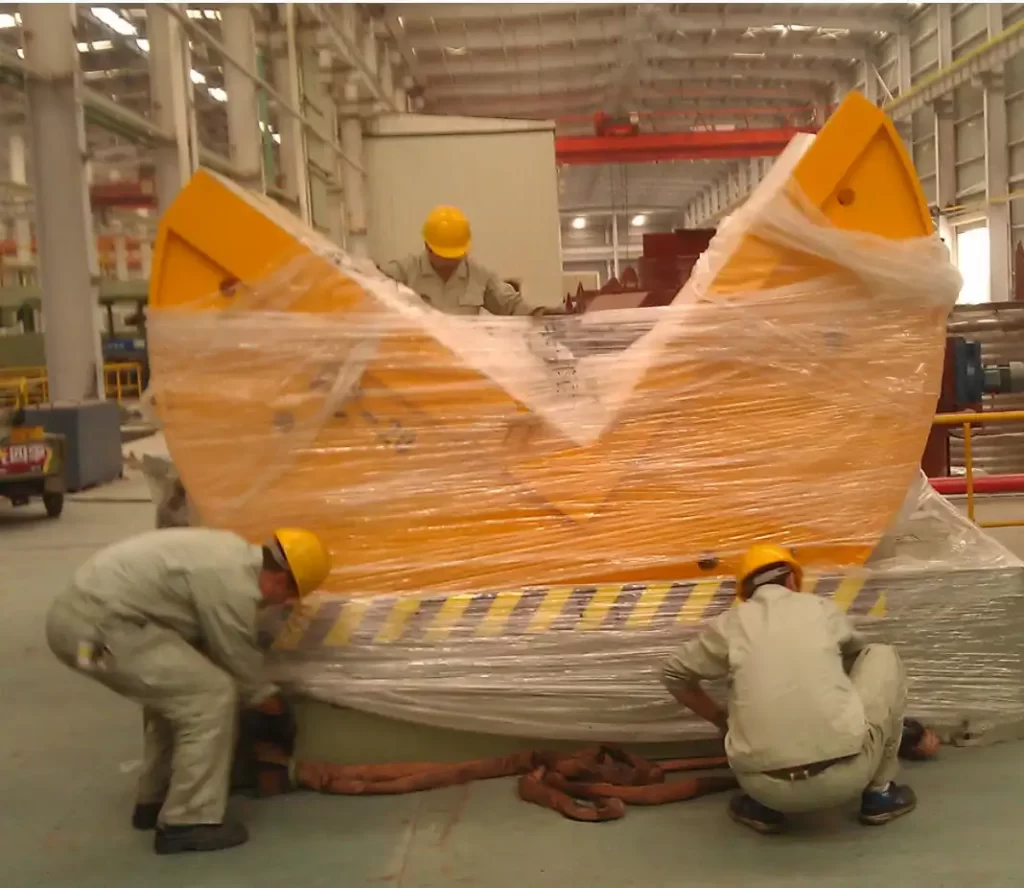
Essential Daily Maintenance Checklist
⚡ Visual Inspection (3-5 minutes)
- Check hydraulic hoses and connections for leaks or damage
- Inspect structural welds and frame for cracks or stress points
- Verify that all safety guards are properly secured
- Examine the coil contact pads for excessive wear
🔧 Operational Checks (4-6 minutes)
- Test emergency stop buttons and safety interlocks
- Verify smooth rotation without unusual noises
- Check hydraulic pressure gauges for normal readings
- Ensure control panel indicators are functioning properly
💧 Lubrication Points (2-3 minutes)
- Apply grease to pivot points and rotating joints
- Check automatic lubrication system reservoirs
- Wipe clean excess grease to prevent dirt accumulation
Real-World Impact: Mexican Steel Plant Case Study
🏭 Medium Steel Processing Plant in Monterrey
- Challenge: Frequent hydraulic leaks causing 3-4 hours of weekly downtime
- Solution: Implemented SHJLPACK's daily maintenance checklist with specific focus on hose connections
- Results:
- Emergency repairs reduced from 12 to 2 per year
- Hydraulic component lifespan increased by 40%
- Annual maintenance cost savings: $18,000
According to Randal Liu, founder of SHJLPACK, "The most costly maintenance mistakes happen during the simplest daily tasks. I've seen plants lose $50,000 in production because a technician skipped a 30-second bolt check that would have prevented a major bearing failure."
2. How Can Weekly Maintenance Extend Your Coil Turner's Lifespan by 40%?
Weekly maintenance goes beyond surface-level checks to address wear patterns and performance degradation. This systematic approach catches developing issues before they become critical failures, significantly extending your equipment's operational life.
Weekly coil turning machine maintenance should include mechanical component inspection, system performance verification, and preventive adjustments. Essential weekly tasks comprise: checking gearbox oil levels, inspecting electrical connections, testing hydraulic valve operation, and verifying alignment tolerances. Consistent weekly maintenance can extend equipment lifespan by 40% and reduce repair costs by 35%.
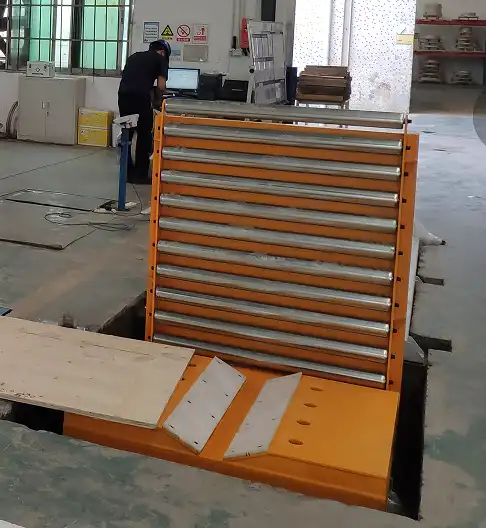
Weekly Maintenance Priority Matrix
| Maintenance Task | Time Required | Impact Level | Tools Needed |
|---|---|---|---|
| Gearbox Oil Check | 5 minutes | High | Sight glass/level indicator |
| Electrical Connection Tightening | 10 minutes | Medium | Screwdriver set |
| Hydraulic Filter Inspection | 8 minutes | High | Pressure gauge |
| Structural Bolt Torque Check | 15 minutes | Critical | Torque wrench |
| Bearing Temperature Measurement | 5 minutes | Medium | Infrared thermometer |
Step-by-Step Weekly Maintenance Procedure
-
Gearbox and Drive System Inspection
- Check oil levels in gear reducers
- Listen for unusual noises during operation
- Measure temperature of bearings and housings
- Inspect coupling alignment and condition
-
Hydraulic System Comprehensive Check
- Verify system pressure matches specifications
- Check accumulator pre-charge pressure
- Inspect filter condition indicators
- Test relief valve operation
-
Electrical and Control System Verification
- Tighten all power and control connections
- Check PLC and sensor operation
- Verify emergency stop circuit functionality
- Clean control cabinet ventilation filters
Randal Liu emphasizes that "Weekly maintenance isn't about finding problems—it's about confirming that your equipment is operating at peak performance. In my 20 years of experience, plants that master weekly maintenance schedules achieve ROI 6 months faster than those who only perform emergency repairs."
3. Why Should Monthly Maintenance Include These 5 Critical Inspections?
Monthly maintenance provides the comprehensive assessment needed to prevent catastrophic failures and plan for component replacements. This is where you catch the slow-developing issues that daily and weekly checks might miss.
Monthly coil turning machine maintenance must include five critical inspections: structural integrity assessment, hydraulic component testing, electrical system analysis, wear component measurement, and safety system verification. These inspections identify developing problems 3-6 months before they cause failures, allowing planned repairs that cost 60% less than emergency fixes.

The 5 Critical Monthly Inspections
1. Structural Integrity Assessment
- Ultrasonic testing of critical welds and stress points
- Measurement of frame alignment and squareness
- Inspection of coil support arms for deformation
- Verification of foundation bolt tightness
2. Hydraulic System Comprehensive Analysis
- Oil sample analysis for contamination and degradation
- Pump and motor performance testing under load
- Cylinder rod and seal condition inspection
- Valve bank functionality and response time testing
3. Electrical System Deep Evaluation
- Motor current draw measurement during operation
- Insulation resistance testing of power components
- Control system backup and program verification
- Sensor calibration and alignment checks
4. Wear Component Measurement and Documentation
- Bearing clearance measurement and recording
- Gear tooth wear pattern analysis
- Chain or belt stretch measurement
- Lining and contact surface thickness documentation
5. Safety System Complete Verification
- Full functional test of all safety interlocks
- Light curtain and area scanner calibration
- Emergency stop circuit timing verification
- Safety-rated component condition assessment
Monthly Maintenance Impact Comparison
| Maintenance Approach | Unplanned Downtime | Annual Repair Costs | Equipment Lifespan |
|---|---|---|---|
| Reactive (Fix when broken) | 120-180 hours | $45,000-65,000 | 5-7 years |
| Basic Preventive | 40-60 hours | $25,000-35,000 | 8-10 years |
| Comprehensive Monthly | 8-15 hours | $12,000-18,000 | 12-15 years |
4. How Much Can Proper Maintenance Save Your Mexican Plant Annually?
The financial impact of proper coil turning machine maintenance extends far beyond repair cost savings. When you calculate the total cost of ownership, including production losses, safety incidents, and energy efficiency, the numbers become compelling for any plant manager focused on bottom-line results.
Proper coil turning machine maintenance can save Mexican plants $75,000-$120,000 annually through reduced downtime, lower repair costs, extended equipment life, and improved energy efficiency. The largest savings typically come from avoiding production stoppages ($45,000-70,000) and reducing component replacement frequency ($18,000-30,000), with additional savings from safety improvements and energy optimization.
Annual Maintenance Cost-Benefit Analysis
Downtime Reduction Savings
- Before proper maintenance: 15-20 days annual downtime
- After proper maintenance: 3-5 days annual downtime
- Production value per hour: $450-650 (steel coil processing)
- Annual savings: $45,000-70,000
Repair Cost Reduction
- Reactive maintenance: $45,000-65,000 annually
- Preventive maintenance: $12,000-18,000 annually
- Net savings: $33,000-47,000
Extended Equipment Life Value
- Without maintenance: 5-7 year lifespan → $150,000 replacement cost
- With maintenance: 12-15 year lifespan → 60% longer service
- Annualized equipment cost reduction: $12,000-18,000
ROI Calculation for Maintenance Program Implementation
Initial Investment:
- Maintenance training: $3,500
- Specialized tools: $2,800
- Documentation system: $1,200
- Total: $7,500
First Year Benefits:
- Downtime reduction: $52,000
- Repair cost savings: $28,000
- Energy efficiency: $3,500
- Safety improvement: $8,500 (reduced insurance)
- Total: $92,000
ROI Period: 1.5 months
According to SHJLPACK's data from Mexican steel plants, "Plants that implement our structured maintenance program typically achieve full ROI within 60 days, then continue saving $75,000+ annually. The key is consistency—maintenance cannot be the first thing cut during production pushes."
Conclusion
Consistent maintenance transforms your coil turning machine from a liability into a reliable asset. By implementing daily, weekly, and monthly routines, you'll protect your investment and ensure continuous production. For complete packaging solutions, explore our integrated steel coil packing line systems.
Frequently Asked Questions
Q: How often should coil turning machine hydraulic fluid be changed?
A: Hydraulic fluid should be changed every 2,000 operating hours or annually, whichever comes first. In high-temperature Mexican environments, more frequent changes (1,500 hours) may be necessary. Always test oil condition before changing to avoid unnecessary costs.
Q: What are the most common maintenance mistakes with coil upenders?
A: The top three mistakes are: over-tightening bolts causing thread damage, using incorrect lubricants that degrade seals, and skipping alignment checks that lead to premature bearing failure. These simple errors can reduce equipment lifespan by 40%.
Q: How can I train my maintenance team on proper coil turning machine care?
A: SHJLPACK offers comprehensive training programs specifically for Mexican plant teams, combining classroom instruction with hands-on equipment practice. Most plants see 70% reduction in maintenance errors within 30 days of proper training implementation.


