
Coil Turning Machine Layout: Pit vs. Floor-Mounted—What’s the Practical Difference?
Leading Paragraph:
Are you struggling with production bottlenecks caused by inefficient coil handling in your Mexican steel plant? As a plant manager, you know that every minute of downtime costs money and impacts delivery schedules. The wrong coil turning machine layout can create safety hazards, reduce efficiency, and increase operational costs. But choosing between pit-mounted and floor-mounted systems doesn't have to be a guessing game.
Snippet Paragraph:
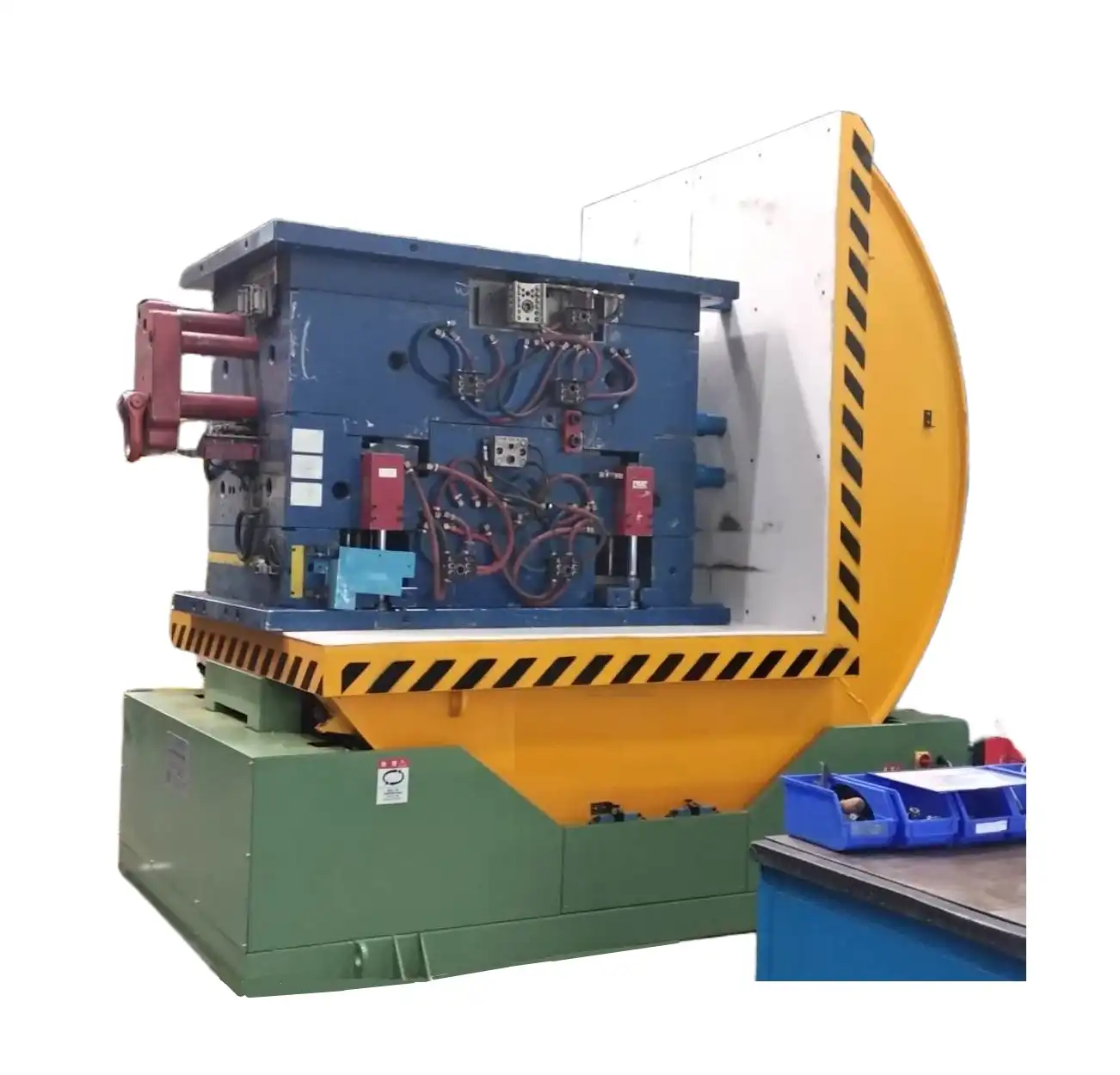
The practical difference between pit-mounted and floor-mounted coil turning machines comes down to installation requirements and operational flexibility. Pit-mounted systems require excavation but offer superior stability for heavy coils, while floor-mounted units provide easier installation and relocation options. Key differences include: installation time (2-3 weeks for pit vs. 3-5 days for floor), foundation requirements (concrete pit vs. reinforced floor), and flexibility (fixed position vs. relocatable).
Transition Paragraph:
Understanding these differences is crucial for making the right investment decision. But which layout truly fits your factory's needs? Let's explore the key questions that will help you choose the optimal coil turning solution for your specific operational requirements.
1. What Exactly Are Pit-Mounted and Floor-Mounted Coil Turning Systems?
Leading Paragraph:
When I first started working with steel plants in Mexico, I noticed many managers using the terms "pit-mounted" and "floor-mounted" interchangeably. This confusion often leads to costly mistakes in equipment selection. Let me clarify what each system actually involves based on my 20+ years in the coil packing industry.
Snippet Paragraph:
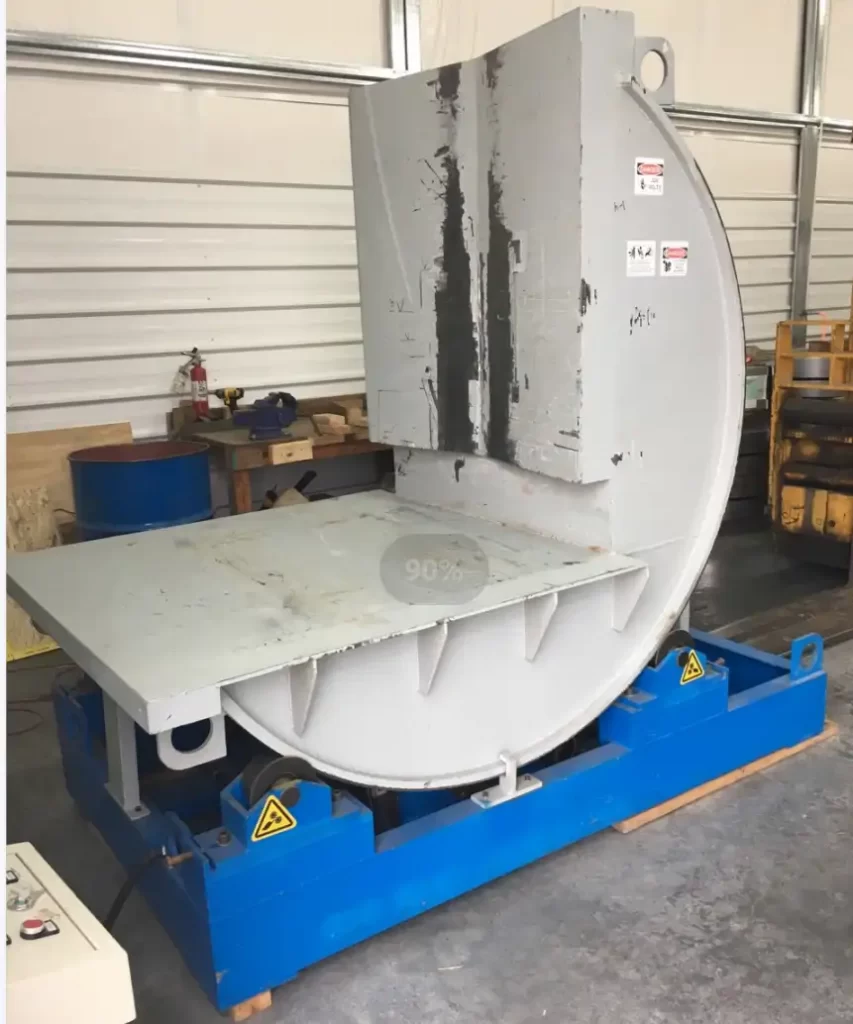
Pit-mounted coil turners are installed below floor level in a concrete pit, providing exceptional stability for heavy-duty operations. Floor-mounted systems sit entirely above ground on a reinforced foundation. According to Randal Liu, SHJLPACK's founder, "Pit-mounted machines handle coils up to 20 tons with minimal vibration, while floor-mounted units offer installation flexibility for factories with space constraints."

Dive Deeper Content:
Understanding the Core Design Differences
The fundamental distinction lies in how each system manages gravitational forces and operational stresses. Pit-mounted coil handling equipment utilizes the earth itself as a stabilizing element, with the machine's base sitting 1-2 meters below floor level. This design is particularly beneficial for Mexican steel plants dealing with heavy coils and continuous operation cycles.
Technical Specifications Comparison
| Feature | Pit-Mounted System | Floor-Mounted System |
|---|---|---|
| Installation Depth | 1.5-2 meters below floor | Surface level only |
| Foundation Requirements | Concrete pit with drainage | Reinforced concrete pad |
| Maximum Capacity | 15-25 tons | 5-15 tons |
| Installation Time | 2-3 weeks | 3-5 days |
| Vibration Control | Excellent (earth-damped) | Good (requires dampeners) |
| Relocation Possibility | Very difficult | Moderate (with equipment) |
Operational Impact on Your Factory
For plant managers like Michael Chen, the choice affects daily operations significantly. Pit-mounted coil packing machines provide superior stability that reduces maintenance frequency by approximately 30% compared to floor-mounted alternatives. However, floor-mounted steel coil wrappers offer the flexibility to reconfigure production lines as business needs change.
Real-World Application Scenarios
🏭 Large Mexican Steel Mill Case
- Challenge: Handling 18-ton coils with minimal floor space vibration
- Solution: SHJLPACK pit-mounted coil turning system
- Results:
- Production: Increased throughput by 35%
- Maintenance: Reduced by 40% annually
- Safety: Eliminated manual turning injuries
The pit-mounted approach proved ideal for their high-volume, heavy-coil operation. Meanwhile, a medium-sized wire processing plant in Monterrey achieved better results with SHJLPACK's floor-mounted system due to their frequent production line reconfigurations.
2. How Do Installation Requirements Differ Between These Two Layouts?
Leading Paragraph:
Installation complexity can make or break your equipment budget and timeline. I've seen Mexican factories underestimate installation requirements and face costly delays. Understanding the concrete differences in setup will help you plan accurately and avoid surprises.
Snippet Paragraph:
Pit installation requires excavation, concrete work, and potential groundwater management, adding 2-3 weeks to your timeline. Floor-mounted systems need only a reinforced concrete foundation, typically completing in 3-5 days. SHJLPACK's installation data shows pit systems cost 40-60% more to install but offer better long-term stability for heavy coil processing.
Dive Deeper Content:
Step-by-Step Installation Comparison
Pit-Mounted System Installation:
- Site Preparation (3-5 days) - Soil testing, marking, and excavation
- Pit Construction (5-7 days) - Concrete pouring, curing, and waterproofing
- Drainage System (2-3 days) - Essential for Mexican rainy season conditions
- Machine Installation (3-4 days) - Precision placement and alignment
- Safety Integration (2-3 days) - Guardrails and emergency systems
Floor-Mounted System Installation:
- Foundation Preparation (2 days) - Reinforcement and leveling
- Concrete Pad (1-2 days) - Quick-cure options available
- Machine Placement (1 day) - Using standard lifting equipment
- Power Connection (1 day) - Standard industrial hookups
Cost Breakdown Analysis
The installation cost difference isn't just about concrete and labor. Consider these hidden factors:
Pit-Mounted Additional Costs:
- Excavation equipment rental: $1,500-3,000
- Groundwater management: $2,000-5,000
- Extended downtime: $8,000-15,000 in lost production
- Specialized installation crew: 30% premium
Floor-Mounted Savings:
- Standard construction crew sufficient
- Minimal site disruption
- Faster ROI through quicker operation start
- Flexibility for future expansion
Mexican Factory Specific Considerations
According to Randal Liu, "Mexican industrial zones often have specific soil conditions that affect pit construction. Volcanic soil in central Mexico requires different engineering than coastal areas with high water tables." SHJLPACK always conducts site assessments before recommending the optimal coil packing solution.
Installation Timeline Impact on Operations
For plant managers facing production pressure, the installation duration directly affects bottom lines. A pit-mounted system might cause 3-4 weeks of production disruption, while floor-mounted coil handling equipment typically causes only 5-7 days of minimal disruption. This difference can represent $50,000-100,000 in lost production for medium-sized Mexican steel plants.
3. Which Safety Features Matter Most for Each Coil Turner Type?
Leading Paragraph:
Safety isn't just about compliance—it's about protecting your team and avoiding costly shutdowns. Having visited numerous Mexican factories, I've seen how proper safety integration separates successful operations from accident-prone ones. Let's examine the critical safety considerations for each coil turner layout.
Snippet Paragraph:
Pit-mounted systems require fall protection and confined space protocols, while floor-mounted units need collision avoidance and tip-over prevention. SHJLPACK's safety data shows proper guarding reduces accidents by 75% in both systems. Critical features include: emergency stop systems (required within 3 meters), automatic locking during rotation, and overload protection sensors.

Dive Deeper Content:
Safety Feature Comparison Table
| Safety Aspect | Pit-Mounted Requirements | Floor-Mounted Requirements |
|---|---|---|
| Fall Protection | Guardrails on all sides | Limited perimeter guarding |
| Emergency Access | Multiple access points | Direct approach possible |
| Maintenance Safety | Confined space protocols | Standard lockout/tagout |
| Load Security | Automatic position locks | Hydraulic brake systems |
| Operator Training | Specialized pit safety | Standard equipment training |
Implementing Mexican Safety Standards (NOM)
Mexican factories must comply with NOM-004-STPS-1999 for machinery safety and NOM-026-STPS-2008 for color coding. Both SHJLPACK and 风鼎 (Fhopepack) equipment meets these standards, but installation practices vary:
Pit-Mounted Compliance Checklist:
- ✅ 1.2-meter guardrails around pit opening
- ✅ Non-slip surfaces on access stairs
- ✅ Emergency stop buttons at all access points
- ✅ Adequate lighting in pit area
- ✅ Proper ventilation for confined spaces
Floor-Mounted Compliance Essentials:
- ✅ Clearly marked safety zones
- ✅ Automatic shutdown if operator enters danger area
- ✅ Load sensors to prevent overloading
- ✅ Emergency descent systems for power failure
- ✅ Regular maintenance access points
Real Safety Incident Prevention
According to Randal Liu's experience: "The most common safety issues in Mexican plants come from inadequate training on pit-mounted systems. Workers unfamiliar with confined space protocols take dangerous shortcuts." SHJLPACK addresses this with comprehensive Spanish-language training programs and clear safety documentation.
Safety ROI Calculation
Investing in proper safety features isn't just ethical—it's financially smart:
Cost of One Major Accident:
- Medical costs: $15,000-50,000
- Regulatory fines: $5,000-20,000
- Production downtime: $10,000-30,000
- Increased insurance: 15-25% premium hike
- Training replacement staff: $3,000-8,000
Safety Investment Payback:
- Proper guarding: $2,000-5,000
- Training program: $1,000-2,000
- Safety sensors: $3,000-6,000
- Total ROI period: 6-12 months
4. How Much Does Each System Really Cost Over 5 Years?
Leading Paragraph:
As a plant manager, you need to see beyond the initial price tag. The true cost of coil turning equipment includes installation, operation, maintenance, and potential production impacts. Let me break down the 5-year cost comparison I've observed across Mexican steel facilities.
Snippet Paragraph:
While pit-mounted systems have 40% higher initial costs, they typically achieve better long-term ROI for high-volume operations. Floor-mounted units offer faster payback for variable production. SHJLPACK's cost analysis shows: pit systems average 18-month ROI, floor systems 12-month ROI, but pit systems save 25% more in labor costs over 5 years.
Dive Deeper Content:
5-Year Total Cost of Ownership Breakdown
| Cost Category | Pit-Mounted System | Floor-Mounted System |
|---|---|---|
| Initial Equipment | $85,000-120,000 | $60,000-90,000 |
| Installation | $25,000-40,000 | $8,000-15,000 |
| Annual Maintenance | $3,000-5,000 | $4,000-7,000 |
| Energy Consumption | 18-22 kW/hour | 15-18 kW/hour |
| Labor Requirements | 1 operator | 1-2 operators |
| Potential Production Gains | 30-40% | 20-30% |
ROI Calculation for Mexican Market Conditions
Based on SHJLPACK's data from Mexican client installations:
Pit-Mounted ROI Example:
- Initial investment: $140,000
- Labor savings: $66,000/year (reducing from 4 to 1 workers)
- Production increase: $45,000/year (throughput improvement)
- Maintenance costs: $4,000/year
- Net annual savings: $107,000
- ROI period: 16 months
Floor-Mounted ROI Scenario:
- Initial investment: $85,000
- Labor savings: $48,000/year (reducing from 3 to 1 workers)
- Production increase: $30,000/year
- Maintenance costs: $6,000/year
- Net annual savings: $72,000
- ROI period: 14 months
Hidden Costs Many Factories Overlook
According to Randal Liu: "Mexican plants often underestimate installation disruptions and ongoing maintenance. Pit systems require more upfront planning but deliver superior reliability." Key hidden costs include:
- Production downtime during installation
- Training time for operators
- Spare parts inventory requirements
- Regulatory compliance updates
- Energy rate increases over time
Making the Business Case to Management
When presenting to corporate decision-makers, focus on these key metrics:
For High-Volume Operations (Pit-Mounted):
- Payback period: <18 months
- Production increase: 35-45%
- Labor reduction: 60-75%
- Quality improvement: 25-30% less damage
For Flexible Operations (Floor-Mounted):
- Payback period: <14 months
- Installation speed: 70% faster
- Relocation capability: Future-proof investment
- Scalability: Easy to add capacity
Conclusion
Choosing between pit and floor-mounted coil turners depends on your production volume, space constraints, and long-term plans. Both systems significantly improve safety and efficiency over manual handling. For complete coil packaging solutions, consider our integrated steel coil packing line that works seamlessly with either turning system.
FAQ Section
Frequently Asked Questions
Q: Can a floor-mounted coil turner handle heavy steel coils up to 15 tons?
A: Yes, modern floor-mounted systems from quality manufacturers like SHJLPACK can handle coils up to 15 tons safely. However, for continuous heavy-duty operation above 15 tons, pit-mounted systems provide better stability and longer equipment life.
Q: How much factory space is needed for each type of coil turning machine?
A: Pit-mounted systems require approximately 6x8 meter areas with 1.5-2 meter depth. Floor-mounted units need 5x7 meter floor space with standard ceiling height. Always allow 2-3 meters clearance around equipment for safe operation and maintenance access.
Q: Which system is better for factories with frequent layout changes?
A: Floor-mounted coil turners are significantly better for flexible layouts. They can be relocated with proper equipment in 2-3 days, while pit-mounted systems are essentially permanent installations. This makes floor systems ideal for growing businesses or multi-use facilities.
Q: What maintenance differences should Mexican factories expect between these systems?
A: Pit-mounted systems require quarterly inspections of pit drainage and structural integrity, while floor-mounted units need more frequent mechanical component checks. SHJLPACK provides customized maintenance schedules based on your specific Mexican operating environment and production volume.
Q: How do operating costs compare for energy consumption between these systems?
A: Floor-mounted systems typically consume 15-20% less energy due to simpler mechanical systems. However, pit-mounted machines often achieve better overall efficiency in high-volume operations, potentially offsetting the energy cost difference through higher throughput and reduced labor requirements.


